
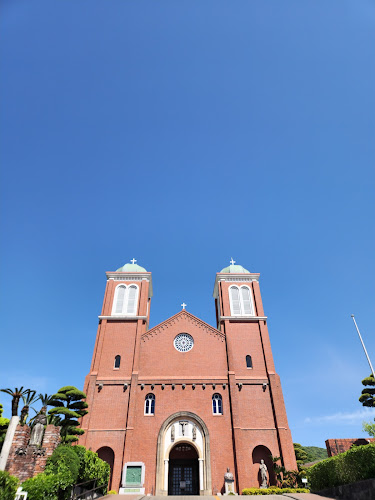
Urakami Cathedral
About Urakami Cathedral
Description
Urakami Cathedral is one of those places that sits heavy and light at the same time. Heavy because, yes, this was once ground zero for the atomic bomb dropped on Nagasaki in 1945. And light because the building you see today, completed in 1959, stands as a stubborn, almost tender act of rebuilding. It’s a Catholic cathedral, still active, still loved by the local community, and also a major historical attraction for travelers who want to understand Nagasaki beyond postcards and harbor views.
The original cathedral was once the largest Catholic church in East Asia. When the bomb fell, it was obliterated in seconds. Thousands of worshippers lived in this area, many descended from Japan’s Hidden Christians who practiced their faith in secret for centuries. That backstory alone makes Urakami Cathedral different from many churches you may have visited. You’re not just looking at architecture; you’re stepping into a long narrative of persecution, survival, loss, and quiet faith.
Now, I’ll be honest. Some travelers expect ruins or something darker, more raw. Instead, what you’ll see is a rebuilt red-brick cathedral that feels calm, almost ordinary at first glance. But that’s the point. The decision to rebuild, not preserve it as rubble, was controversial at the time. Standing there, I remember thinking how human that choice was. People didn’t want to freeze their pain forever. They wanted a future. And that tension—between memory and moving on—lingers in the air when you walk the grounds.
Inside, the atmosphere is subdued and respectful. The light filters through stained glass that depicts Christian scenes but also echoes themes of peace and forgiveness. Some fragments of the original structure, damaged statues, and historical markers remain on site, offering quiet reminders of what once stood here. And if you give yourself a moment to sit down, you’ll likely notice how quiet it gets, even when there are other visitors. People instinctively lower their voices here. It’s that kind of place.
Urakami Cathedral isn’t flawless as a tourist experience. There’s limited English signage compared to larger museums, and some travelers feel the rebuilding softened the historical impact. I get that. But I also think that’s part of the lesson. History doesn’t always present itself in dramatic ruins. Sometimes it looks like a functioning church on a normal city street, still ringing its bells.
Key Features
- Rebuilt red-brick Catholic cathedral completed in 1959 after total destruction in WWII
- Located near the atomic bomb hypocenter, making it a key site for understanding Nagasaki’s history
- Active place of worship with regular services, not just a museum
- Stained glass windows emphasizing peace, forgiveness, and resilience
- Preserved relics and statues damaged by the bomb displayed on the grounds
- Wheelchair accessible entrance and parking, making it easier for all travelers
- Restroom facilities available on site, which is honestly a relief when you’re walking all day
Best Time to Visit
If you ask me, mornings are the sweet spot. Arriving earlier in the day, especially on a weekday, gives you space to reflect without feeling rushed or crowded. The light through the stained glass is softer then, and the atmosphere feels more contemplative. I once arrived just after opening and ended up sitting quietly for nearly half an hour, completely forgetting my planned itinerary. That doesn’t happen often when you travel.
Spring and autumn are generally the most comfortable seasons weather-wise. Summers in Nagasaki can be hot and humid, and while the cathedral interior offers some respite, walking the surrounding area can feel draining. Winter is quieter, cooler, and a bit gray, but that mood oddly suits the history of the place.
August 9th, the anniversary of the bombing, brings memorial events and increased visitors. It’s meaningful but crowded, and the emotional weight is heavier than usual. If you’re prepared for that, it can be a powerful time to visit. But if you prefer a calmer experience, aim for another date.
And one small note: if you happen to arrive during a service, be respectful. You’re welcome to stay, but photography and wandering around should wait. It’s not just a landmark; it’s someone’s spiritual home.
How to Get There
Getting to Urakami Cathedral is fairly straightforward, even if you’re not a transit wizard. Public transportation in Nagasaki is reliable and traveler-friendly. Trams are the most common option, and they run frequently through the city. From the nearest stop, it’s a short walk through a residential area that feels very lived-in, which I personally appreciated. It reminds you that life continued here.
If you’re coming by train, the area is accessible with a bit of walking, depending on which station you use. Taxis are also plentiful and reasonably priced, especially if you’re traveling with others or feeling footsore after a long day of sightseeing.
For those driving, there is parking available, including wheelchair-accessible spaces. Just be aware that traffic can slow down during peak hours, and Nagasaki’s streets aren’t always intuitive if you’re new to Japanese roads. I got turned around more than once, and honestly, that’s half the travel experience.
Tips for Visiting
First, give yourself time. This isn’t a place you rush through in ten minutes, snap a photo, and leave. Even if you’re not religious, the history deserves a slower pace. Sit down. Read what signs you can. Watch how locals interact with the space.
Dress modestly. There’s no strict dress code posted everywhere, but it’s still an active cathedral. Covering shoulders and avoiding overly casual beachwear goes a long way in showing respect.
Photography is usually allowed in certain areas, but be discreet. I’ve seen travelers get a bit snap-happy, and it always feels off. If you’re unsure, err on the side of not taking the photo. Some moments are better kept in your head anyway.
If you’re visiting with kids, have a conversation beforehand. The topic of the atomic bomb is heavy, and the cathedral doesn’t sugarcoat its past. That said, it can be a meaningful educational experience if approached thoughtfully.
Pair your visit with nearby historical sites for context. Seeing Urakami Cathedral on its own is impactful, but understanding how it fits into Nagasaki’s broader story adds depth. Just pace yourself emotionally. I remember feeling unexpectedly drained after my first visit and needing a quiet café break afterward.
Lastly, don’t expect perfection. Some visitors feel conflicted about the rebuilt structure or wish there were more detailed explanations. That’s okay. Urakami Cathedral isn’t trying to impress you. It’s simply standing there, doing what it has done for decades: remembering, healing, and continuing on. And maybe that’s what makes it worth your time.
Key Features
- Rebuilt red-brick Catholic cathedral completed in 1959 after total destruction in WWII
- Located near the atomic bomb hypocenter, making it a key site for understanding Nagasaki’s history
- Active place of worship with regular services, not just a museum
- Stained glass windows emphasizing peace, forgiveness, and resilience
- Preserved relics and statues damaged by the bomb displayed on the grounds
- Wheelchair accessible entrance and parking, making it easier for all travelers
- Restroom facilities available on site, which is honestly a relief when you’re walking all day
More Details
Updated January 1, 2026
Table of Contents
Description
Urakami Cathedral is one of those places that sits heavy and light at the same time. Heavy because, yes, this was once ground zero for the atomic bomb dropped on Nagasaki in 1945. And light because the building you see today, completed in 1959, stands as a stubborn, almost tender act of rebuilding. It’s a Catholic cathedral, still active, still loved by the local community, and also a major historical attraction for travelers who want to understand Nagasaki beyond postcards and harbor views.
The original cathedral was once the largest Catholic church in East Asia. When the bomb fell, it was obliterated in seconds. Thousands of worshippers lived in this area, many descended from Japan’s Hidden Christians who practiced their faith in secret for centuries. That backstory alone makes Urakami Cathedral different from many churches you may have visited. You’re not just looking at architecture; you’re stepping into a long narrative of persecution, survival, loss, and quiet faith.
Now, I’ll be honest. Some travelers expect ruins or something darker, more raw. Instead, what you’ll see is a rebuilt red-brick cathedral that feels calm, almost ordinary at first glance. But that’s the point. The decision to rebuild, not preserve it as rubble, was controversial at the time. Standing there, I remember thinking how human that choice was. People didn’t want to freeze their pain forever. They wanted a future. And that tension—between memory and moving on—lingers in the air when you walk the grounds.
Inside, the atmosphere is subdued and respectful. The light filters through stained glass that depicts Christian scenes but also echoes themes of peace and forgiveness. Some fragments of the original structure, damaged statues, and historical markers remain on site, offering quiet reminders of what once stood here. And if you give yourself a moment to sit down, you’ll likely notice how quiet it gets, even when there are other visitors. People instinctively lower their voices here. It’s that kind of place.
Urakami Cathedral isn’t flawless as a tourist experience. There’s limited English signage compared to larger museums, and some travelers feel the rebuilding softened the historical impact. I get that. But I also think that’s part of the lesson. History doesn’t always present itself in dramatic ruins. Sometimes it looks like a functioning church on a normal city street, still ringing its bells.
Key Features
- Rebuilt red-brick Catholic cathedral completed in 1959 after total destruction in WWII
- Located near the atomic bomb hypocenter, making it a key site for understanding Nagasaki’s history
- Active place of worship with regular services, not just a museum
- Stained glass windows emphasizing peace, forgiveness, and resilience
- Preserved relics and statues damaged by the bomb displayed on the grounds
- Wheelchair accessible entrance and parking, making it easier for all travelers
- Restroom facilities available on site, which is honestly a relief when you’re walking all day
Best Time to Visit
If you ask me, mornings are the sweet spot. Arriving earlier in the day, especially on a weekday, gives you space to reflect without feeling rushed or crowded. The light through the stained glass is softer then, and the atmosphere feels more contemplative. I once arrived just after opening and ended up sitting quietly for nearly half an hour, completely forgetting my planned itinerary. That doesn’t happen often when you travel.
Spring and autumn are generally the most comfortable seasons weather-wise. Summers in Nagasaki can be hot and humid, and while the cathedral interior offers some respite, walking the surrounding area can feel draining. Winter is quieter, cooler, and a bit gray, but that mood oddly suits the history of the place.
August 9th, the anniversary of the bombing, brings memorial events and increased visitors. It’s meaningful but crowded, and the emotional weight is heavier than usual. If you’re prepared for that, it can be a powerful time to visit. But if you prefer a calmer experience, aim for another date.
And one small note: if you happen to arrive during a service, be respectful. You’re welcome to stay, but photography and wandering around should wait. It’s not just a landmark; it’s someone’s spiritual home.
How to Get There
Getting to Urakami Cathedral is fairly straightforward, even if you’re not a transit wizard. Public transportation in Nagasaki is reliable and traveler-friendly. Trams are the most common option, and they run frequently through the city. From the nearest stop, it’s a short walk through a residential area that feels very lived-in, which I personally appreciated. It reminds you that life continued here.
If you’re coming by train, the area is accessible with a bit of walking, depending on which station you use. Taxis are also plentiful and reasonably priced, especially if you’re traveling with others or feeling footsore after a long day of sightseeing.
For those driving, there is parking available, including wheelchair-accessible spaces. Just be aware that traffic can slow down during peak hours, and Nagasaki’s streets aren’t always intuitive if you’re new to Japanese roads. I got turned around more than once, and honestly, that’s half the travel experience.
Tips for Visiting
First, give yourself time. This isn’t a place you rush through in ten minutes, snap a photo, and leave. Even if you’re not religious, the history deserves a slower pace. Sit down. Read what signs you can. Watch how locals interact with the space.
Dress modestly. There’s no strict dress code posted everywhere, but it’s still an active cathedral. Covering shoulders and avoiding overly casual beachwear goes a long way in showing respect.
Photography is usually allowed in certain areas, but be discreet. I’ve seen travelers get a bit snap-happy, and it always feels off. If you’re unsure, err on the side of not taking the photo. Some moments are better kept in your head anyway.
If you’re visiting with kids, have a conversation beforehand. The topic of the atomic bomb is heavy, and the cathedral doesn’t sugarcoat its past. That said, it can be a meaningful educational experience if approached thoughtfully.
Pair your visit with nearby historical sites for context. Seeing Urakami Cathedral on its own is impactful, but understanding how it fits into Nagasaki’s broader story adds depth. Just pace yourself emotionally. I remember feeling unexpectedly drained after my first visit and needing a quiet café break afterward.
Lastly, don’t expect perfection. Some visitors feel conflicted about the rebuilt structure or wish there were more detailed explanations. That’s okay. Urakami Cathedral isn’t trying to impress you. It’s simply standing there, doing what it has done for decades: remembering, healing, and continuing on. And maybe that’s what makes it worth your time.
Key Highlights
- Rebuilt red-brick Catholic cathedral completed in 1959 after total destruction in WWII
- Located near the atomic bomb hypocenter, making it a key site for understanding Nagasaki’s history
- Active place of worship with regular services, not just a museum
- Stained glass windows emphasizing peace, forgiveness, and resilience
- Preserved relics and statues damaged by the bomb displayed on the grounds
- Wheelchair accessible entrance and parking, making it easier for all travelers
- Restroom facilities available on site, which is honestly a relief when you’re walking all day
Location
Places to Stay Near Urakami Cathedral
Find and Book a Tour
Explore More Travel Guides
No reviews found! Be the first to review!
Traveler Reviews for Urakami Cathedral
There are no reviews yet. Be the first one to write one.
Have you visited Urakami Cathedral? Help other travelers by sharing your review.
You Might Also Like

Sofuku-ji Temple

Nagasaki Penguin Aquarium

Sanno Shrine one-legged Torii Gate
Find Accommodations Nearby
Recommended Tours & Activities
Visitor Reviews
There are no reviews yet. Be the first one to write one.
Share Your Experience
Have you visited Urakami Cathedral? Help other travelers by leaving a review.