Endo Shusaku Literary Museum
About Endo Shusaku Literary Museum
Description
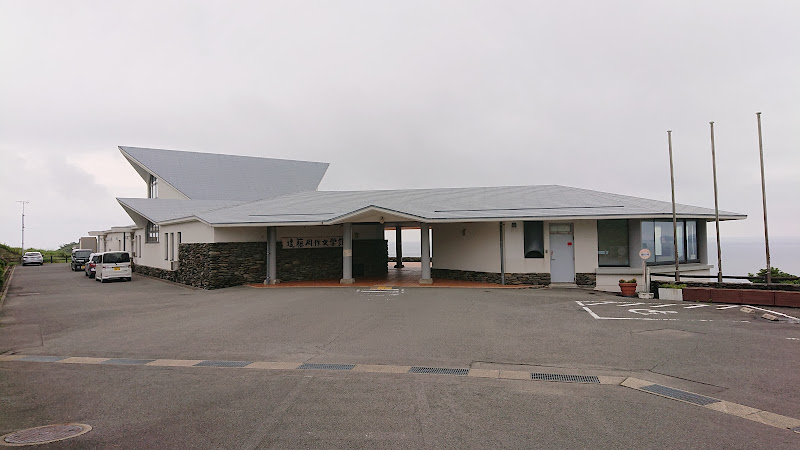
The Endo Shusaku Literary Museum is one of those places that quietly works its way under a traveler’s skin. It’s dedicated to Shūsaku Endō, one of Japan’s most influential novelists, best known for wrestling with faith, doubt, and moral compromise in a way that still feels uncomfortable and honest today. The museum sits by the sea, and that detail matters more than it sounds like it should. The view of the water is calm, almost gentle, which makes the emotional weight of Endō’s writing land a little harder. Or maybe softer. It depends on the day, and honestly, on you.
This is not a flashy museum, and that’s kind of the point. It focuses on Endō’s raw manuscripts, handwritten notes, personal belongings, and the slow evolution of his ideas. Visitors see crossed-out sentences, margins packed with anxious thoughts, and drafts that feel very human. For travelers who enjoy literature, or even those who just like peeking into how creative minds actually work (messily, with doubt), it’s fascinating. And yes, even if you haven’t read Silence or The Samurai, the museum does a decent job of guiding you through his life story.
The building itself blends into the surrounding landscape rather than competing with it. There’s glass, wood, and light, and a sense that someone thought carefully about how readers and thinkers might want to move through a space. From personal experience, it’s the kind of museum where you suddenly realize you’ve slowed down your walking pace without meaning to. And that’s rare, especially for travelers hopping from spot to spot.
Not every visitor walks out blown away, and that’s okay. Some people find it quiet to the point of austerity. Others wish for more interactive elements. But overall, the atmosphere encourages reflection, which feels appropriate given Endō’s lifelong struggle with belief, belonging, and cultural identity. It’s less about entertainment and more about sitting with difficult questions. And for many travelers, that’s exactly what makes it memorable.
Key Features
- Original handwritten manuscripts and drafts showing Endō’s writing process, mistakes and all
- Exhibits exploring major themes like faith, suffering, and cultural conflict
- Coastal setting with sea views that subtly echo the mood of Endō’s work
- Wheelchair accessible entrance, parking, and restrooms, making the space welcoming to all visitors
- A thoughtfully curated gift shop with books, prints, and literary souvenirs
- Quiet reading areas that encourage visitors to linger rather than rush
- Explanatory panels in clear language, helpful even if you’re new to Endō’s writing
Best Time to Visit
The best time to visit the Endo Shusaku Literary Museum is during spring and autumn, when the sea air is comfortable and the light feels just right inside the galleries. Spring brings soft brightness and a sense of renewal, while autumn adds a reflective tone that pairs nicely with Endō’s themes. Summer can be pleasant too, especially if you enjoy coastal breezes, though it can get a bit humid. Winter is quieter and colder, but for some travelers, that solitude actually enhances the experience.
Time of day matters more than you might expect. Late morning or early afternoon tends to be ideal. The light coming in from the windows feels intentional, almost like part of the exhibition. Early mornings are peaceful but sometimes feel a bit too hushed, while late afternoons can feel rushed if you’re watching the clock. If possible, give yourself at least 90 minutes. Less than that, and you might miss the emotional arc the exhibits are quietly building.
Weekdays are generally calmer than weekends. On weekends, you’ll see more local visitors and literature fans, which can add energy but also noise. If you’re the type who likes to stand in front of a manuscript and just think, weekdays are your friend. And yes, this is one of those museums where thinking is kind of the main activity.
How to Get There
Reaching the Endo Shusaku Literary Museum takes a bit of planning, but nothing dramatic. Most travelers arrive via public transportation combined with a short walk or taxi ride. The journey itself often feels like a gradual transition away from city noise and toward something calmer. That’s intentional, whether planned or not.
For those driving, on-site parking is available, which makes things easier if you’re exploring the area at your own pace. Roads leading to the museum are well maintained, though signage can be subtle, so paying attention helps. And yes, this is one of those times where trusting your navigation app fully might leave you second-guessing for a minute or two. Stick with it.
Accessibility is thoughtfully handled. Wheelchair accessible entrances, parking, and restrooms mean that travelers with mobility needs won’t feel like an afterthought. That’s something not all literary museums get right, so it’s worth noting.
Tips for Visiting
First tip: slow down. This isn’t a museum you rush through between lunch and the next attraction. Encourage yourself to read the panels, even if you usually skim. Endō’s life story unfolds in layers, and skipping ahead dulls the impact. When the museum gets quiet, which it often does, let that quiet sit with you. It’s not awkward. It’s intentional.
If you haven’t read Endō’s work before, consider reading a short summary of one novel beforehand. You don’t need to be an expert, but a bit of context makes the manuscripts feel alive rather than academic. I made the mistake once of going in cold, and while I still enjoyed it, I kept thinking, oh, that would’ve hit harder if I knew the story.
Photography rules are clearly posted, and it’s best to respect them. Some things are meant to be experienced rather than documented. And honestly, snapping photos of handwritten drafts doesn’t capture the emotional weight anyway.
The gift shop is small but surprisingly thoughtful. Instead of generic souvenirs, it focuses on literature-related items and quality editions of Endō’s work. If you’re a reader, this is where you’ll linger longer than planned. Budget an extra few minutes, and maybe a few extra yen.
There’s no restaurant on-site, so plan meals accordingly. That said, eating before or after the visit often feels right. Heavy food beforehand can dull your attention, at least in this writer’s experience. A light meal and a cup of coffee later works better, giving you space to digest what you’ve seen.
Finally, be okay with mixed feelings. Some travelers leave deeply moved. Others feel quietly unsettled. A few might even feel underwhelmed. All of those reactions are valid, and in a strange way, they echo the contradictions Endō explored his entire life. And that, more than anything, is what makes the Endo Shusaku Literary Museum worth a spot on your travel itinerary.
Key Features
- Original handwritten manuscripts and drafts showing Endō’s writing process, mistakes and all
- Exhibits exploring major themes like faith, suffering, and cultural conflict
- Coastal setting with sea views that subtly echo the mood of Endō’s work
- Wheelchair accessible entrance, parking, and restrooms, making the space welcoming to all visitors
- A thoughtfully curated gift shop with books, prints, and literary souvenirs
- Quiet reading areas that encourage visitors to linger rather than rush
- Explanatory panels in clear language, helpful even if you’re new to Endō’s writing
More Details
Updated January 1, 2026
Table of Contents
Description
The Endo Shusaku Literary Museum is one of those places that quietly works its way under a traveler’s skin. It’s dedicated to Shūsaku Endō, one of Japan’s most influential novelists, best known for wrestling with faith, doubt, and moral compromise in a way that still feels uncomfortable and honest today. The museum sits by the sea, and that detail matters more than it sounds like it should. The view of the water is calm, almost gentle, which makes the emotional weight of Endō’s writing land a little harder. Or maybe softer. It depends on the day, and honestly, on you.
This is not a flashy museum, and that’s kind of the point. It focuses on Endō’s raw manuscripts, handwritten notes, personal belongings, and the slow evolution of his ideas. Visitors see crossed-out sentences, margins packed with anxious thoughts, and drafts that feel very human. For travelers who enjoy literature, or even those who just like peeking into how creative minds actually work (messily, with doubt), it’s fascinating. And yes, even if you haven’t read Silence or The Samurai, the museum does a decent job of guiding you through his life story.
The building itself blends into the surrounding landscape rather than competing with it. There’s glass, wood, and light, and a sense that someone thought carefully about how readers and thinkers might want to move through a space. From personal experience, it’s the kind of museum where you suddenly realize you’ve slowed down your walking pace without meaning to. And that’s rare, especially for travelers hopping from spot to spot.
Not every visitor walks out blown away, and that’s okay. Some people find it quiet to the point of austerity. Others wish for more interactive elements. But overall, the atmosphere encourages reflection, which feels appropriate given Endō’s lifelong struggle with belief, belonging, and cultural identity. It’s less about entertainment and more about sitting with difficult questions. And for many travelers, that’s exactly what makes it memorable.
Key Features
- Original handwritten manuscripts and drafts showing Endō’s writing process, mistakes and all
- Exhibits exploring major themes like faith, suffering, and cultural conflict
- Coastal setting with sea views that subtly echo the mood of Endō’s work
- Wheelchair accessible entrance, parking, and restrooms, making the space welcoming to all visitors
- A thoughtfully curated gift shop with books, prints, and literary souvenirs
- Quiet reading areas that encourage visitors to linger rather than rush
- Explanatory panels in clear language, helpful even if you’re new to Endō’s writing
Best Time to Visit
The best time to visit the Endo Shusaku Literary Museum is during spring and autumn, when the sea air is comfortable and the light feels just right inside the galleries. Spring brings soft brightness and a sense of renewal, while autumn adds a reflective tone that pairs nicely with Endō’s themes. Summer can be pleasant too, especially if you enjoy coastal breezes, though it can get a bit humid. Winter is quieter and colder, but for some travelers, that solitude actually enhances the experience.
Time of day matters more than you might expect. Late morning or early afternoon tends to be ideal. The light coming in from the windows feels intentional, almost like part of the exhibition. Early mornings are peaceful but sometimes feel a bit too hushed, while late afternoons can feel rushed if you’re watching the clock. If possible, give yourself at least 90 minutes. Less than that, and you might miss the emotional arc the exhibits are quietly building.
Weekdays are generally calmer than weekends. On weekends, you’ll see more local visitors and literature fans, which can add energy but also noise. If you’re the type who likes to stand in front of a manuscript and just think, weekdays are your friend. And yes, this is one of those museums where thinking is kind of the main activity.
How to Get There
Reaching the Endo Shusaku Literary Museum takes a bit of planning, but nothing dramatic. Most travelers arrive via public transportation combined with a short walk or taxi ride. The journey itself often feels like a gradual transition away from city noise and toward something calmer. That’s intentional, whether planned or not.
For those driving, on-site parking is available, which makes things easier if you’re exploring the area at your own pace. Roads leading to the museum are well maintained, though signage can be subtle, so paying attention helps. And yes, this is one of those times where trusting your navigation app fully might leave you second-guessing for a minute or two. Stick with it.
Accessibility is thoughtfully handled. Wheelchair accessible entrances, parking, and restrooms mean that travelers with mobility needs won’t feel like an afterthought. That’s something not all literary museums get right, so it’s worth noting.
Tips for Visiting
First tip: slow down. This isn’t a museum you rush through between lunch and the next attraction. Encourage yourself to read the panels, even if you usually skim. Endō’s life story unfolds in layers, and skipping ahead dulls the impact. When the museum gets quiet, which it often does, let that quiet sit with you. It’s not awkward. It’s intentional.
If you haven’t read Endō’s work before, consider reading a short summary of one novel beforehand. You don’t need to be an expert, but a bit of context makes the manuscripts feel alive rather than academic. I made the mistake once of going in cold, and while I still enjoyed it, I kept thinking, oh, that would’ve hit harder if I knew the story.
Photography rules are clearly posted, and it’s best to respect them. Some things are meant to be experienced rather than documented. And honestly, snapping photos of handwritten drafts doesn’t capture the emotional weight anyway.
The gift shop is small but surprisingly thoughtful. Instead of generic souvenirs, it focuses on literature-related items and quality editions of Endō’s work. If you’re a reader, this is where you’ll linger longer than planned. Budget an extra few minutes, and maybe a few extra yen.
There’s no restaurant on-site, so plan meals accordingly. That said, eating before or after the visit often feels right. Heavy food beforehand can dull your attention, at least in this writer’s experience. A light meal and a cup of coffee later works better, giving you space to digest what you’ve seen.
Finally, be okay with mixed feelings. Some travelers leave deeply moved. Others feel quietly unsettled. A few might even feel underwhelmed. All of those reactions are valid, and in a strange way, they echo the contradictions Endō explored his entire life. And that, more than anything, is what makes the Endo Shusaku Literary Museum worth a spot on your travel itinerary.

Key Highlights
- Original handwritten manuscripts and drafts showing Endō’s writing process, mistakes and all
- Exhibits exploring major themes like faith, suffering, and cultural conflict
- Coastal setting with sea views that subtly echo the mood of Endō’s work
- Wheelchair accessible entrance, parking, and restrooms, making the space welcoming to all visitors
- A thoughtfully curated gift shop with books, prints, and literary souvenirs
- Quiet reading areas that encourage visitors to linger rather than rush
- Explanatory panels in clear language, helpful even if you’re new to Endō’s writing
Location
Places to Stay Near Endo Shusaku Literary Museum
Find and Book a Tour
Explore More Travel Guides
No reviews found! Be the first to review!
Traveler Reviews for Endo Shusaku Literary Museum
There are no reviews yet. Be the first one to write one.
Have you visited Endo Shusaku Literary Museum? Help other travelers by sharing your review.
Find Accommodations Nearby
Recommended Tours & Activities
Visitor Reviews
There are no reviews yet. Be the first one to write one.
Share Your Experience
Have you visited Endo Shusaku Literary Museum? Help other travelers by leaving a review.