About Nagasaki Prefectural Art Museum

If you’re the kind of traveler who likes art but doesn’t want to feel lectured at, the Nagasaki Prefectural Art Museum usually hits the sweet spot. It’s modern without being cold, thoughtful without being heavy-handed. And honestly, it’s one of those places where even people who say “I’m not really into museums” end up staying longer than planned. I’ve watched that happen more than once. You wander in for an hour, next thing you know it’s mid-afternoon and you’re debating coffee versus another gallery.

Description

The Nagasaki Prefectural Art Museum is known for its strong focus on modern art from Nagasaki and Spain, which at first might sound like an odd pairing. But once you’re inside, it weirdly makes sense. Nagasaki has a long history of international exchange, and Spain has had deep cultural ties with Japan through religion, trade, and art. This museum leans into that story quietly, without shouting it from the walls.

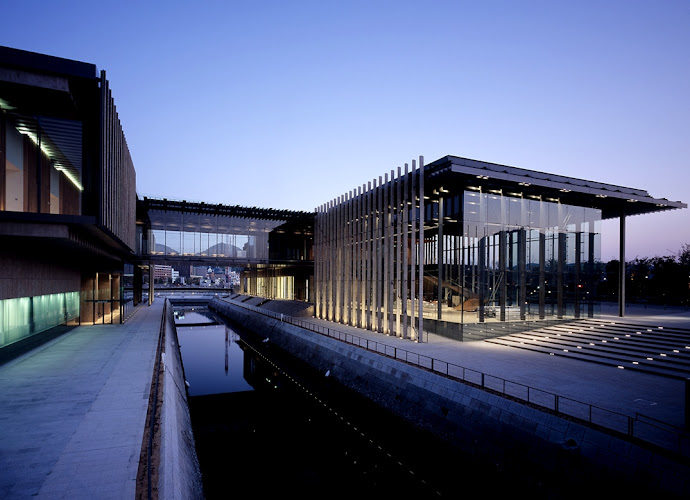
The building itself, designed by architect Kengo Kuma, is a big part of the experience. It’s sleek but not intimidating, with lots of glass and clean lines. The museum sits beside a canal, and on sunny days the reflections off the water bounce into the galleries. That natural light changes the mood of the artwork throughout the day, which I find kind of magical. And yes, I’m the type who notices stuff like that and then tells my travel companion way too much about it.

Inside, the permanent collection highlights modern Nagasaki artists, many of whom grapple with themes like memory, peace, and identity. Some pieces are subtle and quiet. Others are bold and unsettling. The Spanish art collection, which includes works influenced by Catholic imagery and European modernism, adds contrast and depth. You don’t need an art history degree to enjoy it, but if you have one, you’ll probably geek out a little.

One of the most underrated aspects is how approachable the museum feels. The layout is intuitive. You don’t get lost or overwhelmed. There are benches where you actually want to sit down. And there’s a rooftop garden that feels more like a pause button than a sightseeing stop. I once went up there just to rest my feet and ended up watching the sky change colors for 20 minutes. No regrets.

Key Features

  • Striking contemporary architecture by Kengo Kuma with extensive glass walls
  • Permanent collection focused on modern Nagasaki art and Spanish works
  • Rotating special exhibitions that change several times a year
  • Rooftop garden with views over the canal and city skyline
  • Family-friendly layout with space for kids to move without chaos
  • Wheelchair accessible entrance, restrooms, parking, and rental options
  • Onsite restaurant and café for a proper sit-down break
  • Calm atmosphere that doesn’t feel rushed or overly curated

What stands out to me most is how the museum balances seriousness with comfort. It respects the art, sure, but it also respects the visitor. You’re not pushed through gift shops or forced into one narrative. You’re allowed to wander, double back, skip things. That freedom matters, especially when you’re traveling and already overstimulated.

Best Time to Visit

The museum is enjoyable year-round, but timing can really shape your experience. Late morning on a weekday is usually ideal. You’ll avoid school groups and weekend crowds, and the light through the glass walls is soft and even. I’m biased, but I think art looks better before lunch. Your brain’s fresher, your feet don’t hurt yet, and you’re not thinking about dinner plans.

Spring and autumn are especially pleasant. In spring, the rooftop garden feels alive, and you might catch cherry blossoms nearby. In autumn, the air is crisp, and the museum’s clean lines contrast nicely with the changing colors outside. Summer can be hot, but the museum’s climate control makes it a comfortable escape. And honestly, ducking into a cool art museum during a humid Nagasaki afternoon feels like a life hack.

Weekends are busier, no surprise there. Families, couples, domestic travelers. It doesn’t get chaotic, but the quiet vibe is a little harder to find. If you’re sensitive to noise or like to stand in front of one painting for ten minutes (no judgment, I do that too), aim for weekdays.

How to Get There

Getting to the Nagasaki Prefectural Art Museum is refreshingly easy, especially compared to some attractions that require multiple transfers and a mild sense of panic. The museum is well connected by public transportation, and walking from nearby tram stops is straightforward. Even if you’re directionally challenged, the signage in the area is clear enough to keep you out of trouble.

If you’re staying in central Nagasaki, walking is a solid option. The route takes you through pleasant city scenery, and you’ll likely pass cafés and small shops along the way. I usually recommend walking if the weather’s decent, because the approach to the museum sets the tone. You slow down, you notice things, you arrive in the right headspace.

Taxis are also widely available and reasonably priced for short distances. If you’re traveling with kids, luggage, or just feeling lazy (hey, it happens), that might be your best bet. The museum has wheelchair accessible parking and entrances, which makes arrival smoother for visitors with mobility needs.

Tips for Visiting

First tip: don’t rush. This isn’t a check-the-box attraction. Plan at least two hours, more if there’s a special exhibition. I’ve seen people breeze through in 45 minutes and leave saying it was “nice.” Nice is code for missed potential.

If you’re traveling with children, the museum is surprisingly accommodating. There are changing tables, open spaces, and staff who don’t freak out if a kid asks loud questions about abstract art. Encourage curiosity. Let them react honestly. Sometimes their interpretations are better than the wall text.

Photography rules vary by exhibition, so pay attention to signage. And don’t be that person who pretends not to see it. The staff are polite but firm. Ask if you’re unsure. It’s better than getting the polite-but-deadly Japanese side-eye.

The onsite restaurant is worth considering, especially if you want to keep the reflective mood going. It’s not fast food, and it’s not cheap-cheap, but the quality is solid. I like ending a visit with coffee there, flipping through photos on my phone, and quietly judging which artworks stuck with me.

Another thing people don’t always realize: the museum shop is actually curated well. It’s not just postcards and magnets. You’ll find art books, thoughtful souvenirs, and design items that feel connected to the exhibitions. If you’re going to buy something, this is a better place than the airport.

Finally, give yourself permission to feel whatever you feel. Some artworks tied to Nagasaki’s history can be heavy. Others are playful or confusing. You don’t have to “get” everything. Art museums aren’t exams. They’re conversations, and sometimes you just listen.

All in all, the Nagasaki Prefectural Art Museum isn’t flashy in a loud way. It doesn’t try to impress you with size or gimmicks. Instead, it wins you over slowly. And maybe that’s why it stays with people. Long after you’ve left Nagasaki, you might find yourself remembering the light through the glass, the quiet hum of the galleries, and that one artwork you can’t quite explain but still think about. That’s a good museum, if you ask me.

Key Features

  • Striking contemporary architecture by Kengo Kuma with extensive glass walls
  • Permanent collection focused on modern Nagasaki art and Spanish works
  • Rotating special exhibitions that change several times a year
  • Rooftop garden with views over the canal and city skyline
  • Family-friendly layout with space for kids to move without chaos
  • Wheelchair accessible entrance, restrooms, parking, and rental options
  • Onsite restaurant and café for a proper sit-down break
  • Calm atmosphere that doesn’t feel rushed or overly curated

More Details

Updated December 31, 2025

If you’re the kind of traveler who likes art but doesn’t want to feel lectured at, the Nagasaki Prefectural Art Museum usually hits the sweet spot. It’s modern without being cold, thoughtful without being heavy-handed. And honestly, it’s one of those places where even people who say “I’m not really into museums” end up staying longer than planned. I’ve watched that happen more than once. You wander in for an hour, next thing you know it’s mid-afternoon and you’re debating coffee versus another gallery.

Description

The Nagasaki Prefectural Art Museum is known for its strong focus on modern art from Nagasaki and Spain, which at first might sound like an odd pairing. But once you’re inside, it weirdly makes sense. Nagasaki has a long history of international exchange, and Spain has had deep cultural ties with Japan through religion, trade, and art. This museum leans into that story quietly, without shouting it from the walls.

The building itself, designed by architect Kengo Kuma, is a big part of the experience. It’s sleek but not intimidating, with lots of glass and clean lines. The museum sits beside a canal, and on sunny days the reflections off the water bounce into the galleries. That natural light changes the mood of the artwork throughout the day, which I find kind of magical. And yes, I’m the type who notices stuff like that and then tells my travel companion way too much about it.

Inside, the permanent collection highlights modern Nagasaki artists, many of whom grapple with themes like memory, peace, and identity. Some pieces are subtle and quiet. Others are bold and unsettling. The Spanish art collection, which includes works influenced by Catholic imagery and European modernism, adds contrast and depth. You don’t need an art history degree to enjoy it, but if you have one, you’ll probably geek out a little.

One of the most underrated aspects is how approachable the museum feels. The layout is intuitive. You don’t get lost or overwhelmed. There are benches where you actually want to sit down. And there’s a rooftop garden that feels more like a pause button than a sightseeing stop. I once went up there just to rest my feet and ended up watching the sky change colors for 20 minutes. No regrets.

Key Features

  • Striking contemporary architecture by Kengo Kuma with extensive glass walls
  • Permanent collection focused on modern Nagasaki art and Spanish works
  • Rotating special exhibitions that change several times a year
  • Rooftop garden with views over the canal and city skyline
  • Family-friendly layout with space for kids to move without chaos
  • Wheelchair accessible entrance, restrooms, parking, and rental options
  • Onsite restaurant and café for a proper sit-down break
  • Calm atmosphere that doesn’t feel rushed or overly curated

What stands out to me most is how the museum balances seriousness with comfort. It respects the art, sure, but it also respects the visitor. You’re not pushed through gift shops or forced into one narrative. You’re allowed to wander, double back, skip things. That freedom matters, especially when you’re traveling and already overstimulated.

Best Time to Visit

The museum is enjoyable year-round, but timing can really shape your experience. Late morning on a weekday is usually ideal. You’ll avoid school groups and weekend crowds, and the light through the glass walls is soft and even. I’m biased, but I think art looks better before lunch. Your brain’s fresher, your feet don’t hurt yet, and you’re not thinking about dinner plans.

Spring and autumn are especially pleasant. In spring, the rooftop garden feels alive, and you might catch cherry blossoms nearby. In autumn, the air is crisp, and the museum’s clean lines contrast nicely with the changing colors outside. Summer can be hot, but the museum’s climate control makes it a comfortable escape. And honestly, ducking into a cool art museum during a humid Nagasaki afternoon feels like a life hack.

Weekends are busier, no surprise there. Families, couples, domestic travelers. It doesn’t get chaotic, but the quiet vibe is a little harder to find. If you’re sensitive to noise or like to stand in front of one painting for ten minutes (no judgment, I do that too), aim for weekdays.

How to Get There

Getting to the Nagasaki Prefectural Art Museum is refreshingly easy, especially compared to some attractions that require multiple transfers and a mild sense of panic. The museum is well connected by public transportation, and walking from nearby tram stops is straightforward. Even if you’re directionally challenged, the signage in the area is clear enough to keep you out of trouble.

If you’re staying in central Nagasaki, walking is a solid option. The route takes you through pleasant city scenery, and you’ll likely pass cafés and small shops along the way. I usually recommend walking if the weather’s decent, because the approach to the museum sets the tone. You slow down, you notice things, you arrive in the right headspace.

Taxis are also widely available and reasonably priced for short distances. If you’re traveling with kids, luggage, or just feeling lazy (hey, it happens), that might be your best bet. The museum has wheelchair accessible parking and entrances, which makes arrival smoother for visitors with mobility needs.

Tips for Visiting

First tip: don’t rush. This isn’t a check-the-box attraction. Plan at least two hours, more if there’s a special exhibition. I’ve seen people breeze through in 45 minutes and leave saying it was “nice.” Nice is code for missed potential.

If you’re traveling with children, the museum is surprisingly accommodating. There are changing tables, open spaces, and staff who don’t freak out if a kid asks loud questions about abstract art. Encourage curiosity. Let them react honestly. Sometimes their interpretations are better than the wall text.

Photography rules vary by exhibition, so pay attention to signage. And don’t be that person who pretends not to see it. The staff are polite but firm. Ask if you’re unsure. It’s better than getting the polite-but-deadly Japanese side-eye.

The onsite restaurant is worth considering, especially if you want to keep the reflective mood going. It’s not fast food, and it’s not cheap-cheap, but the quality is solid. I like ending a visit with coffee there, flipping through photos on my phone, and quietly judging which artworks stuck with me.

Another thing people don’t always realize: the museum shop is actually curated well. It’s not just postcards and magnets. You’ll find art books, thoughtful souvenirs, and design items that feel connected to the exhibitions. If you’re going to buy something, this is a better place than the airport.

Finally, give yourself permission to feel whatever you feel. Some artworks tied to Nagasaki’s history can be heavy. Others are playful or confusing. You don’t have to “get” everything. Art museums aren’t exams. They’re conversations, and sometimes you just listen.

All in all, the Nagasaki Prefectural Art Museum isn’t flashy in a loud way. It doesn’t try to impress you with size or gimmicks. Instead, it wins you over slowly. And maybe that’s why it stays with people. Long after you’ve left Nagasaki, you might find yourself remembering the light through the glass, the quiet hum of the galleries, and that one artwork you can’t quite explain but still think about. That’s a good museum, if you ask me.

Key Highlights

  • Striking contemporary architecture by Kengo Kuma with extensive glass walls
  • Permanent collection focused on modern Nagasaki art and Spanish works
  • Rotating special exhibitions that change several times a year
  • Rooftop garden with views over the canal and city skyline
  • Family-friendly layout with space for kids to move without chaos
  • Wheelchair accessible entrance, restrooms, parking, and rental options
  • Onsite restaurant and café for a proper sit-down break
  • Calm atmosphere that doesn’t feel rushed or overly curated

Location

Places to Stay Near Nagasaki Prefectural Art Museum

Find and Book a Tour

Explore More Travel Guides

No reviews found! Be the first to review!

Traveler Reviews for Nagasaki Prefectural Art Museum

There are no reviews yet. Be the first one to write one.

Share Your Experience

Have you visited Nagasaki Prefectural Art Museum? Help other travelers by sharing your review.

Find Accommodations Nearby

Recommended Tours & Activities

Visitor Reviews

There are no reviews yet. Be the first one to write one.

Share Your Experience

Have you visited Nagasaki Prefectural Art Museum? Help other travelers by leaving a review.