
Tapestry Museum
About Tapestry Museum
Description
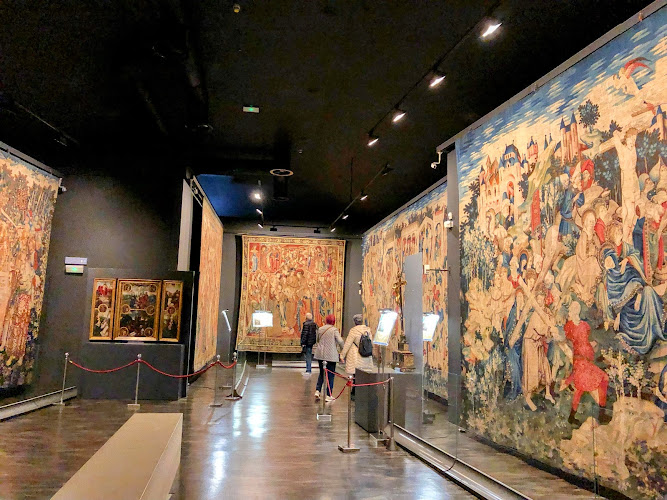
The Tapestry Museum in Zaragoza is one of those places that quietly surprises you. It’s tucked inside the cathedral complex, yet it feels like a world of its own—where centuries of craftsmanship hang in silent conversation. Stepping into the museum feels like walking back through time, surrounded by the intricate weaves of Flemish tapestries from the 15th to 17th centuries. These aren’t just decorative pieces; they’re stories stitched in silk and wool, each thread carrying whispers of history, faith, and artistry.
What I love most about this museum is how it doesn’t overwhelm you with endless displays. Instead, it invites you to slow down. You’ll find yourself leaning closer to admire the detail—the delicate shading, the almost painterly transitions between color tones, the symbolism that medieval artists hid in plain sight. Some visitors might come expecting something grand or modern, but the real magic here lies in its quiet dignity.
The museum’s atmosphere feels almost sacred. The lighting is soft, deliberately dimmed to protect the centuries-old fabrics, giving the rooms a calm, reflective mood. And honestly, there’s something grounding about standing before a tapestry that has survived wars, regimes, and restorations. It’s humbling. You can almost feel the patience of the artisans who spent years completing a single piece.
While it’s not a massive museum, it’s deeply enriching. The collection is meticulously curated, focusing on quality over quantity. The staff are friendly and knowledgeable, always ready to share a small detail you might have missed—like how certain threads were dyed using crushed insects or how the weavers embedded subtle political messages into their work. It’s these little insights that make the visit feel personal, almost intimate.
Key Features
- Rare Flemish tapestries dating from the 15th to 17th centuries, preserved in remarkable condition.
- Exhibition halls integrated within the cathedral complex, blending art and architecture seamlessly.
- Wheelchair-accessible entrance for visitors with mobility needs.
- Restrooms available on-site for convenience.
- Child-friendly environment—kids often enjoy spotting hidden figures in the tapestries.
- Knowledgeable staff who provide historical context and fascinating background stories.
- Quiet, contemplative atmosphere ideal for art lovers and history enthusiasts alike.
One small thing to note—there’s no restaurant inside, so it’s worth grabbing a bite nearby before or after your visit. But honestly, that’s part of the charm. It encourages you to wander around the old town afterward, maybe stop for a coffee and let what you’ve seen sink in.
Best Time to Visit
If you ask me, the best time to visit the Tapestry Museum is during the quieter months—late spring or early autumn. The weather in Zaragoza is mild then, and the crowds are manageable. I once visited in early May, and I remember how peaceful it was; I could linger in front of each tapestry without feeling rushed.
Summer can be quite warm, and while the museum’s interior stays pleasantly cool, the streets outside can get hot enough to make you wish for a siesta. Winter visits are also worthwhile, especially if you enjoy having more space to yourself. The subdued light of a winter afternoon actually complements the tapestries beautifully, bringing out their deeper hues.
If you’re into photography, mornings offer the best natural light filtering through the cathedral windows. Just remember—flash photography isn’t allowed, which makes sense considering the age of the textiles.
How to Get There
Reaching the Tapestry Museum is relatively easy since it’s located in the historic heart of Zaragoza. If you’re staying nearby, you can simply walk—it’s part of the city’s old quarter, and strolling through those winding streets is half the fun. For those coming from farther away, public transport is your best bet. Local buses stop close to the area, and taxis are readily available.
If you’re driving, parking can be tricky. The old town isn’t exactly car-friendly, and finding a spot nearby might take patience. Personally, I prefer using public transport or walking from a nearby hotel. It saves the hassle and lets you take in the atmosphere of the city’s cobblestone lanes and charming plazas.
For travelers arriving by train, Zaragoza’s main station connects easily to the city center. From there, a short taxi ride or a 20-minute bus journey will get you to the museum. It’s quite straightforward once you get your bearings.
Tips for Visiting
Here’s a bit of advice from someone who’s been there a few times. First, take your time. The museum isn’t large, but every piece deserves attention. Don’t rush through—it’s not that kind of place. I once spent nearly an hour in front of a single tapestry depicting a biblical scene just trying to catch every little detail.
Second, bring a light sweater. The rooms are temperature-controlled to preserve the textiles, and it can feel a bit cool inside, especially if you’re coming in from the Spanish sun.
If you’re traveling with kids, turn the visit into a bit of a treasure hunt. Challenge them to find animals or hidden symbols in the tapestries—it keeps them engaged and makes the experience more interactive.
Accessibility-wise, the entrance is wheelchair-friendly, which is great, though parking nearby might be limited. So, plan ahead if you’re driving or need special accommodations.
Lastly, don’t skip the small gift area near the exit. They often have beautiful reproductions and postcards that make for meaningful souvenirs. I still have one framed on my desk—a tiny reminder of the artistry I witnessed.
And maybe this is just me, but after visiting, I always feel a renewed appreciation for handmade things. In a world where everything’s mass-produced, these tapestries remind us of the value of patience and skill. They’re not just museum pieces—they’re testaments to human creativity that have stood the test of time.
So, if you find yourself exploring Zaragoza, carve out an hour or two for the Tapestry Museum. It’s not flashy, but it’s unforgettable. And who knows—you might walk out seeing fabric, color, and craftsmanship in a whole new way.
Key Features
- Rare Flemish tapestries dating from the 15th to 17th centuries, preserved in remarkable condition.
- Exhibition halls integrated within the cathedral complex, blending art and architecture seamlessly.
- Wheelchair-accessible entrance for visitors with mobility needs.
- Restrooms available on-site for convenience.
- Child-friendly environment—kids often enjoy spotting hidden figures in the tapestries.
- Knowledgeable staff who provide historical context and fascinating background stories.
- Quiet, contemplative atmosphere ideal for art lovers and history enthusiasts alike.
More Details
Updated November 6, 2025
Table of Contents
Description
The Tapestry Museum in Zaragoza is one of those places that quietly surprises you. It’s tucked inside the cathedral complex, yet it feels like a world of its own—where centuries of craftsmanship hang in silent conversation. Stepping into the museum feels like walking back through time, surrounded by the intricate weaves of Flemish tapestries from the 15th to 17th centuries. These aren’t just decorative pieces; they’re stories stitched in silk and wool, each thread carrying whispers of history, faith, and artistry.
What I love most about this museum is how it doesn’t overwhelm you with endless displays. Instead, it invites you to slow down. You’ll find yourself leaning closer to admire the detail—the delicate shading, the almost painterly transitions between color tones, the symbolism that medieval artists hid in plain sight. Some visitors might come expecting something grand or modern, but the real magic here lies in its quiet dignity.
The museum’s atmosphere feels almost sacred. The lighting is soft, deliberately dimmed to protect the centuries-old fabrics, giving the rooms a calm, reflective mood. And honestly, there’s something grounding about standing before a tapestry that has survived wars, regimes, and restorations. It’s humbling. You can almost feel the patience of the artisans who spent years completing a single piece.
While it’s not a massive museum, it’s deeply enriching. The collection is meticulously curated, focusing on quality over quantity. The staff are friendly and knowledgeable, always ready to share a small detail you might have missed—like how certain threads were dyed using crushed insects or how the weavers embedded subtle political messages into their work. It’s these little insights that make the visit feel personal, almost intimate.
Key Features
- Rare Flemish tapestries dating from the 15th to 17th centuries, preserved in remarkable condition.
- Exhibition halls integrated within the cathedral complex, blending art and architecture seamlessly.
- Wheelchair-accessible entrance for visitors with mobility needs.
- Restrooms available on-site for convenience.
- Child-friendly environment—kids often enjoy spotting hidden figures in the tapestries.
- Knowledgeable staff who provide historical context and fascinating background stories.
- Quiet, contemplative atmosphere ideal for art lovers and history enthusiasts alike.
One small thing to note—there’s no restaurant inside, so it’s worth grabbing a bite nearby before or after your visit. But honestly, that’s part of the charm. It encourages you to wander around the old town afterward, maybe stop for a coffee and let what you’ve seen sink in.
Best Time to Visit
If you ask me, the best time to visit the Tapestry Museum is during the quieter months—late spring or early autumn. The weather in Zaragoza is mild then, and the crowds are manageable. I once visited in early May, and I remember how peaceful it was; I could linger in front of each tapestry without feeling rushed.
Summer can be quite warm, and while the museum’s interior stays pleasantly cool, the streets outside can get hot enough to make you wish for a siesta. Winter visits are also worthwhile, especially if you enjoy having more space to yourself. The subdued light of a winter afternoon actually complements the tapestries beautifully, bringing out their deeper hues.
If you’re into photography, mornings offer the best natural light filtering through the cathedral windows. Just remember—flash photography isn’t allowed, which makes sense considering the age of the textiles.
How to Get There
Reaching the Tapestry Museum is relatively easy since it’s located in the historic heart of Zaragoza. If you’re staying nearby, you can simply walk—it’s part of the city’s old quarter, and strolling through those winding streets is half the fun. For those coming from farther away, public transport is your best bet. Local buses stop close to the area, and taxis are readily available.
If you’re driving, parking can be tricky. The old town isn’t exactly car-friendly, and finding a spot nearby might take patience. Personally, I prefer using public transport or walking from a nearby hotel. It saves the hassle and lets you take in the atmosphere of the city’s cobblestone lanes and charming plazas.
For travelers arriving by train, Zaragoza’s main station connects easily to the city center. From there, a short taxi ride or a 20-minute bus journey will get you to the museum. It’s quite straightforward once you get your bearings.
Tips for Visiting
Here’s a bit of advice from someone who’s been there a few times. First, take your time. The museum isn’t large, but every piece deserves attention. Don’t rush through—it’s not that kind of place. I once spent nearly an hour in front of a single tapestry depicting a biblical scene just trying to catch every little detail.
Second, bring a light sweater. The rooms are temperature-controlled to preserve the textiles, and it can feel a bit cool inside, especially if you’re coming in from the Spanish sun.
If you’re traveling with kids, turn the visit into a bit of a treasure hunt. Challenge them to find animals or hidden symbols in the tapestries—it keeps them engaged and makes the experience more interactive.
Accessibility-wise, the entrance is wheelchair-friendly, which is great, though parking nearby might be limited. So, plan ahead if you’re driving or need special accommodations.
Lastly, don’t skip the small gift area near the exit. They often have beautiful reproductions and postcards that make for meaningful souvenirs. I still have one framed on my desk—a tiny reminder of the artistry I witnessed.
And maybe this is just me, but after visiting, I always feel a renewed appreciation for handmade things. In a world where everything’s mass-produced, these tapestries remind us of the value of patience and skill. They’re not just museum pieces—they’re testaments to human creativity that have stood the test of time.
So, if you find yourself exploring Zaragoza, carve out an hour or two for the Tapestry Museum. It’s not flashy, but it’s unforgettable. And who knows—you might walk out seeing fabric, color, and craftsmanship in a whole new way.
Key Highlights
- Rare Flemish tapestries dating from the 15th to 17th centuries, preserved in remarkable condition.
- Exhibition halls integrated within the cathedral complex, blending art and architecture seamlessly.
- Wheelchair-accessible entrance for visitors with mobility needs.
- Restrooms available on-site for convenience.
- Child-friendly environment—kids often enjoy spotting hidden figures in the tapestries.
- Knowledgeable staff who provide historical context and fascinating background stories.
- Quiet, contemplative atmosphere ideal for art lovers and history enthusiasts alike.
Location
Places to Stay Near Tapestry Museum
Find and Book a Tour
Explore More Travel Guides
No reviews found! Be the first to review!
Traveler Reviews for Tapestry Museum
There are no reviews yet. Be the first one to write one.
Have you visited Tapestry Museum? Help other travelers by sharing your review.
You Might Also Like

Alma Mater Museum
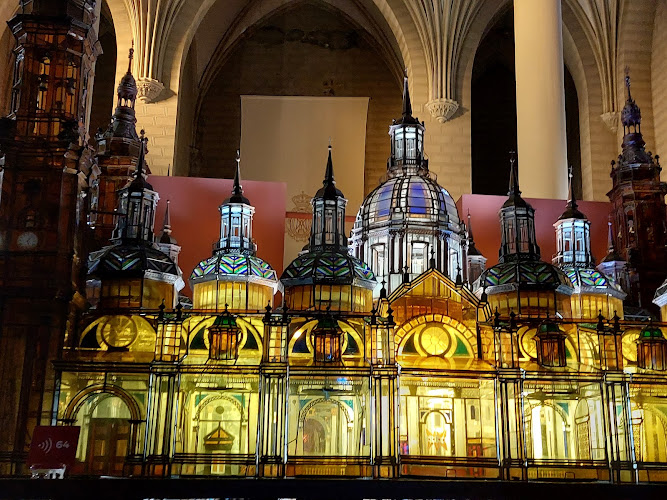
Museum of Lanterns and Crystal Rosaries
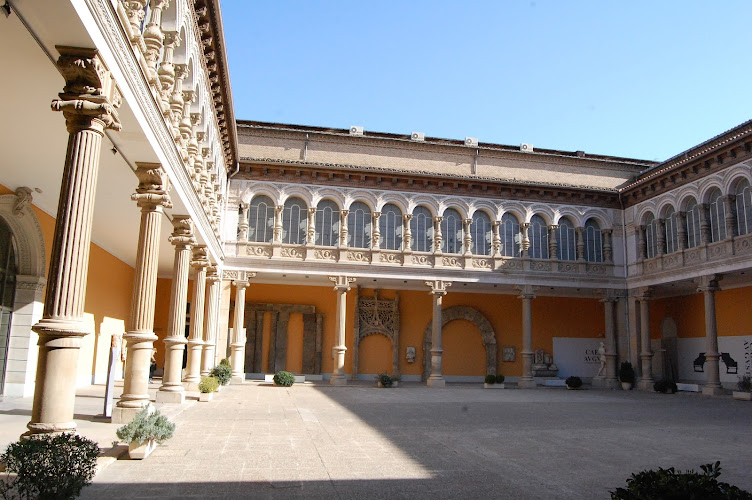
Zaragoza Museum
Find Accommodations Nearby
Recommended Tours & Activities
Visitor Reviews
There are no reviews yet. Be the first one to write one.
Share Your Experience
Have you visited Tapestry Museum? Help other travelers by leaving a review.