
Museum of Lanterns and Crystal Rosaries
About Museum of Lanterns and Crystal Rosaries
Description
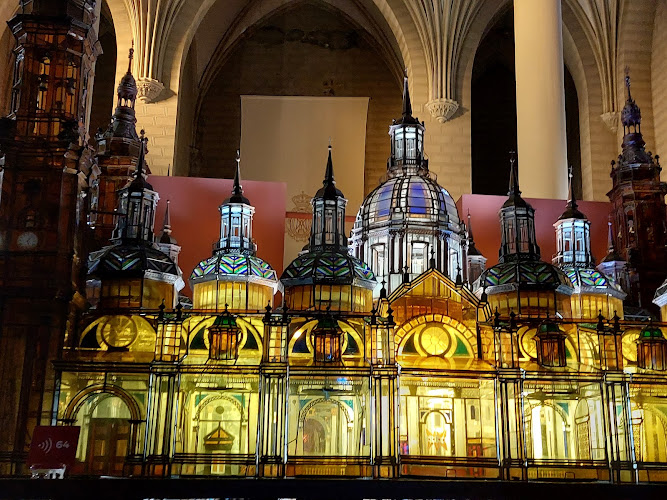
The Museum of Lanterns and Crystal Rosaries is one of those Zaragoza surprises that sneaks up on travelers. It looks like a quiet church from the outside, then opens into a shimmering world of stained-glass lanterns and gleaming glass floats. Locals know it as the Museo de los Faroles y Rosario de Cristal, the home of the city’s unique nighttime Crystal Rosary procession dating back to 1889. Inside, the museum showcases the hand-built lanterns and monumental floats—think elaborate glass-carved scenes, gilded frames, and glowing colors—that process through the old town every October 13 during the Fiestas del Pilar.
He sees it as a time capsule of Aragonese craftsmanship and community. Each lantern and float represents a decade, a mystery, a litany, or a Marian title, crafted with a level of patience that makes you slow down whether you planned to or not. Some are small, devotional pieces; others are large, wheeled glass carriages that look like they rolled out of a dream. The storytelling is visual: the Joyful, Sorrowful, Glorious, and Luminous mysteries, translated into a parade of color and light. You don’t need to be religious to appreciate what’s going on here; you just need eyes and a bit of quiet.
On a recent visit, he stepped in from the dry Zaragoza air and felt that “church hush,” then noticed his vision adjusting to the glow. The stained-glass lanterns—made of glass rather than paper or metal—give off this particular warmth even when unlit. It’s museum-lighting magic, the kind that hints at how these pieces come alive at night. And here’s a small detail many visitors miss: the museum doesn’t just line things up like a store window. It curates the procession’s full narrative arc. The route is cohesive and surprisingly emotional, explaining how the Brotherhood and the city built and still care for these precious handcrafts, many funded by citizens across generations.
Travelers often ask how long it takes. Plan 30 to 60 minutes if you’re skimming and snapping photos, closer to 75 minutes if you listen to the audio tour and read the displays. The space is not massive, but it’s dense with detail—the sort of museum where your second lap reveals symbols you breezed past the first time. Most visitors leave impressed by the artistry and by the way the museum preserves living tradition. Some do mention practical snags: limited opening hours outside peak seasons, modest space, and not many on-site amenities. That said, the heart of the visit—the lanterns themselves—usually steals the show.
If you’re new to Zaragoza, a quick primer helps. The city is famous for the Basilica of Our Lady of the Pillar (Nuestra Señora del Pilar), Goya’s legacy, strong Roman roots, and the cierzo wind that barrels down the Ebro valley and wakes you up better than coffee. The Crystal Rosary fits right into that picture: civic pride and artistry, united in a procession of light. During the Fiestas del Pilar, the nocturnal procession of lanterns—hundreds of small lanterns and roughly a dozen-plus glass floats—rolls through the historic center. The museum preserves that spectacle year-round and, frankly, makes it easier to admire up-close the things you only glimpse from a curb on a crowded October night.
Key Features
- Stained-glass lanterns and glass floats: A rare collection of lanterns made of stained glass, including monumental floats that make up the Crystal Rosary procession. The craftsmanship is intricate, with symbolism woven into every panel and frame.
- The story of 1889 to today: Clear displays explain how the Rosario de Cristal in Zaragoza began in 1889 and evolved, showing how the brotherhood and the city keep the tradition alive each October 13.
- Audio tour available: An audio guide helps decode the symbolism and history. It’s especially helpful if signage feels dense or if you prefer a paced, narrative experience.
- Museum inside a church: The collection is housed within a historic church space, which adds atmosphere and context. The setting elevates the exhibits from “objects in cases” to “devotions with a pulse.”
- Processional narrative: Exhibits are arranged to reflect how the Crystal Rosary procession works—decades, mysteries, and litanies—so you understand the logic and order of the night parade.
- Photography-friendly (usually without flash): While policies can change, non-flash photography is generally acceptable; watch for signs and staff guidance.
- Near major sights: Minutes on foot from other headline attractions like the Basilica del Pilar, La Seo (Cathedral of the Savior), and the Roman Forum—ideal for a compact old-town itinerary.
- Accessibility basics: Wheelchair-accessible entrance and nearby accessible parking; however, there’s no accessible restroom or designated accessible seating areas inside, and no assistive hearing loop.
- Cultural and religious heritage: Even if you’re not attending the Crystal Rosary procession, the museum provides a deep dive into Zaragoza’s devotional art, civic identity, and glasswork tradition.
- Family appeal: Kids tend to be mesmerized by the glow and detail of the lanterns, but keep little hands close—many pieces are delicate and low to the ground.
Best Time to Visit
Two recommendations, depending on your travel style. If you want quiet contemplation, go in shoulder seasons—April to June, or late September to early November—when Zaragoza weather is mild and the city’s rhythms are easy. Aim for midweek afternoons to avoid tour groups. If you’re chasing the full cultural moment, plan around October 12–13 for the Fiestas del Pilar and the Crystal Rosary procession on the evening of October 13. Crowd levels spike, but the atmosphere is electric—this is when the museum’s treasures come to life on the streets.
Summer afternoons can get hot and a tad sleepy in Zaragoza; if that’s your window, pair an earlier morning of sightseeing with a late-afternoon or early-evening museum visit. Winter brings crisp air (and the cierzo wind can make it feel colder), but museum interiors are calm and uncrowded. One practical note: opening hours can be limited outside peak periods, and schedules may tilt toward afternoons and evenings rather than early mornings. Always check the latest timetable before you go—nothing sours a day faster than a locked door when you’ve crossed the old town to get there.
How to Get There
He recommends arriving on foot if you’re already exploring the Casco Antiguo. The museum sits in the historic center, an easy stroll from the Basilica del Pilar, La Seo, and the river. Wander through the old streets—half the fun is letting the route choose you—and you’ll pop into the square and spot the church entrance.
If you’re coming by public transport, the Zaragoza tram (Tranvía) is your best bet for long north–south hops. Alight near Plaza de España or Plaza Aragón and walk 10–15 minutes through the old town streets. City buses funnel into the center from all directions; choose a line that stops near Plaza del Pilar or Coso, then continue on foot for a few minutes. From Zaragoza-Delicias station (the AVE hub), taxis to the historic center are fast and not too pricey; rideshares work well, too, especially if you’re juggling luggage or traveling with kids.
Driving? Park in an underground garage around the center—street parking is scarce. Lots near Plaza del Pilar, Plaza de España, or along Paseo Independencia tend to be reliable. There are accessible parking options near the center, but do factor in narrow streets and occasional traffic restrictions. Cyclists will find Zaragoza friendly as well: bike lanes feed toward the old town and there are Bizi Zaragoza bike-share stations across the center; just lock properly and walk the bike through narrow pedestrian streets.
Tips for Visiting
- Know the mission: This isn’t a giant encyclopedic museum. It’s focused and atmospheric—a showcase of stained-glass lanterns used in religious processions, with a strong storytelling thread about the Crystal Rosary in Zaragoza. That’s precisely why it’s memorable.
- Time your visit: Expect 45–75 minutes if using the audio tour. Combine it with La Seo, the Basilica del Pilar, and the Roman Forum for a concentrated old-town day.
- Audio tour is worth it: The audioguide bridges any language gaps and points out hidden symbols. If you’re the “skim the labels” type, it keeps you engaged without drowning you in dates.
- Opening hours vary: The museum leans toward afternoon and evening openings, and schedules shift seasonally. Double-check the current timetable on the day you plan to go.
- Tickets and combos: Expect a modest entrance fee; discounts for children, students, or seniors are common. During the Pilar festivities, demand rises, so arrive early. City tourism cards sometimes include discounts or bundled entries—compare if you’re museum-hopping.
- Photography pointers: Non-flash photography is typically fine, but policies can change. Watch for signs. The best wide-angle shot is from the central nave looking toward the largest floats; for details, step to the side and tilt slightly to avoid reflections.
- Dress and respect: It’s a museum inside a church, so dress casually but respectfully. Keep voices low; this small courtesy makes the atmosphere better for everyone.
- Accessibility notes: There’s a wheelchair-accessible entrance and nearby accessible parking. However, there’s no assistive hearing loop and no accessible restroom or designated wheelchair seating inside. If you use a mobility aid, allow a bit more time for maneuvering around large displays and occasional tight corners.
- No on-site amenities: There’s no restaurant or restroom in the museum. Use facilities in nearby cafés before you enter. Good news: you’re in Zaragoza, and excellent coffee and tapas are always a few steps away.
- Go deeper on Pilar: If your dates line up, the Crystal Rosary procession on October 13 is a goosebumps kind of spectacle—lanterns and glass floats rolling through the historic center at night. It’s busy, sure, but watching pieces you’ve just studied inside the museum glide past in motion is a rare travel two-for-one.
- Bring curious kids: Children often love the glow and color—all those “jewels” caught in glass. Just keep a hand on curious explorers; the displays are delicate and sometimes low to the ground.
- Pair with Zaragoza classics: After your visit, step over to the Basilica del Pilar for the river views, La Seo for its mudéjar details and tapestry museum, and the Roman Forum to round out the city’s timeline in an afternoon.
- Manage expectations: The museum is compact and specialized. Some visitors wish for longer hours or more languages on signage. But the quality of the exhibits and the singularity of the collection—the only one of its kind many of us have seen—make it a must in the Casco Antiguo.
- A note on numbers: The collection is rich—think dozens upon dozens of lanterns and a healthy lineup of large floats that together tell the mysteries of the Rosary and litanies of the Virgin. Don’t rush. Let the light do its work.
- Weather watch: Zaragoza is sunny and dry much of the year. The cierzo wind can whip up unexpectedly; bring a light layer even in warmer months if you’re walking in from the river.
One last thought. He once told a friend who only had three hours in the city: if you want a memory that feels uniquely Zaragoza, skip a generic museum and come here. It’s not just glass. It’s a living procession, paused long enough for you to walk around it, ask questions, and decide which lantern would be yours if you carried one down the old streets at night. That quiet moment of choosing—yep, that’s why you travel.
Key Features
- Permanent exhibition of the Crystal Rosary lanterns and floats
- Located inside the Church of the Sacred Heart of Jesus – intimate sacred setting
- Historical ties to the Brotherhood of the Most Holy Rosary and the 19th-century origins of the procession
- Displays highlighting artisan glasswork and stained-glass techniques
- Atmospheric night-time feel that evokes the October 13 Rosario de Cristal procession
More Details
Updated November 2, 2025
Table of Contents
- Description
- Key Features
- Best Time to Visit
- How to Get There
- Tips for Visiting
- Key Highlights
- Location
- Places to Stay Near Museum of Lanterns and Crystal Rosaries
- Find and Book a Tour
- Explore More Travel Guides
- Nearby Places You Might Like
- Traveler Reviews for Museum of Lanterns and Crystal Rosaries
- Share Your Experience
Description
The Museum of Lanterns and Crystal Rosaries is one of those Zaragoza surprises that sneaks up on travelers. It looks like a quiet church from the outside, then opens into a shimmering world of stained-glass lanterns and gleaming glass floats. Locals know it as the Museo de los Faroles y Rosario de Cristal, the home of the city’s unique nighttime Crystal Rosary procession dating back to 1889. Inside, the museum showcases the hand-built lanterns and monumental floats—think elaborate glass-carved scenes, gilded frames, and glowing colors—that process through the old town every October 13 during the Fiestas del Pilar.
He sees it as a time capsule of Aragonese craftsmanship and community. Each lantern and float represents a decade, a mystery, a litany, or a Marian title, crafted with a level of patience that makes you slow down whether you planned to or not. Some are small, devotional pieces; others are large, wheeled glass carriages that look like they rolled out of a dream. The storytelling is visual: the Joyful, Sorrowful, Glorious, and Luminous mysteries, translated into a parade of color and light. You don’t need to be religious to appreciate what’s going on here; you just need eyes and a bit of quiet.
On a recent visit, he stepped in from the dry Zaragoza air and felt that “church hush,” then noticed his vision adjusting to the glow. The stained-glass lanterns—made of glass rather than paper or metal—give off this particular warmth even when unlit. It’s museum-lighting magic, the kind that hints at how these pieces come alive at night. And here’s a small detail many visitors miss: the museum doesn’t just line things up like a store window. It curates the procession’s full narrative arc. The route is cohesive and surprisingly emotional, explaining how the Brotherhood and the city built and still care for these precious handcrafts, many funded by citizens across generations.
Travelers often ask how long it takes. Plan 30 to 60 minutes if you’re skimming and snapping photos, closer to 75 minutes if you listen to the audio tour and read the displays. The space is not massive, but it’s dense with detail—the sort of museum where your second lap reveals symbols you breezed past the first time. Most visitors leave impressed by the artistry and by the way the museum preserves living tradition. Some do mention practical snags: limited opening hours outside peak seasons, modest space, and not many on-site amenities. That said, the heart of the visit—the lanterns themselves—usually steals the show.
If you’re new to Zaragoza, a quick primer helps. The city is famous for the Basilica of Our Lady of the Pillar (Nuestra Señora del Pilar), Goya’s legacy, strong Roman roots, and the cierzo wind that barrels down the Ebro valley and wakes you up better than coffee. The Crystal Rosary fits right into that picture: civic pride and artistry, united in a procession of light. During the Fiestas del Pilar, the nocturnal procession of lanterns—hundreds of small lanterns and roughly a dozen-plus glass floats—rolls through the historic center. The museum preserves that spectacle year-round and, frankly, makes it easier to admire up-close the things you only glimpse from a curb on a crowded October night.
Key Features
- Stained-glass lanterns and glass floats: A rare collection of lanterns made of stained glass, including monumental floats that make up the Crystal Rosary procession. The craftsmanship is intricate, with symbolism woven into every panel and frame.
- The story of 1889 to today: Clear displays explain how the Rosario de Cristal in Zaragoza began in 1889 and evolved, showing how the brotherhood and the city keep the tradition alive each October 13.
- Audio tour available: An audio guide helps decode the symbolism and history. It’s especially helpful if signage feels dense or if you prefer a paced, narrative experience.
- Museum inside a church: The collection is housed within a historic church space, which adds atmosphere and context. The setting elevates the exhibits from “objects in cases” to “devotions with a pulse.”
- Processional narrative: Exhibits are arranged to reflect how the Crystal Rosary procession works—decades, mysteries, and litanies—so you understand the logic and order of the night parade.
- Photography-friendly (usually without flash): While policies can change, non-flash photography is generally acceptable; watch for signs and staff guidance.
- Near major sights: Minutes on foot from other headline attractions like the Basilica del Pilar, La Seo (Cathedral of the Savior), and the Roman Forum—ideal for a compact old-town itinerary.
- Accessibility basics: Wheelchair-accessible entrance and nearby accessible parking; however, there’s no accessible restroom or designated accessible seating areas inside, and no assistive hearing loop.
- Cultural and religious heritage: Even if you’re not attending the Crystal Rosary procession, the museum provides a deep dive into Zaragoza’s devotional art, civic identity, and glasswork tradition.
- Family appeal: Kids tend to be mesmerized by the glow and detail of the lanterns, but keep little hands close—many pieces are delicate and low to the ground.
Best Time to Visit
Two recommendations, depending on your travel style. If you want quiet contemplation, go in shoulder seasons—April to June, or late September to early November—when Zaragoza weather is mild and the city’s rhythms are easy. Aim for midweek afternoons to avoid tour groups. If you’re chasing the full cultural moment, plan around October 12–13 for the Fiestas del Pilar and the Crystal Rosary procession on the evening of October 13. Crowd levels spike, but the atmosphere is electric—this is when the museum’s treasures come to life on the streets.
Summer afternoons can get hot and a tad sleepy in Zaragoza; if that’s your window, pair an earlier morning of sightseeing with a late-afternoon or early-evening museum visit. Winter brings crisp air (and the cierzo wind can make it feel colder), but museum interiors are calm and uncrowded. One practical note: opening hours can be limited outside peak periods, and schedules may tilt toward afternoons and evenings rather than early mornings. Always check the latest timetable before you go—nothing sours a day faster than a locked door when you’ve crossed the old town to get there.
How to Get There
He recommends arriving on foot if you’re already exploring the Casco Antiguo. The museum sits in the historic center, an easy stroll from the Basilica del Pilar, La Seo, and the river. Wander through the old streets—half the fun is letting the route choose you—and you’ll pop into the square and spot the church entrance.
If you’re coming by public transport, the Zaragoza tram (Tranvía) is your best bet for long north–south hops. Alight near Plaza de España or Plaza Aragón and walk 10–15 minutes through the old town streets. City buses funnel into the center from all directions; choose a line that stops near Plaza del Pilar or Coso, then continue on foot for a few minutes. From Zaragoza-Delicias station (the AVE hub), taxis to the historic center are fast and not too pricey; rideshares work well, too, especially if you’re juggling luggage or traveling with kids.
Driving? Park in an underground garage around the center—street parking is scarce. Lots near Plaza del Pilar, Plaza de España, or along Paseo Independencia tend to be reliable. There are accessible parking options near the center, but do factor in narrow streets and occasional traffic restrictions. Cyclists will find Zaragoza friendly as well: bike lanes feed toward the old town and there are Bizi Zaragoza bike-share stations across the center; just lock properly and walk the bike through narrow pedestrian streets.
Tips for Visiting
- Know the mission: This isn’t a giant encyclopedic museum. It’s focused and atmospheric—a showcase of stained-glass lanterns used in religious processions, with a strong storytelling thread about the Crystal Rosary in Zaragoza. That’s precisely why it’s memorable.
- Time your visit: Expect 45–75 minutes if using the audio tour. Combine it with La Seo, the Basilica del Pilar, and the Roman Forum for a concentrated old-town day.
- Audio tour is worth it: The audioguide bridges any language gaps and points out hidden symbols. If you’re the “skim the labels” type, it keeps you engaged without drowning you in dates.
- Opening hours vary: The museum leans toward afternoon and evening openings, and schedules shift seasonally. Double-check the current timetable on the day you plan to go.
- Tickets and combos: Expect a modest entrance fee; discounts for children, students, or seniors are common. During the Pilar festivities, demand rises, so arrive early. City tourism cards sometimes include discounts or bundled entries—compare if you’re museum-hopping.
- Photography pointers: Non-flash photography is typically fine, but policies can change. Watch for signs. The best wide-angle shot is from the central nave looking toward the largest floats; for details, step to the side and tilt slightly to avoid reflections.
- Dress and respect: It’s a museum inside a church, so dress casually but respectfully. Keep voices low; this small courtesy makes the atmosphere better for everyone.
- Accessibility notes: There’s a wheelchair-accessible entrance and nearby accessible parking. However, there’s no assistive hearing loop and no accessible restroom or designated wheelchair seating inside. If you use a mobility aid, allow a bit more time for maneuvering around large displays and occasional tight corners.
- No on-site amenities: There’s no restaurant or restroom in the museum. Use facilities in nearby cafés before you enter. Good news: you’re in Zaragoza, and excellent coffee and tapas are always a few steps away.
- Go deeper on Pilar: If your dates line up, the Crystal Rosary procession on October 13 is a goosebumps kind of spectacle—lanterns and glass floats rolling through the historic center at night. It’s busy, sure, but watching pieces you’ve just studied inside the museum glide past in motion is a rare travel two-for-one.
- Bring curious kids: Children often love the glow and color—all those “jewels” caught in glass. Just keep a hand on curious explorers; the displays are delicate and sometimes low to the ground.
- Pair with Zaragoza classics: After your visit, step over to the Basilica del Pilar for the river views, La Seo for its mudéjar details and tapestry museum, and the Roman Forum to round out the city’s timeline in an afternoon.
- Manage expectations: The museum is compact and specialized. Some visitors wish for longer hours or more languages on signage. But the quality of the exhibits and the singularity of the collection—the only one of its kind many of us have seen—make it a must in the Casco Antiguo.
- A note on numbers: The collection is rich—think dozens upon dozens of lanterns and a healthy lineup of large floats that together tell the mysteries of the Rosary and litanies of the Virgin. Don’t rush. Let the light do its work.
- Weather watch: Zaragoza is sunny and dry much of the year. The cierzo wind can whip up unexpectedly; bring a light layer even in warmer months if you’re walking in from the river.
One last thought. He once told a friend who only had three hours in the city: if you want a memory that feels uniquely Zaragoza, skip a generic museum and come here. It’s not just glass. It’s a living procession, paused long enough for you to walk around it, ask questions, and decide which lantern would be yours if you carried one down the old streets at night. That quiet moment of choosing—yep, that’s why you travel.
Key Highlights
- Permanent exhibition of the Crystal Rosary lanterns and floats
- Located inside the Church of the Sacred Heart of Jesus – intimate sacred setting
- Historical ties to the Brotherhood of the Most Holy Rosary and the 19th-century origins of the procession
- Displays highlighting artisan glasswork and stained-glass techniques
- Atmospheric night-time feel that evokes the October 13 Rosario de Cristal procession
Location
Places to Stay Near Museum of Lanterns and Crystal Rosaries
Find and Book a Tour
Explore More Travel Guides
No reviews found! Be the first to review!
Traveler Reviews for Museum of Lanterns and Crystal Rosaries
There are no reviews yet. Be the first one to write one.
Have you visited Museum of Lanterns and Crystal Rosaries? Help other travelers by sharing your review.
Nearby Attractions
You Might Also Like

Parque Grande José Antonio Labordeta
Parque Macanaz
Monumento a Francisco de Goya
Find Accommodations Nearby
Recommended Tours & Activities
Visitor Reviews
There are no reviews yet. Be the first one to write one.
Share Your Experience
Have you visited Museum of Lanterns and Crystal Rosaries? Help other travelers by leaving a review.