About Glass Pavilion

Description

The Glass Pavilion stands as a remarkable testament to the artistry and craftsmanship of glasswork, offering visitors an immersive experience that goes far beyond what you'd expect from a typical museum visit. This contemporary architectural gem showcases the delicate beauty of historic glass pieces while simultaneously bringing the ancient craft of glassblowing into the present day through live demonstrations that'll leave you absolutely mesmerized. What makes this place truly special is how it bridges the gap between preservation and active creation. You're not just looking at artifacts behind ropes and glass cases – though there are plenty of those, and they're stunning. Instead, you get to witness actual artisans working with molten glass at temperatures exceeding 2000 degrees Fahrenheit, shaping liquid fire into objects of incredible beauty right before your eyes. I remember the first time I watched a glassblower create a vase, and honestly, I couldn't look away. The way they manipulate something so impossibly hot and fluid into precise forms feels almost magical. The building itself is a work of art, with its modern design featuring extensive glass elements that create this beautiful interplay of light throughout the day. Natural illumination filters through the structure, making the displayed pieces seem to glow from within. It's particularly striking how the architects designed the space to complement rather than compete with the glasswork on display. Visitors can explore centuries of glass-making history through carefully curated collections that span different eras and styles. From delicate ancient vessels to bold contemporary sculptures, the range is impressive. And the best part? This isn't just a passive experience. The facility offers hands-on classes where you can actually try your hand at creating your own glass piece – though fair warning, it's much harder than the professionals make it look.

Key Features

The Glass Pavilion offers an array of features that cater to different interests and ages, making it a destination worth planning your day around:
  • Live glassblowing demonstrations performed by skilled artisans who explain their techniques and answer questions while they work
  • Extensive collection of historic glass pieces spanning multiple centuries and cultures, displayed in climate-controlled galleries
  • Interactive glassblowing classes for visitors who want hands-on experience with this ancient craft
  • Modern architectural design that maximizes natural light and creates an optimal viewing environment for glass art
  • Onsite cafe where you can grab refreshments and discuss what you've seen with fellow visitors
  • Guided tours led by knowledgeable staff who provide context and fascinating details about the pieces and techniques
  • Fully accessible facilities including wheelchair-friendly entrances, parking, and restrooms
  • Family-friendly environment with exhibits and activities suitable for children of all ages
  • Free parking lot, which honestly is such a relief when you're planning a day out
  • Gift shop featuring unique glass pieces created by local and regional artists
  • Rotating special exhibitions that showcase contemporary glass artists and innovative techniques
  • Educational programs designed for school groups and organized tours

Best Time to Visit

Timing your visit to the Glass Pavilion can really enhance your experience, and there's definitely some strategy involved if you want to make the most of it. Weekday mornings, particularly Tuesday through Thursday, tend to be the quietest times. You'll have more room to move around the galleries and better viewing positions during the glassblowing demonstrations. I've found that arriving right when they open gives you almost a private museum experience for the first hour or so. But here's the thing – weekends, while busier, often feature additional demonstration times and special programming. If you're bringing kids or want to participate in a class, weekend afternoons sometimes offer more options. The trade-off is worth considering based on what you're hoping to get out of your visit. Seasonally speaking, late spring and early fall hit that sweet spot. The weather's pleasant for walking around the grounds, and you're avoiding both the summer tourist rush and the winter school group season. Summer can get packed, especially during July and August when families are on vacation. Winter months, particularly January and February, see fewer visitors, which can be nice if you prefer solitude with your art appreciation. If you're interested in taking a glassblowing class – and you really should try it at least once – book well in advance. These sessions fill up quickly, sometimes weeks ahead, especially for weekend slots. The classes typically run better in cooler months because working with furnaces that hot gets pretty intense when it's already warm outside. Special events and temporary exhibitions can also influence the best time to visit. Check their programming calendar before planning your trip because sometimes they'll bring in renowned glass artists for limited engagements or host evening events with extended hours.

How to Get There

Getting to the Glass Pavilion is straightforward whether you're driving or relying on other transportation methods, though having your own vehicle definitely offers the most flexibility. For those driving, the facility is clearly marked and easy to locate once you're in the general area. The free parking lot is generous in size, so you won't be circling endlessly looking for a spot – something I genuinely appreciate after dealing with paid parking at so many other attractions. The lot is paved and well-maintained, with designated accessible parking spaces near the entrance. If you're coming from out of town, the Glass Pavilion is accessible from major highways, though you'll want to use GPS or a good map app for the final few turns. The roads leading to the facility are well-marked, and there's adequate signage as you get closer. Public transportation options vary depending on where you're staying, but many visitors find that ride-sharing services work perfectly for this destination. The clear address and recognizable building make it easy for drivers to locate, and the parking area provides a safe drop-off and pickup zone. For those staying at nearby hotels, some accommodation providers offer information about shuttle services or can help arrange transportation. It's worth asking your concierge or front desk staff about the best options. The entrance to the Glass Pavilion is wheelchair accessible, and there's a smooth path from the parking lot to the main doors. Visitors with mobility considerations will find the approach well-designed and thoughtfully planned.

Tips for Visiting

After multiple visits and conversations with both staff and fellow glass enthusiasts, I've gathered some insider knowledge that'll help you maximize your experience at the Glass Pavilion. Plan for at least two to three hours if you want to properly absorb everything. Rushing through defeats the purpose, and you'll kick yourself later for missing things. The glassblowing demonstrations alone deserve 30-45 minutes of your time, and the permanent collection warrants careful exploration. If you're taking a class, add another two to three hours to your schedule. Dress comfortably and in layers. The demonstration areas can get warm – remember, those furnaces are incredibly hot – while the gallery spaces are kept cooler to protect the artifacts. Comfortable shoes are essential because you'll be on your feet quite a bit, and the floors, while beautiful, can be tiring after extended standing. Photography policies are generally permissive for personal use, but flash photography is typically prohibited to protect the pieces and avoid disrupting demonstrations. The natural lighting in the building is actually perfect for photos, so you won't need flash anyway. Some of my best travel photos have come from this place, particularly shots of the demonstrations in progress. The onsite cafe is convenient, but it's relatively small. If you're visiting during peak hours, consider eating before or after your visit, or plan for off-peak lunch times around 11 AM or 2 PM. The cafe offers decent options though nothing extraordinary – think sandwiches, salads, coffee, and pastries. When watching demonstrations, don't be shy about asking questions. The artisans genuinely enjoy sharing their knowledge and explaining techniques. I've learned so much just by being curious and speaking up. They can tell you about the history of specific methods, the challenges of working with different types of glass, and the years of training required to master the craft. If you're bringing children, engage them with the interactive elements and encourage them to watch the demonstrations. Kids are often fascinated by the molten glass and the transformation process. But also be prepared with some strategies to keep them engaged during the quieter gallery portions. The staff can usually suggest which exhibits might appeal most to younger visitors. Consider timing your visit around demonstration schedules, which are usually posted online and at the entrance. These performances are definitely the highlight for many visitors, and missing them would be unfortunate. For those interested in purchasing glass art, whether from the gift shop or directly from artisans, bring adequate padding materials if you're traveling far. The staff can help with basic wrapping, but protecting delicate glass pieces for air travel or long car rides requires extra care. Accessibility is genuinely good here, not just an afterthought. The staff is attentive to visitors with different needs, and the physical space accommodates wheelchairs and mobility devices without compromising the viewing experience. Finally, don't skip the guided tours if one's available during your visit. Even if you think you know a lot about glass, the guides share perspectives and historical details that enrich the entire experience. They're passionate about the subject and that enthusiasm is infectious. The Glass Pavilion offers something rare in today's world – a chance to slow down and appreciate both historical craftsmanship and living artistry. It reminds us that some traditions deserve preservation not just in museums but as active, breathing practices passed from one generation to the next.

Key Features

  • Live glassblowing demonstrations performed by skilled artisans who explain their techniques and answer questions while they work
  • Extensive collection of historic glass pieces spanning multiple centuries and cultures, displayed in climate-controlled galleries
  • Interactive glassblowing classes for visitors who want hands-on experience with this ancient craft
  • Modern architectural design that maximizes natural light and creates an optimal viewing environment for glass art
  • Onsite cafe where you can grab refreshments and discuss what you've seen with fellow visitors
  • Guided tours led by knowledgeable staff who provide context and fascinating details about the pieces and techniques
  • Fully accessible facilities including wheelchair-friendly entrances, parking, and restrooms
  • Family-friendly environment with exhibits and activities suitable for children of all ages

More Details

Updated March 30, 2026

Description

The Glass Pavilion stands as a remarkable testament to the artistry and craftsmanship of glasswork, offering visitors an immersive experience that goes far beyond what you’d expect from a typical museum visit. This contemporary architectural gem showcases the delicate beauty of historic glass pieces while simultaneously bringing the ancient craft of glassblowing into the present day through live demonstrations that’ll leave you absolutely mesmerized.

What makes this place truly special is how it bridges the gap between preservation and active creation. You’re not just looking at artifacts behind ropes and glass cases – though there are plenty of those, and they’re stunning. Instead, you get to witness actual artisans working with molten glass at temperatures exceeding 2000 degrees Fahrenheit, shaping liquid fire into objects of incredible beauty right before your eyes. I remember the first time I watched a glassblower create a vase, and honestly, I couldn’t look away. The way they manipulate something so impossibly hot and fluid into precise forms feels almost magical.

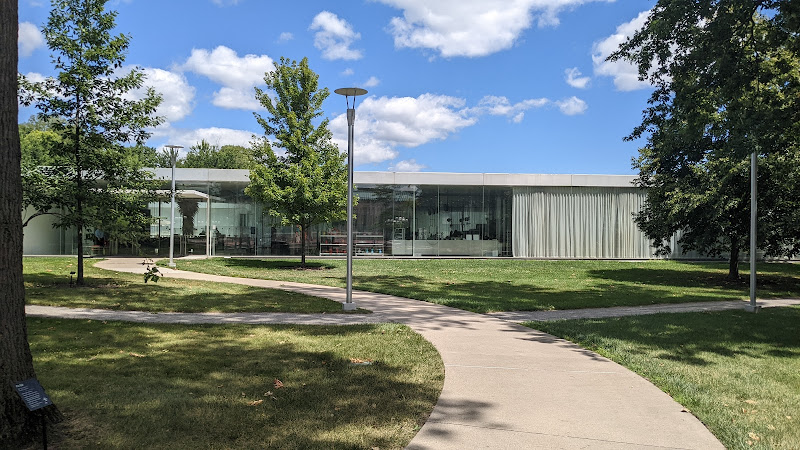
The building itself is a work of art, with its modern design featuring extensive glass elements that create this beautiful interplay of light throughout the day. Natural illumination filters through the structure, making the displayed pieces seem to glow from within. It’s particularly striking how the architects designed the space to complement rather than compete with the glasswork on display.

Visitors can explore centuries of glass-making history through carefully curated collections that span different eras and styles. From delicate ancient vessels to bold contemporary sculptures, the range is impressive. And the best part? This isn’t just a passive experience. The facility offers hands-on classes where you can actually try your hand at creating your own glass piece – though fair warning, it’s much harder than the professionals make it look.

Key Features

The Glass Pavilion offers an array of features that cater to different interests and ages, making it a destination worth planning your day around:

  • Live glassblowing demonstrations performed by skilled artisans who explain their techniques and answer questions while they work
  • Extensive collection of historic glass pieces spanning multiple centuries and cultures, displayed in climate-controlled galleries
  • Interactive glassblowing classes for visitors who want hands-on experience with this ancient craft
  • Modern architectural design that maximizes natural light and creates an optimal viewing environment for glass art
  • Onsite cafe where you can grab refreshments and discuss what you’ve seen with fellow visitors
  • Guided tours led by knowledgeable staff who provide context and fascinating details about the pieces and techniques
  • Fully accessible facilities including wheelchair-friendly entrances, parking, and restrooms
  • Family-friendly environment with exhibits and activities suitable for children of all ages
  • Free parking lot, which honestly is such a relief when you’re planning a day out
  • Gift shop featuring unique glass pieces created by local and regional artists
  • Rotating special exhibitions that showcase contemporary glass artists and innovative techniques
  • Educational programs designed for school groups and organized tours

Best Time to Visit

Timing your visit to the Glass Pavilion can really enhance your experience, and there’s definitely some strategy involved if you want to make the most of it.

Weekday mornings, particularly Tuesday through Thursday, tend to be the quietest times. You’ll have more room to move around the galleries and better viewing positions during the glassblowing demonstrations. I’ve found that arriving right when they open gives you almost a private museum experience for the first hour or so.

But here’s the thing – weekends, while busier, often feature additional demonstration times and special programming. If you’re bringing kids or want to participate in a class, weekend afternoons sometimes offer more options. The trade-off is worth considering based on what you’re hoping to get out of your visit.

Seasonally speaking, late spring and early fall hit that sweet spot. The weather’s pleasant for walking around the grounds, and you’re avoiding both the summer tourist rush and the winter school group season. Summer can get packed, especially during July and August when families are on vacation. Winter months, particularly January and February, see fewer visitors, which can be nice if you prefer solitude with your art appreciation.

If you’re interested in taking a glassblowing class – and you really should try it at least once – book well in advance. These sessions fill up quickly, sometimes weeks ahead, especially for weekend slots. The classes typically run better in cooler months because working with furnaces that hot gets pretty intense when it’s already warm outside.

Special events and temporary exhibitions can also influence the best time to visit. Check their programming calendar before planning your trip because sometimes they’ll bring in renowned glass artists for limited engagements or host evening events with extended hours.

How to Get There

Getting to the Glass Pavilion is straightforward whether you’re driving or relying on other transportation methods, though having your own vehicle definitely offers the most flexibility.

For those driving, the facility is clearly marked and easy to locate once you’re in the general area. The free parking lot is generous in size, so you won’t be circling endlessly looking for a spot – something I genuinely appreciate after dealing with paid parking at so many other attractions. The lot is paved and well-maintained, with designated accessible parking spaces near the entrance.

If you’re coming from out of town, the Glass Pavilion is accessible from major highways, though you’ll want to use GPS or a good map app for the final few turns. The roads leading to the facility are well-marked, and there’s adequate signage as you get closer.

Public transportation options vary depending on where you’re staying, but many visitors find that ride-sharing services work perfectly for this destination. The clear address and recognizable building make it easy for drivers to locate, and the parking area provides a safe drop-off and pickup zone.

For those staying at nearby hotels, some accommodation providers offer information about shuttle services or can help arrange transportation. It’s worth asking your concierge or front desk staff about the best options.

The entrance to the Glass Pavilion is wheelchair accessible, and there’s a smooth path from the parking lot to the main doors. Visitors with mobility considerations will find the approach well-designed and thoughtfully planned.

Tips for Visiting

After multiple visits and conversations with both staff and fellow glass enthusiasts, I’ve gathered some insider knowledge that’ll help you maximize your experience at the Glass Pavilion.

Plan for at least two to three hours if you want to properly absorb everything. Rushing through defeats the purpose, and you’ll kick yourself later for missing things. The glassblowing demonstrations alone deserve 30-45 minutes of your time, and the permanent collection warrants careful exploration. If you’re taking a class, add another two to three hours to your schedule.

Dress comfortably and in layers. The demonstration areas can get warm – remember, those furnaces are incredibly hot – while the gallery spaces are kept cooler to protect the artifacts. Comfortable shoes are essential because you’ll be on your feet quite a bit, and the floors, while beautiful, can be tiring after extended standing.

Photography policies are generally permissive for personal use, but flash photography is typically prohibited to protect the pieces and avoid disrupting demonstrations. The natural lighting in the building is actually perfect for photos, so you won’t need flash anyway. Some of my best travel photos have come from this place, particularly shots of the demonstrations in progress.

The onsite cafe is convenient, but it’s relatively small. If you’re visiting during peak hours, consider eating before or after your visit, or plan for off-peak lunch times around 11 AM or 2 PM. The cafe offers decent options though nothing extraordinary – think sandwiches, salads, coffee, and pastries.

When watching demonstrations, don’t be shy about asking questions. The artisans genuinely enjoy sharing their knowledge and explaining techniques. I’ve learned so much just by being curious and speaking up. They can tell you about the history of specific methods, the challenges of working with different types of glass, and the years of training required to master the craft.

If you’re bringing children, engage them with the interactive elements and encourage them to watch the demonstrations. Kids are often fascinated by the molten glass and the transformation process. But also be prepared with some strategies to keep them engaged during the quieter gallery portions. The staff can usually suggest which exhibits might appeal most to younger visitors.

Consider timing your visit around demonstration schedules, which are usually posted online and at the entrance. These performances are definitely the highlight for many visitors, and missing them would be unfortunate.

For those interested in purchasing glass art, whether from the gift shop or directly from artisans, bring adequate padding materials if you’re traveling far. The staff can help with basic wrapping, but protecting delicate glass pieces for air travel or long car rides requires extra care.

Accessibility is genuinely good here, not just an afterthought. The staff is attentive to visitors with different needs, and the physical space accommodates wheelchairs and mobility devices without compromising the viewing experience.

Finally, don’t skip the guided tours if one’s available during your visit. Even if you think you know a lot about glass, the guides share perspectives and historical details that enrich the entire experience. They’re passionate about the subject and that enthusiasm is infectious.

The Glass Pavilion offers something rare in today’s world – a chance to slow down and appreciate both historical craftsmanship and living artistry. It reminds us that some traditions deserve preservation not just in museums but as active, breathing practices passed from one generation to the next.

Key Highlights

  • Live glassblowing demonstrations performed by skilled artisans who explain their techniques and answer questions while they work
  • Extensive collection of historic glass pieces spanning multiple centuries and cultures, displayed in climate-controlled galleries
  • Interactive glassblowing classes for visitors who want hands-on experience with this ancient craft
  • Modern architectural design that maximizes natural light and creates an optimal viewing environment for glass art
  • Onsite cafe where you can grab refreshments and discuss what you've seen with fellow visitors
  • Guided tours led by knowledgeable staff who provide context and fascinating details about the pieces and techniques
  • Fully accessible facilities including wheelchair-friendly entrances, parking, and restrooms
  • Family-friendly environment with exhibits and activities suitable for children of all ages

Location

Places to Stay Near Glass Pavilion

Find and Book a Tour

Explore More Travel Guides

No reviews found! Be the first to review!

Glass Pavilion is a prominent museums located in Toledo.

Traveler Reviews for Glass Pavilion

There are no reviews yet. Be the first one to write one.

Share Your Experience

Have you visited Glass Pavilion? Help other travelers by sharing your review.

Find Accommodations Nearby

Recommended Tours & Activities

Visitor Reviews

There are no reviews yet. Be the first one to write one.

Share Your Experience

Have you visited Glass Pavilion? Help other travelers by leaving a review.