

Escuela Museo de Origami Zaragoza (EMOZ)
About Escuela Museo de Origami Zaragoza (EMOZ)
Description
EMOZ, short for Escuela Museo de Origami Zaragoza, is one of those places that sneaks up on travelers and then happily refuses to leave their memory. Tucked inside the Centro de Historias de Zaragoza in the old town, this museum is dedicated entirely to the art of paper folding — del origami — and it wears that mission with wonderful clarity. It’s widely cited as the first museum in Europe dedicated to the art of paper folding, and after a visit, that feels exactly right. You don’t just view pieces behind glass; you glimpse the minds of the plegadores who created them, the rhythm and patience of hands that turn a square of papel into creatures, masks, tessellations, and ideas.
There’s a distinct blend of gallery calm and workshop energy here. One moment, visitors stand quietly in front of a single sheet dragon folded with the soft curves of wet-folding; the next, a group of kids nearby bursts into a polite chorus of oohs as their instructor reveals a surprising twist step in a simple modelo. If you’ve ever folded a crane or failed spectacularly at an accordion fold (guilty), you’ll feel equal parts nostalgia and curiosity walking through the rooms.
What makes EMOZ special is its curatorial approach. Rather than show endless variations of the same technique, the museo origami Zaragoza team showcases origami as a living, global language. Exhibitions change several times a year — typically every three months — so the conversation is constantly evolving. On one visit, visitors might find geometric tessellations and modular stars that look almost digital; on another, a menagerie of animals sprung from single sheets; and on another, architectural abstractions where light and shadow matter as much as folds. It’s not just pretty paper; it’s design, math, storytelling, and patience all sharing the same square.
As a museum experience, it’s compact but rich. Many travelers spend 60–90 minutes here and come away feeling both grounded and oddly energized. The interpretive labels are usually in Spanish and English, and when they’re not, the staff is happy to fill in the gaps. And the staff are a quiet superpower. They’re practitioners and enthusiasts themselves, and that enthusiasm rubs off. I watched a guide demonstrate reverse folds for a shy teen and — no exaggeration — you could see the kid’s face switch from “Okay, fine, museum” to “Wait, I can make a fox?” in seconds. Muy interesante doesn’t even begin to cover it.
The space itself feels carefully maintained. Lighting is soft to protect delicate figures, the climate is controlled, and the route is intuitive. There’s a nice balance of look-and-learn with try-and-fold. Unlike some art museums, EMOZ embraces the humble joy of making — talleres and cursos for kids and adults run regularly — but it keeps the display areas intact and quiet. It’s a great stop for families, couples, solo culture-seekers, and, yes, creative professionals who want to clear mental fog with something tactile.
As with any popular museum in Zaragoza, there are small trade-offs. On weekends or rainy days, the rooms can feel busy, and the flow may slow around standout pieces because people linger (for good reason). Some visitors wish every single panel were fully bilingual, and once in a while a workshop will be full if you arrive at the last minute. None of that overrides the experience. The overall impression is overwhelmingly positive: EMOZ is a thought-through, friendly, and frankly joyful place to spend part of your day in the Casco Antiguo.
Key Features
- Europe’s first museum focused entirely on the art of paper folding, the Educational Museum Origami Zaragoza highlights the breadth of modern origami de todo el mundo.
- Rotating exhibitions: new shows every 2–4 months ensure repeat visits always feel fresh. Expect everything from geometric tessellations to lifelike animals to abstract sculptures.
- Original works by creators: EMOZ emphasizes pieces folded by the artists themselves, often with notes on technique, models, and process.
- Hands-on talleres y cursos for kids and adults, including beginner sessions, family workshops, and special masterclasses with visiting plegadores.
- Guided group visits and educational programs for schools, with tailored content that pairs art with STEM concepts like geometry and pattern.
- Family-friendly atmosphere: it’s quiet enough for contemplation but welcoming for curious children who want to try an easy modelo.
- Accessibility: step-free entry via the Centro de Historias, an elevator to the galleries, and a wheelchair accessible restroom available on-site.
- Amenities: clean restrooms and reliable Wi‑Fi to access QR-based content or short videos explaining specific folds and techniques.
- Carefully curated gift shop featuring high-quality papel, diagram books, tools, and unique souvenirs you won’t easily find elsewhere in Aragón.
- Photography allowed without flash in most areas (policies can vary by exposición); plan for patient, low-light shots of delicate figuras.
- Location perks: set within the Centro de Historias de Zaragoza, making it easy to combine with other exhibits and a stroll through the historic quarter.
- Sustainability mindset: thoughtful conservation of materials, plus behind-the-scenes respect for the art’s tradition of using a single sheet with no cuts or glue.
Best Time to Visit
If you like museums with room to breathe, aim for weekday mornings. That’s generally when Zaragoza’s old town moves at a gentler pace and you’ll have more space in front of star pieces. Late afternoons can also be peaceful outside of school holidays. Weekends are livelier — great if you enjoy shared fascination and the buzz of a full workshop, but if you’re the type who wants to read every panel without jostling, arrive right at opening or near the last time slot.
Seasonally, spring and autumn are lovely for pairing your visit with long walks through the historic center. Summer afternoons can be warm in Zaragoza, so ducking into a calm, climate-controlled museum feels like a gift. During major city festivities, such as October’s Fiestas del Pilar, the whole area gets busy. That energy is part of the fun, but workshop spots go fast, and lines can form. Book ahead if an exposición or a taller is a non-negotiable on your list.
A quick note on free-entry days: many museums in Zaragoza occasionally participate in citywide cultural promos or special events with reduced or free admission windows. EMOZ sometimes aligns with those, but not always. If you’re timing a budget-friendly visit, check the museum’s latest schedule and announcements before you go, especially around international museum days or local festivals.
One last timing tip: if you’re visiting with kids, avoid the classic post-lunch slump. You’ll get more smiles — and more successful folds — in the late morning or earlier in the afternoon when focus runs higher and the talleres often kick off.
How to Get There
EMOZ sits inside the Centro de Historias in Zaragoza’s historic core, so getting there is pleasantly straightforward. If you’re already exploring the old town — say, browsing around El Tubo or visiting landmarks near the river — it’s an easy, scenic walk. The signage for the Centro de Historias is clear, and once you’re inside, directions to the museum are posted.
Public transport is convenient. Zaragoza’s tram line and frequent city buses run along main arteries like El Coso and avenues that skirt the old quarter; from there, it’s a short walk through pedestrian-friendly streets to the Centro de Historias. If you prefer taxis or ride-hailing, ask for a drop-off at the Centro de Historias entrance. It’s a popular cultural venue, so drivers know it well.
Cyclists will find bike-friendly routes into the Casco Antiguo, plus public bike docks not far from the building. Walking and biking are often faster than driving through the narrow streets during busy times. If you must drive, plan to use a nearby public parking garage on the perimeter of the old town, then stroll in. On-street spaces are limited and can be tight; consider time of day if you’re aiming for a quick stop.
Accessibility-wise, there is a step-free route into the building and an elevator to the galleries. While the entrance and restroom facilities are wheelchair accessible, note that there is no dedicated wheelchair parking lot attached to the museum itself. Visitors who need closer access often use a taxi drop-off or request assistance at arrival. The staff is used to helping guests navigate the quickest routes inside the Centro de Historias.
Tips for Visiting
Planning a smooth visit to EMOZ is pretty simple, but a few insider tactics can elevate the experience from good to great.
- Reserve workshops early: Talleres fill up, especially on weekends and school holidays. If learning a model is your main goal, sign up before you arrive in Zaragoza.
- Budget 60–90 minutes for the galleries: That’s the sweet spot for reading panels, watching short clips, and doing a quick fold at a hands-on station if available. Origami fans and families might happily linger for two hours.
- Come with clean, dry hands: It sounds basic, but handling your own paper during a class with oil-free fingers makes a surprising difference. The folds hold better and look neater.
- Ask the staff for a “first fold”: If you’re brand-new, they can point you to a friendly model that builds confidence fast. A paper fox, a butterfly, or a classic crane tends to be a crowd-pleaser.
- Photography etiquette: Flash can damage delicate pieces and create nasty reflections. Bring patience for low-light shots and step aside quickly — those pieces are magnets for admirers.
- Accessibility notes: There’s an elevator, step-free access, and a wheelchair accessible restroom. If you prefer quieter times, try weekday mornings; they’re gentler for sensory-sensitive visitors.
- Combine it with nearby culture: The Centro de Historias often has additional exhibits, and the old town’s landmarks — Roman traces, churches, and artisan shops — are an easy walk away.
- Food strategy: There’s no on-site restaurant, but plenty of cafés and tapas bars within a short walk. If you’re doing a workshop, a light bite before folding helps the focus.
- Gifts that travel well: The shop stocks flat packs of specialty paper, diagram books, and kits that fit in carry-ons. If you’ve got kids, consider a small starter set as a plane or train activity.
- Mind the crowd curve: Rainy afternoons and festival days are busier. If you only have time then, arrive close to opening or late in the day to steal a quieter window.
- Respect the art: Many pieces are from top-tier artists — some de los más importantes del mundo in modern origami — and they’re fragile by nature. No touching, and keep bags or jackets from brushing display cases.
- Learn a technique name or two: Words like “tessellation,” “wet-folding,” “modular,” or “crimp” suddenly make the exhibits click, and you’ll spot patterns faster, like a personal treasure hunt.
For travelers building their Zaragoza itinerary, EMOZ fills a delightful niche: it’s an art museum that also acts like a creativity reset button. Step in with a bit of curiosity, and you’ll likely step out plotting your next fold — a little fox for the hotel desk, perhaps. The magic isn’t just the finished figura; it’s the way a flat square becomes a tiny sculpture through nothing but intent and careful creases. That might be the best souvenir you take home from the museum in Zaragoza that’s entirely dedicated to the art of paper folding.
Key Features
- Permanent and rotating origami exhibits ranging from traditional to contemporary
- Hands-on workshops and educational programs for all ages
- Located within Centro de Historias — combines history and contemporary art
- Exhibits explaining the history of paper and folding techniques
- Intimate gallery scale allowing close-up viewing of intricate models
More Details
Updated November 2, 2025
Table of Contents
- Description
- Key Features
- Best Time to Visit
- How to Get There
- Tips for Visiting
- Key Highlights
- Location
- Places to Stay Near Escuela Museo de Origami Zaragoza (EMOZ)
- Find and Book a Tour
- Explore More Travel Guides
- Nearby Places You Might Like
- Traveler Reviews for Escuela Museo de Origami Zaragoza (EMOZ)
- Share Your Experience
Description
EMOZ, short for Escuela Museo de Origami Zaragoza, is one of those places that sneaks up on travelers and then happily refuses to leave their memory. Tucked inside the Centro de Historias de Zaragoza in the old town, this museum is dedicated entirely to the art of paper folding — del origami — and it wears that mission with wonderful clarity. It’s widely cited as the first museum in Europe dedicated to the art of paper folding, and after a visit, that feels exactly right. You don’t just view pieces behind glass; you glimpse the minds of the plegadores who created them, the rhythm and patience of hands that turn a square of papel into creatures, masks, tessellations, and ideas.
There’s a distinct blend of gallery calm and workshop energy here. One moment, visitors stand quietly in front of a single sheet dragon folded with the soft curves of wet-folding; the next, a group of kids nearby bursts into a polite chorus of oohs as their instructor reveals a surprising twist step in a simple modelo. If you’ve ever folded a crane or failed spectacularly at an accordion fold (guilty), you’ll feel equal parts nostalgia and curiosity walking through the rooms.
What makes EMOZ special is its curatorial approach. Rather than show endless variations of the same technique, the museo origami Zaragoza team showcases origami as a living, global language. Exhibitions change several times a year — typically every three months — so the conversation is constantly evolving. On one visit, visitors might find geometric tessellations and modular stars that look almost digital; on another, a menagerie of animals sprung from single sheets; and on another, architectural abstractions where light and shadow matter as much as folds. It’s not just pretty paper; it’s design, math, storytelling, and patience all sharing the same square.
As a museum experience, it’s compact but rich. Many travelers spend 60–90 minutes here and come away feeling both grounded and oddly energized. The interpretive labels are usually in Spanish and English, and when they’re not, the staff is happy to fill in the gaps. And the staff are a quiet superpower. They’re practitioners and enthusiasts themselves, and that enthusiasm rubs off. I watched a guide demonstrate reverse folds for a shy teen and — no exaggeration — you could see the kid’s face switch from “Okay, fine, museum” to “Wait, I can make a fox?” in seconds. Muy interesante doesn’t even begin to cover it.
The space itself feels carefully maintained. Lighting is soft to protect delicate figures, the climate is controlled, and the route is intuitive. There’s a nice balance of look-and-learn with try-and-fold. Unlike some art museums, EMOZ embraces the humble joy of making — talleres and cursos for kids and adults run regularly — but it keeps the display areas intact and quiet. It’s a great stop for families, couples, solo culture-seekers, and, yes, creative professionals who want to clear mental fog with something tactile.
As with any popular museum in Zaragoza, there are small trade-offs. On weekends or rainy days, the rooms can feel busy, and the flow may slow around standout pieces because people linger (for good reason). Some visitors wish every single panel were fully bilingual, and once in a while a workshop will be full if you arrive at the last minute. None of that overrides the experience. The overall impression is overwhelmingly positive: EMOZ is a thought-through, friendly, and frankly joyful place to spend part of your day in the Casco Antiguo.
Key Features
- Europe’s first museum focused entirely on the art of paper folding, the Educational Museum Origami Zaragoza highlights the breadth of modern origami de todo el mundo.
- Rotating exhibitions: new shows every 2–4 months ensure repeat visits always feel fresh. Expect everything from geometric tessellations to lifelike animals to abstract sculptures.
- Original works by creators: EMOZ emphasizes pieces folded by the artists themselves, often with notes on technique, models, and process.
- Hands-on talleres y cursos for kids and adults, including beginner sessions, family workshops, and special masterclasses with visiting plegadores.
- Guided group visits and educational programs for schools, with tailored content that pairs art with STEM concepts like geometry and pattern.
- Family-friendly atmosphere: it’s quiet enough for contemplation but welcoming for curious children who want to try an easy modelo.
- Accessibility: step-free entry via the Centro de Historias, an elevator to the galleries, and a wheelchair accessible restroom available on-site.
- Amenities: clean restrooms and reliable Wi‑Fi to access QR-based content or short videos explaining specific folds and techniques.
- Carefully curated gift shop featuring high-quality papel, diagram books, tools, and unique souvenirs you won’t easily find elsewhere in Aragón.
- Photography allowed without flash in most areas (policies can vary by exposición); plan for patient, low-light shots of delicate figuras.
- Location perks: set within the Centro de Historias de Zaragoza, making it easy to combine with other exhibits and a stroll through the historic quarter.
- Sustainability mindset: thoughtful conservation of materials, plus behind-the-scenes respect for the art’s tradition of using a single sheet with no cuts or glue.
Best Time to Visit
If you like museums with room to breathe, aim for weekday mornings. That’s generally when Zaragoza’s old town moves at a gentler pace and you’ll have more space in front of star pieces. Late afternoons can also be peaceful outside of school holidays. Weekends are livelier — great if you enjoy shared fascination and the buzz of a full workshop, but if you’re the type who wants to read every panel without jostling, arrive right at opening or near the last time slot.
Seasonally, spring and autumn are lovely for pairing your visit with long walks through the historic center. Summer afternoons can be warm in Zaragoza, so ducking into a calm, climate-controlled museum feels like a gift. During major city festivities, such as October’s Fiestas del Pilar, the whole area gets busy. That energy is part of the fun, but workshop spots go fast, and lines can form. Book ahead if an exposición or a taller is a non-negotiable on your list.
A quick note on free-entry days: many museums in Zaragoza occasionally participate in citywide cultural promos or special events with reduced or free admission windows. EMOZ sometimes aligns with those, but not always. If you’re timing a budget-friendly visit, check the museum’s latest schedule and announcements before you go, especially around international museum days or local festivals.
One last timing tip: if you’re visiting with kids, avoid the classic post-lunch slump. You’ll get more smiles — and more successful folds — in the late morning or earlier in the afternoon when focus runs higher and the talleres often kick off.
How to Get There
EMOZ sits inside the Centro de Historias in Zaragoza’s historic core, so getting there is pleasantly straightforward. If you’re already exploring the old town — say, browsing around El Tubo or visiting landmarks near the river — it’s an easy, scenic walk. The signage for the Centro de Historias is clear, and once you’re inside, directions to the museum are posted.
Public transport is convenient. Zaragoza’s tram line and frequent city buses run along main arteries like El Coso and avenues that skirt the old quarter; from there, it’s a short walk through pedestrian-friendly streets to the Centro de Historias. If you prefer taxis or ride-hailing, ask for a drop-off at the Centro de Historias entrance. It’s a popular cultural venue, so drivers know it well.
Cyclists will find bike-friendly routes into the Casco Antiguo, plus public bike docks not far from the building. Walking and biking are often faster than driving through the narrow streets during busy times. If you must drive, plan to use a nearby public parking garage on the perimeter of the old town, then stroll in. On-street spaces are limited and can be tight; consider time of day if you’re aiming for a quick stop.
Accessibility-wise, there is a step-free route into the building and an elevator to the galleries. While the entrance and restroom facilities are wheelchair accessible, note that there is no dedicated wheelchair parking lot attached to the museum itself. Visitors who need closer access often use a taxi drop-off or request assistance at arrival. The staff is used to helping guests navigate the quickest routes inside the Centro de Historias.
Tips for Visiting
Planning a smooth visit to EMOZ is pretty simple, but a few insider tactics can elevate the experience from good to great.
- Reserve workshops early: Talleres fill up, especially on weekends and school holidays. If learning a model is your main goal, sign up before you arrive in Zaragoza.
- Budget 60–90 minutes for the galleries: That’s the sweet spot for reading panels, watching short clips, and doing a quick fold at a hands-on station if available. Origami fans and families might happily linger for two hours.
- Come with clean, dry hands: It sounds basic, but handling your own paper during a class with oil-free fingers makes a surprising difference. The folds hold better and look neater.
- Ask the staff for a “first fold”: If you’re brand-new, they can point you to a friendly model that builds confidence fast. A paper fox, a butterfly, or a classic crane tends to be a crowd-pleaser.
- Photography etiquette: Flash can damage delicate pieces and create nasty reflections. Bring patience for low-light shots and step aside quickly — those pieces are magnets for admirers.
- Accessibility notes: There’s an elevator, step-free access, and a wheelchair accessible restroom. If you prefer quieter times, try weekday mornings; they’re gentler for sensory-sensitive visitors.
- Combine it with nearby culture: The Centro de Historias often has additional exhibits, and the old town’s landmarks — Roman traces, churches, and artisan shops — are an easy walk away.
- Food strategy: There’s no on-site restaurant, but plenty of cafés and tapas bars within a short walk. If you’re doing a workshop, a light bite before folding helps the focus.
- Gifts that travel well: The shop stocks flat packs of specialty paper, diagram books, and kits that fit in carry-ons. If you’ve got kids, consider a small starter set as a plane or train activity.
- Mind the crowd curve: Rainy afternoons and festival days are busier. If you only have time then, arrive close to opening or late in the day to steal a quieter window.
- Respect the art: Many pieces are from top-tier artists — some de los más importantes del mundo in modern origami — and they’re fragile by nature. No touching, and keep bags or jackets from brushing display cases.
- Learn a technique name or two: Words like “tessellation,” “wet-folding,” “modular,” or “crimp” suddenly make the exhibits click, and you’ll spot patterns faster, like a personal treasure hunt.
For travelers building their Zaragoza itinerary, EMOZ fills a delightful niche: it’s an art museum that also acts like a creativity reset button. Step in with a bit of curiosity, and you’ll likely step out plotting your next fold — a little fox for the hotel desk, perhaps. The magic isn’t just the finished figura; it’s the way a flat square becomes a tiny sculpture through nothing but intent and careful creases. That might be the best souvenir you take home from the museum in Zaragoza that’s entirely dedicated to the art of paper folding.
Key Highlights
- Permanent and rotating origami exhibits ranging from traditional to contemporary
- Hands-on workshops and educational programs for all ages
- Located within Centro de Historias — combines history and contemporary art
- Exhibits explaining the history of paper and folding techniques
- Intimate gallery scale allowing close-up viewing of intricate models
Location
Places to Stay Near Escuela Museo de Origami Zaragoza (EMOZ)
Find and Book a Tour
Explore More Travel Guides
No reviews found! Be the first to review!
Traveler Reviews for Escuela Museo de Origami Zaragoza (EMOZ)
There are no reviews yet. Be the first one to write one.
Have you visited Escuela Museo de Origami Zaragoza (EMOZ)? Help other travelers by sharing your review.
Nearby Attractions
You Might Also Like

Mercado Central de Zaragoza

Parque Grande José Antonio Labordeta
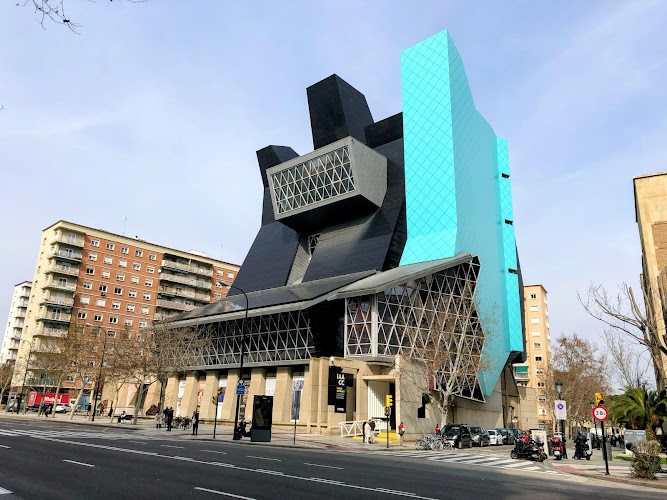
IAACC Pablo Serrano
Find Accommodations Nearby
Recommended Tours & Activities
Visitor Reviews
There are no reviews yet. Be the first one to write one.
Share Your Experience
Have you visited Escuela Museo de Origami Zaragoza (EMOZ)? Help other travelers by leaving a review.