

Mercado Central de Zaragoza
About Mercado Central de Zaragoza
Description
Mercado Central de Zaragoza is the city’s daily pulse in iron and glass. Built in 1903 and designed by the Aragonese architect Félix Navarro, this modernist landmark channels a classic basilica layout—three soaring naves, light pouring through high windows, cast-iron ribs holding everything together with a quiet, muscular grace. It’s the kind of building that looks as if it was made for food: fresh produce staged like theatre, fish counters shimmering with crushed ice, hams suspended like trophies. And that’s exactly what visitors find—an authentic food market that perfectly blends tradition and modernity in the heart of Zaragoza.
Locals call it “el mercado,” and they mean it. Long before gourmet food halls were a thing, the Central Market served as Zaragoza’s pantry, a marketplace located in the heart of the historic center where neighbors swapped recipes as often as money. After a careful restoration completed in recent years, this beautifully restored structure feels renewed without losing its soul. The aisles are wide; the flow makes sense; the façade still commands a stop-and-stare moment, especially when it’s lit in the evening. But what most travelers remember is the sound—vendors greeting regulars by name, the soft murmur as someone debates between two kinds of sheep’s cheese, the decisive tap of a cleaver as a butcher portions Ternasco de Aragón (young lamb) to order.
For food lovers, Mercado Central de Zaragoza is a textbook in regional identity. Stalls offer a wide variety of fresh produce from the Ebro valley—tomatoes that smell like summer, tiny sweet peppers, wild mushrooms when the season turns. Seafood arrives daily from the Mediterranean; you’ll see gleaming hake, monkfish, and mounds of mussels, and plenty of bacalao (salt cod), which cooks here treat like an art form. Meats range from farm chicken to well-marbled beef and those celebrated Aragonese lamb chops. And the cheeses—this market boasts a strong selection: Tronchón, Radiquero, and other artisanal cheeses mingle with tangy goat’s milk rounds and soft cow’s cheeses ready for a late-afternoon snack.
If a traveler wonders what Zaragoza is famous for, a quick stroll here gives the answer in edible form. Aragon means olive oils (look for bottles labeled Bajo Aragón), robust red wines (Somontano, Cariñena, Campo de Borja, Calatayud), cured meats including Jamón de Teruel, and sweets like guirlache (almond brittle) and frutas de Aragón (candied fruits cloaked in chocolate). There’s usually a pastry counter or two tempting people with a slice of Trenza de Almudévar. Anyone hunting for picnic supplies before visiting the Basilica del Pilar or the Roman walls will leave with a basket full of local delicacies. And if there’s time, some stalls prepare a quick tapa or a little bocadillo—just enough to keep the cravings honest until lunch.
One of the market’s charms is how straightforward and human it feels. This is not a polished food court built for selfies; it’s a real market where Zaragoza’s everyday life plays out. Travelers see parents teaching kids how to pick peaches, grandmothers comparing eggs by yolk color, and young chefs negotiating the day’s fish prices. Some visitors expect rows of hot food stands, but the Mercado Central remains first and foremost a place to shop for fresh ingredients. Yes, there are counters for coffee or a vermouth and a tapa, and yes, tastings happen when vendors have time. Yet the core experience is old-school, and that’s precisely why it’s unforgettable.
Architecture fans linger, too. The façades blend stone with decorative ironwork that nods to the optimism of the early 20th century. Inside, the market’s structure rises with a kind of cathedral calm. This stunning early 20th-century building doesn’t so much shout as it hums—full of architectural charm and local pride. Even people who frequent markets elsewhere often comment on how Mercado Central de Zaragoza looks and feels different: lighter, airier, and still thoroughly practical for the daily bustle.
It’s also refreshingly accessible. Renovations improved the flow for wheelchairs and strollers; there are wheelchair-accessible entrances and restrooms, and aisles that don’t make anyone feel squeezed out. Payment is a breeze at most stalls—credit cards, debit cards, and NFC mobile payments are widely accepted—though small change speeds up a quick purchase. And while the market is beloved, it isn’t flawless: it can get crowded on Saturdays, a few stalls take long breaks or close early afternoons, and seafood selection on Mondays can be slimmer. But the overall experience is delightful—a sincere snapshot of Zaragoza’s food culture, delivered by vendors who are proud of their craft.
Key Features
- Modernist architecture from 1903 designed by architect Félix Navarro, featuring an iron and glass structure with three basilica-like naves.
- Beautifully restored interior that preserves original character while improving light, accessibility, and circulation.
- A real market atmosphere: dozens of stalls selling fresh ingredients rather than a tourist-only food hall.
- Regional specialties from Aragón: Ternasco de Aragón (lamb), Jamón de Teruel, olive oils from Bajo Aragón, and wines from Cariñena, Somontano, Campo de Borja, and Calatayud.
- Local cheeses including Tronchón and other artisanal cheeses, plus seasonal produce from the Ebro valley.
- Fresh seafood counters with daily deliveries and traditional staples like bacalao (salt cod).
- Onsite services for shoppers, with friendly vendors who often offer advice, tastings, or recipe tips.
- Wheelchair-accessible entrance, wheelchair-accessible restrooms, and accessible parking nearby for ease of visit.
- Payments made easy at most stalls: credit cards, debit cards, and NFC mobile payments all commonly accepted.
- Public restrooms inside the market, kept up to date following the renovation.
- Occasional tours and special events, especially during local festivals and citywide gastronomy weeks.
- Central location within the historic core, a short stroll from major sights and the river.
Best Time to Visit
Timing matters. For the freshest selection and calmer browsing, mornings on weekdays are ideal—think 9:00 to 11:00. But those who love a bit of buzz might aim for late morning when lunch plans are forming and locals move with purpose. Saturdays are the most animated and can feel shoulder-to-shoulder around peak hours; the energy is infectious, but shoppers who prefer to linger should arrive right when the market opens.
Seafood shoppers take note: in Spain, Mondays often bring a lighter catch because much of the fleet rests on Sundays, so Tuesday through Friday typically yields the fullest fish displays. Autumn is prime for mushrooms and hearty greens; spring sings with asparagus and tender peas; summer is all tomatoes and stone fruit (if you see peaches labeled Melocotón de Calanda later in the season, grab them). Winter stands out for long-simmer dishes—stews, chickpeas, and leafy vegetables like borraja (borage), a local staple that deserves a taste even if it’s new to you.
Typical opening hours run Monday to Saturday with a midday break and a shorter afternoon session on weekdays, while Sundays are usually closed. Hours can shift on holidays and during festivals, so checking the schedule the day before keeps surprises at bay. If photos are the goal, try early morning light on the façade or drop by after dusk to see the exterior softly illuminated—it’s a striking contrast to the daylight bustle.
How to Get There
Reaching Mercado Central de Zaragoza is straightforward and, frankly, part of the fun. Visitors staying in the old town can walk—most major sights are within a 5–15 minute stroll. From Plaza del Pilar, head toward the Roman walls and follow the flow of Av. de César Augusto; the market appears like a grand stage set in the street’s center, impossible to miss.
The city’s tram (Line 1) stops close by; look for stops around César Augusto or Murallas and walk a few minutes. Multiple city buses run along the same corridor, so if the tram isn’t convenient, buses often are. From Zaragoza-Delicias train station, the tram offers a direct, simple ride into the center; taxis take about 10–15 minutes depending on traffic. Cyclists can roll up and lock near the perimeter, then glide straight into the aisles with ease (it’s better to park the bike outside for everyone’s comfort and safety).
Driving is possible, though not always the most relaxing in the old town. There is paid parking within a short walk; it’s best to park once and wander. For travelers doing a big shop—picking up wine, olive oil, or a picnic for a road trip—the paid lot nearby makes loading simple. And because the market sits so centrally, it naturally becomes a midpoint on any self-guided route that includes the Basilica del Pilar, La Seo, the Ebro riverfront, and the Roman heritage sites dotted through the Casco Antiguo.
Tips for Visiting
- Start with a “Buenos días.” Market etiquette is friendly but formal enough to appreciate a greeting. Many vendors speak some English, but a few Spanish phrases go far.
- Take a number at service counters. Look for the red ticket dispensers—especially at the butchers, fishmongers, and charcuterie stands. When your number flashes, it’s your turn.
- Ask to taste. If you’re choosing between two cheeses or hams, polite requests often lead to tiny samples. Vendors want you to love what you buy.
- Think seasonally. Shopping by the calendar is the easiest way to eat like a local: mushrooms in autumn, asparagus in spring, peaches and tomatoes in summer. The stalls selling a wide variety of fresh produce will guide you with what looks best.
- Plan for a picnic. Pick a local cheese, thin-sliced Jamón de Teruel, a crusty loaf, olives, and a jar of roasted peppers. That’s Zaragoza’s personality in a bag.
- Seafood strategy. For the most extensive fish selection, visit Tuesday–Friday mornings. Mondays can be quieter at the fish counters.
- Cards are fine, cash is faster. Most stalls accept credit cards, debit cards, and NFC mobile payments, but small notes and coins keep things moving, especially for quick buys.
- Mind the rhythm. Some stalls close for the midday break and reopen later (weekdays). Saturdays are often morning-only. Sundays typically closed.
- Respect photography. A quick “¿Puedo sacar una foto?” is gracious if you want a close-up of someone’s display. Try not to block the aisle.
- Look for regional labels. Keep an eye out for DOP and IGP labels on olive oil, lamb, and wines—these guarantee origin and quality from Aragón.
- Treat yourself to traditions. Try Tronchón cheese, longaniza de Graus sausage, guirlache, and frutas de Aragón. A little box of candied fruit dipped in chocolate is easy to carry home.
- All-access friendly. The market has a wheelchair-accessible entrance and restrooms, and the aisles were designed with mobility in mind. Strollers roll easily.
- Stay aware in crowds. It’s a busy food market; keep valuables close and move bags to the front in tighter spots. Common sense, nothing more.
- Follow the aromas. Freshly baked pastries and coffee counters are a smart first or last stop. A small croissant and cortado turn a visit into a ritual.
- Don’t overbuy. Many items are happy-travelers: vacuum-packed ham, hard cheeses, tins of fish, olives, almonds, and olive oil in travel-safe packaging. That said, resist the urge to buy everything on day one—there’s always time for another stroll.
- Consider a guided visit. The market occasionally hosts tours, tastings, or cooking demos tied to local food festivals. If timing aligns, it adds depth to an already rich experience.
- Pair it with nearby sights. Combine the Central Market of Zaragoza with the Roman walls, a peek at El Tubo’s tapas bars, and a walk to the Basilica. It’s an easy, efficient route.
- Bring a tote. Merchants often provide bags, but a sturdy tote or backpack saves plastic and your hands.
- Heat and shade. In summer, go early to beat the heat; in winter, the building provides comfortable shelter from wind off the Ebro.
In practical terms, Mercado Central de Zaragoza offers what savvy travelers crave: a good marketplace that still feels like a neighborhood. The market’s story intertwines with the city’s everyday life—one can experience a real snapshot of Zaragoza’s food culture in a single hour. But it rewards those who linger, too. Taste a crumbly cheese, sample local olives, ask a butcher how they’d cook lamb shoulder, and grab a tiny tapa to tide you over. The market proves what Aragón cooks have long known: good ingredients are half the recipe, and the other half is the friendly nudge from someone who knows exactly which tomato belongs in your salad today.
That mix—tradition and modernity, local pride and open doors—explains why travelers come back. A market located in the heart of a city should teach something about that city. Mercado Central does, without speeches or placards. It shows Aragón on display: straightforward, generous, and season-driven. Visitors leave with food, of course. More importantly, they leave with a feel for Zaragoza’s rhythm, the taste of the city’s everyday life tucked into their memory, and maybe a jar of olive oil that will make them smile when they cook at home weeks later.
Key Features
- Early 20th-century modernist iron-and-glass architecture
- Approximately 70–80 traditional stalls (fish, meat, produce, cheeses, bakeries)
- Bright interior with three nave-like aisles and high skylights
- Restored historic landmark reopened in 2020 after rehabilitation
- Central location in Zaragoza’s Casco Antiguo, close to major sights
More Details
Updated November 3, 2025
Table of Contents
Description
Mercado Central de Zaragoza is the city’s daily pulse in iron and glass. Built in 1903 and designed by the Aragonese architect Félix Navarro, this modernist landmark channels a classic basilica layout—three soaring naves, light pouring through high windows, cast-iron ribs holding everything together with a quiet, muscular grace. It’s the kind of building that looks as if it was made for food: fresh produce staged like theatre, fish counters shimmering with crushed ice, hams suspended like trophies. And that’s exactly what visitors find—an authentic food market that perfectly blends tradition and modernity in the heart of Zaragoza.
Locals call it “el mercado,” and they mean it. Long before gourmet food halls were a thing, the Central Market served as Zaragoza’s pantry, a marketplace located in the heart of the historic center where neighbors swapped recipes as often as money. After a careful restoration completed in recent years, this beautifully restored structure feels renewed without losing its soul. The aisles are wide; the flow makes sense; the façade still commands a stop-and-stare moment, especially when it’s lit in the evening. But what most travelers remember is the sound—vendors greeting regulars by name, the soft murmur as someone debates between two kinds of sheep’s cheese, the decisive tap of a cleaver as a butcher portions Ternasco de Aragón (young lamb) to order.
For food lovers, Mercado Central de Zaragoza is a textbook in regional identity. Stalls offer a wide variety of fresh produce from the Ebro valley—tomatoes that smell like summer, tiny sweet peppers, wild mushrooms when the season turns. Seafood arrives daily from the Mediterranean; you’ll see gleaming hake, monkfish, and mounds of mussels, and plenty of bacalao (salt cod), which cooks here treat like an art form. Meats range from farm chicken to well-marbled beef and those celebrated Aragonese lamb chops. And the cheeses—this market boasts a strong selection: Tronchón, Radiquero, and other artisanal cheeses mingle with tangy goat’s milk rounds and soft cow’s cheeses ready for a late-afternoon snack.
If a traveler wonders what Zaragoza is famous for, a quick stroll here gives the answer in edible form. Aragon means olive oils (look for bottles labeled Bajo Aragón), robust red wines (Somontano, Cariñena, Campo de Borja, Calatayud), cured meats including Jamón de Teruel, and sweets like guirlache (almond brittle) and frutas de Aragón (candied fruits cloaked in chocolate). There’s usually a pastry counter or two tempting people with a slice of Trenza de Almudévar. Anyone hunting for picnic supplies before visiting the Basilica del Pilar or the Roman walls will leave with a basket full of local delicacies. And if there’s time, some stalls prepare a quick tapa or a little bocadillo—just enough to keep the cravings honest until lunch.
One of the market’s charms is how straightforward and human it feels. This is not a polished food court built for selfies; it’s a real market where Zaragoza’s everyday life plays out. Travelers see parents teaching kids how to pick peaches, grandmothers comparing eggs by yolk color, and young chefs negotiating the day’s fish prices. Some visitors expect rows of hot food stands, but the Mercado Central remains first and foremost a place to shop for fresh ingredients. Yes, there are counters for coffee or a vermouth and a tapa, and yes, tastings happen when vendors have time. Yet the core experience is old-school, and that’s precisely why it’s unforgettable.
Architecture fans linger, too. The façades blend stone with decorative ironwork that nods to the optimism of the early 20th century. Inside, the market’s structure rises with a kind of cathedral calm. This stunning early 20th-century building doesn’t so much shout as it hums—full of architectural charm and local pride. Even people who frequent markets elsewhere often comment on how Mercado Central de Zaragoza looks and feels different: lighter, airier, and still thoroughly practical for the daily bustle.
It’s also refreshingly accessible. Renovations improved the flow for wheelchairs and strollers; there are wheelchair-accessible entrances and restrooms, and aisles that don’t make anyone feel squeezed out. Payment is a breeze at most stalls—credit cards, debit cards, and NFC mobile payments are widely accepted—though small change speeds up a quick purchase. And while the market is beloved, it isn’t flawless: it can get crowded on Saturdays, a few stalls take long breaks or close early afternoons, and seafood selection on Mondays can be slimmer. But the overall experience is delightful—a sincere snapshot of Zaragoza’s food culture, delivered by vendors who are proud of their craft.
Key Features
- Modernist architecture from 1903 designed by architect Félix Navarro, featuring an iron and glass structure with three basilica-like naves.
- Beautifully restored interior that preserves original character while improving light, accessibility, and circulation.
- A real market atmosphere: dozens of stalls selling fresh ingredients rather than a tourist-only food hall.
- Regional specialties from Aragón: Ternasco de Aragón (lamb), Jamón de Teruel, olive oils from Bajo Aragón, and wines from Cariñena, Somontano, Campo de Borja, and Calatayud.
- Local cheeses including Tronchón and other artisanal cheeses, plus seasonal produce from the Ebro valley.
- Fresh seafood counters with daily deliveries and traditional staples like bacalao (salt cod).
- Onsite services for shoppers, with friendly vendors who often offer advice, tastings, or recipe tips.
- Wheelchair-accessible entrance, wheelchair-accessible restrooms, and accessible parking nearby for ease of visit.
- Payments made easy at most stalls: credit cards, debit cards, and NFC mobile payments all commonly accepted.
- Public restrooms inside the market, kept up to date following the renovation.
- Occasional tours and special events, especially during local festivals and citywide gastronomy weeks.
- Central location within the historic core, a short stroll from major sights and the river.
Best Time to Visit
Timing matters. For the freshest selection and calmer browsing, mornings on weekdays are ideal—think 9:00 to 11:00. But those who love a bit of buzz might aim for late morning when lunch plans are forming and locals move with purpose. Saturdays are the most animated and can feel shoulder-to-shoulder around peak hours; the energy is infectious, but shoppers who prefer to linger should arrive right when the market opens.
Seafood shoppers take note: in Spain, Mondays often bring a lighter catch because much of the fleet rests on Sundays, so Tuesday through Friday typically yields the fullest fish displays. Autumn is prime for mushrooms and hearty greens; spring sings with asparagus and tender peas; summer is all tomatoes and stone fruit (if you see peaches labeled Melocotón de Calanda later in the season, grab them). Winter stands out for long-simmer dishes—stews, chickpeas, and leafy vegetables like borraja (borage), a local staple that deserves a taste even if it’s new to you.
Typical opening hours run Monday to Saturday with a midday break and a shorter afternoon session on weekdays, while Sundays are usually closed. Hours can shift on holidays and during festivals, so checking the schedule the day before keeps surprises at bay. If photos are the goal, try early morning light on the façade or drop by after dusk to see the exterior softly illuminated—it’s a striking contrast to the daylight bustle.
How to Get There
Reaching Mercado Central de Zaragoza is straightforward and, frankly, part of the fun. Visitors staying in the old town can walk—most major sights are within a 5–15 minute stroll. From Plaza del Pilar, head toward the Roman walls and follow the flow of Av. de César Augusto; the market appears like a grand stage set in the street’s center, impossible to miss.
The city’s tram (Line 1) stops close by; look for stops around César Augusto or Murallas and walk a few minutes. Multiple city buses run along the same corridor, so if the tram isn’t convenient, buses often are. From Zaragoza-Delicias train station, the tram offers a direct, simple ride into the center; taxis take about 10–15 minutes depending on traffic. Cyclists can roll up and lock near the perimeter, then glide straight into the aisles with ease (it’s better to park the bike outside for everyone’s comfort and safety).
Driving is possible, though not always the most relaxing in the old town. There is paid parking within a short walk; it’s best to park once and wander. For travelers doing a big shop—picking up wine, olive oil, or a picnic for a road trip—the paid lot nearby makes loading simple. And because the market sits so centrally, it naturally becomes a midpoint on any self-guided route that includes the Basilica del Pilar, La Seo, the Ebro riverfront, and the Roman heritage sites dotted through the Casco Antiguo.
Tips for Visiting
- Start with a “Buenos días.” Market etiquette is friendly but formal enough to appreciate a greeting. Many vendors speak some English, but a few Spanish phrases go far.
- Take a number at service counters. Look for the red ticket dispensers—especially at the butchers, fishmongers, and charcuterie stands. When your number flashes, it’s your turn.
- Ask to taste. If you’re choosing between two cheeses or hams, polite requests often lead to tiny samples. Vendors want you to love what you buy.
- Think seasonally. Shopping by the calendar is the easiest way to eat like a local: mushrooms in autumn, asparagus in spring, peaches and tomatoes in summer. The stalls selling a wide variety of fresh produce will guide you with what looks best.
- Plan for a picnic. Pick a local cheese, thin-sliced Jamón de Teruel, a crusty loaf, olives, and a jar of roasted peppers. That’s Zaragoza’s personality in a bag.
- Seafood strategy. For the most extensive fish selection, visit Tuesday–Friday mornings. Mondays can be quieter at the fish counters.
- Cards are fine, cash is faster. Most stalls accept credit cards, debit cards, and NFC mobile payments, but small notes and coins keep things moving, especially for quick buys.
- Mind the rhythm. Some stalls close for the midday break and reopen later (weekdays). Saturdays are often morning-only. Sundays typically closed.
- Respect photography. A quick “¿Puedo sacar una foto?” is gracious if you want a close-up of someone’s display. Try not to block the aisle.
- Look for regional labels. Keep an eye out for DOP and IGP labels on olive oil, lamb, and wines—these guarantee origin and quality from Aragón.
- Treat yourself to traditions. Try Tronchón cheese, longaniza de Graus sausage, guirlache, and frutas de Aragón. A little box of candied fruit dipped in chocolate is easy to carry home.
- All-access friendly. The market has a wheelchair-accessible entrance and restrooms, and the aisles were designed with mobility in mind. Strollers roll easily.
- Stay aware in crowds. It’s a busy food market; keep valuables close and move bags to the front in tighter spots. Common sense, nothing more.
- Follow the aromas. Freshly baked pastries and coffee counters are a smart first or last stop. A small croissant and cortado turn a visit into a ritual.
- Don’t overbuy. Many items are happy-travelers: vacuum-packed ham, hard cheeses, tins of fish, olives, almonds, and olive oil in travel-safe packaging. That said, resist the urge to buy everything on day one—there’s always time for another stroll.
- Consider a guided visit. The market occasionally hosts tours, tastings, or cooking demos tied to local food festivals. If timing aligns, it adds depth to an already rich experience.
- Pair it with nearby sights. Combine the Central Market of Zaragoza with the Roman walls, a peek at El Tubo’s tapas bars, and a walk to the Basilica. It’s an easy, efficient route.
- Bring a tote. Merchants often provide bags, but a sturdy tote or backpack saves plastic and your hands.
- Heat and shade. In summer, go early to beat the heat; in winter, the building provides comfortable shelter from wind off the Ebro.
In practical terms, Mercado Central de Zaragoza offers what savvy travelers crave: a good marketplace that still feels like a neighborhood. The market’s story intertwines with the city’s everyday life—one can experience a real snapshot of Zaragoza’s food culture in a single hour. But it rewards those who linger, too. Taste a crumbly cheese, sample local olives, ask a butcher how they’d cook lamb shoulder, and grab a tiny tapa to tide you over. The market proves what Aragón cooks have long known: good ingredients are half the recipe, and the other half is the friendly nudge from someone who knows exactly which tomato belongs in your salad today.
That mix—tradition and modernity, local pride and open doors—explains why travelers come back. A market located in the heart of a city should teach something about that city. Mercado Central does, without speeches or placards. It shows Aragón on display: straightforward, generous, and season-driven. Visitors leave with food, of course. More importantly, they leave with a feel for Zaragoza’s rhythm, the taste of the city’s everyday life tucked into their memory, and maybe a jar of olive oil that will make them smile when they cook at home weeks later.
Key Highlights
- Early 20th-century modernist iron-and-glass architecture
- Approximately 70–80 traditional stalls (fish, meat, produce, cheeses, bakeries)
- Bright interior with three nave-like aisles and high skylights
- Restored historic landmark reopened in 2020 after rehabilitation
- Central location in Zaragoza’s Casco Antiguo, close to major sights
Location
Places to Stay Near Mercado Central de Zaragoza
Find and Book a Tour
Explore More Travel Guides
No reviews found! Be the first to review!
Traveler Reviews for Mercado Central de Zaragoza
There are no reviews yet. Be the first one to write one.
Have you visited Mercado Central de Zaragoza? Help other travelers by sharing your review.
Nearby Attractions
You Might Also Like

Museo del Teatro de Caesaraugusta

Escuela Museo de Origami Zaragoza (EMOZ)
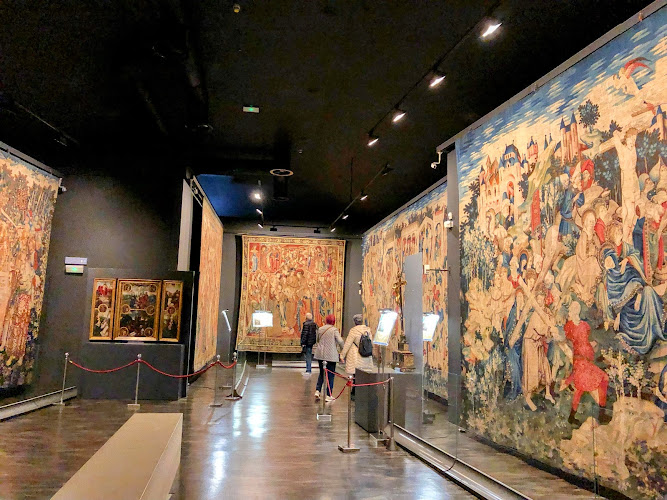
Tapestry Museum
Find Accommodations Nearby
Recommended Tours & Activities
Visitor Reviews
There are no reviews yet. Be the first one to write one.
Share Your Experience
Have you visited Mercado Central de Zaragoza? Help other travelers by leaving a review.