
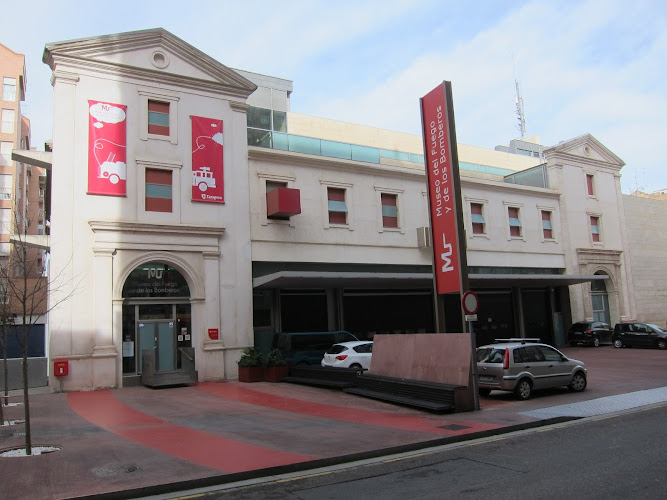
Fire and Fireforce Museum
About Fire and Fireforce Museum
Description
The Fire and Fireforce Museum is one of those unexpected, quietly brilliant museums in Zaragoza that travelers talk about later with a grin. It’s a museum in Zaragoza that dives into the history of firefighting in the city and beyond, weaving together antique fire engines, hand pumps, helmets, and uniforms with the work and life of firefighters—yesterday and today. Housed in a restored sixteenth-century convent, its cloistered walls and vaulted cellar add a sense of gravity and charm to a topic that’s anything but ordinary. The setting alone is worth a pause; you’re walking through centuries of stone and brick while standing beside gleaming red trucks and polished brass nozzles.
Inaugurated in 2012, this unique museum in Spain does two things exceptionally well: it celebrates the evolution of fire and the people who fought it, and it invites visitors to engage with the gear and stories in tangible ways. The collection moves from simple buckets and hand-drawn pumps to the boom of mechanized engines and modern firefighting equipment. From early helmets and woolen tunics to the arrival of self-contained breathing apparatus, you can track the evolution of safety—and bravery—piece by piece. The museum showcases a diverse collection: antique fire engines, vintage fire trucks, alarm bells, nozzles, axes, hoses, and a remarkable steam pumper that sparks questions even if you’ve never thought about pumping rates or water pressure in your life.
He’ll tell you it’s muy interesante. And yes, that’s the right phrase. The displays are thoughtfully laid out across several halls, with engaging displays and clear narratives that make the technical bits feel accessible. Kids love the scale of it all (big trucks, big ladders, big wheels), while adults tend to linger over the archival photos, incident reports, and historical artifacts related to major fires in Zaragoza. The museum also places a steady emphasis on prevention and public education. It’s not just shiny engines; there’s real learning here about fire safety, the work of firefighters, and how communities organize to protect themselves. As a lifelong museum-hopper and an incurable gear nerd, I found myself peering closely at the pump mechanisms and the evolution of helmet designs—those little details tell big stories.
And here’s the thing: most visitors come out smiling. The museum is family-friendly, educational, and unusually personal, often with staff or volunteers who clearly care about the profession. A few visitors do wish for more English-language labels in certain rooms or bigger spaces around the largest vehicles. That’s fair; it’s an intimate museum, not a cavernous warehouse. On busy weekends it can feel a tad snug. But it’s exactly that closeness—being nose-to-grille with antique fire engines—that makes the visit memorable. It’s the kind of attraction where you pick up a dozen fun facts without trying and leave with a new respect for the people who run toward flames when everyone else is stepping back.
For photographers, the setting is a treat: the lighting is museum-soft (bring a steady hand or up your ISO), the polished trucks reflect the arches and pillars, and the old brass shines beautifully in natural light pockets. Photography is generally allowed for personal use, though flash is often discouraged to preserve artifacts, and commercial photography usually requires prior permission. Drones? No, not indoors and not around an active fire station—best to leave them in the bag.
Accessibility-wise, the museum does a commendable job. There’s a wheelchair-accessible entrance and accessible restroom, and assisted listening devices are available—helpful for guided talks or special events. Restrooms are onsite. While there’s no restaurant inside, you’re in a central part of the city, so great cafés and tapas bars are only a short stroll away. If you’re traveling with kids or a big family group, that’s handy: pop out for a bite, pop back into Zaragoza’s firefighters museum without breaking stride.
One last note for planners: the Fire and Fireforce Museum often accommodates school groups and large tours, and that’s awesome. It’s a popular attraction, especially for families. If you prefer a quieter pass through the galleries, aim for early weekday mornings. If you’re bringing a group, a quick heads-up to the museum goes a long way. And if you’re collecting unique museums on your Spain itinerary, you’ll be glad this one made the cut.
Key Features
- Antique fire engines and vintage fire trucks: beautifully restored vehicles that show the leap from hand-drawn apparatus to motorized power
- Steam pumper and hand pumps: a close-up look at how pressure and ingenuity changed the playbook for firefighting
- Uniforms and helmets from different eras: trace the evolution of protection, from leather and brass to modern composites
- Firefighting equipment timeline: hoses, nozzles, axes, ladders, breathing gear—equipment used in real incidents over decades
- Engaging displays and interactive elements: thoughtfully designed exhibits that help visitors of all ages engage with the history of firefighting
- Educational focus on fire prevention and safety: practical lessons presented in a way that sticks, especially for younger visitors
- Historic building with a vaulted cellar for temporary exhibits: the old convent setting adds texture and context to the collection
- Family-friendly spaces: easy flow, compelling visuals, and a staff comfortable welcoming kids and curious minds
- Photography allowed for personal use: great visual opportunities; avoid flash to protect artifacts and check signage for any room-specific rules
- Accessibility: wheelchair-accessible entrance and restroom; assisted listening devices available on request
- Occasional guided tours and group visits: coordinated experiences for schools and organized groups by prior arrangement
Best Time to Visit
Pick a weekday morning if you can. That’s the sweet spot for quiet halls, unobstructed photos, and time to read the panels at your own pace. Mid-morning to lunch tends to be calmer than early afternoon, when school groups and families often arrive. If weekends are your only option, arrive right at opening; you’ll get space around the antique fire engines before the day fills up.
Seasonally, Zaragoza summers get hot, and the old town streets can be toasty by midday. The museum is a lovely way to escape the heat for 60–90 minutes and still feel like you’re doing something meaningful. Shoulder seasons (spring and autumn) are ideal for pairing a visit here with a walking tour of the historic center. Winter brings soft light that works well for photography inside the museum; the reflective surfaces on the trucks look beautiful on cooler days. And yes, if the forecast turns drizzly, this is a perfect rainy-day plan.
A practical note about hours: municipal museums can and do adjust opening hours for seasons, holidays, and special programming. Expect closures on some Mondays, possible reduced hours on Sundays, and occasional holiday exceptions. Always do a quick day-of check before you set out—your future self will thank you.
How to Get There
The Fire and Fireforce Museum sits in Zaragoza’s historic core, so it’s easy to fold into a day of exploring. On foot, it’s a short walk from major sights and squares, and the route is straightforward even if you’re new to the city. If you’re already touring the old town, you’re practically there.
By public transport, use the city bus or tram to reach the center, then walk a few minutes through the compact grid of streets. The tram gets you close without navigating narrow lanes by car, and buses cover most neighborhoods with frequent service. If you’re cycling, Zaragoza’s bike-friendly streets make it a low-stress ride; look for bike racks near public buildings and squares.
Driving into the old town is doable but not always the most relaxing choice. Street parking is limited and time-restricted. Your best bet is a public parking garage at the edge of the center; park once, then enjoy the short walk. Taxis and ride-hail drop-offs are straightforward and can be a stress-free option if you’re traveling with kids or mobility gear.
Coming from the intercity train or bus station, hop on the tram or a direct bus toward the center. Travel time is typically quick, and you’ll avoid the headache of finding a parking spot during peak hours.
Tips for Visiting
Whether you’re planning your first museum in Zaragoza or fine-tuning a return trip, these pointers will help you get the most from a visit to the Firefighters Museum Zaragoza:
- Timing your visit: Plan for 60–90 minutes. If you have children who love big vehicles, allow two hours—you’ll need it for the questions and photos.
- Tickets and discounts: Expect a modest admission fee, with discounts often available for children, students, seniors, and sometimes families or large groups. The Zaragoza Card may include entry or a discount in some seasons; check the latest details when you purchase the card.
- Advance booking: For regular individual visits, walk-up tickets are typically fine. For large groups or school trips, arrange in advance to secure a time slot and ask about guided tours.
- Guided tours and audio: Guided tours are sometimes offered during special events or by request for groups. If audio guides aren’t available during your visit, don’t worry—the exhibits are clear, and staff are happy to answer questions. Assisted listening devices can be requested for talks or guided sessions.
- Photography rules: Personal photography is usually allowed; avoid flash and respect no-photo symbols where posted. Commercial use requires permission, and drones are not permitted.
- What to photograph: The star shots are the vintage fire trucks, the steam pumper’s polished hardware, rows of helmets and uniforms, and the contrast of red engines against the convent’s arches. Soft, indirect light creates excellent reflections.
- Accessibility: The entrance and restrooms are wheelchair accessible, and circulation around the galleries is good. If you need assisted listening devices, ask at the desk when you arrive.
- Facilities: Restrooms are onsite. There’s no café or restaurant inside, so grab coffee or lunch nearby before or after your visit. This area is packed with local options.
- Language and labels: Most displays are in Spanish, with English present in key areas. If you don’t read Spanish, you’ll still enjoy the collection—vehicles and artifacts communicate plenty—but a translation app can help with deeper context.
- Family focus: It’s great for kids. Point out the evolution of helmets and uniforms, ask them how they think a pump works, and finish with a quick fire safety chat. This museum makes that conversation easy.
- Crowds: Weekends and school holiday periods bring more visitors. For a quieter experience, aim for weekday mornings and avoid late morning when school groups tend to arrive.
- Weather-smart planning: On hot days, pair the museum with a shaded stroll through the old town; on rainy days, linger in the vaults and take your time with the exhibits.
- Payment: Carry a card and a bit of cash, just in case. Policies can vary, and it’s handy to have options.
- Combine nearby sights: If you’re mapping your day near Fire and Fireforce Museum, consider adding a sculpture or art-focused stop, a plaza for people-watching, or a market visit. It’s easy to build a well-rounded Zaragoza itinerary within a few walkable blocks.
- Special events: Keep an eye out for temporary exhibitions in the vaulted cellar, family workshops, and seasonal activities related to fire safety. These programs are popular and can enrich your visit.
If you’re wondering how it stacks up against other attractions in Spain, here’s the truth: the Fire and Fireforce Museum Zaragoza Spain isn’t trying to overwhelm you with size; it wins with focus, storytelling, and authenticity. It’s a unique museum that feels personal without losing the bigger picture. And that’s why it sticks in the memory. You’ll learn, you’ll be surprised, and you may even find yourself appreciating the unsung engineering behind a well-designed pump or the quiet heroism sewn into a soot-stained uniform. It’s an attraction that respects your time and repays your curiosity—exactly what a good museum should do.
One final promise from a fellow traveler: give it an hour. The museum provides a comprehensive overview of the evolution of firefighting—how communities learned to protect each other and how the gear kept pace with bigger, smarter cities. You’ll step back into Zaragoza with a fuller sense of the place, and a mental image of a gleaming red engine under centuries-old arches that’s hard to shake. In the best possible way.
Key Features
- Collection of vintage fire engines including horse-drawn and early motorized pumpers
- Period uniforms, helmets, hand pumps and firefighting tools
- Historic photographs and documents detailing Zaragoza’s firefighting history
- Displays set within an active Area 2 fire station for authentic context
- Educational exhibits on the evolution of firefighting techniques and civil defense
More Details
Updated November 3, 2025
Table of Contents
Description
The Fire and Fireforce Museum is one of those unexpected, quietly brilliant museums in Zaragoza that travelers talk about later with a grin. It’s a museum in Zaragoza that dives into the history of firefighting in the city and beyond, weaving together antique fire engines, hand pumps, helmets, and uniforms with the work and life of firefighters—yesterday and today. Housed in a restored sixteenth-century convent, its cloistered walls and vaulted cellar add a sense of gravity and charm to a topic that’s anything but ordinary. The setting alone is worth a pause; you’re walking through centuries of stone and brick while standing beside gleaming red trucks and polished brass nozzles.
Inaugurated in 2012, this unique museum in Spain does two things exceptionally well: it celebrates the evolution of fire and the people who fought it, and it invites visitors to engage with the gear and stories in tangible ways. The collection moves from simple buckets and hand-drawn pumps to the boom of mechanized engines and modern firefighting equipment. From early helmets and woolen tunics to the arrival of self-contained breathing apparatus, you can track the evolution of safety—and bravery—piece by piece. The museum showcases a diverse collection: antique fire engines, vintage fire trucks, alarm bells, nozzles, axes, hoses, and a remarkable steam pumper that sparks questions even if you’ve never thought about pumping rates or water pressure in your life.
He’ll tell you it’s muy interesante. And yes, that’s the right phrase. The displays are thoughtfully laid out across several halls, with engaging displays and clear narratives that make the technical bits feel accessible. Kids love the scale of it all (big trucks, big ladders, big wheels), while adults tend to linger over the archival photos, incident reports, and historical artifacts related to major fires in Zaragoza. The museum also places a steady emphasis on prevention and public education. It’s not just shiny engines; there’s real learning here about fire safety, the work of firefighters, and how communities organize to protect themselves. As a lifelong museum-hopper and an incurable gear nerd, I found myself peering closely at the pump mechanisms and the evolution of helmet designs—those little details tell big stories.
And here’s the thing: most visitors come out smiling. The museum is family-friendly, educational, and unusually personal, often with staff or volunteers who clearly care about the profession. A few visitors do wish for more English-language labels in certain rooms or bigger spaces around the largest vehicles. That’s fair; it’s an intimate museum, not a cavernous warehouse. On busy weekends it can feel a tad snug. But it’s exactly that closeness—being nose-to-grille with antique fire engines—that makes the visit memorable. It’s the kind of attraction where you pick up a dozen fun facts without trying and leave with a new respect for the people who run toward flames when everyone else is stepping back.
For photographers, the setting is a treat: the lighting is museum-soft (bring a steady hand or up your ISO), the polished trucks reflect the arches and pillars, and the old brass shines beautifully in natural light pockets. Photography is generally allowed for personal use, though flash is often discouraged to preserve artifacts, and commercial photography usually requires prior permission. Drones? No, not indoors and not around an active fire station—best to leave them in the bag.
Accessibility-wise, the museum does a commendable job. There’s a wheelchair-accessible entrance and accessible restroom, and assisted listening devices are available—helpful for guided talks or special events. Restrooms are onsite. While there’s no restaurant inside, you’re in a central part of the city, so great cafés and tapas bars are only a short stroll away. If you’re traveling with kids or a big family group, that’s handy: pop out for a bite, pop back into Zaragoza’s firefighters museum without breaking stride.
One last note for planners: the Fire and Fireforce Museum often accommodates school groups and large tours, and that’s awesome. It’s a popular attraction, especially for families. If you prefer a quieter pass through the galleries, aim for early weekday mornings. If you’re bringing a group, a quick heads-up to the museum goes a long way. And if you’re collecting unique museums on your Spain itinerary, you’ll be glad this one made the cut.
Key Features
- Antique fire engines and vintage fire trucks: beautifully restored vehicles that show the leap from hand-drawn apparatus to motorized power
- Steam pumper and hand pumps: a close-up look at how pressure and ingenuity changed the playbook for firefighting
- Uniforms and helmets from different eras: trace the evolution of protection, from leather and brass to modern composites
- Firefighting equipment timeline: hoses, nozzles, axes, ladders, breathing gear—equipment used in real incidents over decades
- Engaging displays and interactive elements: thoughtfully designed exhibits that help visitors of all ages engage with the history of firefighting
- Educational focus on fire prevention and safety: practical lessons presented in a way that sticks, especially for younger visitors
- Historic building with a vaulted cellar for temporary exhibits: the old convent setting adds texture and context to the collection
- Family-friendly spaces: easy flow, compelling visuals, and a staff comfortable welcoming kids and curious minds
- Photography allowed for personal use: great visual opportunities; avoid flash to protect artifacts and check signage for any room-specific rules
- Accessibility: wheelchair-accessible entrance and restroom; assisted listening devices available on request
- Occasional guided tours and group visits: coordinated experiences for schools and organized groups by prior arrangement
Best Time to Visit
Pick a weekday morning if you can. That’s the sweet spot for quiet halls, unobstructed photos, and time to read the panels at your own pace. Mid-morning to lunch tends to be calmer than early afternoon, when school groups and families often arrive. If weekends are your only option, arrive right at opening; you’ll get space around the antique fire engines before the day fills up.
Seasonally, Zaragoza summers get hot, and the old town streets can be toasty by midday. The museum is a lovely way to escape the heat for 60–90 minutes and still feel like you’re doing something meaningful. Shoulder seasons (spring and autumn) are ideal for pairing a visit here with a walking tour of the historic center. Winter brings soft light that works well for photography inside the museum; the reflective surfaces on the trucks look beautiful on cooler days. And yes, if the forecast turns drizzly, this is a perfect rainy-day plan.
A practical note about hours: municipal museums can and do adjust opening hours for seasons, holidays, and special programming. Expect closures on some Mondays, possible reduced hours on Sundays, and occasional holiday exceptions. Always do a quick day-of check before you set out—your future self will thank you.
How to Get There
The Fire and Fireforce Museum sits in Zaragoza’s historic core, so it’s easy to fold into a day of exploring. On foot, it’s a short walk from major sights and squares, and the route is straightforward even if you’re new to the city. If you’re already touring the old town, you’re practically there.
By public transport, use the city bus or tram to reach the center, then walk a few minutes through the compact grid of streets. The tram gets you close without navigating narrow lanes by car, and buses cover most neighborhoods with frequent service. If you’re cycling, Zaragoza’s bike-friendly streets make it a low-stress ride; look for bike racks near public buildings and squares.
Driving into the old town is doable but not always the most relaxing choice. Street parking is limited and time-restricted. Your best bet is a public parking garage at the edge of the center; park once, then enjoy the short walk. Taxis and ride-hail drop-offs are straightforward and can be a stress-free option if you’re traveling with kids or mobility gear.
Coming from the intercity train or bus station, hop on the tram or a direct bus toward the center. Travel time is typically quick, and you’ll avoid the headache of finding a parking spot during peak hours.
Tips for Visiting
Whether you’re planning your first museum in Zaragoza or fine-tuning a return trip, these pointers will help you get the most from a visit to the Firefighters Museum Zaragoza:
- Timing your visit: Plan for 60–90 minutes. If you have children who love big vehicles, allow two hours—you’ll need it for the questions and photos.
- Tickets and discounts: Expect a modest admission fee, with discounts often available for children, students, seniors, and sometimes families or large groups. The Zaragoza Card may include entry or a discount in some seasons; check the latest details when you purchase the card.
- Advance booking: For regular individual visits, walk-up tickets are typically fine. For large groups or school trips, arrange in advance to secure a time slot and ask about guided tours.
- Guided tours and audio: Guided tours are sometimes offered during special events or by request for groups. If audio guides aren’t available during your visit, don’t worry—the exhibits are clear, and staff are happy to answer questions. Assisted listening devices can be requested for talks or guided sessions.
- Photography rules: Personal photography is usually allowed; avoid flash and respect no-photo symbols where posted. Commercial use requires permission, and drones are not permitted.
- What to photograph: The star shots are the vintage fire trucks, the steam pumper’s polished hardware, rows of helmets and uniforms, and the contrast of red engines against the convent’s arches. Soft, indirect light creates excellent reflections.
- Accessibility: The entrance and restrooms are wheelchair accessible, and circulation around the galleries is good. If you need assisted listening devices, ask at the desk when you arrive.
- Facilities: Restrooms are onsite. There’s no café or restaurant inside, so grab coffee or lunch nearby before or after your visit. This area is packed with local options.
- Language and labels: Most displays are in Spanish, with English present in key areas. If you don’t read Spanish, you’ll still enjoy the collection—vehicles and artifacts communicate plenty—but a translation app can help with deeper context.
- Family focus: It’s great for kids. Point out the evolution of helmets and uniforms, ask them how they think a pump works, and finish with a quick fire safety chat. This museum makes that conversation easy.
- Crowds: Weekends and school holiday periods bring more visitors. For a quieter experience, aim for weekday mornings and avoid late morning when school groups tend to arrive.
- Weather-smart planning: On hot days, pair the museum with a shaded stroll through the old town; on rainy days, linger in the vaults and take your time with the exhibits.
- Payment: Carry a card and a bit of cash, just in case. Policies can vary, and it’s handy to have options.
- Combine nearby sights: If you’re mapping your day near Fire and Fireforce Museum, consider adding a sculpture or art-focused stop, a plaza for people-watching, or a market visit. It’s easy to build a well-rounded Zaragoza itinerary within a few walkable blocks.
- Special events: Keep an eye out for temporary exhibitions in the vaulted cellar, family workshops, and seasonal activities related to fire safety. These programs are popular and can enrich your visit.
If you’re wondering how it stacks up against other attractions in Spain, here’s the truth: the Fire and Fireforce Museum Zaragoza Spain isn’t trying to overwhelm you with size; it wins with focus, storytelling, and authenticity. It’s a unique museum that feels personal without losing the bigger picture. And that’s why it sticks in the memory. You’ll learn, you’ll be surprised, and you may even find yourself appreciating the unsung engineering behind a well-designed pump or the quiet heroism sewn into a soot-stained uniform. It’s an attraction that respects your time and repays your curiosity—exactly what a good museum should do.
One final promise from a fellow traveler: give it an hour. The museum provides a comprehensive overview of the evolution of firefighting—how communities learned to protect each other and how the gear kept pace with bigger, smarter cities. You’ll step back into Zaragoza with a fuller sense of the place, and a mental image of a gleaming red engine under centuries-old arches that’s hard to shake. In the best possible way.
Key Highlights
- Collection of vintage fire engines including horse-drawn and early motorized pumpers
- Period uniforms, helmets, hand pumps and firefighting tools
- Historic photographs and documents detailing Zaragoza’s firefighting history
- Displays set within an active Area 2 fire station for authentic context
- Educational exhibits on the evolution of firefighting techniques and civil defense
Location
Places to Stay Near Fire and Fireforce Museum
Find and Book a Tour
Explore More Travel Guides
No reviews found! Be the first to review!
Traveler Reviews for Fire and Fireforce Museum
There are no reviews yet. Be the first one to write one.
Have you visited Fire and Fireforce Museum? Help other travelers by sharing your review.
Nearby Attractions
You Might Also Like
Stone Bridge

Palacio de Sástago

Aquarium River of Zaragoza
Find Accommodations Nearby
Recommended Tours & Activities
Visitor Reviews
There are no reviews yet. Be the first one to write one.
Share Your Experience
Have you visited Fire and Fireforce Museum? Help other travelers by leaving a review.