
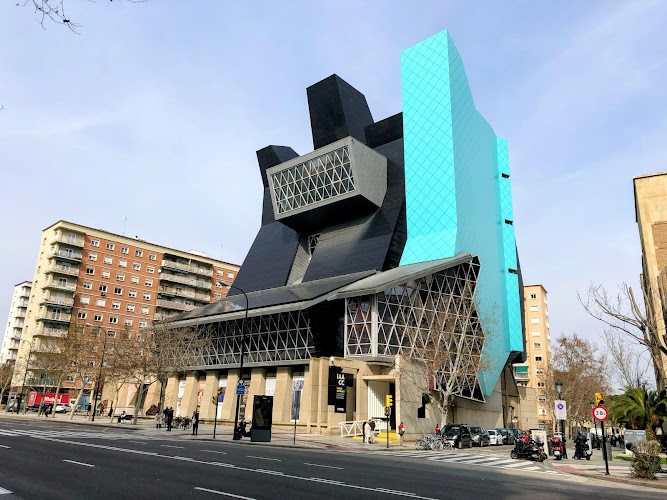
IAACC Pablo Serrano
About IAACC Pablo Serrano
Description
IAACC Pablo Serrano is one of those museums that quietly surprises travelers who thought they’d “seen enough contemporary art already.” It is the Aragonese Institute of Contemporary Art and Culture, a forward-looking museum that balances the legacy of the Aragonese sculptor Pablo Serrano with a steady flow of temporary exhibitions, photography, design, and experimental projects. The combination of striking architecture, a generous rooftop terrace, and a collection that spotlights both local and international artists makes it a smart stop on any Zaragoza itinerary.
First impressions matter. The building itself, expanded by architect José Manuel Pérez Latorre, announces its presence with angular lines, steel, and glass that catch the light in a way that almost feels sculptural. Inside, spacious galleries unfold around a central atrium that encourages lingering—exactly the kind of layout that invites you to wander, loop back, and discover a piece you somehow missed the first time around. This writer remembers stepping into one of the high-ceilinged halls on a hot summer day; the cool, open-toned interior felt like a pause button for the city outside.
What differentiates IAACC Pablo Serrano from other museums in Spain is how firmly it anchors itself in Aragón’s creative story while also widening the lens. Pablo Serrano (1908–1985), a Spanish sculptor best known for his raw, expressive iron and welded steel pieces, is the beating heart of the institution. You can trace the arc of his career through works that play with mass and void, tension and balance, the human figure abstracted to bold, essential forms. The museum also nods to the work of artist Juana Francés, Serrano’s partner and an important voice in Spanish modern art, adding a valuable counterpoint to understand the period’s experimentation.
Beyond the permanent holdings, the temporary exhibitions are the muscle that keeps the place dynamic. One month it might be an incisive photography show; another, a survey of mid-century Spanish abstraction or a contemporary installation that occupies an entire room with light and sound. It’s also the kind of museum that consistently gives space to creators from Aragón—artists like José Manuel Broto or Santiago Lagunas often come up in conversations here—which is great context if you’re trying to understand how art evolved in the city of Zaragoza in the 20th century and beyond. And for those who enjoy spotting big names, the programming occasionally dialogues with international currents and figures you’ve seen in textbooks. It’s not the largest museum in Spain, but it punches above its weight with curatorial energy.
Visitors regularly point out a few highlights. The terrace deserves special mention. Head up for panoramic views of Zaragoza’s skyline—yes, you’ll want your camera for those layered rooftops and the distant silhouette of the Pilar towers. The terrace is also a lovely spot to take a breather between galleries (and yes, the cierzo wind does whip through sometimes, which frankly adds a bit of fun drama to the view). Back inside, the large, minimalist spaces play nicely with sculpture; a single iron piece can command a hall and invite you to circle it like a planet.
The museum aims to be friendly to all ages. It’s good for kids thanks to wide, open floors, occasional family-friendly activities, and the simple fact that big sculptural forms are easier for younger visitors to engage with than small, text-heavy paintings. Practical comforts help: there are restrooms, a restaurant or café for a quick bite, and changing tables for families. Accessibility is noteworthy too: there’s a wheelchair accessible entrance and accessible restrooms, and elevators serve the floors. This is the type of place a group with mixed mobility needs can enjoy together without stress.
Is it perfect? No museum is. Sometimes a gallery is temporarily closed due to exhibition changeovers, or a show skews toward a niche theme that won’t resonate with every traveler. Labels can lean Spanish-first, which might slow down non-Spanish speakers unless a bilingual guide sheet or audio is on hand. But overall, the experience still feels balanced: a handsome building, consistently interesting exhibitions, and a rooftop view that caps it all.
For the traveler plotting two or three days in Zaragoza, IAACC Pablo Serrano checks a lot of boxes: contemporary art, regional storytelling, architecture, and a touch of urban scenery. And because the museum is usually less crowded than the marquee monuments, it offers that elusive city-break luxury: calm.
Key Features
- Striking contemporary building with spacious galleries designed for large-scale sculpture and immersive installations
- Extensive focus on works by the Aragonese sculptor Pablo Serrano, including iron and welded steel pieces
- Programming that blends modern and contemporary art: painting, sculpture, photography, design, and multimedia
- Temporary exhibitions featuring Spanish and international artists, including voices from Aragón
- Rooftop terrace with panoramic views of Zaragoza—excellent for photos around golden hour
- Wheelchair accessible entrance and accessible restrooms; elevators between floors
- Family-friendly amenities: restrooms and changing tables; open spaces that work well for strollers
- On-site restaurant or café for coffee, lunch, or a late-afternoon refuel
- Possibility of guided tours and educational programs (often in Spanish; group bookings recommended)
- Photography typically allowed without flash in the permanent collection; temporary shows may have restrictions
- Usually no need to prebook; short queues and a relaxed pace most days
- Good signage and staff guidance; occasional bilingual materials depending on the exhibition
Best Time to Visit
In Zaragoza, timing changes the experience more than you might think. The museum’s rhythm tends to be calm on weekday mornings and late afternoons; weekends can be livelier, especially when a new exhibition opens. If you’re chasing the terrace view, target late afternoon into early evening for warmer light. On cloudy days, the steel-and-glass facade takes on a moody elegance as reflections soften and shadows deepen in the atrium—great for photography, actually.
Seasonally, spring and autumn are comfortable, with mild temperatures and fewer extremes. Summer is hot and dry (Zaragoza regularly crosses 30°C in July and August), so a cool museum afternoon can feel like a gift; many travelers pop in after lunch when the sun’s high. Winter is crisp and sometimes windy—locals will mention the cierzo—so indoor cultural stops pack extra appeal, and the terrace can still be bracingly beautiful if you’ve got a jacket.
As for hours, the typical schedule in Zaragoza for museums of this type is split: morning and late-afternoon/evening openings, with a midday closure, and Monday usually closed. IAACC Pablo Serrano frequently follows a pattern like 10:00–14:00 and 17:00–21:00, with shorter hours on Sundays and holidays. That said, exhibitions and public holidays can nudge times slightly, so it’s smart to confirm the current schedule just before you go. If you like quiet galleries, aim for the first hour after opening or the last hour before closing.
How to Get There
IAACC Pablo Serrano sits a short, straightforward walk from Zaragoza’s commercial and historic core. From the main shopping spine and plazas (think Paseo Independencia and Plaza Aragón), it’s roughly a 10–15 minute stroll depending on your pace. The route’s easy, mostly flat, and gives you a nice street-level feel for the city.
Public transport is simple too. Zaragoza’s tram (Tranvía) runs north–south along the center; hop off around Plaza Aragón or Gran Vía and walk west for several blocks. City buses have frequent stops along major avenues nearby, including around the Puerta del Carmen area. If you’re coming by train or long-distance bus into Zaragoza-Delicias station, a taxi or rideshare to the museum is typically 8–10 minutes in light traffic, or catch a city bus toward the center and hop off near Paseo María Agustín, then walk a few minutes.
Driving? Street parking in the broader area is a mix of paid and time-limited zones during the day, with a handful of public garages within walking distance. If you’re exploring multiple sites in one go, it may be easier to park once in the center and walk to the museum, then continue on to other stops.
Cycling is increasingly popular in Zaragoza; the avenues are wide, and several bike lanes connect with the center. The museum’s flat approaches make it a relaxed ride if you’re using a rental or a hotel bike. Just remember to lock up well—safe and standard city practice.
Tips for Visiting
Practical advice makes a cultural stop even smoother, so here’s what travelers tend to appreciate most:
- Plan 60–90 minutes for a relaxed visit; add 30–45 minutes if a major temporary exhibition is on
- Check what’s showing before you arrive; the museum’s identity is shaped by its temporary exhibitions as much as by its core collection
- Head to the terrace near sunset for warm light and clean skyline views; on windy days, hold onto your hat—Zaragoza’s cierzo loves a good gust
- Photography is usually fine without flash in the permanent galleries; temporary shows may limit photos, so look for signage
- Families can bring strollers easily; there are changing tables and plenty of space to maneuver
- Accessibility is strong: wheelchair-friendly access and restrooms, elevators, and generally smooth floors
- Guided tours: expect Spanish-language tours and school groups; for private or group visits, arrange ahead so you can get the timing and language you want
- Admission: as a public museum, general entry is often free or very affordable; special exhibitions may be ticketed; discounts for students and seniors are common in Zaragoza’s museums—bring ID
- Opening hours: think split shifts (morning and late afternoon/evening), with Monday closures; verify the day-of schedule during holidays
- Food and breaks: a restaurant or café on-site helps with the midday gap; if you’re between meals, coffee plus terrace equals a happy pause
- Combine with nearby sights: it pairs well with an architectural stroll, a stop at a historic church, or a session of tapas back toward the center
- Language: labels may lean Spanish; if you’re a deep reader, consider a quick translation app for dense wall texts; staff are helpful if you ask
- What to wear: comfortable shoes for concrete floors and stair-free wandering; a light layer for the terrace, especially off-season
- Best spots for photos: the rooftop for city views; the angular exterior facade from across the street; the atrium for dramatic geometry; and any large-format sculpture with generous negative space
- Kids’ engagement tip: count textures and materials—iron, steel, bronze—and ask which shapes look “balanced” or “about to tip,” a fun way to spark curiosity in abstract sculpture
Common visitor questions come up often, so here are concise answers that help with planning:
- Do I need to book? Generally no. Walk-ins are typical. Book if you want a guided visit or there’s a major event.
- How long do I spend? Around 1.5 hours is comfortable, more if you linger or if a big show is on.
- Free entry days or discounts? Public museums in Spain frequently offer free or reduced entry at specific times. Expect generous access, with occasional paid temporary shows. Bring student/senior ID if that applies.
- Guided tours? Offered seasonally or for groups; most in Spanish. Ask about English options ahead of time.
- Is it good for art lovers? Absolutely—especially sculpture fans and anyone curious about modern and contemporary art in Aragón.
- Is it accessible? Yes: accessible entrance, elevators, and restrooms.
- Photos? Usually allowed without flash in permanent collections. Temporary exhibitions may vary.
- What art is on display? Works by Pablo Serrano are central, alongside rotating shows of Spanish and international artists across painting, sculpture, photography, and mixed media. Look for names linked to Aragón’s art scene as context to the city’s modern history.
- Weather in Zaragoza? Summers are hot and dry; winters are crisp and sometimes windy. Spring and autumn are mild. The museum is a great midday refuge in summer.
If the goal is to understand Zaragoza beyond the postcard views, IAACC Pablo Serrano does something quietly important: it ties the city’s past and present through the language of contemporary art. Some days, a single iron sculpture by Serrano can say more about resilience and form than a dozen paragraphs. Other days, a photography exhibition will leave you thinking about the city differently as you walk back out into the street. Either way, it’s time well spent—and a top-tier terrace to boot.
Key Features
- Striking contemporary building with spacious galleries designed for large-scale sculpture and immersive installations
- Extensive focus on works by the Aragonese sculptor Pablo Serrano, including iron and welded steel pieces
- Programming that blends modern and contemporary art: painting, sculpture, photography, design, and multimedia
- Temporary exhibitions featuring Spanish and international artists, including voices from Aragón
- Rooftop terrace with panoramic views of Zaragoza—excellent for photos around golden hour
- Wheelchair accessible entrance and accessible restrooms; elevators between floors
- Family-friendly amenities: restrooms and changing tables; open spaces that work well for strollers
- On-site restaurant or café for coffee, lunch, or a late-afternoon refuel
More Details
Updated November 4, 2025
Table of Contents
Description
IAACC Pablo Serrano is one of those museums that quietly surprises travelers who thought they’d “seen enough contemporary art already.” It is the Aragonese Institute of Contemporary Art and Culture, a forward-looking museum that balances the legacy of the Aragonese sculptor Pablo Serrano with a steady flow of temporary exhibitions, photography, design, and experimental projects. The combination of striking architecture, a generous rooftop terrace, and a collection that spotlights both local and international artists makes it a smart stop on any Zaragoza itinerary.
First impressions matter. The building itself, expanded by architect José Manuel Pérez Latorre, announces its presence with angular lines, steel, and glass that catch the light in a way that almost feels sculptural. Inside, spacious galleries unfold around a central atrium that encourages lingering—exactly the kind of layout that invites you to wander, loop back, and discover a piece you somehow missed the first time around. This writer remembers stepping into one of the high-ceilinged halls on a hot summer day; the cool, open-toned interior felt like a pause button for the city outside.
What differentiates IAACC Pablo Serrano from other museums in Spain is how firmly it anchors itself in Aragón’s creative story while also widening the lens. Pablo Serrano (1908–1985), a Spanish sculptor best known for his raw, expressive iron and welded steel pieces, is the beating heart of the institution. You can trace the arc of his career through works that play with mass and void, tension and balance, the human figure abstracted to bold, essential forms. The museum also nods to the work of artist Juana Francés, Serrano’s partner and an important voice in Spanish modern art, adding a valuable counterpoint to understand the period’s experimentation.
Beyond the permanent holdings, the temporary exhibitions are the muscle that keeps the place dynamic. One month it might be an incisive photography show; another, a survey of mid-century Spanish abstraction or a contemporary installation that occupies an entire room with light and sound. It’s also the kind of museum that consistently gives space to creators from Aragón—artists like José Manuel Broto or Santiago Lagunas often come up in conversations here—which is great context if you’re trying to understand how art evolved in the city of Zaragoza in the 20th century and beyond. And for those who enjoy spotting big names, the programming occasionally dialogues with international currents and figures you’ve seen in textbooks. It’s not the largest museum in Spain, but it punches above its weight with curatorial energy.
Visitors regularly point out a few highlights. The terrace deserves special mention. Head up for panoramic views of Zaragoza’s skyline—yes, you’ll want your camera for those layered rooftops and the distant silhouette of the Pilar towers. The terrace is also a lovely spot to take a breather between galleries (and yes, the cierzo wind does whip through sometimes, which frankly adds a bit of fun drama to the view). Back inside, the large, minimalist spaces play nicely with sculpture; a single iron piece can command a hall and invite you to circle it like a planet.
The museum aims to be friendly to all ages. It’s good for kids thanks to wide, open floors, occasional family-friendly activities, and the simple fact that big sculptural forms are easier for younger visitors to engage with than small, text-heavy paintings. Practical comforts help: there are restrooms, a restaurant or café for a quick bite, and changing tables for families. Accessibility is noteworthy too: there’s a wheelchair accessible entrance and accessible restrooms, and elevators serve the floors. This is the type of place a group with mixed mobility needs can enjoy together without stress.
Is it perfect? No museum is. Sometimes a gallery is temporarily closed due to exhibition changeovers, or a show skews toward a niche theme that won’t resonate with every traveler. Labels can lean Spanish-first, which might slow down non-Spanish speakers unless a bilingual guide sheet or audio is on hand. But overall, the experience still feels balanced: a handsome building, consistently interesting exhibitions, and a rooftop view that caps it all.
For the traveler plotting two or three days in Zaragoza, IAACC Pablo Serrano checks a lot of boxes: contemporary art, regional storytelling, architecture, and a touch of urban scenery. And because the museum is usually less crowded than the marquee monuments, it offers that elusive city-break luxury: calm.
Key Features
- Striking contemporary building with spacious galleries designed for large-scale sculpture and immersive installations
- Extensive focus on works by the Aragonese sculptor Pablo Serrano, including iron and welded steel pieces
- Programming that blends modern and contemporary art: painting, sculpture, photography, design, and multimedia
- Temporary exhibitions featuring Spanish and international artists, including voices from Aragón
- Rooftop terrace with panoramic views of Zaragoza—excellent for photos around golden hour
- Wheelchair accessible entrance and accessible restrooms; elevators between floors
- Family-friendly amenities: restrooms and changing tables; open spaces that work well for strollers
- On-site restaurant or café for coffee, lunch, or a late-afternoon refuel
- Possibility of guided tours and educational programs (often in Spanish; group bookings recommended)
- Photography typically allowed without flash in the permanent collection; temporary shows may have restrictions
- Usually no need to prebook; short queues and a relaxed pace most days
- Good signage and staff guidance; occasional bilingual materials depending on the exhibition
Best Time to Visit
In Zaragoza, timing changes the experience more than you might think. The museum’s rhythm tends to be calm on weekday mornings and late afternoons; weekends can be livelier, especially when a new exhibition opens. If you’re chasing the terrace view, target late afternoon into early evening for warmer light. On cloudy days, the steel-and-glass facade takes on a moody elegance as reflections soften and shadows deepen in the atrium—great for photography, actually.
Seasonally, spring and autumn are comfortable, with mild temperatures and fewer extremes. Summer is hot and dry (Zaragoza regularly crosses 30°C in July and August), so a cool museum afternoon can feel like a gift; many travelers pop in after lunch when the sun’s high. Winter is crisp and sometimes windy—locals will mention the cierzo—so indoor cultural stops pack extra appeal, and the terrace can still be bracingly beautiful if you’ve got a jacket.
As for hours, the typical schedule in Zaragoza for museums of this type is split: morning and late-afternoon/evening openings, with a midday closure, and Monday usually closed. IAACC Pablo Serrano frequently follows a pattern like 10:00–14:00 and 17:00–21:00, with shorter hours on Sundays and holidays. That said, exhibitions and public holidays can nudge times slightly, so it’s smart to confirm the current schedule just before you go. If you like quiet galleries, aim for the first hour after opening or the last hour before closing.
How to Get There
IAACC Pablo Serrano sits a short, straightforward walk from Zaragoza’s commercial and historic core. From the main shopping spine and plazas (think Paseo Independencia and Plaza Aragón), it’s roughly a 10–15 minute stroll depending on your pace. The route’s easy, mostly flat, and gives you a nice street-level feel for the city.
Public transport is simple too. Zaragoza’s tram (Tranvía) runs north–south along the center; hop off around Plaza Aragón or Gran Vía and walk west for several blocks. City buses have frequent stops along major avenues nearby, including around the Puerta del Carmen area. If you’re coming by train or long-distance bus into Zaragoza-Delicias station, a taxi or rideshare to the museum is typically 8–10 minutes in light traffic, or catch a city bus toward the center and hop off near Paseo María Agustín, then walk a few minutes.
Driving? Street parking in the broader area is a mix of paid and time-limited zones during the day, with a handful of public garages within walking distance. If you’re exploring multiple sites in one go, it may be easier to park once in the center and walk to the museum, then continue on to other stops.
Cycling is increasingly popular in Zaragoza; the avenues are wide, and several bike lanes connect with the center. The museum’s flat approaches make it a relaxed ride if you’re using a rental or a hotel bike. Just remember to lock up well—safe and standard city practice.
Tips for Visiting
Practical advice makes a cultural stop even smoother, so here’s what travelers tend to appreciate most:
- Plan 60–90 minutes for a relaxed visit; add 30–45 minutes if a major temporary exhibition is on
- Check what’s showing before you arrive; the museum’s identity is shaped by its temporary exhibitions as much as by its core collection
- Head to the terrace near sunset for warm light and clean skyline views; on windy days, hold onto your hat—Zaragoza’s cierzo loves a good gust
- Photography is usually fine without flash in the permanent galleries; temporary shows may limit photos, so look for signage
- Families can bring strollers easily; there are changing tables and plenty of space to maneuver
- Accessibility is strong: wheelchair-friendly access and restrooms, elevators, and generally smooth floors
- Guided tours: expect Spanish-language tours and school groups; for private or group visits, arrange ahead so you can get the timing and language you want
- Admission: as a public museum, general entry is often free or very affordable; special exhibitions may be ticketed; discounts for students and seniors are common in Zaragoza’s museums—bring ID
- Opening hours: think split shifts (morning and late afternoon/evening), with Monday closures; verify the day-of schedule during holidays
- Food and breaks: a restaurant or café on-site helps with the midday gap; if you’re between meals, coffee plus terrace equals a happy pause
- Combine with nearby sights: it pairs well with an architectural stroll, a stop at a historic church, or a session of tapas back toward the center
- Language: labels may lean Spanish; if you’re a deep reader, consider a quick translation app for dense wall texts; staff are helpful if you ask
- What to wear: comfortable shoes for concrete floors and stair-free wandering; a light layer for the terrace, especially off-season
- Best spots for photos: the rooftop for city views; the angular exterior facade from across the street; the atrium for dramatic geometry; and any large-format sculpture with generous negative space
- Kids’ engagement tip: count textures and materials—iron, steel, bronze—and ask which shapes look “balanced” or “about to tip,” a fun way to spark curiosity in abstract sculpture
Common visitor questions come up often, so here are concise answers that help with planning:
- Do I need to book? Generally no. Walk-ins are typical. Book if you want a guided visit or there’s a major event.
- How long do I spend? Around 1.5 hours is comfortable, more if you linger or if a big show is on.
- Free entry days or discounts? Public museums in Spain frequently offer free or reduced entry at specific times. Expect generous access, with occasional paid temporary shows. Bring student/senior ID if that applies.
- Guided tours? Offered seasonally or for groups; most in Spanish. Ask about English options ahead of time.
- Is it good for art lovers? Absolutely—especially sculpture fans and anyone curious about modern and contemporary art in Aragón.
- Is it accessible? Yes: accessible entrance, elevators, and restrooms.
- Photos? Usually allowed without flash in permanent collections. Temporary exhibitions may vary.
- What art is on display? Works by Pablo Serrano are central, alongside rotating shows of Spanish and international artists across painting, sculpture, photography, and mixed media. Look for names linked to Aragón’s art scene as context to the city’s modern history.
- Weather in Zaragoza? Summers are hot and dry; winters are crisp and sometimes windy. Spring and autumn are mild. The museum is a great midday refuge in summer.
If the goal is to understand Zaragoza beyond the postcard views, IAACC Pablo Serrano does something quietly important: it ties the city’s past and present through the language of contemporary art. Some days, a single iron sculpture by Serrano can say more about resilience and form than a dozen paragraphs. Other days, a photography exhibition will leave you thinking about the city differently as you walk back out into the street. Either way, it’s time well spent—and a top-tier terrace to boot.
Key Highlights
- Striking contemporary building with spacious galleries designed for large-scale sculpture and immersive installations
- Extensive focus on works by the Aragonese sculptor Pablo Serrano, including iron and welded steel pieces
- Programming that blends modern and contemporary art: painting, sculpture, photography, design, and multimedia
- Temporary exhibitions featuring Spanish and international artists, including voices from Aragón
- Rooftop terrace with panoramic views of Zaragoza—excellent for photos around golden hour
- Wheelchair accessible entrance and accessible restrooms; elevators between floors
- Family-friendly amenities: restrooms and changing tables; open spaces that work well for strollers
- On-site restaurant or café for coffee, lunch, or a late-afternoon refuel
Location
Places to Stay Near IAACC Pablo Serrano
Find and Book a Tour
Explore More Travel Guides
No reviews found! Be the first to review!
Traveler Reviews for IAACC Pablo Serrano
There are no reviews yet. Be the first one to write one.
Have you visited IAACC Pablo Serrano? Help other travelers by sharing your review.
You Might Also Like
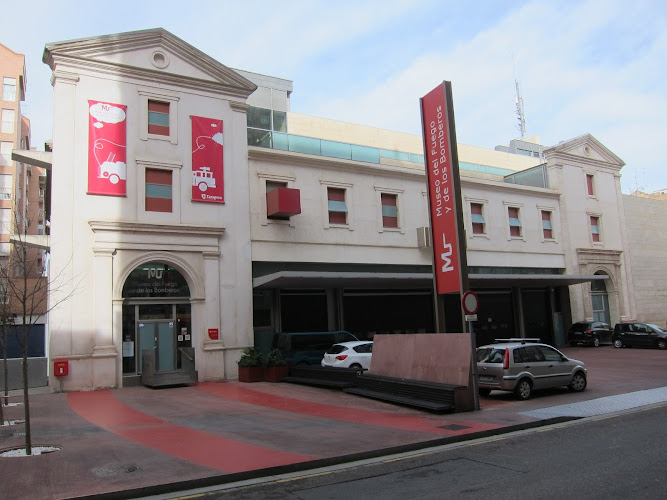
Fire and Fireforce Museum
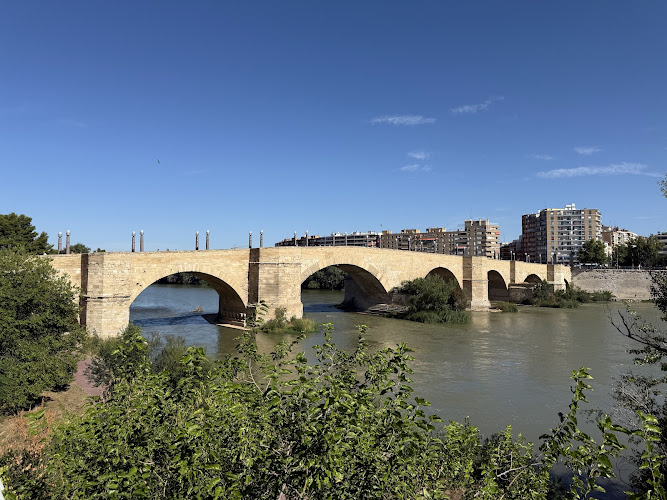
Stone Bridge

Mercado Central de Zaragoza
Find Accommodations Nearby
Recommended Tours & Activities
Visitor Reviews
There are no reviews yet. Be the first one to write one.
Share Your Experience
Have you visited IAACC Pablo Serrano? Help other travelers by leaving a review.