
Pl. du Capitole
About Pl. du Capitole
Description
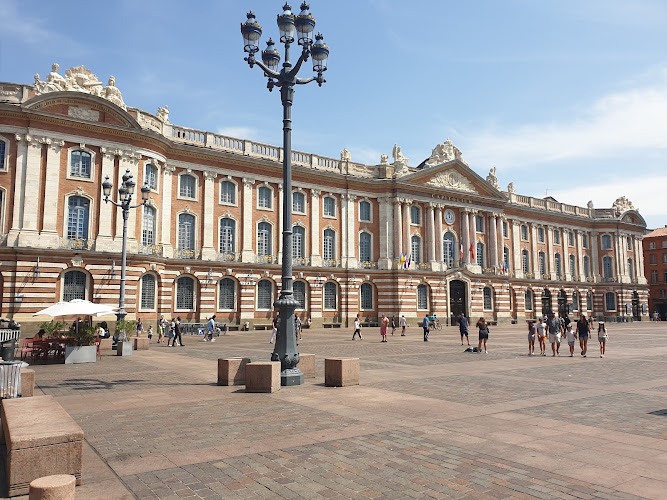
The Place du Capitole sits right at the heart of Toulouse, and honestly, it's one of those squares that manages to be both a functioning civic space and a genuine architectural marvel at the same time. When you first step into this massive plaza, you're immediately struck by the sheer scale of the thing – we're talking about 12,000 square meters of open space bordered by the most stunning pink brick building that stretches along the entire eastern side. This isn't just any old city square though. The Capitole building itself has been the seat of Toulouse's municipal power since the 12th century, and what you see today is the result of centuries of renovations and additions. The current facade dates back to the 1750s, all done up in that gorgeous neoclassical style that the French do so well. Inside these walls, you've got the city hall running the show, but that's not all – there's also a proper opera house and a concert hall that hosts the Orchestre National du Capitole. I remember my first visit there on a Wednesday morning, and the place was already buzzing with locals grabbing coffee at the outdoor cafes, students rushing across the square, and tourists like myself just standing there with mouths hanging open. The thing about this square is that it actually works as a living, breathing part of the city rather than just existing as a tourist attraction. The ground itself is paved in pink and grey, creating geometric patterns that look particularly striking when the afternoon sun hits just right. And those eight columns on the facade? Each one represents a different capitoul – that's what they called the magistrates who ran Toulouse back in the day. The attention to historical detail here is pretty impressive when you start paying attention to it.Key Features
- The Salle des Illustres ranks among the most breathtaking ceremonial rooms you'll find anywhere in France, with painted ceilings and gilded decorations that would make Versailles jealous
- Henri Martin's enormous paintings covering the walls and ceilings throughout the building showcase 19th-century artistic achievement at its finest
- The Théâtre du Capitole operates as a major opera house with a season running from September through June, featuring world-class performances in an intimate 1,100-seat venue
- Eight pink marble columns grace the building's facade, each one topped with a capital representing Toulouse's historical governance structure
- A bronze cross embedded in the pavement marks the spot where the Duke of Montmorency was executed in 1632 – morbid history but fascinating nonetheless
- The Salle Gervais features remarkable frescoes and serves as the primary reception room for official city functions
- Free access to certain parts of the building during business hours allows visitors to experience the grandeur without paying admission
- The weekly markets and seasonal events transform the square into a dynamic public gathering space throughout the year
- An underground parking garage sits directly beneath the square, making it surprisingly accessible despite being in the old town center
- The Tourist Office occupies one corner of the square, providing convenient access to maps and information for exploring the rest of Toulouse
Best Time to Visit
Look, I'm gonna be straight with you about timing here. Summer brings the crowds – and I mean serious crowds. July and August see the square packed with tour groups, and while the atmosphere is lively, you'll be competing with hundreds of others for those perfect photos. But if you don't mind the company and want to experience the place when it's most animated, summer evenings are actually pretty magical. The cafes stay open late, street performers work the crowd, and there's definitely an energy to it. Spring, particularly April and May, offers what I'd call the sweet spot for visiting. The weather's warming up nicely, the jacaranda trees around the city are blooming, and you haven't hit peak tourist season yet. The opera house is still in full swing with their season, so you've got a better shot at snagging tickets to a performance without selling a kidney. Fall works wonderfully too, especially September and early October. The summer rush has died down, but the weather's still pleasant enough to sit outside at one of those cafes nursing an espresso and watching the world go by. Plus, the cultural calendar picks back up after the August vacation period, meaning more events and activities happening around the square. Winter has its own charm, though I'll admit it's not for everyone. December brings Christmas markets to the square, which transforms the whole space into something fairly enchanting. But January and February can be pretty grey and cold. The upside? You'll practically have the place to yourself for photos, and the indoor attractions like the Salle des Illustres become even more appealing when it's chilly outside. For the interior visits, weekday mornings between 9 and 11 AM work best. The city hall staff are getting on with their business, but the tourist rush hasn't started yet. And here's a tip I learned the hard way – check the events calendar before you go, because they sometimes close sections for official functions.How to Get There
Getting to Place du Capitole is refreshingly straightforward, which isn't always the case with major European landmarks. The square sits smack in the center of Toulouse's old town, making it accessible from pretty much anywhere in the city. The metro is probably your best bet if you're coming from further out. Take Line A to the Capitole station, and you'll emerge literally steps away from the square itself. Can't get much easier than that. The Toulouse metro is clean, efficient, and runs frequently throughout the day. A single ticket costs around 1.70 euros, though if you're planning multiple trips, grab a carnet of ten tickets or a day pass. Several bus lines stop at or near the square as well. Numbers 2, 10, 12, 14, 38, and 78 all service the Capitole area. The bus network in Toulouse is extensive and reliable, though it can get crowded during rush hours. But that's city life for you. If you're already staying somewhere in the historic center, walking is honestly the way to go. The old town isn't that large, and you'll stumble across all sorts of interesting shops, cafes, and architectural details along the way. I walked from the Saint-Sernin Basilica, which took maybe 15 minutes at a leisurely pace, and passed half a dozen places I wanted to explore on the way back. For those driving – and I wouldn't necessarily recommend this – there's underground parking directly beneath the square called Parking du Capitole. It's convenient but can be pricey if you're staying for several hours. Street parking in this area ranges from difficult to impossible, so save yourself the headache. The Toulouse-Matabiau train station sits about 20 minutes walk from the square, or you can hop on the metro for two stops. Taxis and ride-shares work too, though you might get dropped off a block or two away since vehicle access to the square itself is restricted during certain hours.Tips for Visiting
First things first – the Salle des Illustres and other interior rooms are open to the public for free on weekdays, but only when there aren't official events happening. Don't assume you can waltz in anytime. Check with the Tourist Office in the square or call ahead to confirm access times. I've seen disappointed visitors turned away at the doors more times than I can count. Dress codes apply if you're attending a performance at the opera house. This isn't overly formal, but showing up in shorts and flip-flops won't cut it. Smart casual works fine for most performances, though opening nights and gala events call for more elevated attire. The cafes ringing the square charge premium prices for those prime outdoor tables. You're paying for the view and the location, which is fine if that's what you want. But if you're looking to save a few euros, walk literally one street back from the square and you'll find equally good cafes charging 30-40% less. The locals know this trick well. Photography inside the Capitole building is generally allowed in public areas, but flash photography and tripods are prohibited. Be respectful of the fact that actual government business happens here – it's not a museum, it's a working city hall. Security can get testy if you start wandering into restricted areas. Wednesday and Saturday mornings bring farmers markets to the square, which is a fantastic time to visit if you want to experience the local culture. You'll find fresh produce, regional cheeses, cured meats, and all sorts of Toulouse specialties. Bring cash, as not all vendors take cards. The square can feel a bit overwhelming during peak hours with all the activity. If you want a quieter, more contemplative experience, early mornings before 8 AM or late evenings after 10 PM offer a completely different atmosphere. The facade lighting at night is spectacular too. Don't skip the cross in the pavement I mentioned earlier. It's easy to walk right over it without noticing, but there's a plaque nearby explaining the historical significance. These little details add depth to your visit beyond just admiring pretty architecture. If you're interested in catching a performance at the opera house, book well in advance for popular productions. Rush tickets sometimes become available, but don't count on it. The acoustics in the theater are exceptional, and even the cheaper seats offer good views and sound quality. Lastly, use the square as your central navigation point for exploring Toulouse. The Tourist Office there provides excellent free maps, and the staff actually know what they're talking about. From the Capitole, you can easily walk to most major sights in the old town, making it the perfect starting point for a day of exploration.Key Features
- The Salle des Illustres ranks among the most breathtaking ceremonial rooms you'll find anywhere in France, with painted ceilings and gilded decorations that would make Versailles jealous
- Henri Martin's enormous paintings covering the walls and ceilings throughout the building showcase 19th-century artistic achievement at its finest
- The Théâtre du Capitole operates as a major opera house with a season running from September through June, featuring world-class performances in an intimate 1,100-seat venue
- Eight pink marble columns grace the building's facade, each one topped with a capital representing Toulouse's historical governance structure
- A bronze cross embedded in the pavement marks the spot where the Duke of Montmorency was executed in 1632 – morbid history but fascinating nonetheless
- The Salle Gervais features remarkable frescoes and serves as the primary reception room for official city functions
- Free access to certain parts of the building during business hours allows visitors to experience the grandeur without paying admission
- The weekly markets and seasonal events transform the square into a dynamic public gathering space throughout the year
More Details
Updated January 19, 2026
Table of Contents
Description
The Place du Capitole sits right at the heart of Toulouse, and honestly, it’s one of those squares that manages to be both a functioning civic space and a genuine architectural marvel at the same time. When you first step into this massive plaza, you’re immediately struck by the sheer scale of the thing – we’re talking about 12,000 square meters of open space bordered by the most stunning pink brick building that stretches along the entire eastern side.
This isn’t just any old city square though. The Capitole building itself has been the seat of Toulouse’s municipal power since the 12th century, and what you see today is the result of centuries of renovations and additions. The current facade dates back to the 1750s, all done up in that gorgeous neoclassical style that the French do so well. Inside these walls, you’ve got the city hall running the show, but that’s not all – there’s also a proper opera house and a concert hall that hosts the Orchestre National du Capitole.
I remember my first visit there on a Wednesday morning, and the place was already buzzing with locals grabbing coffee at the outdoor cafes, students rushing across the square, and tourists like myself just standing there with mouths hanging open. The thing about this square is that it actually works as a living, breathing part of the city rather than just existing as a tourist attraction.
The ground itself is paved in pink and grey, creating geometric patterns that look particularly striking when the afternoon sun hits just right. And those eight columns on the facade? Each one represents a different capitoul – that’s what they called the magistrates who ran Toulouse back in the day. The attention to historical detail here is pretty impressive when you start paying attention to it.
Key Features
- The Salle des Illustres ranks among the most breathtaking ceremonial rooms you’ll find anywhere in France, with painted ceilings and gilded decorations that would make Versailles jealous
- Henri Martin’s enormous paintings covering the walls and ceilings throughout the building showcase 19th-century artistic achievement at its finest
- The Théâtre du Capitole operates as a major opera house with a season running from September through June, featuring world-class performances in an intimate 1,100-seat venue
- Eight pink marble columns grace the building’s facade, each one topped with a capital representing Toulouse’s historical governance structure
- A bronze cross embedded in the pavement marks the spot where the Duke of Montmorency was executed in 1632 – morbid history but fascinating nonetheless
- The Salle Gervais features remarkable frescoes and serves as the primary reception room for official city functions
- Free access to certain parts of the building during business hours allows visitors to experience the grandeur without paying admission
- The weekly markets and seasonal events transform the square into a dynamic public gathering space throughout the year
- An underground parking garage sits directly beneath the square, making it surprisingly accessible despite being in the old town center
- The Tourist Office occupies one corner of the square, providing convenient access to maps and information for exploring the rest of Toulouse
Best Time to Visit
Look, I’m gonna be straight with you about timing here. Summer brings the crowds – and I mean serious crowds. July and August see the square packed with tour groups, and while the atmosphere is lively, you’ll be competing with hundreds of others for those perfect photos. But if you don’t mind the company and want to experience the place when it’s most animated, summer evenings are actually pretty magical. The cafes stay open late, street performers work the crowd, and there’s definitely an energy to it.
Spring, particularly April and May, offers what I’d call the sweet spot for visiting. The weather’s warming up nicely, the jacaranda trees around the city are blooming, and you haven’t hit peak tourist season yet. The opera house is still in full swing with their season, so you’ve got a better shot at snagging tickets to a performance without selling a kidney.
Fall works wonderfully too, especially September and early October. The summer rush has died down, but the weather’s still pleasant enough to sit outside at one of those cafes nursing an espresso and watching the world go by. Plus, the cultural calendar picks back up after the August vacation period, meaning more events and activities happening around the square.
Winter has its own charm, though I’ll admit it’s not for everyone. December brings Christmas markets to the square, which transforms the whole space into something fairly enchanting. But January and February can be pretty grey and cold. The upside? You’ll practically have the place to yourself for photos, and the indoor attractions like the Salle des Illustres become even more appealing when it’s chilly outside.
For the interior visits, weekday mornings between 9 and 11 AM work best. The city hall staff are getting on with their business, but the tourist rush hasn’t started yet. And here’s a tip I learned the hard way – check the events calendar before you go, because they sometimes close sections for official functions.
How to Get There
Getting to Place du Capitole is refreshingly straightforward, which isn’t always the case with major European landmarks. The square sits smack in the center of Toulouse’s old town, making it accessible from pretty much anywhere in the city.
The metro is probably your best bet if you’re coming from further out. Take Line A to the Capitole station, and you’ll emerge literally steps away from the square itself. Can’t get much easier than that. The Toulouse metro is clean, efficient, and runs frequently throughout the day. A single ticket costs around 1.70 euros, though if you’re planning multiple trips, grab a carnet of ten tickets or a day pass.
Several bus lines stop at or near the square as well. Numbers 2, 10, 12, 14, 38, and 78 all service the Capitole area. The bus network in Toulouse is extensive and reliable, though it can get crowded during rush hours. But that’s city life for you.
If you’re already staying somewhere in the historic center, walking is honestly the way to go. The old town isn’t that large, and you’ll stumble across all sorts of interesting shops, cafes, and architectural details along the way. I walked from the Saint-Sernin Basilica, which took maybe 15 minutes at a leisurely pace, and passed half a dozen places I wanted to explore on the way back.
For those driving – and I wouldn’t necessarily recommend this – there’s underground parking directly beneath the square called Parking du Capitole. It’s convenient but can be pricey if you’re staying for several hours. Street parking in this area ranges from difficult to impossible, so save yourself the headache.
The Toulouse-Matabiau train station sits about 20 minutes walk from the square, or you can hop on the metro for two stops. Taxis and ride-shares work too, though you might get dropped off a block or two away since vehicle access to the square itself is restricted during certain hours.
Tips for Visiting
First things first – the Salle des Illustres and other interior rooms are open to the public for free on weekdays, but only when there aren’t official events happening. Don’t assume you can waltz in anytime. Check with the Tourist Office in the square or call ahead to confirm access times. I’ve seen disappointed visitors turned away at the doors more times than I can count.
Dress codes apply if you’re attending a performance at the opera house. This isn’t overly formal, but showing up in shorts and flip-flops won’t cut it. Smart casual works fine for most performances, though opening nights and gala events call for more elevated attire.
The cafes ringing the square charge premium prices for those prime outdoor tables. You’re paying for the view and the location, which is fine if that’s what you want. But if you’re looking to save a few euros, walk literally one street back from the square and you’ll find equally good cafes charging 30-40% less. The locals know this trick well.
Photography inside the Capitole building is generally allowed in public areas, but flash photography and tripods are prohibited. Be respectful of the fact that actual government business happens here – it’s not a museum, it’s a working city hall. Security can get testy if you start wandering into restricted areas.
Wednesday and Saturday mornings bring farmers markets to the square, which is a fantastic time to visit if you want to experience the local culture. You’ll find fresh produce, regional cheeses, cured meats, and all sorts of Toulouse specialties. Bring cash, as not all vendors take cards.
The square can feel a bit overwhelming during peak hours with all the activity. If you want a quieter, more contemplative experience, early mornings before 8 AM or late evenings after 10 PM offer a completely different atmosphere. The facade lighting at night is spectacular too.
Don’t skip the cross in the pavement I mentioned earlier. It’s easy to walk right over it without noticing, but there’s a plaque nearby explaining the historical significance. These little details add depth to your visit beyond just admiring pretty architecture.
If you’re interested in catching a performance at the opera house, book well in advance for popular productions. Rush tickets sometimes become available, but don’t count on it. The acoustics in the theater are exceptional, and even the cheaper seats offer good views and sound quality.
Lastly, use the square as your central navigation point for exploring Toulouse. The Tourist Office there provides excellent free maps, and the staff actually know what they’re talking about. From the Capitole, you can easily walk to most major sights in the old town, making it the perfect starting point for a day of exploration.
Key Highlights
- The Salle des Illustres ranks among the most breathtaking ceremonial rooms you'll find anywhere in France, with painted ceilings and gilded decorations that would make Versailles jealous
- Henri Martin's enormous paintings covering the walls and ceilings throughout the building showcase 19th-century artistic achievement at its finest
- The Théâtre du Capitole operates as a major opera house with a season running from September through June, featuring world-class performances in an intimate 1,100-seat venue
- Eight pink marble columns grace the building's facade, each one topped with a capital representing Toulouse's historical governance structure
- A bronze cross embedded in the pavement marks the spot where the Duke of Montmorency was executed in 1632 – morbid history but fascinating nonetheless
- The Salle Gervais features remarkable frescoes and serves as the primary reception room for official city functions
- Free access to certain parts of the building during business hours allows visitors to experience the grandeur without paying admission
- The weekly markets and seasonal events transform the square into a dynamic public gathering space throughout the year
Location
Places to Stay Near Pl. du Capitole
Find and Book a Tour
Explore More Travel Guides
No reviews found! Be the first to review!
Traveler Reviews for Pl. du Capitole
There are no reviews yet. Be the first one to write one.
Have you visited Pl. du Capitole? Help other travelers by sharing your review.
You Might Also Like

Couvent des Jacobins

Musée Saint-Raymond
Toulouse
Find Accommodations Nearby
Recommended Tours & Activities
Visitor Reviews
There are no reviews yet. Be the first one to write one.
Share Your Experience
Have you visited Pl. du Capitole? Help other travelers by leaving a review.