Obalufon Shrine
About Obalufon Shrine
Description
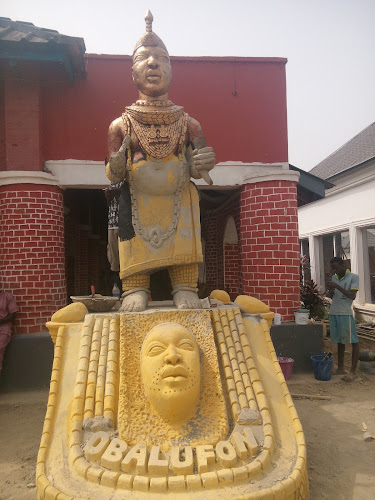
The Obalufon Shrine represents one of those remarkable cultural treasures that you won't find plastered all over Instagram, and honestly, that's part of its magic. This sacred Yoruba shrine stands as a testament to centuries-old spiritual traditions in Nigeria, dedicated to Obalufon, a deity revered in Yoruba cosmology as a patron of brass casting and weaving. When I first learned about places like this, I realized how much of African spiritual heritage remains wonderfully preserved yet criminally underexplored by mainstream tourism. What makes this shrine particularly fascinating is its connection to the artistic traditions of the Yoruba people. Obalufon isn't just any deity - he's considered one of the early kings of Ile-Ife, the spiritual heartland of Yoruba civilization. The shrine serves as a living museum where ancient practices meet contemporary worship, where you can witness devotees maintaining traditions that have survived colonialism, modernization, and the passage of countless generations. The atmosphere here carries weight. And I don't mean that in some mystical, overwrought way - I mean you can literally feel the history seeping from the walls and the ground beneath your feet. The shrine's architecture follows traditional Yoruba design principles, with earthen structures that have been maintained through careful restoration work over the years. Local priests and caretakers preserve the site with genuine dedication, treating it not as a tourist attraction but as what it truly is: a sacred space that happens to welcome respectful visitors. For travelers seeking authentic cultural experiences beyond the typical tourist circuit, the Obalufon Shrine offers something refreshingly genuine. You won't find crowds of tour groups here, no souvenir stands hawking mass-produced trinkets. Instead, you'll discover a place where spirituality remains practiced rather than performed, where tradition lives and breathes rather than existing as a fossilized relic for tourist consumption.Key Features
The Obalufon Shrine contains several distinctive elements that make it worth your time and travel effort: • Sacred chambers housing traditional altars adorned with symbolic objects representing Obalufon's connection to metalwork and artistic creation • Traditional Yoruba architectural elements showcasing ancient building techniques still employed by contemporary craftspeople in the region • Ceremonial spaces where priests conduct rituals during important festivals and occasions throughout the year • Historical artifacts and ritual objects that demonstrate the continuity of Yoruba spiritual practices across centuries • Opportunities to observe or participate in traditional ceremonies if you visit during festival periods, subject to permission from shrine custodians • Access to knowledgeable local guides who can explain the intricate symbolism embedded in every aspect of the shrine's design and decoration • Brass casting demonstrations occasionally available, connecting visitors to the very craft that Obalufon himself patronizes • Quiet contemplative spaces perfect for those interested in comparative religion or spiritual anthropology • Traditional shrine attendants who maintain the site and can share oral histories passed down through generations • Proximity to other significant cultural sites in Ile-Ife, allowing for comprehensive exploration of Yoruba heritageBest Time to Visit
Timing your visit to the Obalufon Shrine requires some strategic thinking if you want to maximize the experience. The shrine remains accessible year-round, but certain periods offer dramatically different experiences. The dry season from November through March provides the most comfortable weather conditions for exploration. Temperatures hover in a manageable range, and you won't be battling the intense rains that characterize Nigeria's wet season. I've heard from travelers who attempted visits during heavy rains and found themselves sloshing through mud - not exactly conducive to the contemplative shrine experience you're probably seeking. But here's where it gets interesting: if you can align your visit with one of the traditional festivals honoring Obalufon, you'll witness something extraordinary. The Olojo Festival, typically held in September or October, represents the most significant annual celebration in Ile-Ife and includes ceremonies at various shrines including Obalufon's. Yes, you'll contend with rainy season weather, but the cultural payoff might justify packing an extra pair of shoes. Festival periods transform the shrine from a quiet sacred space into a hub of ceremonial activity. Drummers, dancers, priests in full regalia, traditional chants echoing off ancient walls - it's the difference between visiting an empty theater and attending opening night of a production that's been running for centuries. For photography enthusiasts, early morning visits during dry season offer the best natural lighting. The sun hits the shrine's structures at angles that emphasize their architectural features, and you'll often have the place nearly to yourself before mid-morning when any tour groups might arrive. Weekdays generally see fewer visitors than weekends, though the shrine never becomes overwhelmingly crowded by Western tourist destination standards. Local visitors come for worship rather than sightseeing, which means the atmosphere remains respectful and subdued regardless of day.How to Get There
Getting to the Obalufon Shrine requires some planning, but it's far from impossible even for international travelers. The shrine is located in Ile-Ife, Osun State, Nigeria - a city that serves as the spiritual heart of Yoruba culture. If you're flying into Nigeria, Lagos provides the most international connections. From Murtala Muhammed International Airport, you're looking at roughly a four to five-hour journey to Ile-Ife by road. And yes, Nigerian roads have a reputation, but the route to Ile-Ife is reasonably well-maintained compared to some alternatives. Hiring a private driver for the Lagos-to-Ile-Ife journey offers the most comfortable and flexible option. You'll pay premium prices compared to public transport, but the convenience and safety justify the expense for most international visitors. Plus, a good driver doubles as an informal cultural guide, pointing out interesting sights along the way and helping navigate any unexpected situations. Bus services operate between Lagos and Ile-Ife, with companies like ABC Transport and Ojota Luxury Coaches offering relatively reliable service. The buses aren't luxury coaches by international standards, but they're clean, functional, and considerably cheaper than private hire. Just prepare yourself for a few unscheduled stops and the possibility of delays. Once in Ile-Ife, motorcycle taxis (known locally as okadas) and traditional taxis can transport you around the city. Most drivers know the shrine's location - Obalufon commands enough local recognition that you won't need precise GPS coordinates, though having them doesn't hurt. Some travelers base themselves in nearby Ibadan, a larger city with more accommodation options, and make day trips to Ile-Ife. This adds travel time but might suit visitors who prefer urban amenities.Tips for Visiting
Visiting the Obalufon Shrine successfully requires more cultural sensitivity than your average tourist attraction. This isn't Disneyland - it's an active religious site where people come to worship and connect with traditions older than most nations. Dress modestly and respectfully. We're talking covered shoulders, nothing too tight or revealing, long pants or skirts that reach at least your knees. Some areas of the shrine might require removing shoes, so wear footwear that slips on and off easily. I can't stress this enough: inappropriate clothing can result in being denied entry, and rightfully so. Bring cash for the custodian fee. There's typically a small donation expected for shrine maintenance and to compensate the guides who share their knowledge. ATMs in Ile-Ife can be unreliable, so sort your cash situation before arriving. Small denominations make everyone's life easier. Photography requires permission. Always, always ask before pointing your camera anywhere near the shrine. Some areas prohibit photography entirely, while others allow it with appropriate donations. Respect these boundaries absolutely - sacred objects aren't Instagram content, and treating them as such disrespects both the religion and the people who practice it. Engage a local guide if possible. The shrine's significance isn't immediately obvious to outsiders unfamiliar with Yoruba cosmology. A knowledgeable guide transforms the visit from "looking at old buildings" to understanding a complex spiritual system. The guides working at the shrine possess deep knowledge passed down through families across generations. Learn a few basic Yoruba greetings. "E kaaro" (good morning), "E kaasan" (good afternoon), and "E ku irole" (good evening) go surprisingly far in establishing goodwill. Most shrine attendants speak English, but the effort demonstrates respect for local culture. Stay hydrated but plan bathroom breaks strategically. Facilities at the shrine are basic, so use restrooms at your hotel or restaurant before arriving. The Nigerian sun doesn't mess around, though, so bring water - just maybe not gallons of it. Be prepared for inconsistent opening hours. Official schedules exist, but this is a living religious site where ceremonies and observances sometimes take precedence over tourist access. Building flexibility into your itinerary prevents disappointment. Respect any ceremonies in progress by maintaining distance and silence. If you're fortunate enough to witness ritual activities, consider it a privilege rather than a right. Don't interrupt, don't get in the way, and definitely don't expect ceremonies to pause for your convenience. Consider hiring a cultural consultant for your entire Ile-Ife visit. Several organizations and individuals specialize in providing contextual education about Yoruba heritage sites. The investment enhances understanding exponentially compared to wandering around independently. Don't rush the experience. Budget at least two to three hours for a meaningful visit, longer if ceremonies are happening. This isn't a place you check off a list - it's a place you absorb slowly, letting the history and spirituality sink in properly.Key Features
- Ancient royal association with Ooni Obalufon and Ife origin myths
- Traditional shrines, altars, and ritual objects on display
- Rare examples of Yoruba woodcarving, beadwork, and regalia
- Active ceremonial calendar (including ties to Olojo and Obalufon festivals)
- Atmospheric, low-key site offering intimate cultural insight
More Details
Updated March 30, 2026
Table of Contents
Description
The Obalufon Shrine represents one of those remarkable cultural treasures that you won’t find plastered all over Instagram, and honestly, that’s part of its magic. This sacred Yoruba shrine stands as a testament to centuries-old spiritual traditions in Nigeria, dedicated to Obalufon, a deity revered in Yoruba cosmology as a patron of brass casting and weaving. When I first learned about places like this, I realized how much of African spiritual heritage remains wonderfully preserved yet criminally underexplored by mainstream tourism.
What makes this shrine particularly fascinating is its connection to the artistic traditions of the Yoruba people. Obalufon isn’t just any deity – he’s considered one of the early kings of Ile-Ife, the spiritual heartland of Yoruba civilization. The shrine serves as a living museum where ancient practices meet contemporary worship, where you can witness devotees maintaining traditions that have survived colonialism, modernization, and the passage of countless generations.
The atmosphere here carries weight. And I don’t mean that in some mystical, overwrought way – I mean you can literally feel the history seeping from the walls and the ground beneath your feet. The shrine’s architecture follows traditional Yoruba design principles, with earthen structures that have been maintained through careful restoration work over the years. Local priests and caretakers preserve the site with genuine dedication, treating it not as a tourist attraction but as what it truly is: a sacred space that happens to welcome respectful visitors.
For travelers seeking authentic cultural experiences beyond the typical tourist circuit, the Obalufon Shrine offers something refreshingly genuine. You won’t find crowds of tour groups here, no souvenir stands hawking mass-produced trinkets. Instead, you’ll discover a place where spirituality remains practiced rather than performed, where tradition lives and breathes rather than existing as a fossilized relic for tourist consumption.
Key Features
The Obalufon Shrine contains several distinctive elements that make it worth your time and travel effort:
• Sacred chambers housing traditional altars adorned with symbolic objects representing Obalufon’s connection to metalwork and artistic creation
• Traditional Yoruba architectural elements showcasing ancient building techniques still employed by contemporary craftspeople in the region
• Ceremonial spaces where priests conduct rituals during important festivals and occasions throughout the year
• Historical artifacts and ritual objects that demonstrate the continuity of Yoruba spiritual practices across centuries
• Opportunities to observe or participate in traditional ceremonies if you visit during festival periods, subject to permission from shrine custodians
• Access to knowledgeable local guides who can explain the intricate symbolism embedded in every aspect of the shrine’s design and decoration
• Brass casting demonstrations occasionally available, connecting visitors to the very craft that Obalufon himself patronizes
• Quiet contemplative spaces perfect for those interested in comparative religion or spiritual anthropology
• Traditional shrine attendants who maintain the site and can share oral histories passed down through generations
• Proximity to other significant cultural sites in Ile-Ife, allowing for comprehensive exploration of Yoruba heritage
Best Time to Visit
Timing your visit to the Obalufon Shrine requires some strategic thinking if you want to maximize the experience. The shrine remains accessible year-round, but certain periods offer dramatically different experiences.
The dry season from November through March provides the most comfortable weather conditions for exploration. Temperatures hover in a manageable range, and you won’t be battling the intense rains that characterize Nigeria’s wet season. I’ve heard from travelers who attempted visits during heavy rains and found themselves sloshing through mud – not exactly conducive to the contemplative shrine experience you’re probably seeking.
But here’s where it gets interesting: if you can align your visit with one of the traditional festivals honoring Obalufon, you’ll witness something extraordinary. The Olojo Festival, typically held in September or October, represents the most significant annual celebration in Ile-Ife and includes ceremonies at various shrines including Obalufon’s. Yes, you’ll contend with rainy season weather, but the cultural payoff might justify packing an extra pair of shoes.
Festival periods transform the shrine from a quiet sacred space into a hub of ceremonial activity. Drummers, dancers, priests in full regalia, traditional chants echoing off ancient walls – it’s the difference between visiting an empty theater and attending opening night of a production that’s been running for centuries.
For photography enthusiasts, early morning visits during dry season offer the best natural lighting. The sun hits the shrine’s structures at angles that emphasize their architectural features, and you’ll often have the place nearly to yourself before mid-morning when any tour groups might arrive.
Weekdays generally see fewer visitors than weekends, though the shrine never becomes overwhelmingly crowded by Western tourist destination standards. Local visitors come for worship rather than sightseeing, which means the atmosphere remains respectful and subdued regardless of day.
How to Get There
Getting to the Obalufon Shrine requires some planning, but it’s far from impossible even for international travelers. The shrine is located in Ile-Ife, Osun State, Nigeria – a city that serves as the spiritual heart of Yoruba culture.
If you’re flying into Nigeria, Lagos provides the most international connections. From Murtala Muhammed International Airport, you’re looking at roughly a four to five-hour journey to Ile-Ife by road. And yes, Nigerian roads have a reputation, but the route to Ile-Ife is reasonably well-maintained compared to some alternatives.
Hiring a private driver for the Lagos-to-Ile-Ife journey offers the most comfortable and flexible option. You’ll pay premium prices compared to public transport, but the convenience and safety justify the expense for most international visitors. Plus, a good driver doubles as an informal cultural guide, pointing out interesting sights along the way and helping navigate any unexpected situations.
Bus services operate between Lagos and Ile-Ife, with companies like ABC Transport and Ojota Luxury Coaches offering relatively reliable service. The buses aren’t luxury coaches by international standards, but they’re clean, functional, and considerably cheaper than private hire. Just prepare yourself for a few unscheduled stops and the possibility of delays.
Once in Ile-Ife, motorcycle taxis (known locally as okadas) and traditional taxis can transport you around the city. Most drivers know the shrine’s location – Obalufon commands enough local recognition that you won’t need precise GPS coordinates, though having them doesn’t hurt.
Some travelers base themselves in nearby Ibadan, a larger city with more accommodation options, and make day trips to Ile-Ife. This adds travel time but might suit visitors who prefer urban amenities.
Tips for Visiting
Visiting the Obalufon Shrine successfully requires more cultural sensitivity than your average tourist attraction. This isn’t Disneyland – it’s an active religious site where people come to worship and connect with traditions older than most nations.
Dress modestly and respectfully. We’re talking covered shoulders, nothing too tight or revealing, long pants or skirts that reach at least your knees. Some areas of the shrine might require removing shoes, so wear footwear that slips on and off easily. I can’t stress this enough: inappropriate clothing can result in being denied entry, and rightfully so.
Bring cash for the custodian fee. There’s typically a small donation expected for shrine maintenance and to compensate the guides who share their knowledge. ATMs in Ile-Ife can be unreliable, so sort your cash situation before arriving. Small denominations make everyone’s life easier.
Photography requires permission. Always, always ask before pointing your camera anywhere near the shrine. Some areas prohibit photography entirely, while others allow it with appropriate donations. Respect these boundaries absolutely – sacred objects aren’t Instagram content, and treating them as such disrespects both the religion and the people who practice it.
Engage a local guide if possible. The shrine’s significance isn’t immediately obvious to outsiders unfamiliar with Yoruba cosmology. A knowledgeable guide transforms the visit from “looking at old buildings” to understanding a complex spiritual system. The guides working at the shrine possess deep knowledge passed down through families across generations.
Learn a few basic Yoruba greetings. “E kaaro” (good morning), “E kaasan” (good afternoon), and “E ku irole” (good evening) go surprisingly far in establishing goodwill. Most shrine attendants speak English, but the effort demonstrates respect for local culture.
Stay hydrated but plan bathroom breaks strategically. Facilities at the shrine are basic, so use restrooms at your hotel or restaurant before arriving. The Nigerian sun doesn’t mess around, though, so bring water – just maybe not gallons of it.
Be prepared for inconsistent opening hours. Official schedules exist, but this is a living religious site where ceremonies and observances sometimes take precedence over tourist access. Building flexibility into your itinerary prevents disappointment.
Respect any ceremonies in progress by maintaining distance and silence. If you’re fortunate enough to witness ritual activities, consider it a privilege rather than a right. Don’t interrupt, don’t get in the way, and definitely don’t expect ceremonies to pause for your convenience.
Consider hiring a cultural consultant for your entire Ile-Ife visit. Several organizations and individuals specialize in providing contextual education about Yoruba heritage sites. The investment enhances understanding exponentially compared to wandering around independently.
Don’t rush the experience. Budget at least two to three hours for a meaningful visit, longer if ceremonies are happening. This isn’t a place you check off a list – it’s a place you absorb slowly, letting the history and spirituality sink in properly.
Key Highlights
- Ancient royal association with Ooni Obalufon and Ife origin myths
- Traditional shrines, altars, and ritual objects on display
- Rare examples of Yoruba woodcarving, beadwork, and regalia
- Active ceremonial calendar (including ties to Olojo and Obalufon festivals)
- Atmospheric, low-key site offering intimate cultural insight
Location
Places to Stay Near Obalufon Shrine
Find and Book a Tour
Explore More Travel Guides
No reviews found! Be the first to review!
Obalufon Shrine is a prominent Shrine located in Ife.
Visit us at: FGQX+3X8, 220101, Ife, Osun, ナイジェリア.
Traveler Reviews for Obalufon Shrine
There are no reviews yet. Be the first one to write one.
Have you visited Obalufon Shrine? Help other travelers by sharing your review.
Nearby Attractions
Find Accommodations Nearby
Recommended Tours & Activities
Visitor Reviews
There are no reviews yet. Be the first one to write one.
Share Your Experience
Have you visited Obalufon Shrine? Help other travelers by leaving a review.
