About Ile Aje Shrine

Description

Ile Aje Shrine stands as one of those places that seems to exist outside the typical tourist trail, and honestly, that's part of its charm. When I first learned about shrines like this one, I was struck by how they serve as living repositories of cultural memory and spiritual practice. This isn't your average monument or museum piece behind velvet ropes. The shrine represents a genuine spiritual site where traditional Yoruba religious practices continue to thrive in contemporary times. What makes Ile Aje particularly fascinating is its dedication to Aje, the powerful Yoruba orisha associated with wealth, prosperity, and economic fortune. And before you start thinking this is just about material gain, let me tell you—the concept goes much deeper than that. In Yoruba cosmology, Aje encompasses the mystical power of women, market forces, and the flow of abundance in all its forms. It's a complex deity that reflects sophisticated economic and social understanding that predates modern capitalism by centuries. The shrine itself functions as a sacred space where devotees come to pay homage, seek blessings, and connect with ancestral traditions that have been passed down through generations. You'll find that visiting places like this offers something fundamentally different from conventional sightseeing. There's an authenticity here that's increasingly rare in our Instagram-filtered world. The spiritual energy is palpable, whether you're a believer or simply a respectful observer interested in cultural exploration. For travelers seeking meaningful encounters with traditional African spirituality, Ile Aje Shrine provides a window into practices that have survived colonialism, modernization, and the homogenizing forces of globalization. It's not always easy to find these authentic spaces, which makes discovering them all the more rewarding.

Key Features

The Ile Aje Shrine offers visitors several distinctive elements that make it worth the journey:
  • Authentic Spiritual Atmosphere: Unlike commercialized tourist attractions, this shrine maintains its primary function as a genuine place of worship, giving visitors insight into living religious traditions rather than historical artifacts
  • Architectural Significance: The shrine structure itself reflects traditional Yoruba religious architecture, with design elements that have symbolic meaning within the cosmological framework of the faith
  • Cultural Education: Visitors have the opportunity to learn about Yoruba religious philosophy, particularly the concept of Aje and its role in traditional economic and social structures
  • Ritual Observance: Depending on when you visit, you might witness actual ceremonies and offerings being made by devotees, providing a rare glimpse into active spiritual practice
  • Connection to Women's Power: The shrine's dedication to Aje makes it particularly significant for understanding traditional African concepts of feminine power and authority in economic and mystical realms
  • Off-the-Beaten-Path Experience: The shrine hasn't been overrun by tour buses and souvenir vendors, allowing for a more intimate and contemplative visit
  • Photography Opportunities: While respectful photography is typically permitted, always ask first—the visual elements of traditional shrines offer compelling subjects for cultural documentation

Best Time to Visit

Timing your visit to Ile Aje Shrine requires some thoughtful consideration. Unlike museums with climate control and set hours, shrines follow the rhythms of religious practice and local climate patterns. The dry season generally offers the most comfortable visiting conditions, typically running from November through March in most of Nigeria. You'll avoid the heavy rains that can make travel challenging and shrine grounds muddy. But here's the thing—if you're only interested in comfortable weather, you might miss the most spiritually significant times to visit. Festival periods associated with Aje worship present the absolute best opportunities for cultural immersion. These celebrations bring the shrine to life with ceremonies, drumming, dancing, and communal gatherings that you simply won't experience during quiet periods. The energy is completely different. You'll need to research the specific festival calendar, as these events follow traditional timekeeping that doesn't always align with the Gregorian calendar. Early mornings tend to be ideal for contemplative visits. The light is beautiful, temperatures are cooler, and you're more likely to encounter the shrine in a peaceful state. I've always found that sacred spaces reveal themselves differently in the quiet hours before the day fully begins. Weekdays typically see fewer visitors than weekends, though this can vary depending on local observance patterns. If you're hoping for a more private experience, avoiding weekends and major holidays makes sense. One thing I've learned through various travels to spiritual sites: don't visit during major national holidays unless they specifically relate to the shrine. Transportation becomes complicated, local guides may be unavailable, and you might find the shrine closed for private observances. The rainy season shouldn't be completely dismissed, though. Yes, you'll deal with precipitation, but the landscape becomes lush, and there's something powerful about experiencing a shrine when nature itself feels more alive. Just bring appropriate rain gear and flexible expectations.

How to Get There

Getting to Ile Aje Shrine requires some planning, as this isn't the kind of place with clear signage on major highways. Your journey will likely begin from the nearest significant city or town, and from there, you'll need local transportation. Hiring a knowledgeable local guide proves invaluable for several reasons. First, they'll actually know where the shrine is located—GPS coordinates don't always work perfectly in areas where digital mapping is incomplete. Second, they can facilitate introductions with shrine keepers or priests, which is culturally appropriate and enhances your experience significantly. Third, they'll help navigate the informal transportation networks that connect smaller communities. Public transportation options vary depending on your starting point. Shared taxis and motorcycle taxis (okadas) often serve areas where larger vehicles don't regularly travel. This might feel adventurous or uncomfortable depending on your travel style, but it's how many locals get around. Embrace it as part of the authentic experience. If you're renting a vehicle, understand that road conditions can range from paved highways to rough dirt tracks. A four-wheel drive vehicle isn't always necessary but can provide peace of mind, especially during or after rain. Ask locally about current road conditions before setting out. The nearest major city will have accommodation options, but don't expect to find hotels right at the shrine. This is part of its authentic character—it exists within a community, not a tourist zone. Plan your visit as a day trip from wherever you're staying. When asking for directions, having the shrine name written down in local language can help immensely. Pronunciation matters, and not everyone speaks English fluently. Showing written text eliminates confusion. Allow more travel time than you think you'll need. What looks like a short distance on a map can take considerably longer on the ground due to road conditions, traffic, or unexpected delays. This isn't a criticism—it's just the reality of travel in areas with developing infrastructure.

Tips for Visiting

Visiting a working shrine requires different preparation than visiting a museum or park. Your behavior and approach matter significantly. Dress modestly and respectfully. This usually means covering shoulders and knees at minimum. Avoid clothing with offensive imagery or text. When in doubt, err on the side of conservative dress. Some shrines have specific requirements about colors or styles, so checking with a guide beforehand helps. Bring a small offering if possible. This doesn't need to be elaborate—kola nuts, a small amount of money, or other traditional items show respect and follow customary practice. Your guide can advise on appropriate offerings. Think of it as acknowledging that you're entering a sacred space, not just sightseeing. Ask permission before photographing anything. This cannot be stressed enough. Some elements may be considered too sacred for photography, and taking pictures without asking is deeply disrespectful. When someone says no, accept it graciously. Remove shoes when entering certain areas if instructed. Many sacred spaces require this, and you should comply without question. Wearing socks that are in decent condition makes this more comfortable. Observe ceremonies quietly if you're fortunate enough to witness them. This isn't a performance for tourists—it's genuine worship. Stay toward the edges, minimize your presence, and absolutely silence your phone. Learn a few basic greetings in Yoruba. "E kaaro" (good morning), "E ku irole" (good evening), and "E se" (thank you) go a long way in showing cultural respect. People appreciate when visitors make even small efforts to engage with local language. Bring cash for guide fees, offerings, and any donations to shrine maintenance. ATMs may be scarce in the area, so prepare accordingly before you travel out from the city. Stay hydrated and bring water with you. Depending on the season, temperatures can be intense, and you might not find vendors nearby. Be open to conversation. If shrine attendants or local devotees want to explain aspects of their faith to you, listen with genuine interest. These interactions often become the most memorable parts of visits to spiritual sites. Respect boundaries both physical and cultural. If an area is marked as restricted or you're told not to enter somewhere, comply immediately. These restrictions exist for important spiritual reasons, not arbitrary rules. Finally, approach your visit with humility and openness. You're entering someone else's sacred space, participating in their spiritual tradition as an observer. That's a privilege, not a right. The travelers who have the most meaningful experiences at places like Ile Aje Shrine are those who come to learn and respect rather than simply consume another attraction. The shrine stands as a testament to cultural continuity and spiritual devotion that transcends the modern world's frenetic pace. Whether you're deeply interested in African traditional religions, studying Yoruba culture, or simply seeking authentic travel experiences beyond the typical tourist circuit, Ile Aje Shrine offers something genuinely special. Just remember—you're not visiting a museum. You're stepping into a living tradition.

Key Features

  • Active shrine dedicated to Òrìṣà Ajé (deity of wealth and prosperity)
  • Authentic rituals and occasional public festival events
  • Close ties to Ife’s historic role as the origin of Yoruba culture
  • Local custodians and priests who can explain traditions
  • Atmosphere of lived heritage with ritual objects and offerings

More Details

Updated March 30, 2026

Description

Ile Aje Shrine stands as one of those places that seems to exist outside the typical tourist trail, and honestly, that’s part of its charm. When I first learned about shrines like this one, I was struck by how they serve as living repositories of cultural memory and spiritual practice. This isn’t your average monument or museum piece behind velvet ropes. The shrine represents a genuine spiritual site where traditional Yoruba religious practices continue to thrive in contemporary times.

What makes Ile Aje particularly fascinating is its dedication to Aje, the powerful Yoruba orisha associated with wealth, prosperity, and economic fortune. And before you start thinking this is just about material gain, let me tell you—the concept goes much deeper than that. In Yoruba cosmology, Aje encompasses the mystical power of women, market forces, and the flow of abundance in all its forms. It’s a complex deity that reflects sophisticated economic and social understanding that predates modern capitalism by centuries.

The shrine itself functions as a sacred space where devotees come to pay homage, seek blessings, and connect with ancestral traditions that have been passed down through generations. You’ll find that visiting places like this offers something fundamentally different from conventional sightseeing. There’s an authenticity here that’s increasingly rare in our Instagram-filtered world. The spiritual energy is palpable, whether you’re a believer or simply a respectful observer interested in cultural exploration.

For travelers seeking meaningful encounters with traditional African spirituality, Ile Aje Shrine provides a window into practices that have survived colonialism, modernization, and the homogenizing forces of globalization. It’s not always easy to find these authentic spaces, which makes discovering them all the more rewarding.

Key Features

The Ile Aje Shrine offers visitors several distinctive elements that make it worth the journey:

  • Authentic Spiritual Atmosphere: Unlike commercialized tourist attractions, this shrine maintains its primary function as a genuine place of worship, giving visitors insight into living religious traditions rather than historical artifacts
  • Architectural Significance: The shrine structure itself reflects traditional Yoruba religious architecture, with design elements that have symbolic meaning within the cosmological framework of the faith
  • Cultural Education: Visitors have the opportunity to learn about Yoruba religious philosophy, particularly the concept of Aje and its role in traditional economic and social structures
  • Ritual Observance: Depending on when you visit, you might witness actual ceremonies and offerings being made by devotees, providing a rare glimpse into active spiritual practice
  • Connection to Women’s Power: The shrine’s dedication to Aje makes it particularly significant for understanding traditional African concepts of feminine power and authority in economic and mystical realms
  • Off-the-Beaten-Path Experience: The shrine hasn’t been overrun by tour buses and souvenir vendors, allowing for a more intimate and contemplative visit
  • Photography Opportunities: While respectful photography is typically permitted, always ask first—the visual elements of traditional shrines offer compelling subjects for cultural documentation

Best Time to Visit

Timing your visit to Ile Aje Shrine requires some thoughtful consideration. Unlike museums with climate control and set hours, shrines follow the rhythms of religious practice and local climate patterns.

The dry season generally offers the most comfortable visiting conditions, typically running from November through March in most of Nigeria. You’ll avoid the heavy rains that can make travel challenging and shrine grounds muddy. But here’s the thing—if you’re only interested in comfortable weather, you might miss the most spiritually significant times to visit.

Festival periods associated with Aje worship present the absolute best opportunities for cultural immersion. These celebrations bring the shrine to life with ceremonies, drumming, dancing, and communal gatherings that you simply won’t experience during quiet periods. The energy is completely different. You’ll need to research the specific festival calendar, as these events follow traditional timekeeping that doesn’t always align with the Gregorian calendar.

Early mornings tend to be ideal for contemplative visits. The light is beautiful, temperatures are cooler, and you’re more likely to encounter the shrine in a peaceful state. I’ve always found that sacred spaces reveal themselves differently in the quiet hours before the day fully begins.

Weekdays typically see fewer visitors than weekends, though this can vary depending on local observance patterns. If you’re hoping for a more private experience, avoiding weekends and major holidays makes sense.

One thing I’ve learned through various travels to spiritual sites: don’t visit during major national holidays unless they specifically relate to the shrine. Transportation becomes complicated, local guides may be unavailable, and you might find the shrine closed for private observances.

The rainy season shouldn’t be completely dismissed, though. Yes, you’ll deal with precipitation, but the landscape becomes lush, and there’s something powerful about experiencing a shrine when nature itself feels more alive. Just bring appropriate rain gear and flexible expectations.

How to Get There

Getting to Ile Aje Shrine requires some planning, as this isn’t the kind of place with clear signage on major highways. Your journey will likely begin from the nearest significant city or town, and from there, you’ll need local transportation.

Hiring a knowledgeable local guide proves invaluable for several reasons. First, they’ll actually know where the shrine is located—GPS coordinates don’t always work perfectly in areas where digital mapping is incomplete. Second, they can facilitate introductions with shrine keepers or priests, which is culturally appropriate and enhances your experience significantly. Third, they’ll help navigate the informal transportation networks that connect smaller communities.

Public transportation options vary depending on your starting point. Shared taxis and motorcycle taxis (okadas) often serve areas where larger vehicles don’t regularly travel. This might feel adventurous or uncomfortable depending on your travel style, but it’s how many locals get around. Embrace it as part of the authentic experience.

If you’re renting a vehicle, understand that road conditions can range from paved highways to rough dirt tracks. A four-wheel drive vehicle isn’t always necessary but can provide peace of mind, especially during or after rain. Ask locally about current road conditions before setting out.

The nearest major city will have accommodation options, but don’t expect to find hotels right at the shrine. This is part of its authentic character—it exists within a community, not a tourist zone. Plan your visit as a day trip from wherever you’re staying.

When asking for directions, having the shrine name written down in local language can help immensely. Pronunciation matters, and not everyone speaks English fluently. Showing written text eliminates confusion.

Allow more travel time than you think you’ll need. What looks like a short distance on a map can take considerably longer on the ground due to road conditions, traffic, or unexpected delays. This isn’t a criticism—it’s just the reality of travel in areas with developing infrastructure.

Tips for Visiting

Visiting a working shrine requires different preparation than visiting a museum or park. Your behavior and approach matter significantly.

Dress modestly and respectfully. This usually means covering shoulders and knees at minimum. Avoid clothing with offensive imagery or text. When in doubt, err on the side of conservative dress. Some shrines have specific requirements about colors or styles, so checking with a guide beforehand helps.

Bring a small offering if possible. This doesn’t need to be elaborate—kola nuts, a small amount of money, or other traditional items show respect and follow customary practice. Your guide can advise on appropriate offerings. Think of it as acknowledging that you’re entering a sacred space, not just sightseeing.

Ask permission before photographing anything. This cannot be stressed enough. Some elements may be considered too sacred for photography, and taking pictures without asking is deeply disrespectful. When someone says no, accept it graciously.

Remove shoes when entering certain areas if instructed. Many sacred spaces require this, and you should comply without question. Wearing socks that are in decent condition makes this more comfortable.

Observe ceremonies quietly if you’re fortunate enough to witness them. This isn’t a performance for tourists—it’s genuine worship. Stay toward the edges, minimize your presence, and absolutely silence your phone.

Learn a few basic greetings in Yoruba. “E kaaro” (good morning), “E ku irole” (good evening), and “E se” (thank you) go a long way in showing cultural respect. People appreciate when visitors make even small efforts to engage with local language.

Bring cash for guide fees, offerings, and any donations to shrine maintenance. ATMs may be scarce in the area, so prepare accordingly before you travel out from the city.

Stay hydrated and bring water with you. Depending on the season, temperatures can be intense, and you might not find vendors nearby.

Be open to conversation. If shrine attendants or local devotees want to explain aspects of their faith to you, listen with genuine interest. These interactions often become the most memorable parts of visits to spiritual sites.

Respect boundaries both physical and cultural. If an area is marked as restricted or you’re told not to enter somewhere, comply immediately. These restrictions exist for important spiritual reasons, not arbitrary rules.

Finally, approach your visit with humility and openness. You’re entering someone else’s sacred space, participating in their spiritual tradition as an observer. That’s a privilege, not a right. The travelers who have the most meaningful experiences at places like Ile Aje Shrine are those who come to learn and respect rather than simply consume another attraction.

The shrine stands as a testament to cultural continuity and spiritual devotion that transcends the modern world’s frenetic pace. Whether you’re deeply interested in African traditional religions, studying Yoruba culture, or simply seeking authentic travel experiences beyond the typical tourist circuit, Ile Aje Shrine offers something genuinely special. Just remember—you’re not visiting a museum. You’re stepping into a living tradition.
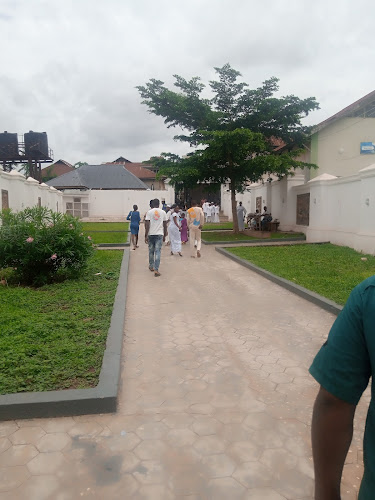

Key Highlights

  • Active shrine dedicated to Òrìṣà Ajé (deity of wealth and prosperity)
  • Authentic rituals and occasional public festival events
  • Close ties to Ife’s historic role as the origin of Yoruba culture
  • Local custodians and priests who can explain traditions
  • Atmosphere of lived heritage with ritual objects and offerings

Location

Places to Stay Near Ile Aje Shrine

Find and Book a Tour

Explore More Travel Guides

No reviews found! Be the first to review!

Ile Aje Shrine is a prominent Shrine located in Ife.

Visit us at: FHM7+C7P, 220101, Ife, Osun, Nigeria.

Traveler Reviews for Ile Aje Shrine

There are no reviews yet. Be the first one to write one.

Share Your Experience

Have you visited Ile Aje Shrine? Help other travelers by sharing your review.

Nearby Attractions

Ooni’s Palace (Ife Royal Palace) Ife Museum / Archaeological sites with Ife bronzes and terracottas Historical shrines and traditional craft workshops in Ile-Ife

Find Accommodations Nearby

Recommended Tours & Activities

Visitor Reviews

There are no reviews yet. Be the first one to write one.

Share Your Experience

Have you visited Ile Aje Shrine? Help other travelers by leaving a review.