About Ile Nla- Ooni of Ife Palace

Description

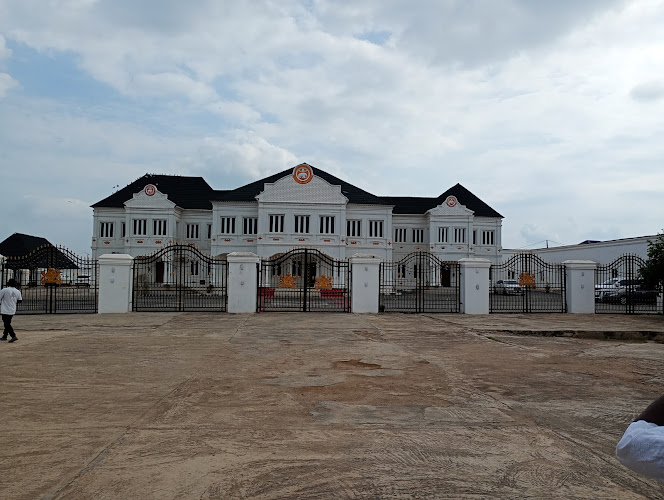
The Ile Nla, which translates to "Big House" in the Yoruba language, serves as the official palace of the Ooni of Ife, one of the most revered traditional rulers in Nigeria and among the Yoruba people worldwide. When travelers step into this extraordinary palace complex, they're not just visiting another historical building - they're walking into the spiritual and cultural heartbeat of the ancient Yoruba civilization. The palace grounds have witnessed centuries of coronations, festivals, and traditional ceremonies that continue to this day. I've always found it fascinating how certain places carry weight beyond their physical structures. And the Ile Nla is definitely one of those locations where you can almost feel the history seeping through the courtyards and chambers. The Ooni of Ife holds a position that dates back over a thousand years, considered by many Yoruba people to be a direct descendant of Oduduwa, the mythical founder of the Yoruba race. This isn't just tourist talk - the reverence locals show when speaking about this palace is genuinely moving. The palace complex sprawls across a considerable area in Ile-Ife, a city that itself is regarded as the cradle of Yoruba civilization. Visitors often underestimate just how significant this location is to understanding West African history and culture. The architecture blends traditional Yoruba design elements with more modern additions, creating this interesting tapestry of old meeting new. But what really makes the place special isn't just the buildings themselves - it's the living traditions that still happen here daily. Unlike many historical sites that feel like museums frozen in time, the Ile Nla remains a functioning royal palace. The current Ooni still resides here, still receives visitors, and still performs traditional duties that have been passed down through countless generations. That authenticity is rare nowadays, and travelers who appreciate genuine cultural experiences rather than sanitized tourist attractions will find this place absolutely captivating.

Key Features

The palace offers visitors a wealth of experiences and architectural wonders that tell the story of Yoruba royalty and tradition: • The palace's wheelchair accessible entrance and parking facilities make it welcoming for visitors with mobility challenges, which unfortunately isn't common among historical sites in this region • Traditional courtyards adorned with ancient sculptures and bronze artwork that showcase the legendary artistry of Ile-Ife craftsmen from centuries past • The throne room where the Ooni receives guests and conducts official business, decorated with symbolic Yoruba motifs and royal regalia • Museum sections displaying ceremonial crowns, beaded items, and historical artifacts that tell the story of successive Oonis throughout history • Sacred groves within the palace grounds where traditional rituals still take place, offering insight into Yoruba spiritual practices • Intricate wood carvings and bronze castings that demonstrate the sophisticated metalworking techniques Ife artisans developed long before European contact • The outer palace walls featuring traditional Yoruba architectural elements that have been carefully preserved despite modernization • Spaces designated for cultural performances where visitors might witness traditional drumming, dancing, or storytelling if their timing is right • Family-friendly environment suitable for children to learn about African history in an engaging, real-world setting rather than just from textbooks • Opportunities to observe or participate in cultural festivals if visiting during special ceremonial periods • Knowledgeable guides who share oral histories passed down through generations, providing context that you simply won't find in guidebooks

Best Time to Visit

Timing your visit to the Ile Nla can really make or break your experience, honestly. The palace is open year-round, but certain periods offer advantages that others don't. The dry season, running from November through March, provides the most comfortable weather for exploring the palace grounds. Temperatures are more manageable, and you won't be dealing with the heavy rains that characterize the wet season. I remember talking to someone who visited during August, and they spent half their time dodging puddles and waiting out downpours - not ideal when you're trying to appreciate outdoor sculptures and courtyards. But here's where it gets interesting. If you can align your visit with one of the major traditional festivals, you'll witness the palace at its most alive and ceremonial. The Olojo Festival, typically held in October, is the biggest cultural celebration in Ile-Ife. During this period, the Ooni appears in full regalia wearing the sacred Aare crown, which happens only once a year. The palace becomes the center of activities with thousands of people gathering for processions, traditional rites, and celebrations. Yes, you'll deal with some rain since October falls within the wet season, but the cultural immersion might be worth packing an umbrella. December and January also see increased activity due to holidays when many Nigerians and diaspora Yoruba people return home to reconnect with their roots. The palace often hosts special receptions and cultural programs during this time. For those who prefer quieter, more contemplative visits where you can really absorb the atmosphere without crowds, weekday mornings between February and March work beautifully. The weather remains pleasant, festival seasons have passed, and you'll have more opportunities for unhurried exploration and photography. Avoid planning visits during major Nigerian public holidays when the palace might have restricted access or modified schedules. And weekends generally see more local visitors, which adds atmosphere but can mean longer waits for guided tours.

How to Get There

Getting to the Ile Nla requires some planning, especially for international travelers, but the journey is absolutely manageable and part of the adventure. Most visitors will fly into Murtala Muhammed International Airport in Lagos, Nigeria's largest city and main international gateway. From Lagos, Ile-Ife is approximately 220 kilometers northeast, which sounds straightforward but Nigerian road conditions can turn that into a 4-5 hour journey depending on traffic and route. The most comfortable option involves hiring a private car with a driver who knows the route. Many hotels in Lagos can arrange this service, and while it costs more than public transport, the convenience and safety factors make it worthwhile for most international travelers. You'll travel along relatively decent highways, passing through interesting Yoruba towns that give you a preview of the region's character. For the more budget-conscious or adventurous, luxury bus services operate between Lagos and Ile-Ife. Companies with air-conditioned coaches depart from major motor parks in Lagos. The buses are generally safe and reliable, though departures might not always run exactly on published schedules - just go with it, that's part of traveling in this part of the world. Some travelers prefer flying into Akure Airport, which is closer to Ile-Ife at about 55 kilometers away. However, Akure receives fewer international connections, so you'd likely still route through Lagos anyway. If you're already traveling within Nigeria, though, this could be a time-saver. Once in Ile-Ife itself, the palace is centrally located and well-known to every resident. Motorcycle taxis (okadas) and tricycle taxis (kekes) can get you there cheaply from anywhere in town. Regular taxis work too. Just say "Ile Nla" or "Ooni's Palace" and any driver will know exactly where you mean. The palace has designated parking areas that accommodate vehicles of various sizes, and as mentioned earlier, accessible parking for visitors who need it.

Tips for Visiting

Approaching a visit to the Ile Nla requires some cultural awareness and practical preparation that will significantly enhance your experience. First and foremost, dress respectfully. This is a functioning royal palace and sacred space, not a theme park. Men should wear long trousers and shirts with sleeves. Women should opt for modest clothing - skirts or dresses that cover the knees, tops that cover shoulders. Revealing clothing will likely get you denied entry, and rightfully so given the cultural context. Traditional Yoruba attire is always appreciated if you have access to it. Photography rules can be nuanced here. While photos are generally permitted in public areas of the palace, always ask permission before photographing people, ceremonial items, or sacred spaces. Some areas strictly prohibit photography, and these restrictions exist for legitimate religious and cultural reasons. Respect them. The guide accompanying your tour will clarify what's allowed. Speaking of guides, engaging one is practically essential unless you have deep knowledge of Yoruba history yourself. The palace usually has official guides available, and their insights transform the visit from "looking at old buildings" to genuinely understanding the layers of meaning embedded in every architectural detail and ceremonial object. Tipping your guide appropriately is customary and appreciated. Timing matters for access. The palace typically welcomes visitors during standard business hours on weekdays, with potentially limited access on certain ceremonial days. Calling ahead or checking locally about the Ooni's schedule can prevent disappointing surprises. And if you arrive during a private ceremony or when the Ooni is conducting official business, you might need to wait or return later. Bring Nigerian Naira in cash for entrance fees, guide tips, and purchases from local artisans who often sell crafts near the palace. Card payment infrastructure remains limited in this area. The palace is indeed suitable for children, but prepare them beforehand about expected behavior. This isn't a playground, and running around or loud talking in certain areas would be inappropriate. Kids genuinely interested in history and culture will find the visit fascinating, while those expecting amusement park-style entertainment might get restless. Hydration is crucial, especially during dry season months when temperatures climb. Bring water, though be discrete about drinking in highly ceremonial areas where it might seem disrespectful. If you're fortunate enough to visit during a festival or ceremony, understand that schedules often follow "African time" - things start when they start, not necessarily at the posted time. Patience and flexibility are your friends here. Learn a few basic Yoruba greetings. "E kaaro" (good morning), "E kaasan" (good afternoon), and "E pele" (sorry/well done) go a long way in showing respect and opening doors to warmer interactions with palace staff and local visitors. Don't compare this experience to European palaces or Asian temples you might have visited. The Ile Nla offers something different - a living tradition still practiced in its original context. Approach it on its own terms, with openness to learning about a culture that might be unfamiliar, and you'll leave with memories and understanding that few tourist destinations can provide.

Key Features

  • Key Features
  • Best Time to Visit
  • How to Get There
  • Tips for Visiting

More Details

Updated March 30, 2026

Description

The Ile Nla, which translates to “Big House” in the Yoruba language, serves as the official palace of the Ooni of Ife, one of the most revered traditional rulers in Nigeria and among the Yoruba people worldwide. When travelers step into this extraordinary palace complex, they’re not just visiting another historical building – they’re walking into the spiritual and cultural heartbeat of the ancient Yoruba civilization. The palace grounds have witnessed centuries of coronations, festivals, and traditional ceremonies that continue to this day.

I’ve always found it fascinating how certain places carry weight beyond their physical structures. And the Ile Nla is definitely one of those locations where you can almost feel the history seeping through the courtyards and chambers. The Ooni of Ife holds a position that dates back over a thousand years, considered by many Yoruba people to be a direct descendant of Oduduwa, the mythical founder of the Yoruba race. This isn’t just tourist talk – the reverence locals show when speaking about this palace is genuinely moving.

The palace complex sprawls across a considerable area in Ile-Ife, a city that itself is regarded as the cradle of Yoruba civilization. Visitors often underestimate just how significant this location is to understanding West African history and culture. The architecture blends traditional Yoruba design elements with more modern additions, creating this interesting tapestry of old meeting new. But what really makes the place special isn’t just the buildings themselves – it’s the living traditions that still happen here daily.

Unlike many historical sites that feel like museums frozen in time, the Ile Nla remains a functioning royal palace. The current Ooni still resides here, still receives visitors, and still performs traditional duties that have been passed down through countless generations. That authenticity is rare nowadays, and travelers who appreciate genuine cultural experiences rather than sanitized tourist attractions will find this place absolutely captivating.

Key Features

The palace offers visitors a wealth of experiences and architectural wonders that tell the story of Yoruba royalty and tradition:

• The palace’s wheelchair accessible entrance and parking facilities make it welcoming for visitors with mobility challenges, which unfortunately isn’t common among historical sites in this region

• Traditional courtyards adorned with ancient sculptures and bronze artwork that showcase the legendary artistry of Ile-Ife craftsmen from centuries past

• The throne room where the Ooni receives guests and conducts official business, decorated with symbolic Yoruba motifs and royal regalia

• Museum sections displaying ceremonial crowns, beaded items, and historical artifacts that tell the story of successive Oonis throughout history

• Sacred groves within the palace grounds where traditional rituals still take place, offering insight into Yoruba spiritual practices

• Intricate wood carvings and bronze castings that demonstrate the sophisticated metalworking techniques Ife artisans developed long before European contact

• The outer palace walls featuring traditional Yoruba architectural elements that have been carefully preserved despite modernization

• Spaces designated for cultural performances where visitors might witness traditional drumming, dancing, or storytelling if their timing is right

• Family-friendly environment suitable for children to learn about African history in an engaging, real-world setting rather than just from textbooks

• Opportunities to observe or participate in cultural festivals if visiting during special ceremonial periods

• Knowledgeable guides who share oral histories passed down through generations, providing context that you simply won’t find in guidebooks

Best Time to Visit

Timing your visit to the Ile Nla can really make or break your experience, honestly. The palace is open year-round, but certain periods offer advantages that others don’t.

The dry season, running from November through March, provides the most comfortable weather for exploring the palace grounds. Temperatures are more manageable, and you won’t be dealing with the heavy rains that characterize the wet season. I remember talking to someone who visited during August, and they spent half their time dodging puddles and waiting out downpours – not ideal when you’re trying to appreciate outdoor sculptures and courtyards.

But here’s where it gets interesting. If you can align your visit with one of the major traditional festivals, you’ll witness the palace at its most alive and ceremonial. The Olojo Festival, typically held in October, is the biggest cultural celebration in Ile-Ife. During this period, the Ooni appears in full regalia wearing the sacred Aare crown, which happens only once a year. The palace becomes the center of activities with thousands of people gathering for processions, traditional rites, and celebrations. Yes, you’ll deal with some rain since October falls within the wet season, but the cultural immersion might be worth packing an umbrella.

December and January also see increased activity due to holidays when many Nigerians and diaspora Yoruba people return home to reconnect with their roots. The palace often hosts special receptions and cultural programs during this time.

For those who prefer quieter, more contemplative visits where you can really absorb the atmosphere without crowds, weekday mornings between February and March work beautifully. The weather remains pleasant, festival seasons have passed, and you’ll have more opportunities for unhurried exploration and photography.

Avoid planning visits during major Nigerian public holidays when the palace might have restricted access or modified schedules. And weekends generally see more local visitors, which adds atmosphere but can mean longer waits for guided tours.

How to Get There

Getting to the Ile Nla requires some planning, especially for international travelers, but the journey is absolutely manageable and part of the adventure.

Most visitors will fly into Murtala Muhammed International Airport in Lagos, Nigeria’s largest city and main international gateway. From Lagos, Ile-Ife is approximately 220 kilometers northeast, which sounds straightforward but Nigerian road conditions can turn that into a 4-5 hour journey depending on traffic and route.

The most comfortable option involves hiring a private car with a driver who knows the route. Many hotels in Lagos can arrange this service, and while it costs more than public transport, the convenience and safety factors make it worthwhile for most international travelers. You’ll travel along relatively decent highways, passing through interesting Yoruba towns that give you a preview of the region’s character.

For the more budget-conscious or adventurous, luxury bus services operate between Lagos and Ile-Ife. Companies with air-conditioned coaches depart from major motor parks in Lagos. The buses are generally safe and reliable, though departures might not always run exactly on published schedules – just go with it, that’s part of traveling in this part of the world.

Some travelers prefer flying into Akure Airport, which is closer to Ile-Ife at about 55 kilometers away. However, Akure receives fewer international connections, so you’d likely still route through Lagos anyway. If you’re already traveling within Nigeria, though, this could be a time-saver.

Once in Ile-Ife itself, the palace is centrally located and well-known to every resident. Motorcycle taxis (okadas) and tricycle taxis (kekes) can get you there cheaply from anywhere in town. Regular taxis work too. Just say “Ile Nla” or “Ooni’s Palace” and any driver will know exactly where you mean.

The palace has designated parking areas that accommodate vehicles of various sizes, and as mentioned earlier, accessible parking for visitors who need it.

Tips for Visiting

Approaching a visit to the Ile Nla requires some cultural awareness and practical preparation that will significantly enhance your experience.

First and foremost, dress respectfully. This is a functioning royal palace and sacred space, not a theme park. Men should wear long trousers and shirts with sleeves. Women should opt for modest clothing – skirts or dresses that cover the knees, tops that cover shoulders. Revealing clothing will likely get you denied entry, and rightfully so given the cultural context. Traditional Yoruba attire is always appreciated if you have access to it.

Photography rules can be nuanced here. While photos are generally permitted in public areas of the palace, always ask permission before photographing people, ceremonial items, or sacred spaces. Some areas strictly prohibit photography, and these restrictions exist for legitimate religious and cultural reasons. Respect them. The guide accompanying your tour will clarify what’s allowed.

Speaking of guides, engaging one is practically essential unless you have deep knowledge of Yoruba history yourself. The palace usually has official guides available, and their insights transform the visit from “looking at old buildings” to genuinely understanding the layers of meaning embedded in every architectural detail and ceremonial object. Tipping your guide appropriately is customary and appreciated.

Timing matters for access. The palace typically welcomes visitors during standard business hours on weekdays, with potentially limited access on certain ceremonial days. Calling ahead or checking locally about the Ooni’s schedule can prevent disappointing surprises. And if you arrive during a private ceremony or when the Ooni is conducting official business, you might need to wait or return later.

Bring Nigerian Naira in cash for entrance fees, guide tips, and purchases from local artisans who often sell crafts near the palace. Card payment infrastructure remains limited in this area.

The palace is indeed suitable for children, but prepare them beforehand about expected behavior. This isn’t a playground, and running around or loud talking in certain areas would be inappropriate. Kids genuinely interested in history and culture will find the visit fascinating, while those expecting amusement park-style entertainment might get restless.

Hydration is crucial, especially during dry season months when temperatures climb. Bring water, though be discrete about drinking in highly ceremonial areas where it might seem disrespectful.

If you’re fortunate enough to visit during a festival or ceremony, understand that schedules often follow “African time” – things start when they start, not necessarily at the posted time. Patience and flexibility are your friends here.

Learn a few basic Yoruba greetings. “E kaaro” (good morning), “E kaasan” (good afternoon), and “E pele” (sorry/well done) go a long way in showing respect and opening doors to warmer interactions with palace staff and local visitors.

Don’t compare this experience to European palaces or Asian temples you might have visited. The Ile Nla offers something different – a living tradition still practiced in its original context. Approach it on its own terms, with openness to learning about a culture that might be unfamiliar, and you’ll leave with memories and understanding that few tourist destinations can provide.

Key Highlights

  • Key Features
  • Best Time to Visit
  • How to Get There
  • Tips for Visiting

Location

Places to Stay Near Ile Nla- Ooni of Ife Palace

Find and Book a Tour

Explore More Travel Guides

No reviews found! Be the first to review!

Ile Nla- Ooni of Ife Palace is a prominent Historical place located in Ife.

Visit us at: FHJ6+W3H, Adagbe, 220101, Ife, Osun, Nigeria.

Traveler Reviews for Ile Nla- Ooni of Ife Palace

There are no reviews yet. Be the first one to write one.

Share Your Experience

Have you visited Ile Nla- Ooni of Ife Palace? Help other travelers by sharing your review.

Find Accommodations Nearby

Recommended Tours & Activities

Visitor Reviews

There are no reviews yet. Be the first one to write one.

Share Your Experience

Have you visited Ile Nla- Ooni of Ife Palace? Help other travelers by leaving a review.