
Opa Oranmiyan
About Opa Oranmiyan
Description
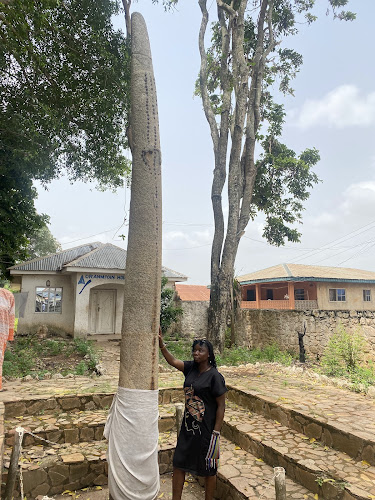
The Opa Oranmiyan, also known as the Staff of Oranmiyan, is one of those places that quietly hums with mystery and history. Standing tall in the ancient city of Ile-Ife, this granite monolith isn’t just a relic—it’s a symbol of Yoruba heritage, a physical echo of the legendary warrior-king Oranmiyan. At first glance, it looks like a simple stone pillar, but the closer you get, the more its presence feels… well, alive. There’s something about it that seems to whisper stories of a time when kings were warriors and myths were everyday truths.
Many travelers describe the site as both humbling and fascinating. And honestly, it’s hard not to feel that way. The staff rises about 18 feet high, carved from solid granite, shaped like an elephant’s tusk—a symbol of strength and royalty in Yoruba culture. Local guides will tell you that it once stood even taller before part of it broke off centuries ago. Some say it was created by divine hands; others believe it was carved by ancient craftsmen whose names are lost to time. Either way, standing before it, you can’t help but wonder how such a monument came to be without modern tools or technology.
The site is peaceful but charged with energy. You’ll often find locals paying quiet respects or sharing stories passed down through generations. Kids play nearby, and elders nod knowingly when you ask about Oranmiyan’s exploits—stories of a man who ruled across Yoruba and Benin kingdoms, a warrior who left his mark on history and stone alike. The monument isn’t flashy or overly commercialized, which is part of its charm. It’s raw, real, and deeply tied to the identity of the Yoruba people.
Of course, not every visitor leaves with the same impression. Some find the site less maintained than expected, while others see beauty in its simplicity. But that’s the thing about historical places like this—they’re not meant to dazzle with polish. They invite you to imagine, to feel, and to connect with something far older than yourself. Personally, I think that’s worth the trip.
Key Features
- Approximately 18-foot-tall granite monolith shaped like an elephant’s tusk
- Believed to represent the staff of the legendary Yoruba king, Oranmiyan
- Located in Ile-Ife, a city considered the cradle of Yoruba civilization
- Surrounded by cultural landmarks and ancient ruins that tell stories of early Yoruba kingdoms
- Decorated with iron nails whose arrangement remains a mystery—some say symbolic, others decorative
- Serves as both a historical monument and a spiritual site for locals
- Accessible to visitors year-round with local guides offering storytelling tours
Best Time to Visit
If you ask the locals, they’ll tell you there’s really no bad time to visit the Opa Oranmiyan. But from experience (and a bit of common sense), the dry season—roughly from November to March—is the most comfortable. The weather is warm but not unbearable, and the roads leading to the site are usually in better shape. During the rainy months, the area can get muddy, and those charming red-earth paths become a bit of a challenge to navigate.
Visiting in the early morning or late afternoon adds a special kind of magic. The light hits the stone just right, casting long shadows that make the monument look even more ancient. If you’re into photography, this is your golden hour. Plus, the air feels cooler, and you’ll likely have more quiet time to soak in the atmosphere before the day’s bustle begins.
And if you happen to be in Ile-Ife during any of the local festivals—especially those celebrating Yoruba heritage—you’re in for a treat. The area around the monument often comes alive with drumming, chanting, and traditional attire. It’s not a tourist show; it’s the real deal. Just be respectful and ask before taking photos of people or ceremonies.
How to Get There
Reaching the Opa Oranmiyan is part of the adventure. Ile-Ife is well-connected by road from major southwestern Nigerian cities like Lagos, Ibadan, and Akure. If you’re driving, set aside a few hours for the journey—it’s not long, but traffic and road conditions can vary. Public transport options like buses or shared taxis are available, though they can be a bit unpredictable. Personally, I’d recommend hiring a local driver or guide if it’s your first time. They not only know the best routes but also share fascinating stories along the way.
Once you arrive in Ile-Ife, finding the monument is straightforward. Locals are friendly and always willing to point you in the right direction. The site sits along the main Ondo-Ife Road, and you’ll spot signs leading up to it. Parking is available nearby, though it’s basic—think open space rather than a paved lot. From there, it’s a short walk to the monument itself. The path is shaded by trees, and the closer you get, the quieter everything feels, as if the modern world fades into the background.
If you prefer a more immersive experience, consider joining a cultural tour that includes the Ooni’s Palace, the Ife Museum, and other nearby landmarks. It’s an excellent way to connect the dots of Yoruba history and understand how the Opa Oranmiyan fits into the bigger picture of this ancient city.
Tips for Visiting
Here’s the thing about visiting places like the Opa Oranmiyan—you get out of it what you bring to it. So go with curiosity, patience, and an open mind. Below are a few tips I’ve gathered from my own visit and from chatting with locals:
- Hire a local guide: They’ll enrich your experience with stories and meanings you won’t find in guidebooks. Some even have family ties to the oral traditions of Oranmiyan.
- Bring water and sun protection: The area can get hot, especially midday. A hat, sunglasses, and a bottle of water go a long way.
- Respect local customs: This isn’t just a tourist site—it’s sacred ground. Avoid loud behavior or climbing on the monument.
- Ask before taking photos: Especially if locals are around performing rituals or prayers. A little courtesy goes a long way.
- Wear comfortable shoes: You’ll do a bit of walking, and the terrain can be uneven in spots.
- Support local vendors: You’ll find artisans selling crafts, beads, and carvings nearby. Buying from them helps sustain the community and keeps the culture alive.
- Be mindful of expectations: This isn’t a flashy tourist attraction—it’s a historical site. The simplicity is part of its authenticity.
One thing that really stuck with me was how the locals talk about Oranmiyan. To them, he’s not just a figure from the past but a living symbol of courage and leadership. Standing there, looking up at that weathered stone, I could almost feel the weight of centuries pressing down—like time itself had paused for a moment. And that’s the beauty of it. The Opa Oranmiyan isn’t just a monument; it’s a bridge between myth and memory, between who we were and who we still are.
So if you’re the kind of traveler who loves history that breathes, who enjoys peeling back layers of culture and meaning, then this place belongs on your list. It’s not glossy or commercial, but it’s real—and that’s what makes it unforgettable.
Key Features
- Approximately 18-foot-tall granite monolith shaped like an elephant’s tusk
- Believed to represent the staff of the legendary Yoruba king, Oranmiyan
- Located in Ile-Ife, a city considered the cradle of Yoruba civilization
- Surrounded by cultural landmarks and ancient ruins that tell stories of early Yoruba kingdoms
- Decorated with iron nails whose arrangement remains a mystery—some say symbolic, others decorative
- Serves as both a historical monument and a spiritual site for locals
- Accessible to visitors year-round with local guides offering storytelling tours
More Details
Updated November 7, 2025
Table of Contents
Description
The Opa Oranmiyan, also known as the Staff of Oranmiyan, is one of those places that quietly hums with mystery and history. Standing tall in the ancient city of Ile-Ife, this granite monolith isn’t just a relic—it’s a symbol of Yoruba heritage, a physical echo of the legendary warrior-king Oranmiyan. At first glance, it looks like a simple stone pillar, but the closer you get, the more its presence feels… well, alive. There’s something about it that seems to whisper stories of a time when kings were warriors and myths were everyday truths.
Many travelers describe the site as both humbling and fascinating. And honestly, it’s hard not to feel that way. The staff rises about 18 feet high, carved from solid granite, shaped like an elephant’s tusk—a symbol of strength and royalty in Yoruba culture. Local guides will tell you that it once stood even taller before part of it broke off centuries ago. Some say it was created by divine hands; others believe it was carved by ancient craftsmen whose names are lost to time. Either way, standing before it, you can’t help but wonder how such a monument came to be without modern tools or technology.
The site is peaceful but charged with energy. You’ll often find locals paying quiet respects or sharing stories passed down through generations. Kids play nearby, and elders nod knowingly when you ask about Oranmiyan’s exploits—stories of a man who ruled across Yoruba and Benin kingdoms, a warrior who left his mark on history and stone alike. The monument isn’t flashy or overly commercialized, which is part of its charm. It’s raw, real, and deeply tied to the identity of the Yoruba people.
Of course, not every visitor leaves with the same impression. Some find the site less maintained than expected, while others see beauty in its simplicity. But that’s the thing about historical places like this—they’re not meant to dazzle with polish. They invite you to imagine, to feel, and to connect with something far older than yourself. Personally, I think that’s worth the trip.
Key Features
- Approximately 18-foot-tall granite monolith shaped like an elephant’s tusk
- Believed to represent the staff of the legendary Yoruba king, Oranmiyan
- Located in Ile-Ife, a city considered the cradle of Yoruba civilization
- Surrounded by cultural landmarks and ancient ruins that tell stories of early Yoruba kingdoms
- Decorated with iron nails whose arrangement remains a mystery—some say symbolic, others decorative
- Serves as both a historical monument and a spiritual site for locals
- Accessible to visitors year-round with local guides offering storytelling tours
Best Time to Visit
If you ask the locals, they’ll tell you there’s really no bad time to visit the Opa Oranmiyan. But from experience (and a bit of common sense), the dry season—roughly from November to March—is the most comfortable. The weather is warm but not unbearable, and the roads leading to the site are usually in better shape. During the rainy months, the area can get muddy, and those charming red-earth paths become a bit of a challenge to navigate.
Visiting in the early morning or late afternoon adds a special kind of magic. The light hits the stone just right, casting long shadows that make the monument look even more ancient. If you’re into photography, this is your golden hour. Plus, the air feels cooler, and you’ll likely have more quiet time to soak in the atmosphere before the day’s bustle begins.
And if you happen to be in Ile-Ife during any of the local festivals—especially those celebrating Yoruba heritage—you’re in for a treat. The area around the monument often comes alive with drumming, chanting, and traditional attire. It’s not a tourist show; it’s the real deal. Just be respectful and ask before taking photos of people or ceremonies.
How to Get There
Reaching the Opa Oranmiyan is part of the adventure. Ile-Ife is well-connected by road from major southwestern Nigerian cities like Lagos, Ibadan, and Akure. If you’re driving, set aside a few hours for the journey—it’s not long, but traffic and road conditions can vary. Public transport options like buses or shared taxis are available, though they can be a bit unpredictable. Personally, I’d recommend hiring a local driver or guide if it’s your first time. They not only know the best routes but also share fascinating stories along the way.
Once you arrive in Ile-Ife, finding the monument is straightforward. Locals are friendly and always willing to point you in the right direction. The site sits along the main Ondo-Ife Road, and you’ll spot signs leading up to it. Parking is available nearby, though it’s basic—think open space rather than a paved lot. From there, it’s a short walk to the monument itself. The path is shaded by trees, and the closer you get, the quieter everything feels, as if the modern world fades into the background.
If you prefer a more immersive experience, consider joining a cultural tour that includes the Ooni’s Palace, the Ife Museum, and other nearby landmarks. It’s an excellent way to connect the dots of Yoruba history and understand how the Opa Oranmiyan fits into the bigger picture of this ancient city.
Tips for Visiting
Here’s the thing about visiting places like the Opa Oranmiyan—you get out of it what you bring to it. So go with curiosity, patience, and an open mind. Below are a few tips I’ve gathered from my own visit and from chatting with locals:
- Hire a local guide: They’ll enrich your experience with stories and meanings you won’t find in guidebooks. Some even have family ties to the oral traditions of Oranmiyan.
- Bring water and sun protection: The area can get hot, especially midday. A hat, sunglasses, and a bottle of water go a long way.
- Respect local customs: This isn’t just a tourist site—it’s sacred ground. Avoid loud behavior or climbing on the monument.
- Ask before taking photos: Especially if locals are around performing rituals or prayers. A little courtesy goes a long way.
- Wear comfortable shoes: You’ll do a bit of walking, and the terrain can be uneven in spots.
- Support local vendors: You’ll find artisans selling crafts, beads, and carvings nearby. Buying from them helps sustain the community and keeps the culture alive.
- Be mindful of expectations: This isn’t a flashy tourist attraction—it’s a historical site. The simplicity is part of its authenticity.
One thing that really stuck with me was how the locals talk about Oranmiyan. To them, he’s not just a figure from the past but a living symbol of courage and leadership. Standing there, looking up at that weathered stone, I could almost feel the weight of centuries pressing down—like time itself had paused for a moment. And that’s the beauty of it. The Opa Oranmiyan isn’t just a monument; it’s a bridge between myth and memory, between who we were and who we still are.
So if you’re the kind of traveler who loves history that breathes, who enjoys peeling back layers of culture and meaning, then this place belongs on your list. It’s not glossy or commercial, but it’s real—and that’s what makes it unforgettable.
Key Highlights
- Approximately 18-foot-tall granite monolith shaped like an elephant’s tusk
- Believed to represent the staff of the legendary Yoruba king, Oranmiyan
- Located in Ile-Ife, a city considered the cradle of Yoruba civilization
- Surrounded by cultural landmarks and ancient ruins that tell stories of early Yoruba kingdoms
- Decorated with iron nails whose arrangement remains a mystery—some say symbolic, others decorative
- Serves as both a historical monument and a spiritual site for locals
- Accessible to visitors year-round with local guides offering storytelling tours
Location
Places to Stay Near Opa Oranmiyan
Find and Book a Tour
Explore More Travel Guides
No reviews found! Be the first to review!
Traveler Reviews for Opa Oranmiyan
There are no reviews yet. Be the first one to write one.
Have you visited Opa Oranmiyan? Help other travelers by sharing your review.
You Might Also Like
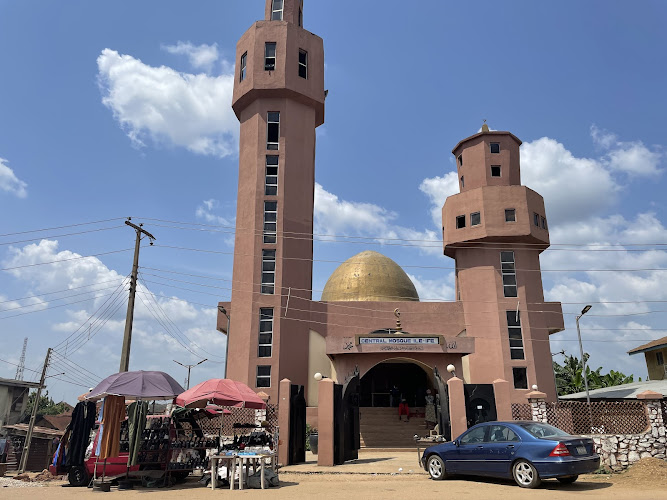
ILE IFE CENTRAL MOSQUE

Scrap Art Museum Ife

OBALUFON CASTLE
Find Accommodations Nearby
Recommended Tours & Activities
Visitor Reviews
There are no reviews yet. Be the first one to write one.
Share Your Experience
Have you visited Opa Oranmiyan? Help other travelers by leaving a review.