About Scrap Art Museum Ife

Description

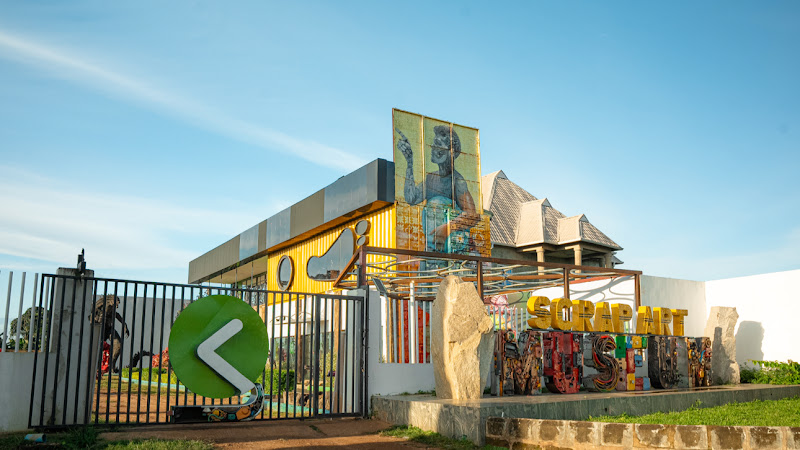
The Scrap Art Museum in Ife represents something genuinely special in Nigeria's cultural landscape - a place where discarded materials find new life through artistic vision and environmental consciousness. Located in the ancient city of Ile-Ife, this museum challenges visitors to reconsider their relationship with waste and creativity. The facility showcases how everyday objects that most people would toss aside can transform into thought-provoking art pieces that rival traditional gallery exhibitions. What makes this museum particularly fascinating is its commitment to sustainability and creative reuse. Artists working with scrap materials demonstrate that beauty doesn't require expensive canvases or pristine marble - sometimes the most compelling stories emerge from bottle caps, old tires, metal scraps, and forgotten household items. The museum serves as both an art gallery and an educational center, pushing visitors to think differently about consumption and waste in their own lives. I've always believed that the best museums are those that change how you see the world after leaving, and the Scrap Art Museum accomplishes exactly that. Visitors often report leaving with a newfound appreciation for materials they previously considered worthless. The exhibition spaces house sculptures, installations, and mixed-media works that range from whimsical to deeply political, addressing themes like environmental degradation, consumerism, and African identity through the lens of reclaimed materials. The museum operates with a clear mission beyond simply displaying art. It actively promotes environmental awareness and supports local artists who might not otherwise have access to expensive art supplies. This grassroots approach to creativity resonates particularly well with families and young people who can see that artistic expression doesn't require wealth - just imagination and resourcefulness.

Key Features

The Scrap Art Museum offers several standout characteristics that distinguish it from conventional art spaces: • Wheelchair Accessible Facilities - The entire museum complex provides full wheelchair access, including entrance ramps, accessible parking spaces, and adapted restroom facilities, ensuring everyone can enjoy the exhibitions regardless of mobility challenges. • Guided Tour Programs - Museum staff conduct informative tours that explain the artistic processes behind scrap art creation, the stories of individual artists, and the environmental impact of creative reuse. These tours add tremendous depth to the viewing experience. • On-Site Gift Shop - Visitors can purchase unique scrap art pieces and souvenirs, supporting local artists directly while taking home one-of-a-kind mementos that actually mean something beyond typical tourist trinkets. • Family-Oriented Environment - The museum specifically caters to families with children, offering educational programming that teaches younger visitors about recycling, creativity, and environmental stewardship in accessible, engaging ways. • Gender-Neutral Restroom Facilities - Demonstrating progressive thinking, the museum provides inclusive restroom options that accommodate all visitors comfortably. • Free Parking - On-site parking means visitors don't need to worry about finding street parking or paying additional fees, making the visit more convenient and budget-friendly. • Advance Ticketing System - While there's an admission fee to support museum operations and artist programs, the option to purchase tickets beforehand helps visitors plan their schedules and ensures entry during busy periods. • Rotating Exhibitions - The collection changes regularly, showcasing different artists and themes, which means repeat visits offer fresh perspectives and new discoveries.

Best Time to Visit

Timing your visit to the Scrap Art Museum can significantly enhance your experience. The museum welcomes guests year-round, but certain periods offer distinct advantages depending on what you're seeking. Weekday mornings, particularly Tuesday through Thursday, tend to be quieter. If you prefer contemplating art without crowds, these windows provide the most peaceful viewing conditions. You'll have more opportunities to examine individual pieces closely and perhaps engage museum staff in deeper conversations about the works and artists. Weekend visits bring more energy and often coincide with special programming or artist demonstrations. Families typically visit on Saturdays and Sundays, creating a livelier atmosphere that some travelers find more engaging. But be prepared for busier galleries during these peak times. The dry season, running roughly from November through March, offers the most comfortable weather for traveling around Ile-Ife and exploring the museum's outdoor installations if any exist. The rainy season from April through October can make transportation slightly more challenging, though the museum itself remains fully operational regardless of weather conditions. School holidays bring increased family attendance, so if you're traveling without children and prefer adult-focused quiet, you might want to avoid these periods. Conversely, if you're bringing kids, they'll enjoy the company of other young visitors and the special educational activities often scheduled during holiday periods. I'd recommend checking whether any special exhibitions or artist talks are scheduled during your intended visit. These events can dramatically enrich your experience but may also increase attendance. Advance ticket purchase becomes especially important during these featured events.

How to Get There

Reaching the Scrap Art Museum in Ile-Ife requires some planning, but the journey itself offers a glimpse into one of Nigeria's most historically significant cities. Ile-Ife is located in Osun State, and most travelers will need to make their way to this region first before locating the museum. If you're flying into Nigeria, the nearest major airport is Murtala Muhammed International Airport in Lagos, approximately 220 kilometers away. From Lagos, travelers can choose between hiring a private car, taking a bus, or using ride-sharing services for the roughly four-hour journey to Ile-Ife. The road conditions have improved considerably in recent years, making this drive more comfortable than it once was. Alternatively, Akure Airport in neighboring Ondo State sits closer to Ile-Ife, about 75 kilometers away, though flight options may be more limited. This route reduces travel time significantly for those who can arrange flights there. Once you arrive in Ile-Ife itself, local taxis and motorcycle taxis (okadas) can transport you to the museum. Many travelers find it helpful to have their accommodation arrange transportation, as drivers familiar with the area navigate more efficiently. And honestly, trying to find places in unfamiliar Nigerian cities can be an adventure you might not always want. For those already traveling within Nigeria, interstate bus services connect Ile-Ife to major cities like Ibadan, Lagos, and Abuja. The bus terminals in these cities offer multiple daily departures, though schedules can be somewhat flexible in the Nigerian style. The museum provides on-site parking for those driving themselves, which eliminates one major hassle. If you're comfortable driving in Nigeria and have rented a vehicle, this option offers the most flexibility for exploring Ile-Ife's other attractions alongside your museum visit.

Tips for Visiting

Getting the most from your Scrap Art Museum experience involves some practical preparation and openness to unexpected delights. Purchase your tickets in advance whenever possible. The museum recommends this approach, and it saves time upon arrival while guaranteeing entry during busier periods. Nothing's worse than traveling several hours only to find limited availability. Bring your camera, but always ask about photography policies before snapping away. Most museums appreciate visitors documenting their experience, but some individual pieces or exhibitions might have restrictions. The scrap art installations are incredibly photogenic, and you'll want to capture their creativity. Wear comfortable walking shoes. Even though the museum isn't enormous, you'll spend considerable time on your feet examining detailed works and reading contextual information. Plus, exploring Ile-Ife more broadly requires good footwear. Plan to spend at least two hours at the museum. Many first-time visitors underestimate how much there is to see and how long they'll want to linger over individual pieces. The stories behind the artworks deserve attention, and rushing through defeats the purpose. Consider joining a guided tour even if you typically prefer exploring independently. The guides possess knowledge about artistic techniques, individual artists' backgrounds, and the broader scrap art movement that enriches understanding tremendously. Their insights transform the visit from simple viewing into genuine learning. Bring cash for the gift shop if you plan to purchase anything. While the museum accepts various payment methods for admission, smaller transactions sometimes work more smoothly with cash, and you'll want to support the artists whose work resonates with you. Visit with an open mind about what constitutes art. Some travelers arrive with preconceptions about "real" art requiring traditional materials and techniques. The Scrap Art Museum challenges these assumptions beautifully, but you'll get more from the experience if you approach with curiosity rather than rigid expectations. Engage with museum staff when opportunities arise. They're typically passionate about the mission and happy to discuss the artworks, artists, and environmental philosophy driving the institution. These conversations often become highlights of the visit. Check whether any workshops or artist demonstrations are scheduled during your visit. Participating in hands-on activities or watching artists work provides insight that passive viewing can't match. These programs fill up quickly, so inquire early. And lastly, don't rush off immediately after viewing the main galleries. Spend a few minutes in reflection, perhaps in any outdoor spaces available, processing what you've seen. The museum's message about creativity, resourcefulness, and environmental responsibility deserves contemplation beyond the initial visual impact.

Key Features

  • Key Features
  • Best Time to Visit
  • How to Get There
  • Tips for Visiting

More Details

Updated March 30, 2026

Description

The Scrap Art Museum in Ife represents something genuinely special in Nigeria’s cultural landscape – a place where discarded materials find new life through artistic vision and environmental consciousness. Located in the ancient city of Ile-Ife, this museum challenges visitors to reconsider their relationship with waste and creativity. The facility showcases how everyday objects that most people would toss aside can transform into thought-provoking art pieces that rival traditional gallery exhibitions.

What makes this museum particularly fascinating is its commitment to sustainability and creative reuse. Artists working with scrap materials demonstrate that beauty doesn’t require expensive canvases or pristine marble – sometimes the most compelling stories emerge from bottle caps, old tires, metal scraps, and forgotten household items. The museum serves as both an art gallery and an educational center, pushing visitors to think differently about consumption and waste in their own lives.

I’ve always believed that the best museums are those that change how you see the world after leaving, and the Scrap Art Museum accomplishes exactly that. Visitors often report leaving with a newfound appreciation for materials they previously considered worthless. The exhibition spaces house sculptures, installations, and mixed-media works that range from whimsical to deeply political, addressing themes like environmental degradation, consumerism, and African identity through the lens of reclaimed materials.

The museum operates with a clear mission beyond simply displaying art. It actively promotes environmental awareness and supports local artists who might not otherwise have access to expensive art supplies. This grassroots approach to creativity resonates particularly well with families and young people who can see that artistic expression doesn’t require wealth – just imagination and resourcefulness.

Key Features

The Scrap Art Museum offers several standout characteristics that distinguish it from conventional art spaces:

Wheelchair Accessible Facilities – The entire museum complex provides full wheelchair access, including entrance ramps, accessible parking spaces, and adapted restroom facilities, ensuring everyone can enjoy the exhibitions regardless of mobility challenges.

Guided Tour Programs – Museum staff conduct informative tours that explain the artistic processes behind scrap art creation, the stories of individual artists, and the environmental impact of creative reuse. These tours add tremendous depth to the viewing experience.

On-Site Gift Shop – Visitors can purchase unique scrap art pieces and souvenirs, supporting local artists directly while taking home one-of-a-kind mementos that actually mean something beyond typical tourist trinkets.

Family-Oriented Environment – The museum specifically caters to families with children, offering educational programming that teaches younger visitors about recycling, creativity, and environmental stewardship in accessible, engaging ways.

Gender-Neutral Restroom Facilities – Demonstrating progressive thinking, the museum provides inclusive restroom options that accommodate all visitors comfortably.

Free Parking – On-site parking means visitors don’t need to worry about finding street parking or paying additional fees, making the visit more convenient and budget-friendly.

Advance Ticketing System – While there’s an admission fee to support museum operations and artist programs, the option to purchase tickets beforehand helps visitors plan their schedules and ensures entry during busy periods.

Rotating Exhibitions – The collection changes regularly, showcasing different artists and themes, which means repeat visits offer fresh perspectives and new discoveries.

Best Time to Visit

Timing your visit to the Scrap Art Museum can significantly enhance your experience. The museum welcomes guests year-round, but certain periods offer distinct advantages depending on what you’re seeking.

Weekday mornings, particularly Tuesday through Thursday, tend to be quieter. If you prefer contemplating art without crowds, these windows provide the most peaceful viewing conditions. You’ll have more opportunities to examine individual pieces closely and perhaps engage museum staff in deeper conversations about the works and artists.

Weekend visits bring more energy and often coincide with special programming or artist demonstrations. Families typically visit on Saturdays and Sundays, creating a livelier atmosphere that some travelers find more engaging. But be prepared for busier galleries during these peak times.

The dry season, running roughly from November through March, offers the most comfortable weather for traveling around Ile-Ife and exploring the museum’s outdoor installations if any exist. The rainy season from April through October can make transportation slightly more challenging, though the museum itself remains fully operational regardless of weather conditions.

School holidays bring increased family attendance, so if you’re traveling without children and prefer adult-focused quiet, you might want to avoid these periods. Conversely, if you’re bringing kids, they’ll enjoy the company of other young visitors and the special educational activities often scheduled during holiday periods.

I’d recommend checking whether any special exhibitions or artist talks are scheduled during your intended visit. These events can dramatically enrich your experience but may also increase attendance. Advance ticket purchase becomes especially important during these featured events.

How to Get There

Reaching the Scrap Art Museum in Ile-Ife requires some planning, but the journey itself offers a glimpse into one of Nigeria’s most historically significant cities. Ile-Ife is located in Osun State, and most travelers will need to make their way to this region first before locating the museum.

If you’re flying into Nigeria, the nearest major airport is Murtala Muhammed International Airport in Lagos, approximately 220 kilometers away. From Lagos, travelers can choose between hiring a private car, taking a bus, or using ride-sharing services for the roughly four-hour journey to Ile-Ife. The road conditions have improved considerably in recent years, making this drive more comfortable than it once was.

Alternatively, Akure Airport in neighboring Ondo State sits closer to Ile-Ife, about 75 kilometers away, though flight options may be more limited. This route reduces travel time significantly for those who can arrange flights there.

Once you arrive in Ile-Ife itself, local taxis and motorcycle taxis (okadas) can transport you to the museum. Many travelers find it helpful to have their accommodation arrange transportation, as drivers familiar with the area navigate more efficiently. And honestly, trying to find places in unfamiliar Nigerian cities can be an adventure you might not always want.

For those already traveling within Nigeria, interstate bus services connect Ile-Ife to major cities like Ibadan, Lagos, and Abuja. The bus terminals in these cities offer multiple daily departures, though schedules can be somewhat flexible in the Nigerian style.

The museum provides on-site parking for those driving themselves, which eliminates one major hassle. If you’re comfortable driving in Nigeria and have rented a vehicle, this option offers the most flexibility for exploring Ile-Ife’s other attractions alongside your museum visit.

Tips for Visiting

Getting the most from your Scrap Art Museum experience involves some practical preparation and openness to unexpected delights.

Purchase your tickets in advance whenever possible. The museum recommends this approach, and it saves time upon arrival while guaranteeing entry during busier periods. Nothing’s worse than traveling several hours only to find limited availability.

Bring your camera, but always ask about photography policies before snapping away. Most museums appreciate visitors documenting their experience, but some individual pieces or exhibitions might have restrictions. The scrap art installations are incredibly photogenic, and you’ll want to capture their creativity.

Wear comfortable walking shoes. Even though the museum isn’t enormous, you’ll spend considerable time on your feet examining detailed works and reading contextual information. Plus, exploring Ile-Ife more broadly requires good footwear.

Plan to spend at least two hours at the museum. Many first-time visitors underestimate how much there is to see and how long they’ll want to linger over individual pieces. The stories behind the artworks deserve attention, and rushing through defeats the purpose.

Consider joining a guided tour even if you typically prefer exploring independently. The guides possess knowledge about artistic techniques, individual artists’ backgrounds, and the broader scrap art movement that enriches understanding tremendously. Their insights transform the visit from simple viewing into genuine learning.

Bring cash for the gift shop if you plan to purchase anything. While the museum accepts various payment methods for admission, smaller transactions sometimes work more smoothly with cash, and you’ll want to support the artists whose work resonates with you.

Visit with an open mind about what constitutes art. Some travelers arrive with preconceptions about “real” art requiring traditional materials and techniques. The Scrap Art Museum challenges these assumptions beautifully, but you’ll get more from the experience if you approach with curiosity rather than rigid expectations.

Engage with museum staff when opportunities arise. They’re typically passionate about the mission and happy to discuss the artworks, artists, and environmental philosophy driving the institution. These conversations often become highlights of the visit.

Check whether any workshops or artist demonstrations are scheduled during your visit. Participating in hands-on activities or watching artists work provides insight that passive viewing can’t match. These programs fill up quickly, so inquire early.

And lastly, don’t rush off immediately after viewing the main galleries. Spend a few minutes in reflection, perhaps in any outdoor spaces available, processing what you’ve seen. The museum’s message about creativity, resourcefulness, and environmental responsibility deserves contemplation beyond the initial visual impact.

Key Highlights

  • Key Features
  • Best Time to Visit
  • How to Get There
  • Tips for Visiting

Location

Places to Stay Near Scrap Art Museum Ife

Find and Book a Tour

Explore More Travel Guides

No reviews found! Be the first to review!

Scrap Art Museum Ife is a prominent museums located in Ife.

Visit us at: 220103 Ibadan-Ife Rd, 220103, Ife, Osun, Nigeria.

Traveler Reviews for Scrap Art Museum Ife

There are no reviews yet. Be the first one to write one.

Share Your Experience

Have you visited Scrap Art Museum Ife? Help other travelers by sharing your review.

Find Accommodations Nearby

Recommended Tours & Activities

Visitor Reviews

There are no reviews yet. Be the first one to write one.

Share Your Experience

Have you visited Scrap Art Museum Ife? Help other travelers by leaving a review.