National Museum, Ife
About National Museum, Ife
Description
The National Museum in Ife stands as one of Nigeria's most significant cultural repositories, housing an extraordinary collection of artifacts that tell the story of one of Africa's greatest ancient civilizations. This museum isn't just another building filled with old objects - it's honestly a gateway to understanding the profound artistic and cultural achievements of the Yoruba people and the ancient Ife kingdom. When I think about museums that genuinely matter in the global narrative of human civilization, this one deserves way more recognition than it typically gets. Located in the spiritual heartland of Yorubaland, this institution preserves and displays some of the most remarkable terracotta and bronze sculptures ever discovered in sub-Saharan Africa. The famous Ife bronzes and terracotta heads, dating back to the 12th and 15th centuries, represent a level of artistic sophistication that challenged Western assumptions about African art when they were first studied. And honestly, standing before these ancient masterpieces, you can't help but feel a profound connection to the artists who created them centuries ago. The museum building itself might not win architectural awards, but what's inside transcends any need for flashy exteriors. Visitors discover an institution dedicated to preserving the tangible heritage of a civilization that flourished when much of Europe was still in its medieval period. The displays showcase not just art for art's sake, but functional objects, religious items, and everyday artifacts that paint a comprehensive picture of life in ancient Ife. For travelers seeking authentic cultural experiences rather than tourist traps, the National Museum in Ife delivers something genuinely special. It's the kind of place where you might spend an hour or an entire afternoon, depending on how deeply you want to engage with the exhibits. The museum staff typically share fascinating insights about the collections, and their passion for preserving this heritage becomes immediately apparent.Key Features
The National Museum in Ife offers visitors several distinctive features that make it worth the journey: • Original terracotta and bronze sculptures from the 12th-15th centuries, including the world-famous naturalistic heads that revolutionized understanding of African art history • Ancient beaded crowns and royal regalia that demonstrate the sophisticated craftsmanship of Ife's traditional rulers • Stone monuments and granite stools used in ceremonial contexts, some weighing several tons and adorned with intricate carvings • A comprehensive collection of pottery shards and fragments that archaeologists have used to piece together daily life in ancient Ife • Traditional Yoruba religious artifacts including staffs, bowls, and ceremonial objects used in worship practices that continue today • Archaeological finds from various excavation sites around Ife, including tools, ornaments, and household items • Wheelchair accessible facilities including restrooms, making the museum more inclusive for all visitors • Educational displays with contextual information explaining the significance of artifacts within Yoruba culture and history • Occasionally rotating exhibits featuring contemporary Yoruba art alongside ancient pieces, creating interesting dialogues across time periods • Courtyard areas where larger stone sculptures are displayed in open-air settings • Good facilities for families with children, allowing younger visitors to engage with cultural heritage in an accessible environmentBest Time to Visit
Timing your visit to the National Museum in Ife can significantly enhance your experience, and I've learned that several factors come into play here. The museum remains open throughout the year, but certain periods offer more comfortable conditions and better overall experiences. The dry season, running from November through March, provides the most pleasant weather for museum visits and exploring the surrounding Ife area. During these months, you won't be battling the intense heat and humidity that can make walking around exhibitions less comfortable. Morning visits, particularly between 10 AM and noon, tend to be quieter and cooler - though the museum rarely gets overwhelmingly crowded anyway, which is part of its charm. Weekdays generally see fewer visitors than weekends, giving you more space to contemplate the exhibits without feeling rushed. But weekends can actually be quite interesting too, as you might encounter Nigerian families introducing their children to cultural heritage, which adds a lovely dimension to the atmosphere. If you're particularly interested in Yoruba culture beyond the museum itself, planning your visit around the Olojo Festival (typically in September or October) could be worthwhile. While the festival celebrates the creation mythology of the Yoruba people and centers around the Ooni's palace rather than the museum, visiting the museum during this period provides additional context for the celebrations happening throughout the city. Rainy season months from April through October don't necessarily prevent museum visits since you're indoors, but getting to and from the location can become more challenging during heavy downpours. Plus, humidity levels inside older museum buildings can sometimes affect your comfort during extended visits. Academic holidays and school breaks might bring more student groups, which can actually be enjoyable if you don't mind the extra energy and enthusiasm young visitors bring. Some travelers find these periods offer opportunities to observe how Nigeria's younger generation engages with their cultural heritage.How to Get There
Getting to the National Museum in Ife requires some planning, but it's definitely manageable for travelers willing to embrace a bit of adventure. Ife itself, officially known as Ile-Ife, sits in Osun State in southwestern Nigeria, and several transportation options can get you there. Most international travelers arrive through Murtala Muhammed International Airport in Lagos, which is roughly 220 kilometers from Ife. From Lagos, you've got a few options. Private car hire offers the most comfort and flexibility - the journey takes approximately 3-4 hours depending on traffic conditions, which can be quite unpredictable. Many hotels in Lagos can arrange reliable drivers who know the route well. Alternatively, the Akure Airport in neighboring Ondo State is closer to Ife (about 65 kilometers away), though it has fewer flight connections. If you're coming from Abuja or other Nigerian cities, flying into Akure might actually save travel time. Road transport from Lagos includes commercial buses that run regularly to Ife. Companies operating on this route provide reasonably comfortable coaches, though you should expect the journey to take longer than private transport due to multiple stops. The bus parks in Lagos that service Ife routes can be chaotic, so arriving with a local contact or guide helps navigate the system. From within Osun State, regular transport runs between the state capital Osogbo and Ife - this shorter journey takes about 45 minutes to an hour. Once you arrive in Ife itself, the museum is accessible via local taxis or motorcycle taxis (okadas), which are everywhere. Most drivers know the museum location, but having the address written in local language doesn't hurt. If you're staying in Ife, many accommodations are within a reasonable distance of the museum, and hotel staff can typically arrange transportation or provide directions for walking if you're nearby.Tips for Visiting
Making the most of your National Museum visit requires some insider knowledge that guidebooks don't always share. First off, bring cash in Nigerian Naira for the entrance fee - card payment systems aren't always reliable, and you don't want to miss out because you're cashless. The admission price is quite reasonable compared to international museum standards, making it excellent value for what you experience. Photography policies can be a bit unclear, so ask permission before snapping pictures of specific exhibits. Some artifacts may have restrictions, and it's always better to check rather than assume. The staff generally appreciate visitors who show respect for the protocols, and this courtesy often results in them sharing extra information or insights about the collection. Wear comfortable walking shoes even though the museum isn't enormous. You'll be standing quite a bit as you examine displays, and the floors aren't always perfectly smooth. Dress modestly and respectfully - remember, you're visiting a place that holds deep cultural and spiritual significance for many people. The museum has restroom facilities, but they might not always be stocked with supplies you'd expect, so carrying tissues or hand sanitizer is smart. There's no restaurant on site, so eat before you arrive or bring snacks if you tend to get hungry. That said, the surrounding area has local eateries where you can experience authentic Yoruba cuisine after your visit. Hiring a guide, either arranged through the museum or independently, can dramatically enhance your understanding of the exhibits. The historical and cultural contexts behind these artifacts run deep, and having someone explain the symbolism, creation techniques, and significance brings the collection to life in ways that placards alone cannot. Plan for at least 1.5 to 2 hours if you want to properly appreciate the collection without rushing. Some visitors breeze through in 45 minutes, but that seems like a missed opportunity when you've traveled all that way. The museum's wheelchair accessible facilities mean travelers with mobility challenges can visit comfortably, though it's worth calling ahead to confirm specific accessibility needs can be accommodated. Finally, approach your visit with patience and openness. This isn't a slick, high-tech museum with interactive displays and coffee shops. It's a genuine, sometimes rough-around-the-edges institution doing important work preserving irreplaceable heritage. The authenticity of that experience is precisely what makes it valuable.Key Features
- Key Features
- Best Time to Visit
- How to Get There
- Tips for Visiting
More Details
Updated March 30, 2026
Table of Contents
Description
The National Museum in Ife stands as one of Nigeria’s most significant cultural repositories, housing an extraordinary collection of artifacts that tell the story of one of Africa’s greatest ancient civilizations. This museum isn’t just another building filled with old objects – it’s honestly a gateway to understanding the profound artistic and cultural achievements of the Yoruba people and the ancient Ife kingdom. When I think about museums that genuinely matter in the global narrative of human civilization, this one deserves way more recognition than it typically gets.
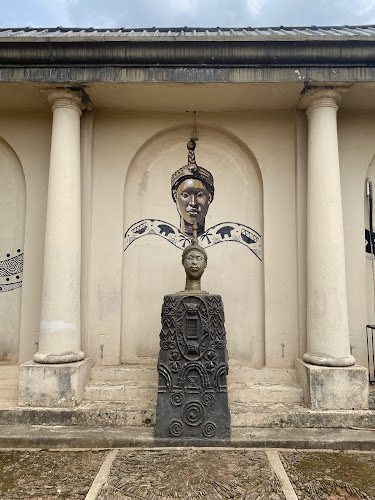
Located in the spiritual heartland of Yorubaland, this institution preserves and displays some of the most remarkable terracotta and bronze sculptures ever discovered in sub-Saharan Africa. The famous Ife bronzes and terracotta heads, dating back to the 12th and 15th centuries, represent a level of artistic sophistication that challenged Western assumptions about African art when they were first studied. And honestly, standing before these ancient masterpieces, you can’t help but feel a profound connection to the artists who created them centuries ago.
The museum building itself might not win architectural awards, but what’s inside transcends any need for flashy exteriors. Visitors discover an institution dedicated to preserving the tangible heritage of a civilization that flourished when much of Europe was still in its medieval period. The displays showcase not just art for art’s sake, but functional objects, religious items, and everyday artifacts that paint a comprehensive picture of life in ancient Ife.
For travelers seeking authentic cultural experiences rather than tourist traps, the National Museum in Ife delivers something genuinely special. It’s the kind of place where you might spend an hour or an entire afternoon, depending on how deeply you want to engage with the exhibits. The museum staff typically share fascinating insights about the collections, and their passion for preserving this heritage becomes immediately apparent.
Key Features
The National Museum in Ife offers visitors several distinctive features that make it worth the journey:
• Original terracotta and bronze sculptures from the 12th-15th centuries, including the world-famous naturalistic heads that revolutionized understanding of African art history
• Ancient beaded crowns and royal regalia that demonstrate the sophisticated craftsmanship of Ife’s traditional rulers
• Stone monuments and granite stools used in ceremonial contexts, some weighing several tons and adorned with intricate carvings
• A comprehensive collection of pottery shards and fragments that archaeologists have used to piece together daily life in ancient Ife
• Traditional Yoruba religious artifacts including staffs, bowls, and ceremonial objects used in worship practices that continue today
• Archaeological finds from various excavation sites around Ife, including tools, ornaments, and household items
• Wheelchair accessible facilities including restrooms, making the museum more inclusive for all visitors
• Educational displays with contextual information explaining the significance of artifacts within Yoruba culture and history
• Occasionally rotating exhibits featuring contemporary Yoruba art alongside ancient pieces, creating interesting dialogues across time periods
• Courtyard areas where larger stone sculptures are displayed in open-air settings
• Good facilities for families with children, allowing younger visitors to engage with cultural heritage in an accessible environment
Best Time to Visit
Timing your visit to the National Museum in Ife can significantly enhance your experience, and I’ve learned that several factors come into play here. The museum remains open throughout the year, but certain periods offer more comfortable conditions and better overall experiences.
The dry season, running from November through March, provides the most pleasant weather for museum visits and exploring the surrounding Ife area. During these months, you won’t be battling the intense heat and humidity that can make walking around exhibitions less comfortable. Morning visits, particularly between 10 AM and noon, tend to be quieter and cooler – though the museum rarely gets overwhelmingly crowded anyway, which is part of its charm.
Weekdays generally see fewer visitors than weekends, giving you more space to contemplate the exhibits without feeling rushed. But weekends can actually be quite interesting too, as you might encounter Nigerian families introducing their children to cultural heritage, which adds a lovely dimension to the atmosphere.
If you’re particularly interested in Yoruba culture beyond the museum itself, planning your visit around the Olojo Festival (typically in September or October) could be worthwhile. While the festival celebrates the creation mythology of the Yoruba people and centers around the Ooni’s palace rather than the museum, visiting the museum during this period provides additional context for the celebrations happening throughout the city.
Rainy season months from April through October don’t necessarily prevent museum visits since you’re indoors, but getting to and from the location can become more challenging during heavy downpours. Plus, humidity levels inside older museum buildings can sometimes affect your comfort during extended visits.
Academic holidays and school breaks might bring more student groups, which can actually be enjoyable if you don’t mind the extra energy and enthusiasm young visitors bring. Some travelers find these periods offer opportunities to observe how Nigeria’s younger generation engages with their cultural heritage.
How to Get There
Getting to the National Museum in Ife requires some planning, but it’s definitely manageable for travelers willing to embrace a bit of adventure. Ife itself, officially known as Ile-Ife, sits in Osun State in southwestern Nigeria, and several transportation options can get you there.
Most international travelers arrive through Murtala Muhammed International Airport in Lagos, which is roughly 220 kilometers from Ife. From Lagos, you’ve got a few options. Private car hire offers the most comfort and flexibility – the journey takes approximately 3-4 hours depending on traffic conditions, which can be quite unpredictable. Many hotels in Lagos can arrange reliable drivers who know the route well.
Alternatively, the Akure Airport in neighboring Ondo State is closer to Ife (about 65 kilometers away), though it has fewer flight connections. If you’re coming from Abuja or other Nigerian cities, flying into Akure might actually save travel time.
Road transport from Lagos includes commercial buses that run regularly to Ife. Companies operating on this route provide reasonably comfortable coaches, though you should expect the journey to take longer than private transport due to multiple stops. The bus parks in Lagos that service Ife routes can be chaotic, so arriving with a local contact or guide helps navigate the system.
From within Osun State, regular transport runs between the state capital Osogbo and Ife – this shorter journey takes about 45 minutes to an hour. Once you arrive in Ife itself, the museum is accessible via local taxis or motorcycle taxis (okadas), which are everywhere. Most drivers know the museum location, but having the address written in local language doesn’t hurt.
If you’re staying in Ife, many accommodations are within a reasonable distance of the museum, and hotel staff can typically arrange transportation or provide directions for walking if you’re nearby.
Tips for Visiting
Making the most of your National Museum visit requires some insider knowledge that guidebooks don’t always share. First off, bring cash in Nigerian Naira for the entrance fee – card payment systems aren’t always reliable, and you don’t want to miss out because you’re cashless. The admission price is quite reasonable compared to international museum standards, making it excellent value for what you experience.
Photography policies can be a bit unclear, so ask permission before snapping pictures of specific exhibits. Some artifacts may have restrictions, and it’s always better to check rather than assume. The staff generally appreciate visitors who show respect for the protocols, and this courtesy often results in them sharing extra information or insights about the collection.
Wear comfortable walking shoes even though the museum isn’t enormous. You’ll be standing quite a bit as you examine displays, and the floors aren’t always perfectly smooth. Dress modestly and respectfully – remember, you’re visiting a place that holds deep cultural and spiritual significance for many people.
The museum has restroom facilities, but they might not always be stocked with supplies you’d expect, so carrying tissues or hand sanitizer is smart. There’s no restaurant on site, so eat before you arrive or bring snacks if you tend to get hungry. That said, the surrounding area has local eateries where you can experience authentic Yoruba cuisine after your visit.
Hiring a guide, either arranged through the museum or independently, can dramatically enhance your understanding of the exhibits. The historical and cultural contexts behind these artifacts run deep, and having someone explain the symbolism, creation techniques, and significance brings the collection to life in ways that placards alone cannot.
Plan for at least 1.5 to 2 hours if you want to properly appreciate the collection without rushing. Some visitors breeze through in 45 minutes, but that seems like a missed opportunity when you’ve traveled all that way.
The museum’s wheelchair accessible facilities mean travelers with mobility challenges can visit comfortably, though it’s worth calling ahead to confirm specific accessibility needs can be accommodated.
Finally, approach your visit with patience and openness. This isn’t a slick, high-tech museum with interactive displays and coffee shops. It’s a genuine, sometimes rough-around-the-edges institution doing important work preserving irreplaceable heritage. The authenticity of that experience is precisely what makes it valuable.
Key Highlights
- Key Features
- Best Time to Visit
- How to Get There
- Tips for Visiting
Location
Places to Stay Near National Museum, Ife
Find and Book a Tour
Explore More Travel Guides
No reviews found! Be the first to review!
National Museum, Ife is a prominent museums located in Ife.
Visit us at: Enuwa Square, 220101, Ife, Osun, ナイジェリア.
Traveler Reviews for National Museum, Ife
There are no reviews yet. Be the first one to write one.
Have you visited National Museum, Ife? Help other travelers by sharing your review.
Find Accommodations Nearby
Recommended Tours & Activities
Visitor Reviews
There are no reviews yet. Be the first one to write one.
Share Your Experience
Have you visited National Museum, Ife? Help other travelers by leaving a review.
