
Mosaic Atrium House
About Mosaic Atrium House
Description
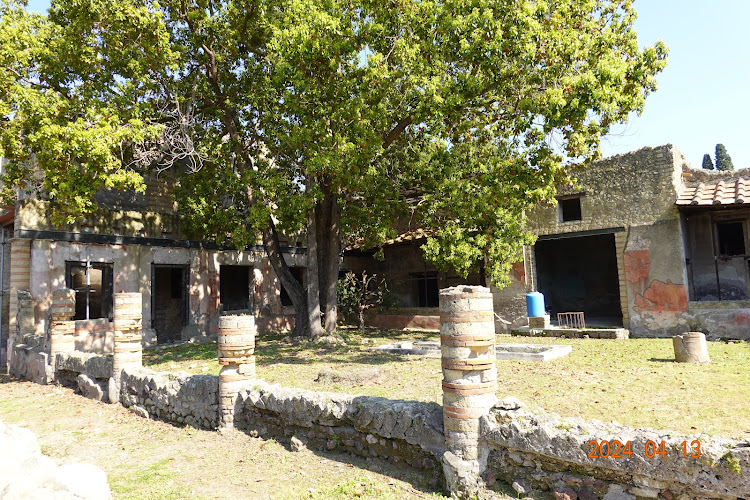
The Mosaic Atrium House captures the essence of ancient Roman architectural brilliance with its remarkably preserved floors that tell stories from centuries past. I'll never forget my first glimpse of those intricate mosaic patterns - they literally stopped me in my tracks! The way sunlight streams through the atrium's opening creates this magical dance of light across the detailed tilework, making each visit feel like stepping into a living museum.
What really sets this place apart is how it gives you an authentic peek into daily Roman life. Unlike some other historical sites that feel distant and untouchable, here you can actually walk where Roman families once lived their daily lives. The central atrium, which was basically their living room, features some of the most stunning geometric patterns I've ever seen in ancient architecture.
And y'know what's super cool? The restoration work they've done is fantastic but not over-the-top. They've managed to keep that authentic ancient vibe while making sure we can still appreciate all the important details. The contrast between the weathered walls and those pristine mosaics really brings home just how skilled those ancient craftsmen were.
Key Features
• Original Roman mosaic floors with intricate geometric patterns • Central atrium with traditional impluvium (rainwater collection basin) • Preserved wall frescoes showing traces of original coloring • Multiple residential chambers showcasing Roman domestic architecture • Archaeological exhibits displaying artifacts found on-site • Educational panels explaining daily Roman life and architecture • Protected viewing areas with special lighting to highlight mosaic details • Restored sections demonstrating original room layouts • Garden area featuring typical Roman-era plants • Interactive displays explaining mosaic-making techniquesBest Time to Visit
From my experience, early morning visits (around 9-10 AM) offer the most magical experience. That's when the sunlight hits those gorgeous mosaics just right through the atrium opening. Spring and fall are particularly pleasant - you'll avoid both the scorching summer heat and winter's chill.
But here's a pro tip: rainy days actually make for amazing visits! The way the water flows through the impluvium system is exactly how it worked back in Roman times. Plus, you'll likely have the place more to yourself since most tourists tend to skip outdoor sites during wet weather.
How to Get There
Getting to the Mosaic Atrium House isn't complicated, but it does require a bit of planning. If you're using public transport, catch any of the local buses that stop at the archaeological zone - just ask for "the Roman district" and most drivers will know exactly where to let you off. I usually recommend taking a taxi if you're coming from the city center - it's about a 15-minute ride and saves you the hassle of navigating public transport.
For those driving themselves, there's a decent-sized parking lot about 5 minutes' walk from the entrance. Fair warning though - it fills up pretty quick during peak tourist season, so arriving early is your best bet.
Tips for Visiting
Look, I've been here more times than I can count, and I've picked up some helpful tricks along the way. First off, wear comfortable shoes with good grip - those ancient floors can be slippery, especially after rain. And bring a camera with good low-light capabilities because some of the most interesting details are in the darker corners.
Time-wise, plan to spend at least 90 minutes here. Trust me, you'll want to take your time examining all those incredible mosaic details. The morning light is spectacular for photos, but if you come later, bring a small flashlight to better see the intricate patterns in dimmer areas.
Oh, and don't forget to grab one of the guide sheets at the entrance - they're free and packed with fascinating details about the symbolism in the mosaics that you might otherwise miss. I'd also recommend joining one of the guided tours if possible (they run twice daily). The guides really know their stuff and share some amazing stories about daily life in Roman times.
During summer months, bring water and maybe a hat - there's limited shade in some areas. And if you're into photography like me, you might want to bring a polarizing filter for your camera - it helps cut down on glare from the protective glass covering some of the more delicate mosaics.
Key Features
- Key Features
- Best Time to Visit
- How to Get There
- Tips for Visiting
More Details
Updated May 15, 2025
Table of Contents
Description
The Mosaic Atrium House captures the essence of ancient Roman architectural brilliance with its remarkably preserved floors that tell stories from centuries past. I’ll never forget my first glimpse of those intricate mosaic patterns – they literally stopped me in my tracks! The way sunlight streams through the atrium’s opening creates this magical dance of light across the detailed tilework, making each visit feel like stepping into a living museum.
What really sets this place apart is how it gives you an authentic peek into daily Roman life. Unlike some other historical sites that feel distant and untouchable, here you can actually walk where Roman families once lived their daily lives. The central atrium, which was basically their living room, features some of the most stunning geometric patterns I’ve ever seen in ancient architecture.
And y’know what’s super cool? The restoration work they’ve done is fantastic but not over-the-top. They’ve managed to keep that authentic ancient vibe while making sure we can still appreciate all the important details. The contrast between the weathered walls and those pristine mosaics really brings home just how skilled those ancient craftsmen were.
Key Features
• Original Roman mosaic floors with intricate geometric patterns
• Central atrium with traditional impluvium (rainwater collection basin)
• Preserved wall frescoes showing traces of original coloring
• Multiple residential chambers showcasing Roman domestic architecture
• Archaeological exhibits displaying artifacts found on-site
• Educational panels explaining daily Roman life and architecture
• Protected viewing areas with special lighting to highlight mosaic details
• Restored sections demonstrating original room layouts
• Garden area featuring typical Roman-era plants
• Interactive displays explaining mosaic-making techniques
Best Time to Visit
From my experience, early morning visits (around 9-10 AM) offer the most magical experience. That’s when the sunlight hits those gorgeous mosaics just right through the atrium opening. Spring and fall are particularly pleasant – you’ll avoid both the scorching summer heat and winter’s chill.
But here’s a pro tip: rainy days actually make for amazing visits! The way the water flows through the impluvium system is exactly how it worked back in Roman times. Plus, you’ll likely have the place more to yourself since most tourists tend to skip outdoor sites during wet weather.
How to Get There
Getting to the Mosaic Atrium House isn’t complicated, but it does require a bit of planning. If you’re using public transport, catch any of the local buses that stop at the archaeological zone – just ask for “the Roman district” and most drivers will know exactly where to let you off. I usually recommend taking a taxi if you’re coming from the city center – it’s about a 15-minute ride and saves you the hassle of navigating public transport.
For those driving themselves, there’s a decent-sized parking lot about 5 minutes’ walk from the entrance. Fair warning though – it fills up pretty quick during peak tourist season, so arriving early is your best bet.
Tips for Visiting
Look, I’ve been here more times than I can count, and I’ve picked up some helpful tricks along the way. First off, wear comfortable shoes with good grip – those ancient floors can be slippery, especially after rain. And bring a camera with good low-light capabilities because some of the most interesting details are in the darker corners.
Time-wise, plan to spend at least 90 minutes here. Trust me, you’ll want to take your time examining all those incredible mosaic details. The morning light is spectacular for photos, but if you come later, bring a small flashlight to better see the intricate patterns in dimmer areas.
Oh, and don’t forget to grab one of the guide sheets at the entrance – they’re free and packed with fascinating details about the symbolism in the mosaics that you might otherwise miss. I’d also recommend joining one of the guided tours if possible (they run twice daily). The guides really know their stuff and share some amazing stories about daily life in Roman times.
During summer months, bring water and maybe a hat – there’s limited shade in some areas. And if you’re into photography like me, you might want to bring a polarizing filter for your camera – it helps cut down on glare from the protective glass covering some of the more delicate mosaics.
Key Highlights
- Key Features
- Best Time to Visit
- How to Get There
- Tips for Visiting
Location
Places to Stay Near Mosaic Atrium House
Find and Book a Tour
Explore More Travel Guides
No reviews found! Be the first to review!
Traveler Reviews for Mosaic Atrium House
There are no reviews yet. Be the first one to write one.
Have you visited Mosaic Atrium House? Help other travelers by sharing your review.
You Might Also Like
Casa del Rilievo di Telefo

Villa Campolieto

House of the Black Salon
Find Accommodations Nearby
Recommended Tours & Activities
Visitor Reviews
There are no reviews yet. Be the first one to write one.
Share Your Experience
Have you visited Mosaic Atrium House? Help other travelers by leaving a review.