Archaeological Park of Herculaneum
About Archaeological Park of Herculaneum
Description
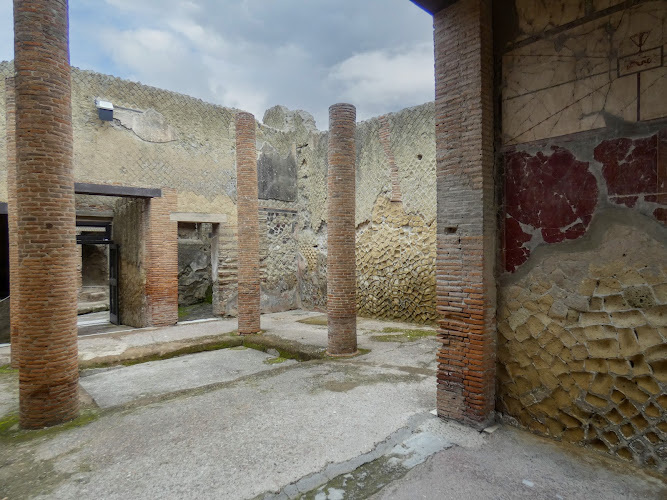
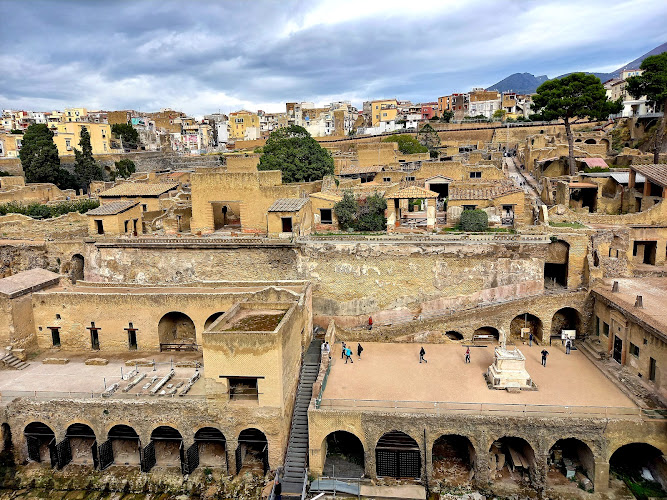
Walking through the Archaeological Park of Herculaneum feels like stepping into a time machine. Unlike its more famous neighbor Pompeii, this ancient Roman town offers an incredibly intimate glimpse into daily life before Mount Vesuvius’s catastrophic eruption in 79 AD. Y’know, it’s actually better preserved than Pompeii – the volcanic materials that buried Herculaneum actually helped preserve wooden structures and organic materials that you just don’t see elsewhere.
I was absolutely blown away by the multi-story buildings still standing – some reach up to three floors high! The detail in the colorful frescoes, intricate mosaics, and even ancient furniture really brings the past to life in a way that history books just can’t match.
Key Features
• The College of the Augustales – an incredibly well-preserved building with stunning frescoes depicting Hercules
• House of the Wooden Partition – featuring an original wooden screen that survived the eruption
• The Ancient Beach – where archaeologists discovered hundreds of skeletons of residents attempting to flee
• Hall of the Augustals – with remarkable paintings and decorations still visible on the walls
• The Central Thermae – public baths showing the sophisticated Roman heating system
• House of Neptune and Amphitrite – known for its colorful sea-themed mosaic
• The Samnite House – one of the oldest buildings in Herculaneum, dating to the 2nd century BC
• Villa of the Papyri – famous for its library containing hundreds of ancient scrolls
Best Time to Visit
Trust me on this one – plan your visit for early morning or late afternoon, especially if you’re coming during summer. The Italian sun can be brutal between 11 AM and 3 PM, and there’s limited shade among the ruins. Spring (April-May) and fall (September-October) are perfect for exploring – you’ll get pleasant temperatures and smaller crowds.
Weekdays are definitely less crowded than weekends. And if you’re coming in August, just know that’s peak tourist season in Italy, plus it’s scorching hot. I learned this the hard way during my first visit!
How to Get There
Getting to Herculaneum is pretty straightforward. The Circumvesuviana train from Naples is your best bet – hop on at Naples Central Station and get off at Ercolano Scavi station. The ride takes about 20 minutes, and trains run pretty frequently. From the station, it’s about a 10-minute walk downhill to the archaeological park.
If you’re driving (which honestly, I wouldn’t recommend unless you’re comfortable with Italian traffic), there’s a paid parking lot right near the entrance. But parking can be tricky during peak season, and the narrow streets around the site can be challenging to navigate.
Tips for Visiting
Book your tickets online ahead of time – seriously, this’ll save you from standing in long queues, especially during high season. The site isn’t huge like Pompeii, but you’ll still want at least 2-3 hours to explore properly.
Grab an audio guide – they’re totally worth it. I missed so much interesting stuff on my first visit before I knew better! The stories and historical context really bring the ruins to life.
Wear comfortable shoes with good grip – the ancient Roman streets are uneven and can be slippery. And don’t forget to bring water, a hat, and sunscreen. There’s not much shade once you’re inside the archaeological park.
Photography is allowed, but tripods need special permission. Early morning light makes for the best photos – the way it hits the ancient walls is just magical.
Consider hiring a guide for a more in-depth experience. They’ll point out details you might miss, like the carbonized wooden beams that are still intact after 2000 years!
The site has wheelchair accessibility, but some areas might be challenging due to the uneven terrain. There are clean restrooms near the entrance, but no cafeteria inside – maybe pack a snack if you’re planning a longer visit.
And here’s a pro tip: combine your visit with Pompeii, but do Herculaneum first. It’s smaller and less overwhelming, plus you’ll appreciate the differences between the two sites better this way. The preservation level here is actually superior in many ways – you’ll see wooden furniture and even food remains that didn’t survive in Pompeii.
Key Features
- Key Features
- Best Time to Visit
- How to Get There
- Tips for Visiting
More Details
Updated September 14, 2025
Table of Contents
- Description
- Key Features
- Best Time to Visit
- How to Get There
- Tips for Visiting
- Key Highlights
- Location
- Places to Stay Near Archaeological Park of Herculaneum
- Find and Book a Tour
- Explore More Travel Guides
- Nearby Places You Might Like
- Traveler Reviews for Archaeological Park of Herculaneum
- Share Your Experience
Description
Walking through the Archaeological Park of Herculaneum feels like stepping into a time machine. Unlike its more famous neighbor Pompeii, this ancient Roman town offers an incredibly intimate glimpse into daily life before Mount Vesuvius’s catastrophic eruption in 79 AD. Y’know, it’s actually better preserved than Pompeii – the volcanic materials that buried Herculaneum actually helped preserve wooden structures and organic materials that you just don’t see elsewhere.
I was absolutely blown away by the multi-story buildings still standing – some reach up to three floors high! The detail in the colorful frescoes, intricate mosaics, and even ancient furniture really brings the past to life in a way that history books just can’t match.
Key Features
• The College of the Augustales – an incredibly well-preserved building with stunning frescoes depicting Hercules
• House of the Wooden Partition – featuring an original wooden screen that survived the eruption
• The Ancient Beach – where archaeologists discovered hundreds of skeletons of residents attempting to flee
• Hall of the Augustals – with remarkable paintings and decorations still visible on the walls
• The Central Thermae – public baths showing the sophisticated Roman heating system
• House of Neptune and Amphitrite – known for its colorful sea-themed mosaic
• The Samnite House – one of the oldest buildings in Herculaneum, dating to the 2nd century BC
• Villa of the Papyri – famous for its library containing hundreds of ancient scrolls
Best Time to Visit
Trust me on this one – plan your visit for early morning or late afternoon, especially if you’re coming during summer. The Italian sun can be brutal between 11 AM and 3 PM, and there’s limited shade among the ruins. Spring (April-May) and fall (September-October) are perfect for exploring – you’ll get pleasant temperatures and smaller crowds.
Weekdays are definitely less crowded than weekends. And if you’re coming in August, just know that’s peak tourist season in Italy, plus it’s scorching hot. I learned this the hard way during my first visit!
How to Get There
Getting to Herculaneum is pretty straightforward. The Circumvesuviana train from Naples is your best bet – hop on at Naples Central Station and get off at Ercolano Scavi station. The ride takes about 20 minutes, and trains run pretty frequently. From the station, it’s about a 10-minute walk downhill to the archaeological park.
If you’re driving (which honestly, I wouldn’t recommend unless you’re comfortable with Italian traffic), there’s a paid parking lot right near the entrance. But parking can be tricky during peak season, and the narrow streets around the site can be challenging to navigate.
Tips for Visiting
Book your tickets online ahead of time – seriously, this’ll save you from standing in long queues, especially during high season. The site isn’t huge like Pompeii, but you’ll still want at least 2-3 hours to explore properly.
Grab an audio guide – they’re totally worth it. I missed so much interesting stuff on my first visit before I knew better! The stories and historical context really bring the ruins to life.
Wear comfortable shoes with good grip – the ancient Roman streets are uneven and can be slippery. And don’t forget to bring water, a hat, and sunscreen. There’s not much shade once you’re inside the archaeological park.
Photography is allowed, but tripods need special permission. Early morning light makes for the best photos – the way it hits the ancient walls is just magical.
Consider hiring a guide for a more in-depth experience. They’ll point out details you might miss, like the carbonized wooden beams that are still intact after 2000 years!
The site has wheelchair accessibility, but some areas might be challenging due to the uneven terrain. There are clean restrooms near the entrance, but no cafeteria inside – maybe pack a snack if you’re planning a longer visit.
And here’s a pro tip: combine your visit with Pompeii, but do Herculaneum first. It’s smaller and less overwhelming, plus you’ll appreciate the differences between the two sites better this way. The preservation level here is actually superior in many ways – you’ll see wooden furniture and even food remains that didn’t survive in Pompeii.
Key Highlights
- Key Features
- Best Time to Visit
- How to Get There
- Tips for Visiting
Location
Places to Stay Near Archaeological Park of Herculaneum
Find and Book a Tour
Explore More Travel Guides
No reviews found! Be the first to review!
Traveler Reviews for Archaeological Park of Herculaneum
There are no reviews yet. Be the first one to write one.
Have you visited Archaeological Park of Herculaneum? Help other travelers by sharing your review.
Find Accommodations Nearby
Recommended Tours & Activities
Visitor Reviews
There are no reviews yet. Be the first one to write one.
Share Your Experience
Have you visited Archaeological Park of Herculaneum? Help other travelers by leaving a review.