House of Neptune and Amphitrite
About House of Neptune and Amphitrite
Description
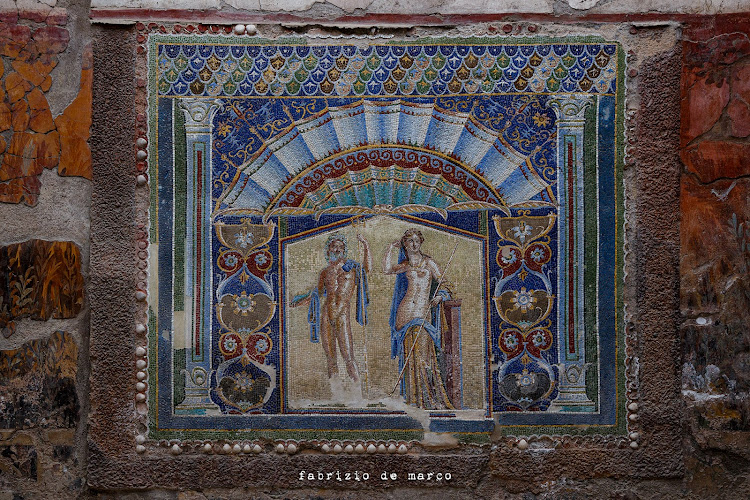
Step into a mesmerizing world of ancient Roman artistry at the House of Neptune and Amphitrite. Y'know, I've visited countless Roman ruins, but this one genuinely took my breath away. The stunning mosaic that gives this house its name is honestly one of the best-preserved examples I've ever encountered from the Roman era. What really gets me excited is how the stunning details still pop with color after all these centuries - the blues and greens in Neptune's realm feel almost as vivid as they must have been when first created.
The central scene depicts Neptune and his wife Amphitrite in an intimate portrait that speaks volumes about Roman mythology and artistry. But what's really cool is how the surrounding geometric patterns and marine motifs create this incredible sense of movement, like you're actually underwater in Neptune's domain. The craftsmanship is mind-blowing - each tiny tessera (that's what they call the individual mosaic pieces) was placed with incredible precision.
Key Features
• The spectacular main mosaic depicting Neptune and Amphitrite, spanning roughly 16 square meters • Intricate geometric patterns framing the central mythological scene • Beautifully preserved marine motifs including fish, sea creatures, and waves • Original Roman-era floor construction techniques visible around the mosaic • Architectural elements showing typical layout of a wealthy Roman household • Educational panels explaining the significance of the imagery and restoration work • Protected viewing area that allows visitors to examine the details up closeBest Time to Visit
Morning visits between 9-11 AM offer the best natural lighting to appreciate the mosaic's colors and details. I learned this the hard way after my first visit during peak afternoon sun - trust me, those harsh shadows don't do the artwork any favors! Spring (March-May) and autumn (September-November) provide ideal conditions with moderate temperatures and smaller crowds.
And here's an insider tip: try to avoid weekends if possible. I've found that weekday mornings, especially Tuesdays and Thursdays, tend to be quieter, giving you plenty of space to really soak in the details without feeling rushed.
How to Get There
Getting to the House of Neptune and Amphitrite isn't complicated, but it does require a bit of planning. From the main archaeological park entrance, follow the marked pathway past the Forum. You'll want to head toward the residential district - it's about a 10-minute walk. The site is well-signposted, but don't be shy about asking the friendly staff for directions if needed.
If you're driving, there's a decent-sized parking lot near the main entrance. But honestly, I prefer taking the local bus service - it drops you right at the archaeological park entrance, and you don't have to worry about parking fees or the summer heat while walking from distant parking spots.
Tips for Visiting
After multiple visits, I've picked up some handy tricks to make your experience even better. First off, wear comfortable shoes with good grip - those ancient Roman floors can be slippery! Bring a water bottle and maybe a hat during summer months, as the viewing area can get pretty warm.
Photography is allowed, but skip the flash - it's not just annoying to other visitors, but it can actually harm the ancient artwork. I've found that smartphone cameras work surprisingly well in capturing the details, especially if you use the HDR setting.
Oh, and definitely grab one of the guide sheets at the entrance - they're free and packed with fascinating details about the symbolism in the mosaics that you might otherwise miss. The staff are super knowledgeable too, so don't hesitate to ask questions. Sometimes they share these amazing little historical tidbits that aren't in any guidebook.
Plan to spend at least 30-45 minutes here to really appreciate everything. And if you're into ancient art, consider booking a guided tour - they often point out subtle details in the mosaic that most visitors overlook. Just remember to book these in advance during peak season!
Last but not least, combine your visit with other nearby Roman houses to make the most of your time. The House of Neptune and Amphitrite is incredible, but it's just one jewel in this archaeological crown!
Key Features
- Key Features
- Best Time to Visit
- How to Get There
- Tips for Visiting
More Details
Updated May 16, 2025
Table of Contents
Description
Step into a mesmerizing world of ancient Roman artistry at the House of Neptune and Amphitrite. Y’know, I’ve visited countless Roman ruins, but this one genuinely took my breath away. The stunning mosaic that gives this house its name is honestly one of the best-preserved examples I’ve ever encountered from the Roman era. What really gets me excited is how the stunning details still pop with color after all these centuries – the blues and greens in Neptune’s realm feel almost as vivid as they must have been when first created.
The central scene depicts Neptune and his wife Amphitrite in an intimate portrait that speaks volumes about Roman mythology and artistry. But what’s really cool is how the surrounding geometric patterns and marine motifs create this incredible sense of movement, like you’re actually underwater in Neptune’s domain. The craftsmanship is mind-blowing – each tiny tessera (that’s what they call the individual mosaic pieces) was placed with incredible precision.
Key Features
• The spectacular main mosaic depicting Neptune and Amphitrite, spanning roughly 16 square meters
• Intricate geometric patterns framing the central mythological scene
• Beautifully preserved marine motifs including fish, sea creatures, and waves
• Original Roman-era floor construction techniques visible around the mosaic
• Architectural elements showing typical layout of a wealthy Roman household
• Educational panels explaining the significance of the imagery and restoration work
• Protected viewing area that allows visitors to examine the details up close
Best Time to Visit
Morning visits between 9-11 AM offer the best natural lighting to appreciate the mosaic’s colors and details. I learned this the hard way after my first visit during peak afternoon sun – trust me, those harsh shadows don’t do the artwork any favors! Spring (March-May) and autumn (September-November) provide ideal conditions with moderate temperatures and smaller crowds.
And here’s an insider tip: try to avoid weekends if possible. I’ve found that weekday mornings, especially Tuesdays and Thursdays, tend to be quieter, giving you plenty of space to really soak in the details without feeling rushed.
How to Get There
Getting to the House of Neptune and Amphitrite isn’t complicated, but it does require a bit of planning. From the main archaeological park entrance, follow the marked pathway past the Forum. You’ll want to head toward the residential district – it’s about a 10-minute walk. The site is well-signposted, but don’t be shy about asking the friendly staff for directions if needed.
If you’re driving, there’s a decent-sized parking lot near the main entrance. But honestly, I prefer taking the local bus service – it drops you right at the archaeological park entrance, and you don’t have to worry about parking fees or the summer heat while walking from distant parking spots.
Tips for Visiting
After multiple visits, I’ve picked up some handy tricks to make your experience even better. First off, wear comfortable shoes with good grip – those ancient Roman floors can be slippery! Bring a water bottle and maybe a hat during summer months, as the viewing area can get pretty warm.
Photography is allowed, but skip the flash – it’s not just annoying to other visitors, but it can actually harm the ancient artwork. I’ve found that smartphone cameras work surprisingly well in capturing the details, especially if you use the HDR setting.
Oh, and definitely grab one of the guide sheets at the entrance – they’re free and packed with fascinating details about the symbolism in the mosaics that you might otherwise miss. The staff are super knowledgeable too, so don’t hesitate to ask questions. Sometimes they share these amazing little historical tidbits that aren’t in any guidebook.
Plan to spend at least 30-45 minutes here to really appreciate everything. And if you’re into ancient art, consider booking a guided tour – they often point out subtle details in the mosaic that most visitors overlook. Just remember to book these in advance during peak season!
Last but not least, combine your visit with other nearby Roman houses to make the most of your time. The House of Neptune and Amphitrite is incredible, but it’s just one jewel in this archaeological crown!

Key Highlights
- Key Features
- Best Time to Visit
- How to Get There
- Tips for Visiting
Location
Places to Stay Near House of Neptune and Amphitrite
Find and Book a Tour
Explore More Travel Guides
No reviews found! Be the first to review!
Traveler Reviews for House of Neptune and Amphitrite
There are no reviews yet. Be the first one to write one.
Have you visited House of Neptune and Amphitrite? Help other travelers by sharing your review.
Find Accommodations Nearby
Recommended Tours & Activities
Visitor Reviews
There are no reviews yet. Be the first one to write one.
Share Your Experience
Have you visited House of Neptune and Amphitrite? Help other travelers by leaving a review.