
Jardin Japonais Pierre Baudis
About Jardin Japonais Pierre Baudis
Description
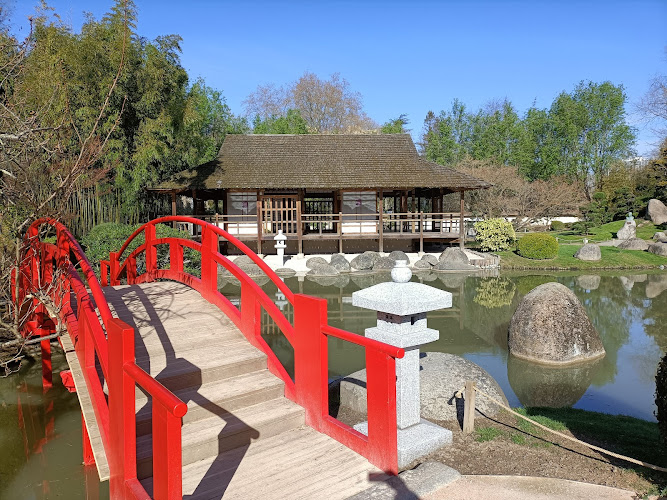
The Jardin Japonais Pierre Baudis offers travelers a slice of authentic Japanese garden design right in the heart of southern France. This botanical garden manages to transport visitors thousands of miles away without ever leaving Toulouse. And honestly, that's quite the achievement when you think about it. What strikes most people first is how the garden manages to create this sense of calm the moment you step through the entrance. The centerpiece is definitely the carefully designed pond, which reflects the surrounding greenery and creates this mirror-like surface that changes throughout the day. A distinctive red bridge arches gracefully over the water, providing that iconic Japanese aesthetic that photographers absolutely love. The traditional tea pavilion overlooks this scene from an elevated position, giving the whole space an authentic feel that goes beyond just throwing some bamboo plants together and calling it a day. The garden follows traditional Japanese landscaping principles, which means every rock, every plant, and every water feature has been positioned with intention. This isn't your typical European botanical garden where everything grows a bit wild and romantic. Instead, the design embraces the Japanese philosophy of finding beauty in carefully controlled nature. Some visitors find this level of precision almost meditative, while others might initially feel it's a bit too manicured compared to what they're used to. But that's kind of the whole point of Japanese garden design – it's nature interpreted through human artistry rather than nature left to its own devices. The space isn't enormous, which actually works in its favor. You can explore the entire garden in about an hour if you're moving at a leisurely pace, though many people end up staying longer simply because it's such a peaceful spot to sit and think. The garden draws from various elements you'd find in traditional Japanese gardens – carefully pruned trees, smooth stone pathways, lanterns positioned at just the right angles, and water features that create subtle background sounds.Key Features
- The signature red bridge spanning the central pond provides an instantly recognizable landmark and serves as the perfect photo opportunity for travelers wanting that quintessential Japanese garden shot
- An authentic tea pavilion overlooks the water, offering elevated views of the entire garden layout and creating a peaceful spot for contemplation
- Carefully curated plant selections that represent traditional Japanese botanical gardens, including precisely maintained trees and seasonal flowers that change the garden's appearance throughout the year
- Stone pathways that guide visitors through different sections of the garden, each offering unique perspectives and carefully framed views
- Wheelchair accessible entrance and parking facilities, making this peaceful retreat available to travelers with varying mobility needs
- Dog-friendly policy allowing pet owners to bring their furry companions along for the visit
- Dedicated picnic areas where visitors can spread out a blanket and enjoy lunch surrounded by zen-inspired landscaping
- Public restrooms available on-site, which honestly shouldn't be overlooked when you're planning a relaxing afternoon outdoors
- Traditional Japanese lanterns and decorative elements scattered throughout the grounds that add authentic touches to the overall atmosphere
- A pond ecosystem that attracts local wildlife, particularly birds and occasionally turtles sunbathing on the rocks
Best Time to Visit
Here's where things get interesting. The garden technically looks beautiful year-round, but your experience will vary dramatically depending on when you show up. Spring is probably the most popular season, particularly if you can time your visit for when the cherry blossoms are doing their thing. Usually this happens sometime between late March and early April, though nature doesn't exactly follow a strict schedule. The garden gets pretty crowded during peak blossom time, so if you're hoping for contemplative solitude, you might want to adjust expectations or arrive right when the gates open. Early summer brings lush greenery and the pond reflects everything in this almost surreal way. The temperatures are comfortable enough that you can spend a good chunk of time wandering without getting overheated. This is actually my preferred time because the garden has matured from spring's delicate beauty into something more substantial, but hasn't yet been baked by the intense southern French summer sun. But don't discount autumn. The Japanese maples put on an absolutely spectacular show as their leaves turn various shades of red and orange. There's something particularly fitting about experiencing a Japanese garden during fall – it aligns with the aesthetic principle of mono no aware, that bittersweet awareness of impermanence. Plus, the crowds thin out considerably once summer holidays end. Winter offers the most peaceful experience, though the garden obviously lacks the colorful flora of other seasons. If you're someone who appreciates seeing the bones of a garden's design without all the decorative elements, winter reveals the fundamental architecture of the space. The bare trees, the rocks, the water – you see how the garden actually works. Weekday mornings remain consistently less crowded than weekend afternoons regardless of season. If you're the type who values peace and quiet over seeing everything in peak bloom, plan accordingly.How to Get There
Getting to the Jardin Japonais Pierre Baudis doesn't require any particularly complicated navigation, which travelers always appreciate after dealing with confusing directions elsewhere. Public transportation serves the area reasonably well. The Toulouse Metro system gets you close enough that the garden is accessible without needing to rent a car. Several bus lines also stop within easy walking distance, making it straightforward for travelers staying in central Toulouse to reach the garden as a day trip destination. For those who prefer driving, parking is available and includes wheelchair accessible spaces. This is particularly useful if you're traveling with young children, elderly relatives, or anyone who might find extensive walking challenging. The parking situation isn't huge, though, so arriving during peak times might require some patience. Cycling is actually a pleasant option if you're comfortable on a bike and the weather cooperates. Toulouse has been improving its cycling infrastructure, and pedaling to the garden lets you approach at a slower pace that somehow fits the whole zen garden vibe better than rushing there in a taxi. The garden's location makes it easy to combine with other Toulouse attractions if you're planning your day efficiently. You're not stuck way out in the suburbs requiring a dedicated expedition just to see one garden.Tips for Visiting
Pack a picnic if you're visiting during decent weather. The garden explicitly welcomes picnickers, and there's something wonderfully incongruous about eating French cheese and bread in a Japanese garden while watching ducks paddle around the pond. Bring a blanket and claim a spot under one of the trees – just remember to take all your trash with you because maintaining this level of garden perfection requires everyone doing their part. Photography enthusiasts should bring proper camera equipment rather than relying solely on smartphones. The garden offers genuinely beautiful compositions, and the lighting changes dramatically throughout the day. Early morning and late afternoon provide that golden hour glow that makes everything look magical. The red bridge photographs particularly well, though you'll need to be patient if you want a shot without other tourists in the frame. Wear comfortable walking shoes even though the garden isn't massive. The pathways are generally well-maintained, but you'll be on your feet wandering around, and uncomfortable shoes will cut your visit short faster than anything else. Bring something to sit on if you plan to spend extended time enjoying the atmosphere. While there are some benches scattered around, they're not abundant enough for everyone during busy periods. A lightweight portable seat or even just a jacket to sit on gives you flexibility to settle anywhere that strikes your fancy. Dogs are allowed, which is great news for pet owners, but keep them leashed and be mindful that this is a carefully maintained space. Not everyone appreciates enthusiastic dogs bounding through zen gardens, even if your particular dog is the friendliest creature alive. Check the weather before heading out. The garden is primarily an outdoor experience without much covered space, so rain will genuinely impact your visit. That said, the garden has its own moody beauty in light rain if you don't mind getting a bit wet. Don't rush through. This isn't a museum where you're trying to see everything before closing time. The whole point of a Japanese garden is encouraging mindfulness and presence. Sit by the pond for a while. Watch the fish. Listen to the water. Let yourself actually relax instead of treating it like another item to check off your Toulouse itinerary. Consider visiting multiple times if you're staying in the area for several days. The garden reveals different aspects depending on time of day, weather conditions, and your own mood. A morning visit feels completely different from an evening visit even though you're technically seeing the same place. Families with children will find the garden generally kid-friendly, though parents should set expectations appropriately. This isn't a playground where kids can run wild – it's a contemplative space that asks for a certain level of respect and quiet. Many children genuinely enjoy watching the pond wildlife and crossing the bridge, but toddlers in their high-energy phase might find the garden a bit boring. The tea pavilion deserves a few minutes of your time. Climb up and take in the view from that elevated perspective. The designers specifically positioned it to provide the best overall view of the garden's layout, and you'll understand the space's organization much better from up there.Key Features
- Traditional Japanese layout with bridges, lanterns and stepping stones
- Koi ponds and water features that anchor the design
- Carefully pruned maples, pines and seasonal plantings
- Intimate pathways and viewing points for relaxation and photography
- Located within Parc Compans-Caffarelli close to public transport
More Details
Updated March 30, 2026
Table of Contents
Description
The Jardin Japonais Pierre Baudis offers travelers a slice of authentic Japanese garden design right in the heart of southern France. This botanical garden manages to transport visitors thousands of miles away without ever leaving Toulouse. And honestly, that’s quite the achievement when you think about it.
What strikes most people first is how the garden manages to create this sense of calm the moment you step through the entrance. The centerpiece is definitely the carefully designed pond, which reflects the surrounding greenery and creates this mirror-like surface that changes throughout the day. A distinctive red bridge arches gracefully over the water, providing that iconic Japanese aesthetic that photographers absolutely love. The traditional tea pavilion overlooks this scene from an elevated position, giving the whole space an authentic feel that goes beyond just throwing some bamboo plants together and calling it a day.
The garden follows traditional Japanese landscaping principles, which means every rock, every plant, and every water feature has been positioned with intention. This isn’t your typical European botanical garden where everything grows a bit wild and romantic. Instead, the design embraces the Japanese philosophy of finding beauty in carefully controlled nature. Some visitors find this level of precision almost meditative, while others might initially feel it’s a bit too manicured compared to what they’re used to. But that’s kind of the whole point of Japanese garden design – it’s nature interpreted through human artistry rather than nature left to its own devices.
The space isn’t enormous, which actually works in its favor. You can explore the entire garden in about an hour if you’re moving at a leisurely pace, though many people end up staying longer simply because it’s such a peaceful spot to sit and think. The garden draws from various elements you’d find in traditional Japanese gardens – carefully pruned trees, smooth stone pathways, lanterns positioned at just the right angles, and water features that create subtle background sounds.
Key Features
- The signature red bridge spanning the central pond provides an instantly recognizable landmark and serves as the perfect photo opportunity for travelers wanting that quintessential Japanese garden shot
- An authentic tea pavilion overlooks the water, offering elevated views of the entire garden layout and creating a peaceful spot for contemplation
- Carefully curated plant selections that represent traditional Japanese botanical gardens, including precisely maintained trees and seasonal flowers that change the garden’s appearance throughout the year
- Stone pathways that guide visitors through different sections of the garden, each offering unique perspectives and carefully framed views
- Wheelchair accessible entrance and parking facilities, making this peaceful retreat available to travelers with varying mobility needs
- Dog-friendly policy allowing pet owners to bring their furry companions along for the visit
- Dedicated picnic areas where visitors can spread out a blanket and enjoy lunch surrounded by zen-inspired landscaping
- Public restrooms available on-site, which honestly shouldn’t be overlooked when you’re planning a relaxing afternoon outdoors
- Traditional Japanese lanterns and decorative elements scattered throughout the grounds that add authentic touches to the overall atmosphere
- A pond ecosystem that attracts local wildlife, particularly birds and occasionally turtles sunbathing on the rocks
Best Time to Visit
Here’s where things get interesting. The garden technically looks beautiful year-round, but your experience will vary dramatically depending on when you show up.
Spring is probably the most popular season, particularly if you can time your visit for when the cherry blossoms are doing their thing. Usually this happens sometime between late March and early April, though nature doesn’t exactly follow a strict schedule. The garden gets pretty crowded during peak blossom time, so if you’re hoping for contemplative solitude, you might want to adjust expectations or arrive right when the gates open.
Early summer brings lush greenery and the pond reflects everything in this almost surreal way. The temperatures are comfortable enough that you can spend a good chunk of time wandering without getting overheated. This is actually my preferred time because the garden has matured from spring’s delicate beauty into something more substantial, but hasn’t yet been baked by the intense southern French summer sun.
But don’t discount autumn. The Japanese maples put on an absolutely spectacular show as their leaves turn various shades of red and orange. There’s something particularly fitting about experiencing a Japanese garden during fall – it aligns with the aesthetic principle of mono no aware, that bittersweet awareness of impermanence. Plus, the crowds thin out considerably once summer holidays end.
Winter offers the most peaceful experience, though the garden obviously lacks the colorful flora of other seasons. If you’re someone who appreciates seeing the bones of a garden’s design without all the decorative elements, winter reveals the fundamental architecture of the space. The bare trees, the rocks, the water – you see how the garden actually works.
Weekday mornings remain consistently less crowded than weekend afternoons regardless of season. If you’re the type who values peace and quiet over seeing everything in peak bloom, plan accordingly.
How to Get There
Getting to the Jardin Japonais Pierre Baudis doesn’t require any particularly complicated navigation, which travelers always appreciate after dealing with confusing directions elsewhere.
Public transportation serves the area reasonably well. The Toulouse Metro system gets you close enough that the garden is accessible without needing to rent a car. Several bus lines also stop within easy walking distance, making it straightforward for travelers staying in central Toulouse to reach the garden as a day trip destination.
For those who prefer driving, parking is available and includes wheelchair accessible spaces. This is particularly useful if you’re traveling with young children, elderly relatives, or anyone who might find extensive walking challenging. The parking situation isn’t huge, though, so arriving during peak times might require some patience.
Cycling is actually a pleasant option if you’re comfortable on a bike and the weather cooperates. Toulouse has been improving its cycling infrastructure, and pedaling to the garden lets you approach at a slower pace that somehow fits the whole zen garden vibe better than rushing there in a taxi.
The garden’s location makes it easy to combine with other Toulouse attractions if you’re planning your day efficiently. You’re not stuck way out in the suburbs requiring a dedicated expedition just to see one garden.
Tips for Visiting
Pack a picnic if you’re visiting during decent weather. The garden explicitly welcomes picnickers, and there’s something wonderfully incongruous about eating French cheese and bread in a Japanese garden while watching ducks paddle around the pond. Bring a blanket and claim a spot under one of the trees – just remember to take all your trash with you because maintaining this level of garden perfection requires everyone doing their part.
Photography enthusiasts should bring proper camera equipment rather than relying solely on smartphones. The garden offers genuinely beautiful compositions, and the lighting changes dramatically throughout the day. Early morning and late afternoon provide that golden hour glow that makes everything look magical. The red bridge photographs particularly well, though you’ll need to be patient if you want a shot without other tourists in the frame.
Wear comfortable walking shoes even though the garden isn’t massive. The pathways are generally well-maintained, but you’ll be on your feet wandering around, and uncomfortable shoes will cut your visit short faster than anything else.
Bring something to sit on if you plan to spend extended time enjoying the atmosphere. While there are some benches scattered around, they’re not abundant enough for everyone during busy periods. A lightweight portable seat or even just a jacket to sit on gives you flexibility to settle anywhere that strikes your fancy.
Dogs are allowed, which is great news for pet owners, but keep them leashed and be mindful that this is a carefully maintained space. Not everyone appreciates enthusiastic dogs bounding through zen gardens, even if your particular dog is the friendliest creature alive.
Check the weather before heading out. The garden is primarily an outdoor experience without much covered space, so rain will genuinely impact your visit. That said, the garden has its own moody beauty in light rain if you don’t mind getting a bit wet.
Don’t rush through. This isn’t a museum where you’re trying to see everything before closing time. The whole point of a Japanese garden is encouraging mindfulness and presence. Sit by the pond for a while. Watch the fish. Listen to the water. Let yourself actually relax instead of treating it like another item to check off your Toulouse itinerary.
Consider visiting multiple times if you’re staying in the area for several days. The garden reveals different aspects depending on time of day, weather conditions, and your own mood. A morning visit feels completely different from an evening visit even though you’re technically seeing the same place.
Families with children will find the garden generally kid-friendly, though parents should set expectations appropriately. This isn’t a playground where kids can run wild – it’s a contemplative space that asks for a certain level of respect and quiet. Many children genuinely enjoy watching the pond wildlife and crossing the bridge, but toddlers in their high-energy phase might find the garden a bit boring.
The tea pavilion deserves a few minutes of your time. Climb up and take in the view from that elevated perspective. The designers specifically positioned it to provide the best overall view of the garden’s layout, and you’ll understand the space’s organization much better from up there.
Key Highlights
- Traditional Japanese layout with bridges, lanterns and stepping stones
- Koi ponds and water features that anchor the design
- Carefully pruned maples, pines and seasonal plantings
- Intimate pathways and viewing points for relaxation and photography
- Located within Parc Compans-Caffarelli close to public transport
Location
Places to Stay Near Jardin Japonais Pierre Baudis
Find and Book a Tour
Explore More Travel Guides
No reviews found! Be the first to review!
Jardin Japonais Pierre Baudis is a prominent Jardin botanique located in Toulouse.
Visit us at: Jardin Compans Caffarelli, Bd Lascrosses, 31000 Toulouse, Francia.
Traveler Reviews for Jardin Japonais Pierre Baudis
There are no reviews yet. Be the first one to write one.
Have you visited Jardin Japonais Pierre Baudis? Help other travelers by sharing your review.
Nearby Attractions
You Might Also Like
All. de l

Quai des Savoirs

Couvent des Jacobins
Find Accommodations Nearby
Recommended Tours & Activities
Visitor Reviews
There are no reviews yet. Be the first one to write one.
Share Your Experience
Have you visited Jardin Japonais Pierre Baudis? Help other travelers by leaving a review.