
Dresden Transport Museum
About Dresden Transport Museum
Description
The Dresden Transport Museum stands as one of Germany's most fascinating collections of transportation history, housed within a stunning Renaissance-era building that deserves just as much attention as the exhibits inside. When you walk through those ancient walls, you're stepping into a world where steam locomotives meet modern aircraft, where vintage automobiles share space with intricate model railways that could keep you mesmerized for hours. This isn't your typical stuffy museum where everything sits behind glass and you're expected to shuffle along quietly. The Transport Museum in Dresden has managed to create something really special here - a space where technology and history collide in ways that actually make sense to regular people, not just transport enthusiasts. And trust me, even if you've never given a second thought to how trains evolved or what early automobiles looked like, you'll find yourself surprisingly engaged. The building itself has been standing since the 16th century, originally serving as a stable for the court of Saxony. Pretty wild to think that horses once occupied the same spaces where gleaming locomotives now rest. The transformation from royal stables to one of Germany's premier technology museums tells its own story about how we've evolved our relationship with transportation over the centuries. What strikes most visitors first is the sheer scale of some exhibits. Full-sized trains, aircraft hanging from ceilings, and automobiles from eras you've probably only seen in old movies create an atmosphere that's equal parts educational and awe-inspiring. The museum doesn't just show you old things - it helps you understand how each innovation changed the way people lived, worked, and connected with each other.Key Features
The Dresden Transport Museum packs an impressive amount into its historic walls, offering visitors several distinct collections that each deserve proper attention: • An extensive railway collection featuring locomotives and carriages from different periods of German rail history, including some truly magnificent steam engines that look like they could still roar to life • Aviation exhibits showcasing the evolution of flight, with actual aircraft suspended overhead creating dramatic visual moments throughout the galleries • A comprehensive automobile section displaying vehicles from early motorized carriages through to more contemporary classics, showing how personal transportation transformed society • The remarkable model railway installation that's become something of a star attraction - this isn't just a simple train set but an intricate miniature world complete with detailed landscapes and multiple trains running simultaneously • Maritime transportation displays that round out the complete transportation story, including ship models and nautical equipment • Interactive elements and hands-on displays particularly designed for younger visitors, though adults find themselves equally drawn to these engaging features • Live performance spaces where demonstrations and special events bring additional energy to the museum experience • Wheelchair accessible facilities throughout, making the museum genuinely welcoming to all visitors regardless of mobility needs • Child-friendly amenities including changing tables and special activities designed to keep younger museum-goers engaged and learning • The Renaissance architecture itself, with vaulted ceilings and historic stonework providing a unique backdrop that modern museum buildings simply cannot replicateBest Time to Visit
Timing your visit to the Dresden Transport Museum can make a real difference in your experience, and I've learned this the hard way after visiting similar attractions during peak tourist season. The museum sees its heaviest crowds during summer months, particularly July and August when families from across Europe descend on Dresden. Weekends throughout the year also draw larger groups, especially when special events or demonstrations are scheduled. If you're someone who likes taking your time with exhibits and maybe snapping photos without strangers' elbows in your frame, these probably aren't your ideal visiting windows. Early mornings on weekdays offer the most peaceful experience. Getting there right when doors open means you'll have those first precious hours with significantly fewer people around. There's something almost magical about standing alone beside a century-old locomotive or studying the model railway without crowds pressing around you. Spring and autumn present excellent compromise periods - the weather in Dresden remains pleasant, fewer tourists clog the city's attractions, and the museum maintains a comfortable visitor density where you're not alone but not overwhelmed either. Late March through May and September through early November hit that sweet spot. Winter visits have their own charm. Sure, the weather outside might be cold and grey, but the museum provides a perfect indoor activity. December can get busy with holiday tourists, but January and February are genuinely quiet months if you don't mind bundling up for the walk there. Consider visiting during special events if you want enhanced experiences - the museum occasionally hosts themed days or demonstrations with live performances. These do attract crowds but offer unique opportunities you won't get during standard visiting hours. Check what's happening before you finalize your plans. Weather doesn't really affect your visit since you're mostly indoors, though getting to the museum in heavy rain or snow isn't particularly pleasant. But that's true for any Dresden attraction really.How to Get There
Getting to the Dresden Transport Museum is refreshingly straightforward, which feels appropriate for a museum dedicated to transportation history. The museum sits in Dresden's historic center, making it easily accessible whether you're staying in the city or visiting as a day trip from elsewhere in Saxony or beyond. Most visitors find themselves within walking distance if they're staying anywhere in the Altstadt or central Dresden area. Public transportation serves the museum excellently. Several tram lines stop very close by - trams are honestly Dresden's best transport option anyway, offering frequent service and connecting all major areas of the city. If you're using public transit, just remember that Dresden's tram system operates on an honor system with random ticket checks, so do purchase your ticket before boarding. For those arriving by train to Dresden Hauptbahnhof, the main railway station, you're looking at about a 20-minute walk to the museum through some quite pleasant streets. Alternatively, hop on a tram for a few stops. The walk gives you a nice introduction to Dresden's architecture and urban landscape though, so weather permitting, your feet aren't a bad option. Driving to the museum comes with the usual urban parking challenges. There's paid parking nearby, but spaces can be limited especially during peak tourist season. Dresden's old town wasn't designed for modern traffic volumes, and parking regulations are strictly enforced. If you do drive, budget extra time to find parking and prepare for a short walk from wherever you eventually leave your vehicle. Cyclists will find Dresden fairly bike-friendly, with dedicated lanes in many areas. Bike parking near the museum exists though secure covered parking is limited. For visitors with mobility concerns, note that while the museum itself is wheelchair accessible, getting there may require planning depending on your starting point. Trams are generally accessible, but some older tram stops have challenges.Tips for Visiting
After spending considerable time researching and understanding what makes museum visits successful, here's what actually matters at the Dresden Transport Museum. Budget at least three hours for your visit, maybe four if you're genuinely interested in transportation history or traveling with kids who want to engage with interactive displays. Trying to rush through in an hour does a disservice to what the museum offers. The model railway alone can captivate you for longer than expected - it's genuinely impressive. Bring your own snacks and water since there's no restaurant on site. You'll find restrooms and can access wifi, but food options mean leaving the museum. There are cafes and restaurants in the surrounding area where you can break up your visit if needed. The family discount and kids' discounts make this a reasonably affordable attraction for families, which probably explains why you see so many children here. And honestly, that's great - kids belong in museums, and this one caters to them without dumbing down the content. Photography is generally permitted, but double-check current policies and be respectful of other visitors when snapping photos. Some of the larger exhibits like the suspended aircraft make for spectacular photos, but you'll need to think about lighting since you're working with indoor conditions. Wear comfortable shoes. The museum spreads across multiple floors in a historic building, meaning you'll do plenty of walking and possibly stair climbing despite elevators being available. Those Renaissance-era floors weren't designed with modern comfort in mind. If you're visiting with children, the changing tables and family facilities show the museum takes family needs seriously. The kid-friendly activities aren't just afterthoughts but genuinely engaging ways to help younger visitors understand transportation evolution. The museum's commitment to being LGBTQ+ friendly and a transgender safe space might not seem directly relevant to viewing old trains, but it speaks to an institutional culture that respects all visitors. Everyone deserves to enjoy learning about transportation history in a comfortable environment. Don't skip the smaller exhibits while rushing toward the big showy pieces. Some of the most interesting stories hide in less dramatic displays - early bicycle designs, vintage maps showing historical rail networks, or technical drawings that reveal how engineers solved complex problems. Assistive hearing loops aren't available, so visitors with hearing difficulties should plan accordingly. The museum experience relies heavily on visual elements though, which somewhat compensates. Consider combining your museum visit with other nearby Dresden attractions since you're already in the historic center. The city rewards tourists who explore beyond single destinations, and the Transport Museum sits conveniently positioned for broader sightseeing. And here's something I wish someone had told me about museums generally - don't try to see everything. Pick what genuinely interests you, spend quality time with those exhibits, and let yourself skip sections that don't grab your attention. Museums should be enjoyable, not exhausting obligations where you force yourself through every display case.Key Features
- Key Features
- Best Time to Visit
- How to Get There
- Tips for Visiting
More Details
Updated March 30, 2026
Table of Contents
Description
The Dresden Transport Museum stands as one of Germany’s most fascinating collections of transportation history, housed within a stunning Renaissance-era building that deserves just as much attention as the exhibits inside. When you walk through those ancient walls, you’re stepping into a world where steam locomotives meet modern aircraft, where vintage automobiles share space with intricate model railways that could keep you mesmerized for hours.
This isn’t your typical stuffy museum where everything sits behind glass and you’re expected to shuffle along quietly. The Transport Museum in Dresden has managed to create something really special here – a space where technology and history collide in ways that actually make sense to regular people, not just transport enthusiasts. And trust me, even if you’ve never given a second thought to how trains evolved or what early automobiles looked like, you’ll find yourself surprisingly engaged.
The building itself has been standing since the 16th century, originally serving as a stable for the court of Saxony. Pretty wild to think that horses once occupied the same spaces where gleaming locomotives now rest. The transformation from royal stables to one of Germany’s premier technology museums tells its own story about how we’ve evolved our relationship with transportation over the centuries.
What strikes most visitors first is the sheer scale of some exhibits. Full-sized trains, aircraft hanging from ceilings, and automobiles from eras you’ve probably only seen in old movies create an atmosphere that’s equal parts educational and awe-inspiring. The museum doesn’t just show you old things – it helps you understand how each innovation changed the way people lived, worked, and connected with each other.
Key Features
The Dresden Transport Museum packs an impressive amount into its historic walls, offering visitors several distinct collections that each deserve proper attention:
• An extensive railway collection featuring locomotives and carriages from different periods of German rail history, including some truly magnificent steam engines that look like they could still roar to life
• Aviation exhibits showcasing the evolution of flight, with actual aircraft suspended overhead creating dramatic visual moments throughout the galleries
• A comprehensive automobile section displaying vehicles from early motorized carriages through to more contemporary classics, showing how personal transportation transformed society
• The remarkable model railway installation that’s become something of a star attraction – this isn’t just a simple train set but an intricate miniature world complete with detailed landscapes and multiple trains running simultaneously
• Maritime transportation displays that round out the complete transportation story, including ship models and nautical equipment
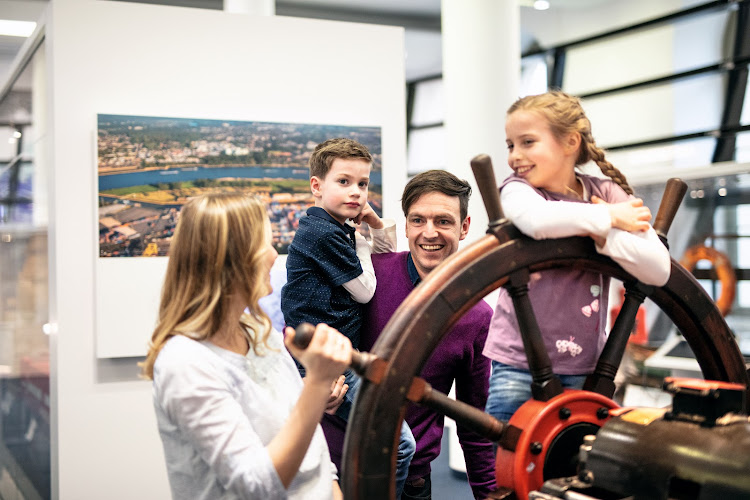
• Interactive elements and hands-on displays particularly designed for younger visitors, though adults find themselves equally drawn to these engaging features
• Live performance spaces where demonstrations and special events bring additional energy to the museum experience
• Wheelchair accessible facilities throughout, making the museum genuinely welcoming to all visitors regardless of mobility needs
• Child-friendly amenities including changing tables and special activities designed to keep younger museum-goers engaged and learning
• The Renaissance architecture itself, with vaulted ceilings and historic stonework providing a unique backdrop that modern museum buildings simply cannot replicate
Best Time to Visit
Timing your visit to the Dresden Transport Museum can make a real difference in your experience, and I’ve learned this the hard way after visiting similar attractions during peak tourist season.
The museum sees its heaviest crowds during summer months, particularly July and August when families from across Europe descend on Dresden. Weekends throughout the year also draw larger groups, especially when special events or demonstrations are scheduled. If you’re someone who likes taking your time with exhibits and maybe snapping photos without strangers’ elbows in your frame, these probably aren’t your ideal visiting windows.
Early mornings on weekdays offer the most peaceful experience. Getting there right when doors open means you’ll have those first precious hours with significantly fewer people around. There’s something almost magical about standing alone beside a century-old locomotive or studying the model railway without crowds pressing around you.
Spring and autumn present excellent compromise periods – the weather in Dresden remains pleasant, fewer tourists clog the city’s attractions, and the museum maintains a comfortable visitor density where you’re not alone but not overwhelmed either. Late March through May and September through early November hit that sweet spot.
Winter visits have their own charm. Sure, the weather outside might be cold and grey, but the museum provides a perfect indoor activity. December can get busy with holiday tourists, but January and February are genuinely quiet months if you don’t mind bundling up for the walk there.
Consider visiting during special events if you want enhanced experiences – the museum occasionally hosts themed days or demonstrations with live performances. These do attract crowds but offer unique opportunities you won’t get during standard visiting hours. Check what’s happening before you finalize your plans.
Weather doesn’t really affect your visit since you’re mostly indoors, though getting to the museum in heavy rain or snow isn’t particularly pleasant. But that’s true for any Dresden attraction really.
How to Get There
Getting to the Dresden Transport Museum is refreshingly straightforward, which feels appropriate for a museum dedicated to transportation history.
The museum sits in Dresden’s historic center, making it easily accessible whether you’re staying in the city or visiting as a day trip from elsewhere in Saxony or beyond. Most visitors find themselves within walking distance if they’re staying anywhere in the Altstadt or central Dresden area.
Public transportation serves the museum excellently. Several tram lines stop very close by – trams are honestly Dresden’s best transport option anyway, offering frequent service and connecting all major areas of the city. If you’re using public transit, just remember that Dresden’s tram system operates on an honor system with random ticket checks, so do purchase your ticket before boarding.
For those arriving by train to Dresden Hauptbahnhof, the main railway station, you’re looking at about a 20-minute walk to the museum through some quite pleasant streets. Alternatively, hop on a tram for a few stops. The walk gives you a nice introduction to Dresden’s architecture and urban landscape though, so weather permitting, your feet aren’t a bad option.
Driving to the museum comes with the usual urban parking challenges. There’s paid parking nearby, but spaces can be limited especially during peak tourist season. Dresden’s old town wasn’t designed for modern traffic volumes, and parking regulations are strictly enforced. If you do drive, budget extra time to find parking and prepare for a short walk from wherever you eventually leave your vehicle.
Cyclists will find Dresden fairly bike-friendly, with dedicated lanes in many areas. Bike parking near the museum exists though secure covered parking is limited.
For visitors with mobility concerns, note that while the museum itself is wheelchair accessible, getting there may require planning depending on your starting point. Trams are generally accessible, but some older tram stops have challenges.
Tips for Visiting
After spending considerable time researching and understanding what makes museum visits successful, here’s what actually matters at the Dresden Transport Museum.
Budget at least three hours for your visit, maybe four if you’re genuinely interested in transportation history or traveling with kids who want to engage with interactive displays. Trying to rush through in an hour does a disservice to what the museum offers. The model railway alone can captivate you for longer than expected – it’s genuinely impressive.
Bring your own snacks and water since there’s no restaurant on site. You’ll find restrooms and can access wifi, but food options mean leaving the museum. There are cafes and restaurants in the surrounding area where you can break up your visit if needed.
The family discount and kids’ discounts make this a reasonably affordable attraction for families, which probably explains why you see so many children here. And honestly, that’s great – kids belong in museums, and this one caters to them without dumbing down the content.
Photography is generally permitted, but double-check current policies and be respectful of other visitors when snapping photos. Some of the larger exhibits like the suspended aircraft make for spectacular photos, but you’ll need to think about lighting since you’re working with indoor conditions.
Wear comfortable shoes. The museum spreads across multiple floors in a historic building, meaning you’ll do plenty of walking and possibly stair climbing despite elevators being available. Those Renaissance-era floors weren’t designed with modern comfort in mind.
If you’re visiting with children, the changing tables and family facilities show the museum takes family needs seriously. The kid-friendly activities aren’t just afterthoughts but genuinely engaging ways to help younger visitors understand transportation evolution.
The museum’s commitment to being LGBTQ+ friendly and a transgender safe space might not seem directly relevant to viewing old trains, but it speaks to an institutional culture that respects all visitors. Everyone deserves to enjoy learning about transportation history in a comfortable environment.
Don’t skip the smaller exhibits while rushing toward the big showy pieces. Some of the most interesting stories hide in less dramatic displays – early bicycle designs, vintage maps showing historical rail networks, or technical drawings that reveal how engineers solved complex problems.
Assistive hearing loops aren’t available, so visitors with hearing difficulties should plan accordingly. The museum experience relies heavily on visual elements though, which somewhat compensates.
Consider combining your museum visit with other nearby Dresden attractions since you’re already in the historic center. The city rewards tourists who explore beyond single destinations, and the Transport Museum sits conveniently positioned for broader sightseeing.
And here’s something I wish someone had told me about museums generally – don’t try to see everything. Pick what genuinely interests you, spend quality time with those exhibits, and let yourself skip sections that don’t grab your attention. Museums should be enjoyable, not exhausting obligations where you force yourself through every display case.
Key Highlights
- Key Features
- Best Time to Visit
- How to Get There
- Tips for Visiting
Location
Places to Stay Near Dresden Transport Museum
Find and Book a Tour
Explore More Travel Guides
No reviews found! Be the first to review!
Dresden Transport Museum is a prominent museums located in Dresden.
Visit us at: Augustusstraße 1, 01067 Dresden, Germany.
Traveler Reviews for Dresden Transport Museum
There are no reviews yet. Be the first one to write one.
Have you visited Dresden Transport Museum? Help other travelers by sharing your review.
You Might Also Like

Dresden Park Railway

Kamelienhaus Pillnitz

Cathedral St. Trinitatis
Find Accommodations Nearby
Recommended Tours & Activities
Visitor Reviews
There are no reviews yet. Be the first one to write one.
Share Your Experience
Have you visited Dresden Transport Museum? Help other travelers by leaving a review.