

Chinagarten Zürich
About Chinagarten Zürich
The Chinagarten Zürich is honestly one of those places that catches you off guard in the best possible way. Here you are, walking along the shores of Lake Zürich, and suddenly you're transported into what feels like a slice of authentic Chinese landscape architecture right in the heart of Switzerland. I remember the first time I stumbled upon it during a particularly grey afternoon in Zürich – the contrast between the Swiss Alps in the distance and these elegant Chinese pavilions was something I hadn't quite expected.
This garden represents the friendship between Zürich and its Chinese sister city, Kunming, and boy, did they put effort into making it authentic. The entire space wraps around a serene pond where you'll find traditional bridges arching over the water, carefully placed rocks that seem to have their own stories, and pavilions with those distinctive upturned roofs that immediately signal you've entered something special. The landscaping follows classical Chinese garden principles, which is all about creating harmony between different elements – water, stone, plants, and architecture all working together.
What makes this spot particularly appealing is how it manages to feel genuinely peaceful despite being in a city that's constantly buzzing with banking business and tram bells. The garden covers a modest area, but the designers clearly understood that Chinese garden philosophy isn't about size – it's about creating an entire world in miniature. And they nailed it.
Key Features
The Chinagarten packs quite a bit into its lakeside location, offering visitors several distinctive elements that make it worth carving out time in your Zürich itinerary:
- An authentic Chinese pavilion with intricate wooden detailing and traditional architectural elements that were actually constructed by craftspeople from Kunming
- Curved bridges that cross the central pond, providing perfect photo opportunities and following feng shui principles
- A thoughtfully designed water feature with koi fish swimming lazily beneath lily pads
- Carefully selected plant species that bloom throughout different seasons, creating an ever-changing landscape
- Decorative rocks and stones positioned according to traditional Chinese aesthetic principles
- Benches strategically placed for contemplation and rest, often with lake views beyond the garden walls
- Public restroom facilities, which trust me, is more valuable than it sounds when you're exploring Zürich
- Open lawns perfect for picnicking with family or friends
- Direct access to the lakeside promenade for extended walks
- Informational plaques explaining the symbolism and cultural significance of various garden elements
Best Time to Visit
Timing your visit to Chinagarten can really make a difference in your experience, and I've got some thoughts on this based on seeing it through different seasons. Spring, particularly from April through early June, is absolutely gorgeous. The garden comes alive with blossoms, the temperature is comfortable for strolling, and the pond reflects everything beautifully. You'll see locals bringing their kids to feed the ducks and couples finding quiet corners for conversation.
But here's the thing – summer, especially July and August, attracts the biggest crowds. The garden becomes a popular picnic spot for both tourists and Zürich residents escaping their offices during lunch breaks. If you don't mind company and actually enjoy a bit of people-watching, summer afternoons can be delightful. Just bring a blanket and some snacks from one of the nearby bakeries.
Autumn brings something special too. The foliage changes create this incredible palette of reds, oranges, and golds that complement the traditional Chinese architecture in ways the garden designers probably dreamed about. September and October offer that sweet spot where the weather's still pleasant but the summer tourist rush has calmed down considerably.
Winter visits are for the brave and the contemplative. The garden takes on this stark, almost meditative quality when frost covers the pavilion roofs and the pond sometimes freezes over. It's rarely crowded, and there's something profound about experiencing Chinese garden philosophy in winter's quiet. Just dress warmly because that lake wind can cut right through you.
For the best lighting if you're into photography, early morning visits offer soft, golden light and virtually empty paths. Late afternoon, about two hours before sunset, gives you that warm glow that makes the red pavilion pillars practically glow.
Weekdays are generally quieter than weekends, which seems obvious but worth mentioning. If you're trying to avoid school groups and tour buses, steer clear of late mornings between Tuesday and Thursday during the school term.
How to Get There
Getting to Chinagarten is refreshingly straightforward, which is something I genuinely appreciate about Zürich's public transportation system. The city makes it almost too easy to get around without a car, and this garden is no exception.
The most common approach is taking tram line 2 or 4 to the Fröhlichstrasse stop. From there, it's literally a five-minute walk toward the lake. You'll head downhill, which is nice going there but remember you'll be walking back uphill afterward – nothing terrible, just something to keep in mind if you've got mobility considerations.
Bus line 912 or 916 also gets you close, dropping you at Bellerivestrasse, which puts you within easy walking distance. The Swiss public transport app is your friend here, and tickets work across trams, buses, and trains within the zone, so you're not constantly buying new tickets.
If you're already exploring the lakeside promenade, you can simply walk along the eastern shore of Lake Zürich. The garden sits in the Seefeld district, which is one of those areas where wealthy locals live in beautiful old buildings. The walk itself is pleasant, with lake views keeping you company the whole way.
For those staying in Zürich's city center, you're looking at about 15-20 minutes by tram or a 30-40 minute walk if you're feeling energetic and the weather's cooperating. I've done the walk several times, and it's genuinely enjoyable – you pass through some lovely neighborhoods and get a feel for residential Zürich beyond the tourist center.
Cycling is another solid option. Zürich has decent bike lanes, and there are Züri-Velo rental stations throughout the city. You'll find bike parking near the garden entrance.
If you insist on driving – though honestly, why would you in Zürich? – parking is limited and expensive in this residential area. There's a small parking area at the Strandbad Utoquai nearby, but it fills up quickly on nice days.
Tips for Visiting
After visiting Chinagarten multiple times and watching countless other visitors navigate the space, I've picked up some practical insights worth sharing. First off, admission is completely free, which still surprises people given how well-maintained everything is. Switzerland isn't exactly known for free attractions, so take advantage of this one.
The garden isn't huge, so don't expect to spend an entire afternoon here unless you're planning a picnic or really taking your time with meditation or sketching. Most visitors spend about 30-45 minutes exploring, though I've definitely lingered longer with a good book and coffee from a nearby café.
Speaking of picnics, this is genuinely encouraged and welcomed. The lawn areas are perfect for spreading out a blanket, and there's something special about enjoying Swiss cheese and bread while surrounded by Chinese architecture. Just remember to pack out everything you bring in – Swiss people take their cleanliness seriously, and there's a certain pride in keeping public spaces pristine.
The garden is absolutely suitable for kids, and you'll often see families here. Children seem fascinated by the fish in the pond and love crossing the zigzag bridges. But keep an eye on smaller ones near the water, as there aren't barriers everywhere.
Photography is allowed and encouraged, though if you're bringing professional equipment for a commercial shoot, you might need permission. For regular travel photos and Instagram snaps, you're completely fine. The pavilions photograph beautifully from multiple angles, and the reflections in the pond during calm mornings are absolutely worth waking up early for.
Restrooms are available on-site, which I mentioned earlier but it bears repeating because this isn't always the case with smaller gardens and parks. They're basic but clean and free to use.
Weather can change quickly in Zürich, especially near the lake. That gentle breeze can turn into something more forceful, and those beautiful clouds can suddenly decide to rain on your picnic. Bring layers, and maybe keep a small umbrella handy if you're visiting during shoulder seasons.
The garden follows seasonal hours, generally open from dawn to dusk. There's no gate that locks, but the service facilities close during winter months and evening hours. Check current timing before planning a specific visit, especially if you're counting on restroom access.
While you're in the area, the Zürichhorn park extends beyond the Chinese garden, offering even more lakeside wandering opportunities. The Seebad Utoquai, a public lake swimming area, is nearby if you're visiting during summer and fancy a swim in the surprisingly clean lake water.
One thing that surprised me – the garden hosts occasional cultural events, including Chinese New Year celebrations and traditional music performances. These aren't heavily advertised, so it's worth checking local event listings if you're interested in catching something special during your visit.
Finally, remember that this is a space designed for contemplation and peace. While conversation and enjoyment are welcome, it's worth respecting the meditative quality that makes this garden special. The locals treat it as a genuine retreat from city noise, and maintaining that atmosphere benefits everyone.
Key Features
- Authentic Chinese temple-garden design gifted by Kunming (opened 1994)
- Central pond with small islands, ornamental bridges and pavilions
- Red garden wall with gold-curved roof tiles and ornate architectural details
- Plantings emphasizing the “Three Friends of Winter”: pine, bamboo and plum
- Waterfront location next to Zürichhorn and Pavilion Le Corbusier, offering lake views
Nearby Attractions
You Might Also Like
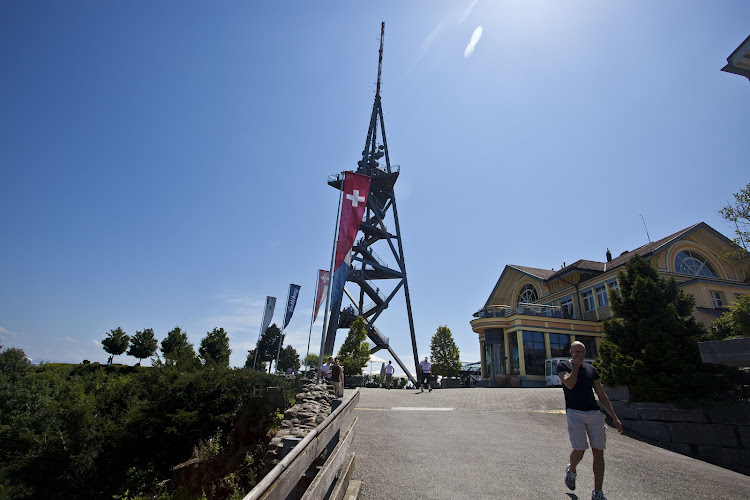
Aussichtsturm Uetliberg

Bar Campo

FIFA Museum
Tours & Activities
GetYourGuide provides this tour inventory. We may earn a commission if you book through it; verify current availability, prices, and terms with the provider.
Visitor Reviews
There are no reviews yet. Be the first one to write one.
Share Your Experience
Have you visited Chinagarten Zürich? Help other travelers by leaving a review.