About Andalusian Gardens

Description

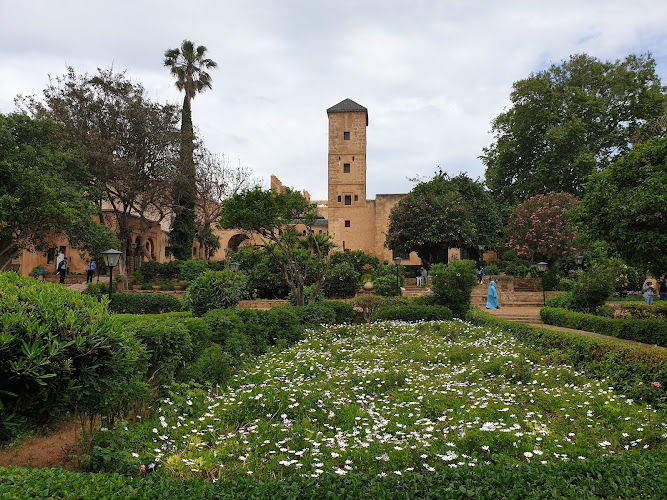
The Andalusian Gardens in Rabat feel like a secret you stumble upon rather than a place you plan to visit. Tucked behind the old Kasbah walls, it’s one of those rare corners where time slows down. The air smells faintly of orange blossoms and damp earth, and there’s this soft hum of life — birds, distant chatter, the rustle of leaves when the wind sneaks through. It’s not grand or showy, but that’s exactly its charm. I remember my first visit — I had just wandered out of the medina, a little overwhelmed by the noise and color, and suddenly, there it was: calm, shaded, and impossibly green.

This garden isn’t just about plants; it’s about atmosphere. You can feel the centuries of quiet care here. Built during the French colonial period but inspired by Moorish and Andalusian aesthetics, it blends structured geometry with wild nature — a kind of harmony that feels deeply Moroccan. The pathways invite slow walking, the fountains murmur softly, and the benches seem to whisper, “sit, stay a while.” It’s a place for reflection, for cooling off after exploring Rabat’s historic heart, or simply for watching the world amble by.

What I love most is how it feels both cultivated and spontaneous. You’ll see perfectly pruned hedges beside overgrown bougainvillea, and that mix makes it feel alive. Families stroll here, couples linger under the citrus trees, and kids chase pigeons across the tiled courtyards. It’s peaceful, but not silent — human in the best sense. You might even spot a local artist sketching or a group of students practicing Spanish or Arabic. It’s that kind of place — where people come to breathe.

Key Features

  • Exotic Flora: The gardens showcase a diverse collection of Mediterranean and tropical plants — palms, hibiscus, jasmine, and citrus trees that perfume the air.
  • Historic Design: The layout follows traditional Andalusian garden principles — symmetry, tiled walkways, and shaded corners designed for contemplation.
  • Quiet Fountains: Small water features create a tranquil soundtrack that softens the city’s background noise.
  • Artisan Touches: Handcrafted tiles and stone benches reflect Moroccan craftsmanship, adding cultural depth to the scenery.
  • Accessibility: The pathways and entrances are wheelchair-friendly, making it inclusive for all visitors.
  • Family-Friendly: Safe, open spaces where children can explore without worry, and parents can relax.
  • Public Amenities: Clean restrooms and shaded seating areas make it convenient for longer visits.

There’s something about the combination of stone, water, and greenery that feels almost therapeutic. It’s not a huge garden, but it’s layered — every turn seems to reveal a new pocket of calm. And if you’re into photography, the interplay of light and shadow here is magic, especially late afternoon when the sun filters through the palms.

Best Time to Visit

If you ask me, the Andalusian Gardens are best enjoyed in the early morning or late afternoon. The light is softer then, and the crowds thinner. Spring (March to May) is particularly lovely — everything’s in bloom, and the air feels fresh after winter rains. Summer can get warm, but the garden’s shaded paths and stone walls keep it surprisingly cool. I once visited in mid-July, expecting to melt, but instead found a spot under a fig tree and stayed for hours just reading and listening to the fountains.

Autumn has its own charm — fewer tourists, golden light, and that faint scent of ripe fruit from the citrus trees. Winter, though quieter, still has life; the greenery never really fades here. Honestly, there’s no bad time to visit, but if you want peace, go early. There’s something magical about watching the garden wake up.

How to Get There

Reaching the Andalusian Gardens is part of the adventure. They’re located near the Kasbah of the Udayas, one of Rabat’s most picturesque areas. Most travelers arrive by foot from the medina — it’s a short, scenic walk through narrow streets filled with local shops and cafés. If you’re coming from elsewhere in the city, taxis are easy to find and affordable. Just tell the driver you’re heading to the Kasbah, and they’ll drop you near the entrance.

Public transport is another option — Rabat’s tram system is efficient, and the nearest stop is only a short stroll away. For those driving, there’s accessible parking nearby. The entrance itself is easy to spot, framed by old stone walls and a hint of greenery peeking through. Once you step inside, the city noise fades almost instantly. It’s like crossing into another world.

Tips for Visiting

Here’s where a little insider knowledge helps. First, bring a bottle of water and maybe a small snack — there aren’t many vendors inside, and you’ll want to linger. Comfortable shoes are a must; the stone paths can be uneven in spots. If you’re a photographer, go during the golden hours — morning or late afternoon light brings out the garden’s textures beautifully.

And don’t rush. Seriously. This isn’t one of those “check it off the list” attractions. Sit on a bench, listen to the birds, watch the shadows move. I once spent nearly an hour just people-watching — an elderly man feeding stray cats, a group of teenagers laughing over selfies, a mother teaching her child the names of flowers. It’s the small, quiet moments that make this place special.

If you’re traveling with kids, it’s a safe and relaxing stop between more energetic sightseeing. The garden paths are stroller-friendly, and there’s plenty of open space for little ones to run around. For travelers with mobility needs, the accessible pathways and restrooms make it a comfortable experience.

One last thing — respect the space. It’s a public garden, but it’s also a living piece of Rabat’s cultural heritage. Avoid picking flowers or climbing on the old walls (tempting as those photo spots might be). The locals take pride in this place, and visitors who treat it with care are always welcomed with smiles.

To sum up, the Andalusian Gardens aren’t about grandeur or spectacle. They’re about atmosphere — a blend of history, nature, and quiet humanity. It’s where you go to slow down, to breathe, to feel connected to something older and gentler. Whether you stay ten minutes or two hours, you’ll leave lighter than when you arrived. And honestly, isn’t that what travel should be about?

Key Features

  • Key Features
  • Best Time to Visit
  • How to Get There
  • Tips for Visiting

More Details

Updated December 1, 2025


Description

The Andalusian Gardens in Rabat feel like a secret you stumble upon rather than a place you plan to visit. Tucked behind the old Kasbah walls, it’s one of those rare corners where time slows down. The air smells faintly of orange blossoms and damp earth, and there’s this soft hum of life — birds, distant chatter, the rustle of leaves when the wind sneaks through. It’s not grand or showy, but that’s exactly its charm. I remember my first visit — I had just wandered out of the medina, a little overwhelmed by the noise and color, and suddenly, there it was: calm, shaded, and impossibly green.

This garden isn’t just about plants; it’s about atmosphere. You can feel the centuries of quiet care here. Built during the French colonial period but inspired by Moorish and Andalusian aesthetics, it blends structured geometry with wild nature — a kind of harmony that feels deeply Moroccan. The pathways invite slow walking, the fountains murmur softly, and the benches seem to whisper, “sit, stay a while.” It’s a place for reflection, for cooling off after exploring Rabat’s historic heart, or simply for watching the world amble by.

What I love most is how it feels both cultivated and spontaneous. You’ll see perfectly pruned hedges beside overgrown bougainvillea, and that mix makes it feel alive. Families stroll here, couples linger under the citrus trees, and kids chase pigeons across the tiled courtyards. It’s peaceful, but not silent — human in the best sense. You might even spot a local artist sketching or a group of students practicing Spanish or Arabic. It’s that kind of place — where people come to breathe.

Key Features

  • Exotic Flora: The gardens showcase a diverse collection of Mediterranean and tropical plants — palms, hibiscus, jasmine, and citrus trees that perfume the air.
  • Historic Design: The layout follows traditional Andalusian garden principles — symmetry, tiled walkways, and shaded corners designed for contemplation.
  • Quiet Fountains: Small water features create a tranquil soundtrack that softens the city’s background noise.
  • Artisan Touches: Handcrafted tiles and stone benches reflect Moroccan craftsmanship, adding cultural depth to the scenery.
  • Accessibility: The pathways and entrances are wheelchair-friendly, making it inclusive for all visitors.
  • Family-Friendly: Safe, open spaces where children can explore without worry, and parents can relax.
  • Public Amenities: Clean restrooms and shaded seating areas make it convenient for longer visits.

There’s something about the combination of stone, water, and greenery that feels almost therapeutic. It’s not a huge garden, but it’s layered — every turn seems to reveal a new pocket of calm. And if you’re into photography, the interplay of light and shadow here is magic, especially late afternoon when the sun filters through the palms.

Best Time to Visit

If you ask me, the Andalusian Gardens are best enjoyed in the early morning or late afternoon. The light is softer then, and the crowds thinner. Spring (March to May) is particularly lovely — everything’s in bloom, and the air feels fresh after winter rains. Summer can get warm, but the garden’s shaded paths and stone walls keep it surprisingly cool. I once visited in mid-July, expecting to melt, but instead found a spot under a fig tree and stayed for hours just reading and listening to the fountains.

Autumn has its own charm — fewer tourists, golden light, and that faint scent of ripe fruit from the citrus trees. Winter, though quieter, still has life; the greenery never really fades here. Honestly, there’s no bad time to visit, but if you want peace, go early. There’s something magical about watching the garden wake up.

How to Get There

Reaching the Andalusian Gardens is part of the adventure. They’re located near the Kasbah of the Udayas, one of Rabat’s most picturesque areas. Most travelers arrive by foot from the medina — it’s a short, scenic walk through narrow streets filled with local shops and cafés. If you’re coming from elsewhere in the city, taxis are easy to find and affordable. Just tell the driver you’re heading to the Kasbah, and they’ll drop you near the entrance.

Public transport is another option — Rabat’s tram system is efficient, and the nearest stop is only a short stroll away. For those driving, there’s accessible parking nearby. The entrance itself is easy to spot, framed by old stone walls and a hint of greenery peeking through. Once you step inside, the city noise fades almost instantly. It’s like crossing into another world.

Tips for Visiting

Here’s where a little insider knowledge helps. First, bring a bottle of water and maybe a small snack — there aren’t many vendors inside, and you’ll want to linger. Comfortable shoes are a must; the stone paths can be uneven in spots. If you’re a photographer, go during the golden hours — morning or late afternoon light brings out the garden’s textures beautifully.

And don’t rush. Seriously. This isn’t one of those “check it off the list” attractions. Sit on a bench, listen to the birds, watch the shadows move. I once spent nearly an hour just people-watching — an elderly man feeding stray cats, a group of teenagers laughing over selfies, a mother teaching her child the names of flowers. It’s the small, quiet moments that make this place special.

If you’re traveling with kids, it’s a safe and relaxing stop between more energetic sightseeing. The garden paths are stroller-friendly, and there’s plenty of open space for little ones to run around. For travelers with mobility needs, the accessible pathways and restrooms make it a comfortable experience.

One last thing — respect the space. It’s a public garden, but it’s also a living piece of Rabat’s cultural heritage. Avoid picking flowers or climbing on the old walls (tempting as those photo spots might be). The locals take pride in this place, and visitors who treat it with care are always welcomed with smiles.

To sum up, the Andalusian Gardens aren’t about grandeur or spectacle. They’re about atmosphere — a blend of history, nature, and quiet humanity. It’s where you go to slow down, to breathe, to feel connected to something older and gentler. Whether you stay ten minutes or two hours, you’ll leave lighter than when you arrived. And honestly, isn’t that what travel should be about?

Key Highlights

  • Key Features
  • Best Time to Visit
  • How to Get There
  • Tips for Visiting

Location

Places to Stay Near Andalusian Gardens

Find and Book a Tour

Explore More Travel Guides

No reviews found! Be the first to review!

Traveler Reviews for Andalusian Gardens

There are no reviews yet. Be the first one to write one.

Share Your Experience

Have you visited Andalusian Gardens? Help other travelers by sharing your review.

Find Accommodations Nearby

Recommended Tours & Activities

Visitor Reviews

There are no reviews yet. Be the first one to write one.

Share Your Experience

Have you visited Andalusian Gardens? Help other travelers by leaving a review.