
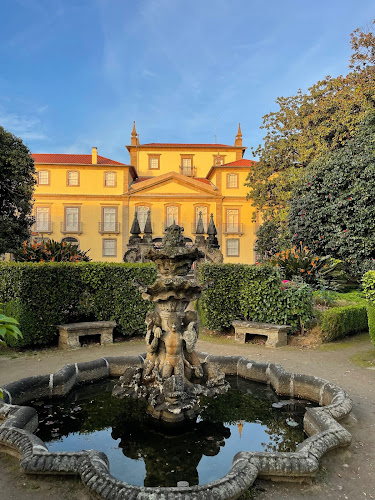
About Biscainhos Museum

Biscainhos Museum is a well-regarded tourist attraction located in Braga, Portugal. With a rating of 4.4 out of 5, it stands out as one of the top-rated tourist attractions in the area.

Location

You can find Biscainhos Museum at R. dos Biscaínhos s/n, 4700-415 Braga, Portugal.

Visiting Biscainhos Museum

Located in Braga, Portugal, Biscainhos Museum is a tourist attraction that visitors to the area may find worth exploring.

Planning Your Visit

The tourist attraction is located at R. dos Biscaínhos s/n, 4700-415 Braga, Portugal. GPS coordinates: 41.551131, -8.429434. Check locally for current opening hours and any admission fees before visiting.

More Details

Updated June 4, 2026

Biscainhos Museum is a well-regarded tourist attraction located in Braga, Portugal. With a rating of 4.4 out of 5, it stands out as one of the top-rated tourist attractions in the area.

Location

You can find Biscainhos Museum at R. dos Biscaínhos s/n, 4700-415 Braga, Portugal.

Visiting Biscainhos Museum

Located in Braga, Portugal, Biscainhos Museum is a tourist attraction that visitors to the area may find worth exploring.

Planning Your Visit

The tourist attraction is located at R. dos Biscaínhos s/n, 4700-415 Braga, Portugal. GPS coordinates: 41.551131, -8.429434. Check locally for current opening hours and any admission fees before visiting.

Location

Places to Stay Near Biscainhos Museum

Find and Book a Tour

Explore More Travel Guides

No reviews found! Be the first to review!

Biscainhos Museum is a historic palace museum tucked into Braga, Portugal. It’s best known for its 17th and 18th-century aristocratic architecture and a decorative arts collection that really brings Portuguese noble life to life.

The museum fills a residential palace originally built for a noble family. You’ll find original tilework, paintings, and period furnishings scattered throughout its rooms and gardens.

It’s a dream for history buffs, architecture nerds, or anyone who’s ever wondered how Portuguese nobility actually lived during the Baroque period.

The museum gives you direct access to a fully preserved noble residence. You can wander through private living quarters, servants’ areas, and formal spaces set up almost exactly as they were centuries ago.

Rooms like the kitchen, stables, chapel, and music salon all keep their original features. The palace gardens add another layer to your visit, showing off traditional Portuguese landscaping.

Construction started in the 17th century, with major renovations throughout the 1700s. Basque craftsmen from Biscay worked on the building—hence the name.

The Portuguese government bought the property in the 20th century and opened it as a public museum in 1978.

Key Takeaways

  • Biscainhos Museum displays authentic 17th and 18th-century noble living spaces, complete with original decorative arts and furnishings.
  • The palace includes rooms like stables, a kitchen, an oratory, and formal salons, each showing off a different side of aristocratic daily life.
  • You can visit Tuesday through Sunday, and Portuguese residents get free admission on select days throughout the year.

Key Details and Quick Facts

Biscainhos Museum sits on Rua dos Biscainhos in central Braga. It’s housed in a 17th-century Baroque palace that once belonged to a noble Portuguese family.

The palace’s name comes from Basque craftsmen who arrived from Biscay, Spain, in the 16th century and settled here.

Location & Building

  • Address: Rua dos Biscainhos, Braga
  • Structure: Late 17th-century urban manor
  • Architecture: Baroque style, with big additions in the 18th and 19th centuries
  • Acquired: Bought by the Portuguese state in the 20th century

The museum opened to the public in 1978. You can explore original rooms like the stable, kitchen, noble hall, oratory, music room, and dining areas.

The palace preserves its authentic layout, so you get a real sense of how aristocratic families lived during the Baroque period.

What You’ll See

  • Roman relics and archaeological finds
  • 18th and 19th-century furniture collections
  • Historic tilework and ceiling paintings
  • Baroque sculptures and decorative arts
  • Formal gardens with original 18th-century landscaping

If you want to see both the rooms and gardens, set aside about 2 hours. The museum is part of Portugal’s free admission program, so Portuguese residents get 52 free entry days per year at participating museums.

The palace gardens went through restoration work in the 18th century and are still one of the highlights.

What to Expect Inside the Museum

You’ll walk through a 17th-century Baroque palace that keeps the original layout and furnishings of a Portuguese noble family’s home. The rooms sprawl across different floors and show how aristocrats lived from the 1600s through the 1800s.

The palace features areas like the entrance hall, grand staircase, noble salon, music and game room, dining room, kitchen, stables, and private chapel.

Inside, you’ll find a hefty decorative arts collection, with a big focus on Portuguese tilework (azulejos) from various periods. There are original wall paintings, ornate ceiling work, and period furniture arranged as they were when the family actually lived here.

Key rooms worth a peek:

  • Salão Nobre: The noble salon, full of elaborate decoration.
  • Oratório: A private chapel for the family’s religious life.
  • Sala do Estrado: A traditional Portuguese sitting room.
  • Cavalariça: The former stables, now part of the museum.
  • Cozinha: The palace kitchen, with period equipment.

You’ll spot sculpture, ceramics, and decorative objects from the 17th to 19th centuries. Most of what you see belonged to the original owners or is similar to what wealthy Portuguese families would have owned.

The rooms are connected through the original palace layout, so you’ll follow a path through the living spaces much as residents and guests did centuries ago.

Planning Your Visit

Biscainhos Museum is open Tuesday through Sunday from 10am to 12:30pm and 2pm to 5:30pm. It’s closed Mondays and on holidays like January 1st, Easter Sunday, May 1st, June 24th (Braga’s municipal holiday), and December 25th.

Give yourself about 2 hours to see both the palace and the gardens at a relaxed pace.

Best Time to Go

If you want the rooms to yourself, go on a weekday morning right when they open at 10am. The museum shuts for lunch from 12:30pm to 2pm, which is just how things go in Portugal—so plan around that.

Spring and early fall are the sweet spots for the gardens, though the indoor collections are solid year-round. Skip June 24th unless you’re here for São João, since the museum closes for Braga’s biggest festival.

If you’re with a group, definitely book a guided tour in advance—walk-in groups aren’t always guaranteed.

Getting There

The museum’s at Rua dos Biscainhos in Braga’s historic center, walking distance from most central hotels and the Cathedral.

You can get there on foot from Praça da República in about 10 minutes. If you’re driving, parking in the old town is tough and usually metered.

Public buses stop nearby, but honestly, walking is easiest if you’re staying centrally.

Insider Tips

You’re allowed to take photos for personal use, but commercial filming or photography requires advance permission from museum management. Don’t touch any displayed objects—staff are always watching and take this seriously.

The noble floor (andar nobre) isn’t wheelchair accessible, but the ground-floor rooms and gardens have ramps to the cloister. Tour guides can bring their own groups, but a museum staff member will be present.

Regular admission doesn’t include guided tours—those are for pre-arranged groups only. Solo visitors explore independently, with staff stationed around.

No food, drinks, or pets allowed (except service dogs). Eating, drinking, and smoking are all off-limits anywhere on the property.

Exploring Nearby Attractions in Braga District

You’re close to a bunch of historical sites within walking distance of Biscainhos Museum. Portugal’s first cathedral and a UNESCO-listed sanctuary with Baroque staircases are both nearby.

The Sé de Braga (Braga Cathedral) is just a few blocks away, with Romanesque and Baroque architecture from the 11th century. Inside, you’ll find the Cathedral Treasury and royal tombs.

Bom Jesus do Monte sits about 5 kilometers east of the city center on a hilltop. It’s a pilgrimage site, famous for its 116-meter granite staircase (yep, 580 steps), chapels, and fountains representing the Stations of the Cross.

You can climb the steps or take the 19th-century water-powered funicular.

The Jardim de Santa Bárbara is a peaceful garden next to the medieval tower and the Archbishop’s Palace walls. Arco da Porta Nova marks the entrance to Braga’s old town, and Praça da República is the main square with cafés and the Arcade building.

Raio Palace stands out with its blue azulejo tilework on an 18th-century façade. Most of these attractions are about a 10-minute walk from Biscainhos Museum.

Public buses will get you to Bom Jesus do Monte if you’re not up for a hike.

Frequently Asked Questions

If you’re planning a visit, you’ll want the practical details that guidebooks usually gloss over—stuff like accessibility, timing, and what’s actually worth seeing.

What makes this historic house-museum stand out from Braga’s other museums, and what details do most visitors miss?

Biscainhos Museum preserves a whole aristocratic lifestyle within its original 17th and 18th-century palace. Furnished rooms, decorative tiles, and formal gardens show how Portuguese nobility really lived.

You’re not just looking at objects in glass cases—you’re walking through the entrance hall, stables, kitchen, music salon, and private chapel where a noble family actually lived out their days.

Most people miss the azulejo tilework in the stairwell and service areas. It’s some of Braga’s best, honestly.

The palace’s name comes from Basque craftsmen who settled on this street in the 16th century and built much of the neighborhood.

The garden layout behind the palace sticks to formal Baroque design principles—something you don’t see much anymore in Portugal.

How much time should you plan for a visit, and what’s the best route through the rooms and gardens?

You’ll want about two hours to get through both the rooms and gardens at a comfortable pace. The museum follows a pretty logical route—start in the ground-floor entrance hall, head through the service areas like the stables and kitchen, then go upstairs to the noble family’s living quarters.

Begin with the downstairs rooms to get a sense of how the household worked, then climb the main staircase for the formal reception rooms, private chambers, and chapel. Save the gardens for last—they’re a nice way to end the visit and grab some photos in natural light.

The palace isn’t huge, so you won’t get lost, but keep an eye on the numbered rooms if you want to follow the story chronologically.

Do you need to book tickets in advance, and are there any free-entry days or discounted options worth knowing about?

You can buy tickets at the entrance—no need to book ahead unless there’s a special event. Portuguese residents get 52 free-entry days each year at state museums and monuments, but you’ll want to double-check the current schedule.

The museum usually offers free admission during European Heritage Days in September, especially for the Braga Barroca festival.

What are the opening hours throughout the year, and which days are the quietest for an uncrowded visit?

The museum’s open Tuesday through Sunday, with morning hours from 10:00 to 12:30 and afternoons from 14:00 to 17:00. Mondays are always closed—standard for Portuguese museums.

Weekend mornings can get busy with families and tour groups. If you want quiet, try Tuesday or Wednesday afternoons.

Early afternoon, right after the lunch break, is usually the calmest time to take photos without other visitors in the frame.

Is the museum accessible for visitors with limited mobility, and what should you expect with stairs, courtyards, and uneven floors?

Accessibility’s a bit of a challenge here. The palace keeps its original 17th-century architecture, so you’ll find stone staircases, raised thresholds, and cobblestone surfaces in the courtyards and gardens.

The main exhibition rooms on the upper floor require climbing a baroque staircase—no elevator, unfortunately.

Wheelchair users can access the ground-floor entrance hall, stables, and gardens, but not the formal living quarters upstairs, where a lot of the decorative art collection is displayed.

Garden paths have gravel and some slight slopes, which could be tricky for some mobility devices.

If you need specific accommodations, contact the museum before you go. Staff can sometimes arrange alternative viewing options for the ground-floor exhibits.

Which other nearby museums pair well for a half-day cultural itinerary, and how can you connect them efficiently on foot?

The Biscainhos Museum is right in Braga’s historic center. From there, it’s just a 10-15 minute walk to the Sé Cathedral, its sacred art museum, the Archbishop’s Palace, and the Museum of Image.

Some folks like to start with the cathedral complex in the morning. Then, you can wander northwest to Biscainhos after lunch.

The Nogueira da Silva Museum—decorative arts in another historic mansion—is about 20 minutes away on foot. It actually shares some thematic DNA with Biscainhos’ aristocratic collections.

Visiting both lets you notice how differently Portuguese noble heritage gets preserved in these old homes. It’s a bit like time-traveling between parallel histories.

Most of Braga’s cultural spots are clustered in the walkable streets between Praça da República and the cathedral. You can easily hit three or four museums in a single outing—no need for a car or bus.

Traveler Reviews for Biscainhos Museum

There are no reviews yet. Be the first one to write one.

Share Your Experience

Have you visited Biscainhos Museum? Help other travelers by sharing your review.

Find Accommodations Nearby

Recommended Tours & Activities

Visitor Reviews

There are no reviews yet. Be the first one to write one.

Share Your Experience

Have you visited Biscainhos Museum? Help other travelers by leaving a review.