
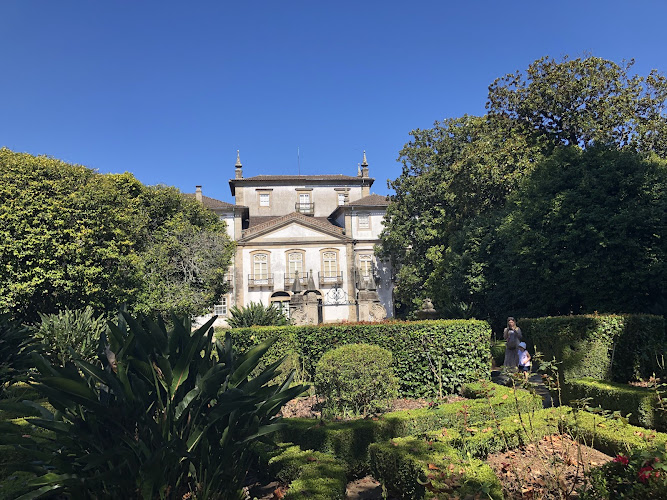
Biscaínhos Museum Garden
About Biscaínhos Museum Garden
Description
The Biscaínhos Museum Garden sits as a calm, carefully composed green room beside an old aristocratic house in Braga. It is part of a museum ensemble that reflects centuries of local taste and domestic life, yet the garden has its own personality — orderly paths, trimmed hedges, small fountains and secret corners where the city noise seems to evaporate. A visitor will notice the contrast between the formal geometry of planted beds and the softer, quieter sections where shade trees and intimate benches invite slow wandering.
Historically minded travelers will appreciate how the garden acts as an outdoor extension of the palace experience: it was designed to be seen from windows and balconies, to punctuate social life, and to frame views. The planting choices still echo those original intentions. But the place is not a museum relic frozen in time; it changes through the seasons. Spring bulbs and later summer perennials step in and out, insects do their small, vital work, and the light shifts across carved stone and green leaves in ways that make repeat visits worth it.
People who come looking for ornate botanical collections will find modesty here. This is not a botanical garden with label-heavy plantings; instead it's a heritage garden where architecture and horticulture talk to one another. Sculptural elements and stonework are part of the composition, and pathways direct attention to framed vistas rather than wild profusion. The overall effect is one of restraint and history, but with enough surprises — hidden seats, a small water feature, mossed steps — that curiosity is rewarded.
The garden also works well for photography. Light through clipped hedges, reflections in little ponds, and the backdrop of palace facades make for satisfying images. And yet the site has a forgiving atmosphere: it tolerates casual visitors, picnickers who keep to benches, sketchers, and families who want a short, safe stroll. The author personally found the garden to be a gentle counterpoint after several hours exploring Braga’s denser streets — the sort of place that lets a person inhale and recompose their day.
Key Features
- Historical layout reflecting the palace’s original garden design, with formal beds and axial paths
- Stone ornamentation, small fountains, and sculptural details that enrich photo opportunities
- Various micro-spaces: sunny terraces, shaded alleys, secluded benches for reading or reflection
- Seasonal plantings that change the character of the garden across spring, summer, autumn and winter
- Close visual and practical connection to the Biscaínhos palace museum, offering a fuller cultural visit
- Easy-to-follow walking routes suitable for families, seniors and casual travelers
- Calmer atmosphere than Braga’s busiest tourist spots — better for a relaxed visit or a short rest
- Good natural framing for photography, painting, and quiet observation of local life
Best Time to Visit
The garden is worth a visit year-round, but the experience shifts with the seasons, and timing can make a big difference in how the place feels. For flower interest and warmer weather, late spring to early summer is appealing; beds are lively, bees and butterflies are active, and mornings are pleasantly cool. Autumn offers golden light and crisp air, plus less crowding than midsummer — the author remembers an October afternoon when the low sun pooled on stone steps and made everything look softer.
Summer afternoons can be warm, and shade becomes a welcome feature. If travelers are in Braga during July or August, aim for early morning or late afternoon to avoid the hottest hours. Winter visits are quieter and reveal structural qualities of the garden that sometimes get overlooked: hedges, stonework, and the way paths curve — things that spring blooms can hide. But winter can also be windy or damp, so bring a layer and wear sensible shoes.
Weekdays tend to be less busy than weekends, especially in the shoulder seasons. If a visitor wants solitude, an early weekday visit pays off. And for photographers chasing particular lighting, golden hour — just after sunrise or before sunset — gives the best contrast and color, though access times may be gated depending on museum hours.
How to Get There
The garden is located within easy reach of Braga’s historic center, which makes it convenient for travelers exploring on foot. From the main cathedral area, most visitors will find it to be a short walk; that’s part of its charm. Walking is recommended because Braga’s compact center is pleasant and full of little sights en route. But if someone has mobility concerns or is carrying luggage, taxis or local ride services are straightforward options and will drop visitors nearby.
Public transport in Braga can also be used, depending on where a traveler starts. Buses that serve the city center stop within easy walking distance of the museum complex. For those driving, parking in central streets is available but can fill up during peak tourist season and local events. The author once circled for a bit on a busy Saturday, so the practical tip is to allow an extra 10–20 minutes to find parking or to park a few blocks away and walk. Cycling is another pleasant option; Braga is increasingly cycle-friendly and a short ride from many neighborhoods will do the trick.
If arriving by train to Braga station, the garden is walkable from the station, though travelers with heavy bags might prefer a short taxi ride. The general pattern is simple: get to the historic core and then let the smaller streets lead to the museum area. Along the way, expect to pass cafés, shops and other minor attractions — which can be a good chance to stop for a drink or a snack before entering the garden.
Tips for Visiting
Plan for a relaxed pace. The garden rewards slow movement rather than rushing. Allow at least 45 minutes to an hour to explore the main paths and pausing spots; combine it with the palace museum if time allows. The author tends to put the museum visit first, then use the garden as a decompressing bonus — but some people prefer the reverse: garden first to acclimatize, museum second to add context.
Wear comfortable shoes. Paths are mostly walkable but include cobbles, steps and occasional uneven paving. A lightweight jacket or an umbrella in the off-season will help with unexpected showers. Bring a bottle of water in summer; while the garden is pleasant, shade can be patchy during the midday sun.
Photography and sketching are popular, but be mindful of others. The garden is a public-spirited space; keep tripods compact when the site is busy and avoid setting up in the middle of narrow paths. And if a traveler wants interior palace photos, check the museum rules first — many historic houses limit photography indoors.
Combine visits for better value. The garden and the palace are part of the same cultural experience. Tickets, if required, sometimes cover both areas or offer combined options. Since opening hours can vary seasonally, check the most recent schedule before making strict plans. The author once arrived 15 minutes after the last tour and had to wait an hour; a small annoyance but easily avoidable with a quick check.
Go early for peace, late for light. Morning visits mean fewer people and cooler temperatures in summer; late afternoons create flattering light for photos and fewer harsh shadows. Weekday mornings are the sweet spot for solitude. Weekend afternoons, predictably, can be lively and less forgiving for anyone seeking quiet reflection.
Eating and resting options are nearby. While the garden itself is better for a light snack or a sit-down break rather than a full picnic, there are cafés and bakeries in walking distance. The author’s habit is to pick up a coffee from a nearby shop and return to a bench in the garden; it’s a small pleasure but it changes the whole pace of a day touring Braga.
Respect the site’s historical character. That means staying on paths, not picking plants, and treating the stonework gently. Many visitors respond well to the restraint: leaving things as they are ensures future travelers get the same quiet surprise the author did on that rain-washed afternoon.
Finally, balance expectations. The Biscaínhos Museum Garden is not an all-immersive botanical spectacle, nor is it a grand public park with modern playgrounds and commercial attractions. It is a well-preserved heritage garden that offers intimacy, history, and a chance to slow down — a little green pause in Braga’s busy cultural map. Travelers who come with that expectation usually leave content, often saying they discovered a small secret of the city rather than a blockbuster tourist draw. And honestly, there’s something lovely about that.
Key Features
- Historical layout reflecting the palace’s original garden design, with formal beds and axial paths
- Stone ornamentation, small fountains, and sculptural details that enrich photo opportunities
- Various micro-spaces: sunny terraces, shaded alleys, secluded benches for reading or reflection
- Seasonal plantings that change the character of the garden across spring, summer, autumn and winter
- Close visual and practical connection to the Biscaínhos palace museum, offering a fuller cultural visit
- Easy-to-follow walking routes suitable for families, seniors and casual travelers
- Calmer atmosphere than Braga’s busiest tourist spots — better for a relaxed visit or a short rest
- Good natural framing for photography, painting, and quiet observation of local life
Tours & Activities
GetYourGuide provides this tour inventory. We may earn a commission if you book through it; verify current availability, prices, and terms with the provider.
Visitor Reviews
There are no reviews yet. Be the first one to write one.
Share Your Experience
Have you visited Biscaínhos Museum Garden? Help other travelers by leaving a review.