
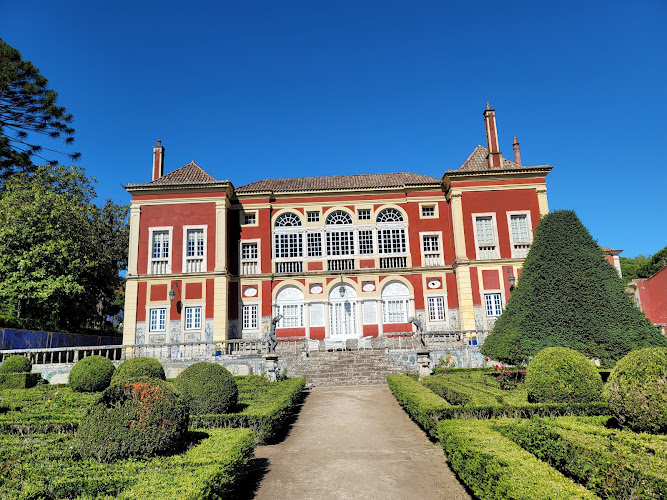
Palace Fronteira
About Palace Fronteira
Description
Palace Fronteira, also known as the Palace of the Marquesses of Fronteira, feels like stepping into a painting that’s been alive for centuries. Built in the 17th century, this Lisbon treasure still carries the quiet confidence of nobility — elegant but never showy. It’s one of those places where you can almost hear the whispers of the past if you stand still long enough in the tiled courtyard. The palace was commissioned by Dom João de Mascarenhas, the first Marquis of Fronteira, and it’s still home to his descendants today. That’s part of what makes it so special — it’s not just a museum; it’s a living piece of history.
Walking through the palace, you’ll notice the incredible azulejos (those traditional blue-and-white Portuguese tiles) that tell stories of battles, myths, and everyday life from centuries ago. They’re not just decoration — they’re storytelling in ceramic form. And honestly, they might be some of the best-preserved tiles in all of Lisbon. There’s something deeply personal about seeing history displayed so beautifully on walls that have survived wars, earthquakes, and time itself.
The rooms are filled with antique furniture, frescoes, and oil paintings that transport you back to the Baroque era. I remember the first time I visited — the sunlight hit the tiles just right, and for a second, I thought I was inside a dream. The palace has this quiet dignity that doesn’t need to shout to impress. It’s elegant in that old-world way that’s becoming rare these days.
That said, not every visitor falls in love instantly. Some find the guided tours a bit too structured, others wish they could wander freely. But that’s part of the charm — the palace is still lived in, so you’re stepping into someone’s home, not a sterile museum. It’s a privilege, really, to see a place that’s been so carefully preserved by generations of one family.
Key Features
- Historical Significance: Built in 1640 and expanded in 1675, the palace is one of Lisbon’s best surviving examples of early Baroque architecture.
- Azulejo Masterpieces: The tile panels depict scenes from Portuguese history, mythology, and daily life — they’re practically a visual encyclopedia of 17th-century art.
- Romantic Gardens: The gardens, dotted with statues, fountains, and lakes, are a peaceful escape from Lisbon’s bustle. The symmetry and design reflect Renaissance ideals with a touch of Portuguese flair.
- Private Residence: The palace remains inhabited by the descendants of the first Marquis, giving it an authentic and intimate atmosphere.
- Guided Tours: Access to the interior is only through guided tours, usually held in the morning, ensuring visitors understand the art and history behind each room.
- Art Collection: The palace holds a remarkable collection of paintings, sculptures, and furniture from the 17th and 18th centuries.
- Architectural Harmony: The combination of the main building, the chapel, and the garden pavilions creates one of the most harmonious Baroque complexes in Portugal.
Best Time to Visit
If you ask me, spring and early autumn are the sweet spots for visiting Palace Fronteira. The gardens are at their loveliest then — flowers blooming, fountains trickling, and the sun not yet too harsh. Summer can be hot, and since some parts of the palace aren’t air-conditioned, you might find yourself longing for a shady bench. Winter has its charm too, especially if you enjoy quieter visits and moody skies that make the tiles shine even brighter in contrast.
Morning tours are the only way to see the interior, and they fill up fast, so it’s smart to plan ahead. I once arrived late and ended up only seeing the gardens — still worth it, but missing the rooms felt like skipping the heart of the story. So, if you can, book early and arrive a bit before your scheduled time. The light in the morning is also perfect for photos.
How to Get There
Palace Fronteira sits in the Benfica district, northwest of central Lisbon. It’s not exactly in the thick of the tourist trail, which is part of why it feels so serene. You can reach it by metro (the blue line toward Amadora Este) and get off at the stop closest to the palace, followed by a short walk. There are also several buses that stop nearby if you prefer to see a bit more of the city along the way.
If you’re driving, parking can be a little tricky in the area, especially on weekends. Personally, I’d skip the hassle and take public transport or a taxi. The ride from downtown Lisbon is short and scenic — you’ll pass through some lovely neighborhoods that most tourists never see. And if you’re the type who enjoys walking, the route from the metro station is pleasant, with a few cafes where you can grab a quick espresso before your visit.
Tips for Visiting
Visiting Palace Fronteira isn’t just about seeing beautiful architecture — it’s about slowing down and soaking in the atmosphere. Here are a few tips that might make your visit smoother and more rewarding:
- Book in Advance: Tours are limited and often sell out, especially in peak season. Booking ahead ensures you don’t miss the interior rooms.
- Arrive Early: Give yourself time to wander around before your tour starts. The gardens are worth exploring at your own pace.
- Wear Comfortable Shoes: The paths in the garden are cobbled, and the palace floors can be uneven — charming, but not ideal for heels.
- Photography: Photos are usually allowed in the gardens but restricted inside. Double-check before snapping away.
- Accessibility: The palace’s entrance isn’t fully wheelchair accessible, and there are stairs throughout. It’s best to plan accordingly if mobility is a concern.
- Restrooms: There’s a gender-neutral restroom available for visitors, which is a thoughtful touch in such a historic setting.
- Combine with Nearby Attractions: If you have time, explore the Benfica area — it’s a quieter, more local side of Lisbon, full of small bakeries and traditional shops.
Something I’ve learned from visiting places like this: don’t rush. It’s easy to treat palaces like checklist items — in, out, snap a photo, move on. But Palace Fronteira rewards those who linger. Sit by the fountain, listen to the birds, imagine what life must have been like when nobles strolled these same paths in embroidered coats and powdered wigs. There’s a certain poetry in realizing that centuries later, the same sunlight still dances across those blue tiles.
And if you’re a fan of art, architecture, or just places that feel alive with history, this palace will stay with you long after you leave. It’s not the grandest palace in Europe, but it might be one of the most soulful. Every crack in the wall, every faded fresco, every tile tells a story — and somehow, together, they whisper a reminder that beauty can survive time, as long as someone cares enough to preserve it.
So take your time. Let yourself get lost in the details. Because at Palace Fronteira, the magic isn’t in what you see all at once — it’s in what you notice when you slow down and really look.
Key Features
- Key Features
- Best Time to Visit
- How to Get There
- Tips for Visiting
Tours & Activities
GetYourGuide provides this tour inventory. We may earn a commission if you book through it; verify current availability, prices, and terms with the provider.
Visitor Reviews
There are no reviews yet. Be the first one to write one.
Share Your Experience
Have you visited Palace Fronteira? Help other travelers by leaving a review.