

Royal Palace
About Royal Palace
Description
The Royal Palace complex in Hampi stands as one of those places that makes you pause and really think about the passage of time. Walking through these weathered stone structures, a visitor can't help but imagine the grandeur that once filled these now-silent courtyards where the mighty Vijayanagara Empire's rulers held court. This isn't your typical pristine tourist attraction with everything reconstructed and polished - it's raw, authentic, and honestly a bit humbling. The remains of this once-magnificent royal residence sprawl across a considerable area, and what's left today gives just a glimpse into the architectural brilliance that defined one of India's most powerful medieval kingdoms. The Vijayanagara Empire ruled from the 14th to 16th centuries, and during its peak, this was arguably one of the wealthiest cities in the world. But you wouldn't know it just from looking at the ruins now - which is exactly what makes it so fascinating. I remember my first visit here, expecting something grand and overwhelming. Instead, what struck me most was the quiet dignity of the place. The palace complex doesn't shout for attention like some monuments do. It whispers stories through its broken pillars and crumbling walls, and you have to lean in close to listen. The site includes various sections that served different purposes - from the king's private chambers to ceremonial halls and administrative buildings. The layout itself tells you something about how medieval Indian royalty organized their lives, separating public duties from private moments. And even though much of the original structure has succumbed to time and the devastating 1565 battle that ended the empire, there's still enough standing to spark your imagination. What really sets this place apart from other historical sites is its context within Hampi's broader archaeological landscape. You're not just visiting an isolated monument - you're stepping into an entire lost city that UNESCO recognized as a World Heritage Site. The Royal Palace sits among temples, bazaars, and other structures that together paint a picture of medieval Indian life that's hard to find anywhere else.Key Features
The Royal Palace complex offers several distinctive elements that make the visit worthwhile: • The Mahanavami Dibba, a massive ceremonial platform where kings once watched elaborate festivals and military parades, stands as one of the most impressive surviving structures with intricate carvings still visible on its base • Stepped Tank within the palace grounds showcases the advanced water management systems that kept the royal household supplied even during dry seasons • The basement level of the palace, known as the Hazara Rama Temple area, features remarkably preserved reliefs depicting scenes from the Ramayana epic • Remains of the Audience Hall where the king received dignitaries and conducted state business, with stone bases that once supported ornate wooden pillars • The Queen's Bath, located nearby, demonstrates the sophisticated approach to leisure and hygiene with its Indo-Islamic architectural fusion • Watchtowers positioned strategically around the perimeter that give you panoramic views of the surrounding boulder-strewn landscape • Stone foundation patterns that help archaeologists and visitors understand the original layout and scale of the multi-story palace that once stood here • Free parking facilities that make access convenient for families and groups traveling by vehicle • Well-maintained pathways suitable for children and older visitors, though some areas require careful footingBest Time to Visit
Timing your visit to the Royal Palace really matters, and I learned this the hard way during a scorching April afternoon when the heat radiating off those ancient stones felt intense enough to cook an egg. The ideal months run from October through February when temperatures stay comfortable enough for extended outdoor exploration. During these months, you're looking at daytime temperatures between 15 to 30 degrees Celsius - perfect for wandering through the expansive complex without feeling like you're melting. The winter months also bring clearer skies, which means better photographs and those stunning golden-hour shots that make your travel photos actually worth sharing. Early mornings deserve special mention. Getting to the palace grounds right when they open means fewer crowds and that magical soft light that photographers obsess over. Plus there's something special about experiencing these ancient spaces in relative solitude before the tour buses arrive. The stones seem to hold onto the night's coolness for a few hours, making your exploration far more pleasant. If you absolutely must visit during the hotter months from March to May, plan to arrive by 7 AM and finish your exploration before noon. The afternoon heat in Hampi can be brutal, and there's limited shade within the palace complex. Monsoon season from June to September brings its own challenges - slippery stone surfaces and occasional closures of certain sections for safety reasons. Festival periods present a different consideration altogether. During Hampi Utsav, typically held in November, the site buzzes with cultural programs and visitors. Some people love this energy, others find it overwhelming. Personally, I prefer the quieter months when you can actually hear your own thoughts echoing off those ancient walls. Weekdays generally see lighter crowds than weekends, particularly if you can visit during the school term when family tourism drops significantly.How to Get There
Reaching the Royal Palace complex requires a bit of planning since Hampi isn't exactly on every major transportation route, but that remoteness is part of its charm. The nearest major airport is in Belgaum, roughly 190 kilometers away, though most international travelers route through Bangalore's Kempegowda International Airport, which sits about 350 kilometers from Hampi. From Bangalore, you've got several options. Overnight buses run regularly and cost a fraction of private transport while letting you save on a night's accommodation - though comfort levels vary wildly depending on which operator you choose. Hospet serves as the nearest railway station, just 13 kilometers from Hampi. Trains connect Hospet to major cities including Bangalore, Goa, and Hyderabad. From Hospet, local buses, auto-rickshaws, and taxis can get you to Hampi proper. The bus costs next to nothing but runs on its own schedule, while an auto-rickshaw gives you flexibility for around 250-300 rupees. Once you're in Hampi, getting to the Royal Palace specifically is straightforward. Most accommodation sits in either Hampi Bazaar or across the river in Virupapur Gaddi. From Hampi Bazaar, you can walk to the palace complex in about 20-25 minutes if you're comfortable with the heat and uneven paths. Renting a bicycle - my preferred method - costs around 50-100 rupees per day and gives you the freedom to explore at your own pace while covering ground faster than walking. Auto-rickshaws and taxis offer point-to-point service if you're traveling with young children or prefer not to exert yourself in the heat. Many visitors also rent scooters or motorcycles, which work well if you're comfortable with Indian traffic patterns and have an international driving permit. The palace complex itself has dedicated parking areas that are genuinely free, which feels refreshing given how many tourist sites nickel-and-dime you for every service.Tips for Visiting
After spending considerable time at this site over multiple visits, here's what actually matters when planning your trip. Wear proper footwear - and I mean this seriously. Those ancient stone surfaces get slippery when dusty, and there are uneven areas throughout the complex. Sturdy walking shoes with good grip beat sandals every time. I've seen too many people struggling in flip-flops or worse, fancy leather shoes that have zero traction. Bring more water than you think you'll need. There aren't water fountains scattered around the ruins, and the few vendors near the entrance charge premium prices. A couple of liters per person isn't excessive, especially if you're visiting outside the coolest months. Sun protection deserves its own category. Wide-brimmed hats, sunscreen, and sunglasses aren't optional accessories - they're survival gear. The sun reflects off those pale stones intensely, and shade is scarce within the palace grounds themselves. A local guide can transform your experience from "looking at old rocks" to actually understanding what you're seeing. The Archaeological Survey of India provides guides at the entrance, or you can arrange one through your accommodation. The history here runs deep and complex, and without context, you might miss the significance of what you're looking at. But choose carefully - some guides rush through in 30 minutes while others will spend two hours if you let them. Photography enthusiasts should bring wide-angle lenses to capture the scale of the structures and the landscape. Golden hour - the hour after sunrise or before sunset - really does make a difference here. The way light plays across those weathered stones changes the entire mood of the place. Respect the site's historical significance by staying on designated paths and not climbing on structures that are clearly deteriorating. This should be obvious, but apparently it needs saying since you'll inevitably see someone trying to scale a fragile wall for a photo. The complex is genuinely suitable for children, though you'll need to watch younger kids carefully around unprotected edges and steps. Turn it into an adventure or treasure hunt rather than a boring history lesson, and most kids engage pretty well with the ruins. Plan for at least two to three hours if you want to properly explore the palace complex and surrounding structures. Rushing through in 45 minutes means you'll miss details and nuances that make the visit worthwhile. Combine your palace visit with other nearby Hampi sites like the Vittala Temple or Lotus Mahal to make the most of your time in this archaeological zone. They're all part of the same historical narrative and complement each other well. Finally, and this might sound odd, but take time to just sit quietly somewhere in the complex. Not photographing, not checking off items on your itinerary - just sitting and absorbing the atmosphere. These stones have witnessed centuries of human drama, triumph, and tragedy. Sometimes the best way to connect with history isn't through facts and dates but through stillness and imagination.Key Features
- Stone-carved pillared halls and royal chambers
- Intricate bas-reliefs and inscriptions
- Quiet, atmospheric courtyards and terraces
- Panoramic views of surrounding ruins and landscape
- Proximity to other significant heritage structures within the complex
More Details
Updated January 17, 2026
Table of Contents
Description
The Royal Palace complex in Hampi stands as one of those places that makes you pause and really think about the passage of time. Walking through these weathered stone structures, a visitor can’t help but imagine the grandeur that once filled these now-silent courtyards where the mighty Vijayanagara Empire’s rulers held court. This isn’t your typical pristine tourist attraction with everything reconstructed and polished – it’s raw, authentic, and honestly a bit humbling.
The remains of this once-magnificent royal residence sprawl across a considerable area, and what’s left today gives just a glimpse into the architectural brilliance that defined one of India’s most powerful medieval kingdoms. The Vijayanagara Empire ruled from the 14th to 16th centuries, and during its peak, this was arguably one of the wealthiest cities in the world. But you wouldn’t know it just from looking at the ruins now – which is exactly what makes it so fascinating.
I remember my first visit here, expecting something grand and overwhelming. Instead, what struck me most was the quiet dignity of the place. The palace complex doesn’t shout for attention like some monuments do. It whispers stories through its broken pillars and crumbling walls, and you have to lean in close to listen.
The site includes various sections that served different purposes – from the king’s private chambers to ceremonial halls and administrative buildings. The layout itself tells you something about how medieval Indian royalty organized their lives, separating public duties from private moments. And even though much of the original structure has succumbed to time and the devastating 1565 battle that ended the empire, there’s still enough standing to spark your imagination.
What really sets this place apart from other historical sites is its context within Hampi’s broader archaeological landscape. You’re not just visiting an isolated monument – you’re stepping into an entire lost city that UNESCO recognized as a World Heritage Site. The Royal Palace sits among temples, bazaars, and other structures that together paint a picture of medieval Indian life that’s hard to find anywhere else.
Key Features
The Royal Palace complex offers several distinctive elements that make the visit worthwhile:
• The Mahanavami Dibba, a massive ceremonial platform where kings once watched elaborate festivals and military parades, stands as one of the most impressive surviving structures with intricate carvings still visible on its base
• Stepped Tank within the palace grounds showcases the advanced water management systems that kept the royal household supplied even during dry seasons
• The basement level of the palace, known as the Hazara Rama Temple area, features remarkably preserved reliefs depicting scenes from the Ramayana epic
• Remains of the Audience Hall where the king received dignitaries and conducted state business, with stone bases that once supported ornate wooden pillars
• The Queen’s Bath, located nearby, demonstrates the sophisticated approach to leisure and hygiene with its Indo-Islamic architectural fusion
• Watchtowers positioned strategically around the perimeter that give you panoramic views of the surrounding boulder-strewn landscape
• Stone foundation patterns that help archaeologists and visitors understand the original layout and scale of the multi-story palace that once stood here
• Free parking facilities that make access convenient for families and groups traveling by vehicle
• Well-maintained pathways suitable for children and older visitors, though some areas require careful footing
Best Time to Visit
Timing your visit to the Royal Palace really matters, and I learned this the hard way during a scorching April afternoon when the heat radiating off those ancient stones felt intense enough to cook an egg.
The ideal months run from October through February when temperatures stay comfortable enough for extended outdoor exploration. During these months, you’re looking at daytime temperatures between 15 to 30 degrees Celsius – perfect for wandering through the expansive complex without feeling like you’re melting. The winter months also bring clearer skies, which means better photographs and those stunning golden-hour shots that make your travel photos actually worth sharing.
Early mornings deserve special mention. Getting to the palace grounds right when they open means fewer crowds and that magical soft light that photographers obsess over. Plus there’s something special about experiencing these ancient spaces in relative solitude before the tour buses arrive. The stones seem to hold onto the night’s coolness for a few hours, making your exploration far more pleasant.
If you absolutely must visit during the hotter months from March to May, plan to arrive by 7 AM and finish your exploration before noon. The afternoon heat in Hampi can be brutal, and there’s limited shade within the palace complex. Monsoon season from June to September brings its own challenges – slippery stone surfaces and occasional closures of certain sections for safety reasons.
Festival periods present a different consideration altogether. During Hampi Utsav, typically held in November, the site buzzes with cultural programs and visitors. Some people love this energy, others find it overwhelming. Personally, I prefer the quieter months when you can actually hear your own thoughts echoing off those ancient walls.
Weekdays generally see lighter crowds than weekends, particularly if you can visit during the school term when family tourism drops significantly.
How to Get There
Reaching the Royal Palace complex requires a bit of planning since Hampi isn’t exactly on every major transportation route, but that remoteness is part of its charm.
The nearest major airport is in Belgaum, roughly 190 kilometers away, though most international travelers route through Bangalore’s Kempegowda International Airport, which sits about 350 kilometers from Hampi. From Bangalore, you’ve got several options. Overnight buses run regularly and cost a fraction of private transport while letting you save on a night’s accommodation – though comfort levels vary wildly depending on which operator you choose.
Hospet serves as the nearest railway station, just 13 kilometers from Hampi. Trains connect Hospet to major cities including Bangalore, Goa, and Hyderabad. From Hospet, local buses, auto-rickshaws, and taxis can get you to Hampi proper. The bus costs next to nothing but runs on its own schedule, while an auto-rickshaw gives you flexibility for around 250-300 rupees.
Once you’re in Hampi, getting to the Royal Palace specifically is straightforward. Most accommodation sits in either Hampi Bazaar or across the river in Virupapur Gaddi. From Hampi Bazaar, you can walk to the palace complex in about 20-25 minutes if you’re comfortable with the heat and uneven paths. Renting a bicycle – my preferred method – costs around 50-100 rupees per day and gives you the freedom to explore at your own pace while covering ground faster than walking.
Auto-rickshaws and taxis offer point-to-point service if you’re traveling with young children or prefer not to exert yourself in the heat. Many visitors also rent scooters or motorcycles, which work well if you’re comfortable with Indian traffic patterns and have an international driving permit.
The palace complex itself has dedicated parking areas that are genuinely free, which feels refreshing given how many tourist sites nickel-and-dime you for every service.
Tips for Visiting
After spending considerable time at this site over multiple visits, here’s what actually matters when planning your trip.
Wear proper footwear – and I mean this seriously. Those ancient stone surfaces get slippery when dusty, and there are uneven areas throughout the complex. Sturdy walking shoes with good grip beat sandals every time. I’ve seen too many people struggling in flip-flops or worse, fancy leather shoes that have zero traction.
Bring more water than you think you’ll need. There aren’t water fountains scattered around the ruins, and the few vendors near the entrance charge premium prices. A couple of liters per person isn’t excessive, especially if you’re visiting outside the coolest months.
Sun protection deserves its own category. Wide-brimmed hats, sunscreen, and sunglasses aren’t optional accessories – they’re survival gear. The sun reflects off those pale stones intensely, and shade is scarce within the palace grounds themselves.
A local guide can transform your experience from “looking at old rocks” to actually understanding what you’re seeing. The Archaeological Survey of India provides guides at the entrance, or you can arrange one through your accommodation. The history here runs deep and complex, and without context, you might miss the significance of what you’re looking at. But choose carefully – some guides rush through in 30 minutes while others will spend two hours if you let them.
Photography enthusiasts should bring wide-angle lenses to capture the scale of the structures and the landscape. Golden hour – the hour after sunrise or before sunset – really does make a difference here. The way light plays across those weathered stones changes the entire mood of the place.
Respect the site’s historical significance by staying on designated paths and not climbing on structures that are clearly deteriorating. This should be obvious, but apparently it needs saying since you’ll inevitably see someone trying to scale a fragile wall for a photo.
The complex is genuinely suitable for children, though you’ll need to watch younger kids carefully around unprotected edges and steps. Turn it into an adventure or treasure hunt rather than a boring history lesson, and most kids engage pretty well with the ruins.
Plan for at least two to three hours if you want to properly explore the palace complex and surrounding structures. Rushing through in 45 minutes means you’ll miss details and nuances that make the visit worthwhile.
Combine your palace visit with other nearby Hampi sites like the Vittala Temple or Lotus Mahal to make the most of your time in this archaeological zone. They’re all part of the same historical narrative and complement each other well.
Finally, and this might sound odd, but take time to just sit quietly somewhere in the complex. Not photographing, not checking off items on your itinerary – just sitting and absorbing the atmosphere. These stones have witnessed centuries of human drama, triumph, and tragedy. Sometimes the best way to connect with history isn’t through facts and dates but through stillness and imagination.
Key Highlights
- Stone-carved pillared halls and royal chambers
- Intricate bas-reliefs and inscriptions
- Quiet, atmospheric courtyards and terraces
- Panoramic views of surrounding ruins and landscape
- Proximity to other significant heritage structures within the complex
Location
Places to Stay Near Royal Palace
Find and Book a Tour
Explore More Travel Guides
No reviews found! Be the first to review!
Traveler Reviews for Royal Palace
There are no reviews yet. Be the first one to write one.
Have you visited Royal Palace? Help other travelers by sharing your review.
Nearby Attractions
You Might Also Like
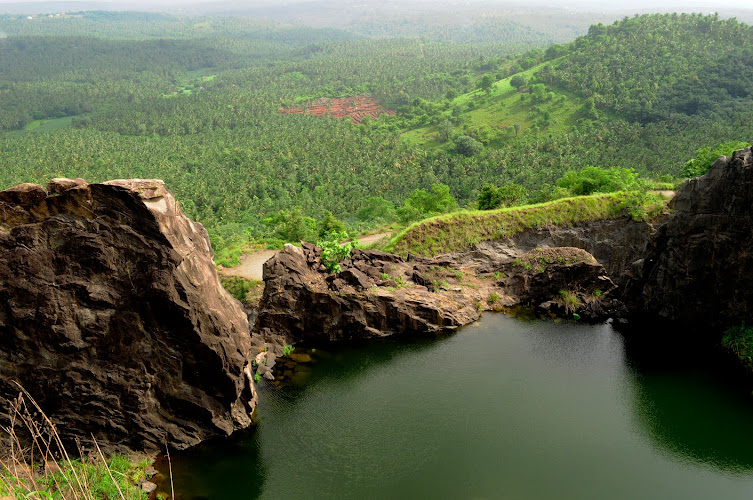
Cheruppadi Mala(205m)
West Bengal 713365
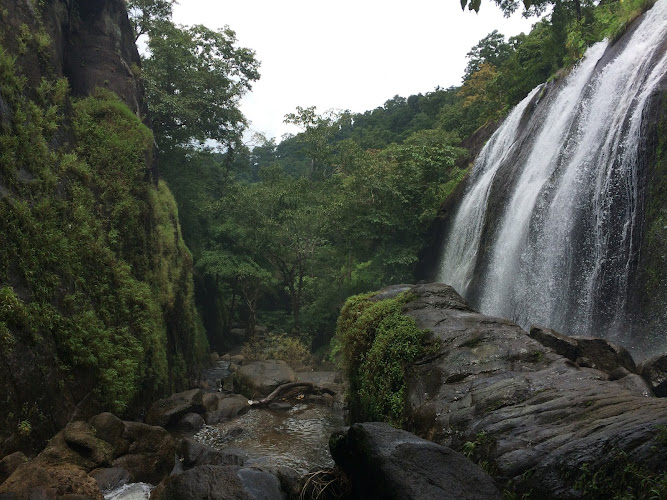
Marottichal Watefalls
Find Accommodations Nearby
Recommended Tours & Activities
Visitor Reviews
There are no reviews yet. Be the first one to write one.
Share Your Experience
Have you visited Royal Palace? Help other travelers by leaving a review.