
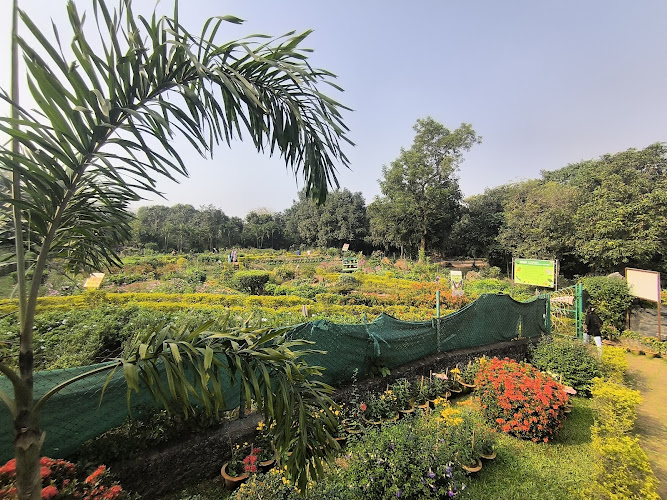
State Botanical Garden
About State Botanical Garden
Description
The State Botanical Garden offers travelers an escape into nature without having to venture too far from civilization. Sprawling across acres of carefully curated landscapes, this botanical paradise showcases plant collections from around the world alongside native species that have called this region home for centuries. And honestly, there's something refreshing about a place that lets you wander through different ecosystems in a single afternoon. What strikes most visitors first is the sheer diversity of plant life here. You'll find yourself walking through themed gardens where Mediterranean herbs grow just a short stroll away from tropical specimens thriving in carefully controlled environments. The garden serves as both a conservation facility and a living classroom, though that educational aspect never feels forced or stuffy. It's more like discovering a well-kept secret that happens to be open to the public. The adjacent zoo adds another dimension to the experience, making this destination particularly appealing for families who want variety in their day trip. But even without the zoo, the botanical garden stands on its own merits as a worthy destination. I've always believed that gardens like these serve an important purpose in our increasingly urbanized world - they remind us that patience and care can create beauty that no amount of technology can replicate. The grounds accommodate different types of visitors remarkably well. Whether you're a serious plant enthusiast with a camera and field guide or just someone looking for a peaceful place to spend a Sunday afternoon, the garden adjusts to your pace. The picnic areas scattered throughout provide perfect spots to pause and actually absorb your surroundings rather than rushing from one point to another.Key Features
The State Botanical Garden distinguishes itself through several notable characteristics that enhance the visitor experience:- Extensive collection of exotic flora from various climate zones and geographical regions, displayed in both outdoor gardens and specialized growing areas
- Multiple themed garden sections that transition seamlessly, allowing guests to experience different horticultural styles and plant communities within a single visit
- Well-maintained hiking trails that wind through natural areas, offering opportunities to observe native plant species in their preferred habitats
- Dedicated picnic grounds equipped with tables and sheltered areas, making it easy to plan an extended outdoor meal surrounded by greenery
- Complete wheelchair accessibility including entrance points, parking facilities, restrooms, and paved pathways throughout major garden sections
- Cycling lanes that provide alternative transportation options for exploring the more extensive sections of the property
- Kid-friendly amenities including a playground, swings, and specifically designed hiking paths suitable for younger explorers
- Adjacent zoo facilities that complement the botanical experience and significantly extend potential visit duration
- Public restroom facilities strategically located to ensure comfort during longer visits
- Conservation programs and educational initiatives that operate behind the scenes, though their results are visible throughout the gardens
Best Time to Visit
Timing your visit to the State Botanical Garden can dramatically affect your experience, and I've learned this lesson the hard way more than once. Spring stands out as the most spectacular season, roughly from March through May, when flowering trees burst into bloom and perennial gardens wake up from winter dormancy. The temperature during these months typically remains comfortable for extended outdoor exploration, and you'll witness the garden at its most photogenic. But here's where it gets interesting - spring also brings the largest crowds, especially on weekends. If you're someone who prefers a more contemplative garden experience without constantly navigating around tour groups, consider visiting on weekday mornings during this peak season. The light is gorgeous in the early hours anyway, and you'll have a better chance of spotting wildlife that retreats when foot traffic increases. Summer presents its own set of considerations. Yes, it gets warm - sometimes uncomfortably so by mid-afternoon. However, the tropical and heat-loving plant collections really show off during these months, and the shaded woodland paths offer genuine relief from the sun. Pack water, wear appropriate sun protection, and plan to visit either early morning before 10 AM or late afternoon after 4 PM. The gardens often stay open into early evening during summer months, and sunset visits have their own particular magic. Fall shouldn't be overlooked, particularly September through November. While some people associate botanical gardens primarily with spring blooms, autumn brings unexpected color changes in deciduous plantings and a second flowering period for many perennials. The weather moderates, making it ideal for the hiking trails that traverse more rugged sections of the property. And honestly, there's something special about experiencing a garden as it prepares for dormancy rather than emerging from it. Winter visits appeal to a specific type of traveler - those who appreciate subtle beauty and don't mind fewer flowers. The garden takes on a different character when structural elements like tree architecture and evergreen plantings become the stars. It's quieter, certainly, and you might have entire sections to yourself. For contemplative walks or serious photography of plant forms without the distraction of bright colors, winter has surprising merit. Weather patterns matter more than specific dates. Check forecasts before your visit because a garden experience in light rain differs considerably from one during a downpour. Light drizzle actually enhances colors and keeps crowds minimal, but thunderstorms will send you running for cover pretty quickly.How to Get There
Reaching the State Botanical Garden requires some planning, but the journey rarely presents serious challenges for travelers. The facility's location makes it accessible by various transportation methods, though some work better than others depending on where you're starting from. For those driving, the garden benefits from good road access and offers ample parking facilities. The parking lot features designated accessible spaces close to the main entrance, which matters more than you might think when you're dealing with mobility equipment or traveling with young children. GPS navigation systems reliably locate the garden, though I'd recommend downloading offline maps just in case cellular coverage gets spotty in surrounding areas. Public transportation options exist but require more coordination. Depending on the local transit system's routes and schedules, you might need to combine bus services or arrange for a short taxi ride from the nearest stop. This approach works fine if you're comfortable with potentially less frequent return schedules - the last thing you want is to rush through a garden because you're worried about missing the last bus back. Ride-sharing services provide flexibility that public transit sometimes lacks. You can take your time exploring without watching the clock, then summon a return ride when you're actually ready to leave. The cost typically runs higher than bus fare but lower than all-day parking in some urban areas, making it a reasonable middle option. Cycling to the garden appeals to environmentally conscious travelers and fitness enthusiasts. The property includes dedicated cycling lanes once you arrive, and many visitors enjoy the bike ride as part of their overall garden experience. Just verify that safe cycling routes exist between your accommodation and the garden - not all roads in the surrounding area necessarily include bike lanes or wide shoulders. Distance from major highways and nearby cities affects planning more than people initially realize. Research drive times during the hours you'll actually be traveling, because rush hour congestion can add significant minutes to trips that look short on paper. Many travelers underestimate how long it takes to reach slightly remote attractions and end up feeling rushed once they arrive.Tips for Visiting
Making the most of your State Botanical Garden experience involves more than just showing up. Based on both common sense and some lessons learned through minor mishaps, here's what actually helps. Wear appropriate footwear - and I mean truly appropriate, not just comfortable. The hiking trails traverse varied terrain that looks deceptively easy on maps but includes uneven surfaces, occasional roots, and spots that stay muddy long after rain stops. Those cute sandals might work for paved garden paths, but they'll make you miserable on trails. Bring legitimate walking shoes or light hiking boots. Pack more water than seems necessary, especially during warm months. Yes, restrooms with water fountains exist, but they're not positioned at convenient intervals along every trail. Dehydration sneaks up on you when you're distracted by beautiful surroundings, and garden shops typically charge premium prices for bottled water. Sunscreen and insect repellent belong in every garden visitor's bag regardless of season. The plant collections attract pollinators and other insects that generally mind their own business but occasionally become annoying. And sun exposure adds up quickly when you're wandering between garden sections, even on partly cloudy days. Bring snacks or plan a proper picnic if you intend to stay more than a couple hours. The picnic areas really enhance the experience, transforming a simple garden visit into a more substantial outing. Local regulations typically allow outside food, making this an economical option compared to relying entirely on any on-site dining facilities. Camera equipment deserves consideration, but don't get so caught up in photography that you forget to simply observe. I've watched countless visitors experience entire gardens through camera screens rather than their own eyes. Take some photos, sure, but also put the phone away periodically and just be present. Time your visit to allow adequate exploration without rushing. Most people significantly underestimate how long they'll want to stay once they arrive. Three to four hours provides a reasonable timeframe for seeing major sections without racing through, though serious plant enthusiasts could easily spend an entire day. Check the garden's event calendar before visiting. Special programs, guided walks, or temporary exhibitions might enhance your experience - or create crowds that affect your preferred quiet contemplation. Knowing what's happening helps you plan accordingly. Respect the plants and stay on designated paths. This sounds obvious, but temptation to cut across planted areas or touch delicate specimens causes real damage over time. The garden exists for everyone's enjoyment, and that requires visitors to follow basic conservation guidelines. The playground and family amenities work best during off-peak hours when children can actually enjoy equipment without competing for space. If traveling with kids, strategic timing around typical family schedules makes everyone happier. Finally, dress in layers regardless of what the forecast promises. Garden microclimates vary surprisingly - shaded woodland sections feel noticeably cooler than open sunny areas, and temperatures shift as you move through different elevations and exposures. Being able to adjust your clothing prevents discomfort that cuts visits short.Key Features
- Multiple themed gardens (Mughal, Japanese, Rose garden and others)
- Located within Nandankanan Wildlife Sanctuary between Kanjia and Kiakani lakes
- Collections of native Odishan flora alongside exotic species
- Educational interpretation centre and plant conservation programs
- Pleasant picnic and recreation facilities with trails and viewpoints
More Details
Updated March 30, 2026
Table of Contents
Description
The State Botanical Garden offers travelers an escape into nature without having to venture too far from civilization. Sprawling across acres of carefully curated landscapes, this botanical paradise showcases plant collections from around the world alongside native species that have called this region home for centuries. And honestly, there’s something refreshing about a place that lets you wander through different ecosystems in a single afternoon.
What strikes most visitors first is the sheer diversity of plant life here. You’ll find yourself walking through themed gardens where Mediterranean herbs grow just a short stroll away from tropical specimens thriving in carefully controlled environments. The garden serves as both a conservation facility and a living classroom, though that educational aspect never feels forced or stuffy. It’s more like discovering a well-kept secret that happens to be open to the public.
The adjacent zoo adds another dimension to the experience, making this destination particularly appealing for families who want variety in their day trip. But even without the zoo, the botanical garden stands on its own merits as a worthy destination. I’ve always believed that gardens like these serve an important purpose in our increasingly urbanized world – they remind us that patience and care can create beauty that no amount of technology can replicate.
The grounds accommodate different types of visitors remarkably well. Whether you’re a serious plant enthusiast with a camera and field guide or just someone looking for a peaceful place to spend a Sunday afternoon, the garden adjusts to your pace. The picnic areas scattered throughout provide perfect spots to pause and actually absorb your surroundings rather than rushing from one point to another.
Key Features
The State Botanical Garden distinguishes itself through several notable characteristics that enhance the visitor experience:
- Extensive collection of exotic flora from various climate zones and geographical regions, displayed in both outdoor gardens and specialized growing areas
- Multiple themed garden sections that transition seamlessly, allowing guests to experience different horticultural styles and plant communities within a single visit
- Well-maintained hiking trails that wind through natural areas, offering opportunities to observe native plant species in their preferred habitats
- Dedicated picnic grounds equipped with tables and sheltered areas, making it easy to plan an extended outdoor meal surrounded by greenery
- Complete wheelchair accessibility including entrance points, parking facilities, restrooms, and paved pathways throughout major garden sections
- Cycling lanes that provide alternative transportation options for exploring the more extensive sections of the property
- Kid-friendly amenities including a playground, swings, and specifically designed hiking paths suitable for younger explorers
- Adjacent zoo facilities that complement the botanical experience and significantly extend potential visit duration
- Public restroom facilities strategically located to ensure comfort during longer visits
- Conservation programs and educational initiatives that operate behind the scenes, though their results are visible throughout the gardens
Best Time to Visit
Timing your visit to the State Botanical Garden can dramatically affect your experience, and I’ve learned this lesson the hard way more than once. Spring stands out as the most spectacular season, roughly from March through May, when flowering trees burst into bloom and perennial gardens wake up from winter dormancy. The temperature during these months typically remains comfortable for extended outdoor exploration, and you’ll witness the garden at its most photogenic.
But here’s where it gets interesting – spring also brings the largest crowds, especially on weekends. If you’re someone who prefers a more contemplative garden experience without constantly navigating around tour groups, consider visiting on weekday mornings during this peak season. The light is gorgeous in the early hours anyway, and you’ll have a better chance of spotting wildlife that retreats when foot traffic increases.
Summer presents its own set of considerations. Yes, it gets warm – sometimes uncomfortably so by mid-afternoon. However, the tropical and heat-loving plant collections really show off during these months, and the shaded woodland paths offer genuine relief from the sun. Pack water, wear appropriate sun protection, and plan to visit either early morning before 10 AM or late afternoon after 4 PM. The gardens often stay open into early evening during summer months, and sunset visits have their own particular magic.
Fall shouldn’t be overlooked, particularly September through November. While some people associate botanical gardens primarily with spring blooms, autumn brings unexpected color changes in deciduous plantings and a second flowering period for many perennials. The weather moderates, making it ideal for the hiking trails that traverse more rugged sections of the property. And honestly, there’s something special about experiencing a garden as it prepares for dormancy rather than emerging from it.
Winter visits appeal to a specific type of traveler – those who appreciate subtle beauty and don’t mind fewer flowers. The garden takes on a different character when structural elements like tree architecture and evergreen plantings become the stars. It’s quieter, certainly, and you might have entire sections to yourself. For contemplative walks or serious photography of plant forms without the distraction of bright colors, winter has surprising merit.
Weather patterns matter more than specific dates. Check forecasts before your visit because a garden experience in light rain differs considerably from one during a downpour. Light drizzle actually enhances colors and keeps crowds minimal, but thunderstorms will send you running for cover pretty quickly.
How to Get There
Reaching the State Botanical Garden requires some planning, but the journey rarely presents serious challenges for travelers. The facility’s location makes it accessible by various transportation methods, though some work better than others depending on where you’re starting from.
For those driving, the garden benefits from good road access and offers ample parking facilities. The parking lot features designated accessible spaces close to the main entrance, which matters more than you might think when you’re dealing with mobility equipment or traveling with young children. GPS navigation systems reliably locate the garden, though I’d recommend downloading offline maps just in case cellular coverage gets spotty in surrounding areas.
Public transportation options exist but require more coordination. Depending on the local transit system’s routes and schedules, you might need to combine bus services or arrange for a short taxi ride from the nearest stop. This approach works fine if you’re comfortable with potentially less frequent return schedules – the last thing you want is to rush through a garden because you’re worried about missing the last bus back.
Ride-sharing services provide flexibility that public transit sometimes lacks. You can take your time exploring without watching the clock, then summon a return ride when you’re actually ready to leave. The cost typically runs higher than bus fare but lower than all-day parking in some urban areas, making it a reasonable middle option.
Cycling to the garden appeals to environmentally conscious travelers and fitness enthusiasts. The property includes dedicated cycling lanes once you arrive, and many visitors enjoy the bike ride as part of their overall garden experience. Just verify that safe cycling routes exist between your accommodation and the garden – not all roads in the surrounding area necessarily include bike lanes or wide shoulders.
Distance from major highways and nearby cities affects planning more than people initially realize. Research drive times during the hours you’ll actually be traveling, because rush hour congestion can add significant minutes to trips that look short on paper. Many travelers underestimate how long it takes to reach slightly remote attractions and end up feeling rushed once they arrive.
Tips for Visiting
Making the most of your State Botanical Garden experience involves more than just showing up. Based on both common sense and some lessons learned through minor mishaps, here’s what actually helps.
Wear appropriate footwear – and I mean truly appropriate, not just comfortable. The hiking trails traverse varied terrain that looks deceptively easy on maps but includes uneven surfaces, occasional roots, and spots that stay muddy long after rain stops. Those cute sandals might work for paved garden paths, but they’ll make you miserable on trails. Bring legitimate walking shoes or light hiking boots.
Pack more water than seems necessary, especially during warm months. Yes, restrooms with water fountains exist, but they’re not positioned at convenient intervals along every trail. Dehydration sneaks up on you when you’re distracted by beautiful surroundings, and garden shops typically charge premium prices for bottled water.
Sunscreen and insect repellent belong in every garden visitor’s bag regardless of season. The plant collections attract pollinators and other insects that generally mind their own business but occasionally become annoying. And sun exposure adds up quickly when you’re wandering between garden sections, even on partly cloudy days.
Bring snacks or plan a proper picnic if you intend to stay more than a couple hours. The picnic areas really enhance the experience, transforming a simple garden visit into a more substantial outing. Local regulations typically allow outside food, making this an economical option compared to relying entirely on any on-site dining facilities.
Camera equipment deserves consideration, but don’t get so caught up in photography that you forget to simply observe. I’ve watched countless visitors experience entire gardens through camera screens rather than their own eyes. Take some photos, sure, but also put the phone away periodically and just be present.
Time your visit to allow adequate exploration without rushing. Most people significantly underestimate how long they’ll want to stay once they arrive. Three to four hours provides a reasonable timeframe for seeing major sections without racing through, though serious plant enthusiasts could easily spend an entire day.
Check the garden’s event calendar before visiting. Special programs, guided walks, or temporary exhibitions might enhance your experience – or create crowds that affect your preferred quiet contemplation. Knowing what’s happening helps you plan accordingly.
Respect the plants and stay on designated paths. This sounds obvious, but temptation to cut across planted areas or touch delicate specimens causes real damage over time. The garden exists for everyone’s enjoyment, and that requires visitors to follow basic conservation guidelines.
The playground and family amenities work best during off-peak hours when children can actually enjoy equipment without competing for space. If traveling with kids, strategic timing around typical family schedules makes everyone happier.
Finally, dress in layers regardless of what the forecast promises. Garden microclimates vary surprisingly – shaded woodland sections feel noticeably cooler than open sunny areas, and temperatures shift as you move through different elevations and exposures. Being able to adjust your clothing prevents discomfort that cuts visits short.
Key Highlights
- Multiple themed gardens (Mughal, Japanese, Rose garden and others)
- Located within Nandankanan Wildlife Sanctuary between Kanjia and Kiakani lakes
- Collections of native Odishan flora alongside exotic species
- Educational interpretation centre and plant conservation programs
- Pleasant picnic and recreation facilities with trails and viewpoints
Location
Places to Stay Near State Botanical Garden
Find and Book a Tour
Explore More Travel Guides
No reviews found! Be the first to review!
State Botanical Garden is a prominent attractions located in IN.
Visit us at: Botanical Garden Rd, Jujhagada, Cuttack, 754005, India.
Traveler Reviews for State Botanical Garden
There are no reviews yet. Be the first one to write one.
Have you visited State Botanical Garden? Help other travelers by sharing your review.
Nearby Attractions
You Might Also Like
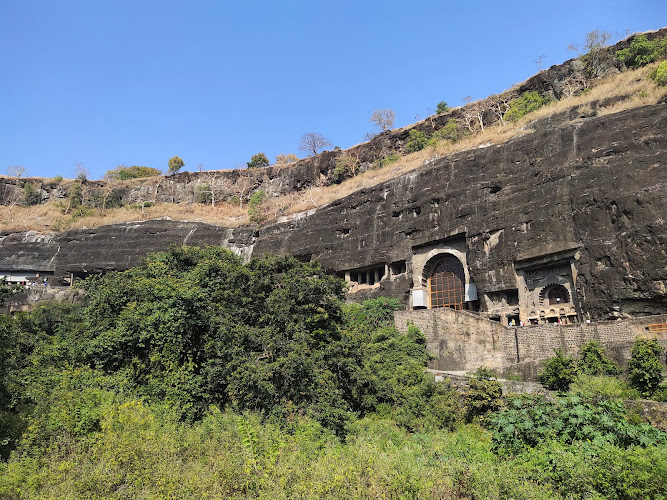
Caves
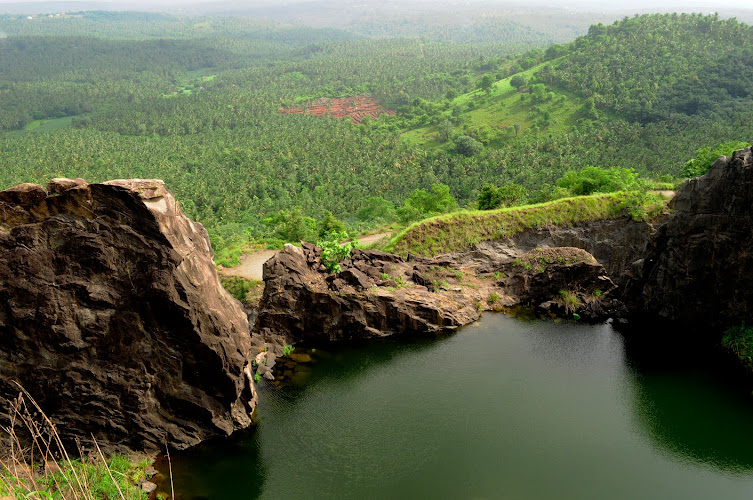
Cheruppadi Mala(205m)

Kurnool Kadapa Canal
Find Accommodations Nearby
Recommended Tours & Activities
Visitor Reviews
There are no reviews yet. Be the first one to write one.
Share Your Experience
Have you visited State Botanical Garden? Help other travelers by leaving a review.