
Caves
About Caves
Description
Caves have fascinated travelers for centuries, and honestly, there's something almost primal about wanting to explore these underground wonders. When I first stepped into a cave system during a college trip years ago, I remember feeling like I'd entered another world entirely - one that existed long before humans walked the earth and will probably be there long after we're gone. These natural formations offer visitors a chance to experience geology in its rawest form. The silence underground is different from any quiet you'll experience above ground, and the cool air that greets you at the entrance feels like nature's own air conditioning system. Most cave systems have taken millions of years to form, carved out by water, volcanic activity, or various chemical processes that shaped the rock into the incredible formations you see today. What makes caves particularly special for travelers is that they're essentially time capsules. The stalactites hanging from ceilings and stalagmites rising from floors grow at incredibly slow rates - sometimes just a centimeter every hundred years. Walking through these spaces means you're witnessing geological processes that have been ongoing since before recorded history began. The temperature inside most caves stays relatively constant throughout the year, usually hovering somewhere between 50-60 degrees Fahrenheit depending on the location and depth. This creates unique ecosystems where specialized creatures have adapted to live in complete or near-complete darkness. And let me tell you, seeing blind cave fish or translucent cave shrimp for the first time really puts evolution into perspective in a way textbooks never quite managed.Key Features
Caves offer travelers an array of distinctive features that make each visit memorable and educational: • Ancient rock formations including stalactites, stalagmites, columns, flowstones, and draperies that have developed over millennia through mineral deposits • Unique underground ecosystems featuring specialized wildlife like bats, salamanders, insects, and microorganisms that have adapted to low-light or zero-light conditions • Natural acoustic properties that create unusual sound experiences, with some chambers producing echoes or dampening sound completely • Constant cool temperatures year-round, providing natural climate control regardless of surface weather conditions • Underground rivers, streams, or pools in many cave systems, sometimes featuring crystal-clear water that's been filtered through limestone • Historical and archaeological significance, as many caves served as shelter for early humans and contain ancient artifacts, cave paintings, or fossils • Mineral formations displaying various colors created by different elements - iron creates oranges and reds, copper produces blues and greens, while manganese adds blacks and purples • Chamber rooms of varying sizes, from tight crawlspaces to massive caverns that could fit entire buildings inside them • Educational opportunities to learn about geology, biology, hydrology, and paleontology all in one location • Adventure activities ranging from gentle walking tours to challenging spelunking expeditions for different skill levelsBest Time to Visit
Here's the thing about caves - they're pretty much a year-round destination, which is honestly one of their best features. But that doesn't mean all times are created equal for your visit. Summer months tend to be the most crowded, especially if you're visiting popular cave systems near tourist areas. Families with kids out of school flock to these underground attractions, and you might find yourself waiting in line or dealing with larger tour groups. However, summer also means the contrast between the hot surface temperature and the cool cave interior feels absolutely amazing. There's something magical about escaping 90-degree heat and stepping into a 55-degree cave. Spring and fall offer the sweet spot for many travelers. The crowds thin out considerably, and you'll have a more intimate experience with the formations. I visited a cave system in October once, and our tour group had maybe eight people total - the guide could actually answer everyone's questions without rushing, and we could take our time photographing formations without someone's flash going off every two seconds. Winter visits have their own charm. Some caves located in colder climates develop ice formations near their entrances, creating temporary sculptures that only exist for a few months each year. Plus, the cave actually feels warmer than the outside air during winter months, which creates an interesting reversal of the summer experience. Weather considerations matter less for caves than almost any other outdoor attraction, but heavy rainfall can affect some cave systems. Flooding can close certain passages or entire caves temporarily. Always check ahead if there's been significant precipitation in the area. For photography enthusiasts, weekday mornings during off-season months provide the best lighting conditions with fewer people to worry about. The artificial lighting in most show caves stays consistent, but having space to set up your tripod without blocking paths makes a huge difference.How to Get There
Getting to caves really depends on which cave system you're planning to visit, but most follow similar patterns in terms of accessibility and transportation options. Many significant cave systems are located in rural or semi-rural areas, which means you'll probably need a car to reach them. Public transportation rarely extends to these locations, though some caves near major cities might have tour operators who provide transportation packages from urban centers. If you're driving, GPS coordinates usually work better than street addresses for cave locations. I learned this the hard way when my GPS tried to take me to the cave's administrative office instead of the actual entrance, adding an extra 40 minutes to my trip. Look for specific parking area coordinates when planning your route. The roads leading to caves vary considerably. Some well-developed cave parks have paved roads right up to visitor centers with ample parking. Others require navigating gravel roads or even unpaved paths. Check the cave's official website or call ahead to understand what your vehicle can handle - showing up in a sedan when you need four-wheel drive isn't fun. For international travelers, most major cave systems are within a few hours' drive of regional airports. Renting a car gives you flexibility to explore surrounding areas too, since caves are often located in regions with other natural attractions worth seeing. Some adventure caves that aren't developed for tourism might require hiking to reach the entrance. These can involve trail walks ranging from a few hundred yards to several miles, sometimes over challenging terrain. Know what you're getting into before you go.Tips for Visiting
Bring layers, seriously. Even if it's blazing hot outside, that cave will be cool, and you'll be standing still during parts of your tour. I've seen countless people shivering through cave tours in tank tops and shorts because they didn't think about the temperature difference. A light jacket or long-sleeved shirt makes the experience much more comfortable. Wear proper footwear - this isn't the place for flip-flops or fashion sneakers. Cave floors can be slippery from moisture and mineral deposits. You want shoes with good traction and ankle support. I once watched someone in sandals nearly wipe out on a wet flowstone surface, and it wasn't pretty. Leave the big camera bag behind unless you're serious about cave photography. Most show caves have railings and established paths that limit where you can set up equipment anyway. A phone camera or compact camera works fine for most visitors. And speaking of cameras, turn off your flash if the cave asks you to - repeated flash photography can actually affect some of the delicate ecosystems and mineral formations. Arrive early for your scheduled tour time. Cave tours usually can't start late because there are other groups scheduled behind yours, and they absolutely won't wait for stragglers. Missing your tour time often means waiting hours for the next available slot or losing your reservation entirely. Don't touch the formations, no matter how tempting it looks. The oils from human skin stop the mineral deposition process, essentially killing formations that took thousands of years to create. Plus, many caves have installed monitoring systems, and damaging formations can result in serious fines. Bathroom breaks before entering are essential - there aren't facilities underground, and some cave tours last 60-90 minutes. Trust me on this one. If you have mobility issues, ask about accessibility before booking. Some caves offer wheelchair-accessible routes, while others involve climbing stairs or navigating uneven surfaces. There's no shame in choosing a cave that matches your physical capabilities - better to enjoy an accessible cave than struggle through one that's too challenging. Bring cash for parking or entrance fees at some locations, even though many now accept cards. Cell phone service is obviously non-existent underground, and even at some remote cave locations above ground, so don't rely on digital payment methods exclusively. Consider claustrophobia honestly before booking. Some cave passages get tight, and there's no quick exit once you're deep in a tour. Most show caves have spacious passages, but if enclosed spaces panic you, maybe start with a cave that has large chambers before attempting anything more adventurous. Finally, respect any rules about not bringing food or drink into caves. These rules exist to prevent attracting animals and to avoid contaminating the unique cave environment. A water bottle is usually fine, but leave the snacks for after your tour.Key Features
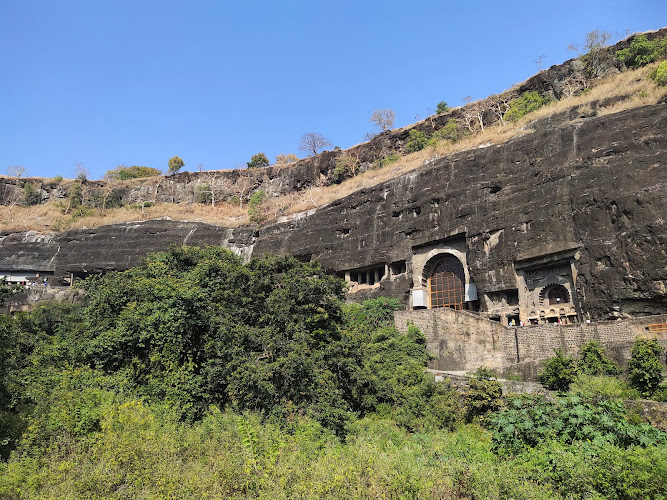
- UNESCO World Heritage sites (Ajanta & Ellora) with ancient Buddhist, Hindu and Jain monuments
- Monolithic architecture (Kailasa Temple at Ellora carved from a single rock)
- Frescoes and ancient paintings (notably Ajanta’s mural panels)
- Natural cave formations and accessible walking trails (Karla, Bhaja, Kanheri)
- Mix of archaeological significance, religious heritage and scenic surroundings
More Details
Updated January 18, 2026
Table of Contents
- Description
- Key Features
- Best Time to Visit
- How to Get There
- Tips for Visiting
- Key Highlights
- Location
- Places to Stay Near Caves
- Find and Book a Tour
- Explore More Travel Guides
- Ajanta Caves, Maharashtra: A Field Guide to India’s Finest Buddhist Murals
- Where exactly is Ajanta?
- What to Look For (and Why It Matters)
- The two building phases—what changed?
- Signature caves
- A quick history note
- Practical Visiting Info (accurate as of October 30, 2025)
- Accessibility & comfort
- Conservation & Safety Updates You Should Know
- How to Plan an Efficient Self-Tour
- Context for Travelers Interested in Art History
- Key Logistics Snapshot (verify before you go)
- If you’re pairing sites
- Data quality & recency
- Nearby Places You Might Like
- Traveler Reviews for Caves
- Share Your Experience
Description
Caves have fascinated travelers for centuries, and honestly, there’s something almost primal about wanting to explore these underground wonders. When I first stepped into a cave system during a college trip years ago, I remember feeling like I’d entered another world entirely – one that existed long before humans walked the earth and will probably be there long after we’re gone.
These natural formations offer visitors a chance to experience geology in its rawest form. The silence underground is different from any quiet you’ll experience above ground, and the cool air that greets you at the entrance feels like nature’s own air conditioning system. Most cave systems have taken millions of years to form, carved out by water, volcanic activity, or various chemical processes that shaped the rock into the incredible formations you see today.
What makes caves particularly special for travelers is that they’re essentially time capsules. The stalactites hanging from ceilings and stalagmites rising from floors grow at incredibly slow rates – sometimes just a centimeter every hundred years. Walking through these spaces means you’re witnessing geological processes that have been ongoing since before recorded history began.
The temperature inside most caves stays relatively constant throughout the year, usually hovering somewhere between 50-60 degrees Fahrenheit depending on the location and depth. This creates unique ecosystems where specialized creatures have adapted to live in complete or near-complete darkness. And let me tell you, seeing blind cave fish or translucent cave shrimp for the first time really puts evolution into perspective in a way textbooks never quite managed.
Key Features
Caves offer travelers an array of distinctive features that make each visit memorable and educational:
• Ancient rock formations including stalactites, stalagmites, columns, flowstones, and draperies that have developed over millennia through mineral deposits
• Unique underground ecosystems featuring specialized wildlife like bats, salamanders, insects, and microorganisms that have adapted to low-light or zero-light conditions
• Natural acoustic properties that create unusual sound experiences, with some chambers producing echoes or dampening sound completely
• Constant cool temperatures year-round, providing natural climate control regardless of surface weather conditions
• Underground rivers, streams, or pools in many cave systems, sometimes featuring crystal-clear water that’s been filtered through limestone
• Historical and archaeological significance, as many caves served as shelter for early humans and contain ancient artifacts, cave paintings, or fossils
• Mineral formations displaying various colors created by different elements – iron creates oranges and reds, copper produces blues and greens, while manganese adds blacks and purples
• Chamber rooms of varying sizes, from tight crawlspaces to massive caverns that could fit entire buildings inside them
• Educational opportunities to learn about geology, biology, hydrology, and paleontology all in one location
• Adventure activities ranging from gentle walking tours to challenging spelunking expeditions for different skill levels
Best Time to Visit
Here’s the thing about caves – they’re pretty much a year-round destination, which is honestly one of their best features. But that doesn’t mean all times are created equal for your visit.
Summer months tend to be the most crowded, especially if you’re visiting popular cave systems near tourist areas. Families with kids out of school flock to these underground attractions, and you might find yourself waiting in line or dealing with larger tour groups. However, summer also means the contrast between the hot surface temperature and the cool cave interior feels absolutely amazing. There’s something magical about escaping 90-degree heat and stepping into a 55-degree cave.
Spring and fall offer the sweet spot for many travelers. The crowds thin out considerably, and you’ll have a more intimate experience with the formations. I visited a cave system in October once, and our tour group had maybe eight people total – the guide could actually answer everyone’s questions without rushing, and we could take our time photographing formations without someone’s flash going off every two seconds.
Winter visits have their own charm. Some caves located in colder climates develop ice formations near their entrances, creating temporary sculptures that only exist for a few months each year. Plus, the cave actually feels warmer than the outside air during winter months, which creates an interesting reversal of the summer experience.
Weather considerations matter less for caves than almost any other outdoor attraction, but heavy rainfall can affect some cave systems. Flooding can close certain passages or entire caves temporarily. Always check ahead if there’s been significant precipitation in the area.
For photography enthusiasts, weekday mornings during off-season months provide the best lighting conditions with fewer people to worry about. The artificial lighting in most show caves stays consistent, but having space to set up your tripod without blocking paths makes a huge difference.
How to Get There
Getting to caves really depends on which cave system you’re planning to visit, but most follow similar patterns in terms of accessibility and transportation options.
Many significant cave systems are located in rural or semi-rural areas, which means you’ll probably need a car to reach them. Public transportation rarely extends to these locations, though some caves near major cities might have tour operators who provide transportation packages from urban centers.
If you’re driving, GPS coordinates usually work better than street addresses for cave locations. I learned this the hard way when my GPS tried to take me to the cave’s administrative office instead of the actual entrance, adding an extra 40 minutes to my trip. Look for specific parking area coordinates when planning your route.
The roads leading to caves vary considerably. Some well-developed cave parks have paved roads right up to visitor centers with ample parking. Others require navigating gravel roads or even unpaved paths. Check the cave’s official website or call ahead to understand what your vehicle can handle – showing up in a sedan when you need four-wheel drive isn’t fun.
For international travelers, most major cave systems are within a few hours’ drive of regional airports. Renting a car gives you flexibility to explore surrounding areas too, since caves are often located in regions with other natural attractions worth seeing.
Some adventure caves that aren’t developed for tourism might require hiking to reach the entrance. These can involve trail walks ranging from a few hundred yards to several miles, sometimes over challenging terrain. Know what you’re getting into before you go.
Tips for Visiting
Bring layers, seriously. Even if it’s blazing hot outside, that cave will be cool, and you’ll be standing still during parts of your tour. I’ve seen countless people shivering through cave tours in tank tops and shorts because they didn’t think about the temperature difference. A light jacket or long-sleeved shirt makes the experience much more comfortable.
Wear proper footwear – this isn’t the place for flip-flops or fashion sneakers. Cave floors can be slippery from moisture and mineral deposits. You want shoes with good traction and ankle support. I once watched someone in sandals nearly wipe out on a wet flowstone surface, and it wasn’t pretty.
Leave the big camera bag behind unless you’re serious about cave photography. Most show caves have railings and established paths that limit where you can set up equipment anyway. A phone camera or compact camera works fine for most visitors. And speaking of cameras, turn off your flash if the cave asks you to – repeated flash photography can actually affect some of the delicate ecosystems and mineral formations.
Arrive early for your scheduled tour time. Cave tours usually can’t start late because there are other groups scheduled behind yours, and they absolutely won’t wait for stragglers. Missing your tour time often means waiting hours for the next available slot or losing your reservation entirely.
Don’t touch the formations, no matter how tempting it looks. The oils from human skin stop the mineral deposition process, essentially killing formations that took thousands of years to create. Plus, many caves have installed monitoring systems, and damaging formations can result in serious fines.
Bathroom breaks before entering are essential – there aren’t facilities underground, and some cave tours last 60-90 minutes. Trust me on this one.
If you have mobility issues, ask about accessibility before booking. Some caves offer wheelchair-accessible routes, while others involve climbing stairs or navigating uneven surfaces. There’s no shame in choosing a cave that matches your physical capabilities – better to enjoy an accessible cave than struggle through one that’s too challenging.
Bring cash for parking or entrance fees at some locations, even though many now accept cards. Cell phone service is obviously non-existent underground, and even at some remote cave locations above ground, so don’t rely on digital payment methods exclusively.
Consider claustrophobia honestly before booking. Some cave passages get tight, and there’s no quick exit once you’re deep in a tour. Most show caves have spacious passages, but if enclosed spaces panic you, maybe start with a cave that has large chambers before attempting anything more adventurous.
Finally, respect any rules about not bringing food or drink into caves. These rules exist to prevent attracting animals and to avoid contaminating the unique cave environment. A water bottle is usually fine, but leave the snacks for after your tour.
Key Highlights
- UNESCO World Heritage sites (Ajanta & Ellora) with ancient Buddhist, Hindu and Jain monuments
- Monolithic architecture (Kailasa Temple at Ellora carved from a single rock)
- Frescoes and ancient paintings (notably Ajanta’s mural panels)
- Natural cave formations and accessible walking trails (Karla, Bhaja, Kanheri)
- Mix of archaeological significance, religious heritage and scenic surroundings
Location
Places to Stay Near Caves
Find and Book a Tour
Explore More Travel Guides
No reviews found! Be the first to review!
Ajanta Caves, Maharashtra: A Field Guide to India’s Finest Buddhist Murals
Carved into a horseshoe-shaped gorge above the Waghora River, the Ajanta Caves comprise 30 rock-cut Buddhist monuments dating from the 2nd–1st century BCE (early phase) and a major 5th–6th century CE expansion (Gupta/Vākāṭaka era). Five caves are chaitya-gṛhas (worship halls); the rest are vihāras (monastic residences). Their wall paintings—especially in Caves 1, 2, 16, and 17—are among the most important surviving examples of ancient Indian art. Ajanta was inscribed as a UNESCO World Heritage Site in 1983 (criteria i, ii, iii, vi). oai_citation:0‡UNESCO World Heritage Centre
Where exactly is Ajanta?
UNESCO places the property in Maharashtra State, Aurangabad (Chhatrapati Sambhajinagar) District, Soygaon Taluka, with coordinates N20°33′11.2″ E75°42′0.9″. The site name derives from nearby Ajanta village. The official Indian heritage record notes the caves lie ~107 km north of Aurangabad. (Distances are for orientation; travel times vary with road conditions.) oai_citation:1‡UNESCO World Heritage Centre
What to Look For (and Why It Matters)
The two building phases—what changed?
- Early (Satavahana/Theravāda) phase: Simple forms, aniconic worship (focus on the stūpa), and the earliest chaitya halls (notably Caves 9 & 10). oai_citation:2‡UNESCO World Heritage Centre
- Later (Mahayana/Vākāṭaka) phase: Introduction of Buddha icons, richly sculpted façades and pillars, and the great painted cycles of Jātaka tales (Caves 1–2, 16–17). oai_citation:3‡UNESCO World Heritage Centre
Signature caves
- Cave 1: A tour-de-force of painting—famous Bodhisattva panels (e.g., Padmapāni/Avalokiteśvara) and narrative murals. (UNESCO highlights this corpus broadly; on-site guides typically focus here first.) oai_citation:4‡UNESCO World Heritage Centre
- Cave 2: Dense ceiling and wall decoration; superb narrative sequencing. oai_citation:5‡UNESCO World Heritage Centre
- Cave 16 & 17: Textbook Jātaka narratives and courtly life scenes; these two are often used to explain Ajanta’s painting techniques. oai_citation:6‡UNESCO World Heritage Centre
- Cave 19 & 26: Chaitya halls from the later period—look for the carved Buddha-in-stūpa innovation and elaborate ambulatory planning. oai_citation:7‡Wikipedia
A quick history note
Ajanta’s “rediscovery” in the colonial era is typically dated to 1819, when a British cavalry officer, Captain John Smith, was guided to Cave 10; the caves, of course, were known locally. This episode helped propel Ajanta into global art-historical discourse. oai_citation:8‡Wikipedia
Practical Visiting Info (accurate as of October 30, 2025)
- Hours / Weekly closure: 09:00–17:00; closed on Mondays. This is the official Archaeological Survey of India (ASI) schedule. Always re-check at the gate or ASI pages on your travel day in case of operational changes. oai_citation:9‡asimustsee.nic.in
- Preservation rules – photography: ASI permits non-flash photography at its protected monuments, with flash and tripods prohibited in sensitive, painted interiors to protect pigments. Ajanta is specifically cited among sites where restrictions apply; plan for no-flash, hand-held shooting. Policies can change; follow on-site instructions. oai_citation:10‡GKToday
- Getting around on site: Reports and visitor guidance mention a shuttle link between the parking/visitor area and the cave foothills, and a viewpoint across the gorge for panoramas before you descend to the caves themselves. On busy days the shuttle helps you avoid a hot, exposed walk. (Tip: photograph from the Ajanta View Point early for softer light.) oai_citation:11‡Tripadvisor
Accessibility & comfort
Ajanta’s terrain involves uneven paths and stepped approaches; wheelchair access is limited. Several sources note a paid palanquin/sedan chair service used by some visitors to reach the cave line, but interior access still involves thresholds and steps. If mobility is a concern, plan conservatively and consult staff at the visitor centre. oai_citation:12‡Tripadvisor
Inclusivity note: Heat, crowds, and low light can be challenging. Bring water, wear grippy footwear, and consider noise/light sensitivities (dimly lit interiors, occasional echo). If traveling with elders or anyone with mobility or sensory needs, budget extra time and schedule breaks in shaded areas.
Conservation & Safety Updates You Should Know
- Bee-relocation operations in 2025: Local authorities (Forest Department with ASI) conducted beehive relocation at Ajanta after multiple sting incidents, especially near Caves 4, 9, and 10. There were calls for temporary closure during parts of the operation; ASI proceeded with mitigation while keeping the site open. Check local advisories if you see signage around active works. oai_citation:13‡The Times of India
How to Plan an Efficient Self-Tour
Order of exploration (3–4 hours, no-rush pace):
1. Viewpoint stop (quick): Establish the U-shaped gorge context and the cave numbering sequence. oai_citation:14‡Tripadvisor
2. Paintings first, while your eyes are fresh: Caves 1–2, 16–17. Scan narratives left-to-right; look for court scenes, musicians, merchants, and scenes from the Jātakas. oai_citation:15‡UNESCO World Heritage Centre
3. Chaitya halls: Step into Cave 19 (later period) and compare to the earlier Cave 10—note the Buddha-in-stūpa in the later hall vs. aniconic stūpa worship in the early one. oai_citation:16‡Wikipedia
4. Sculptural scale: If time allows, add Cave 26 for its ambulatory and narrative reliefs. oai_citation:17‡Wikipedia
Light & preservation etiquette
– Give your eyes a minute to adjust before judging “how dark” a cave is.
– Do not touch any painted/plastered surfaces—skin oils accelerate deterioration.
– Keep conversations low; guides often use soft torches pointed away from paint.
Photography reality check: Expect grainy, high-ISO images. Leave tripods at the hotel. Follow guards’ directions—Ajanta’s paintings are irreplaceable. oai_citation:18‡GKToday
Context for Travelers Interested in Art History
- Ajanta’s murals and plans document shifts from Theravāda to Mahayana devotional practices: early aniconism (stūpa-centric) gives way to iconic Buddha imagery with elaborate narrative programmes. oai_citation:19‡UNESCO World Heritage Centre
- The site’s Outstanding Universal Value emphasizes its influence on later Indian and Southeast Asian art (e.g., connections cited to Java), and the completeness of its architectural typology (chaitya vs vihāra). oai_citation:20‡UNESCO World Heritage Centre
Key Logistics Snapshot (verify before you go)
- Hours/closure: 09:00–17:00; closed Mondays (ASI). oai_citation:21‡asimustsee.nic.in
- Management: Archaeological Survey of India is the custodian; buffer zone management involves ASI, the Forest Department, and the Government of Maharashtra. oai_citation:22‡UNESCO World Heritage Centre
- Tickets & fees: ASI periodically updates rules and pricing; check the official ASI/“Must See” page or gate noticeboards on the day of travel rather than third-party blogs. (Avoid outdated fee tables circulating online.) oai_citation:23‡asimustsee.nic.in
If you’re pairing sites
Ellora (a separate UNESCO site near Aurangabad) is closed Tuesdays and generally opens sunrise–sunset; many travelers do Ajanta one day, Ellora another to avoid rush and fatigue. Always reconfirm Ellora’s hours with ASI before planning. oai_citation:24‡ETTravelWorld.com
Data quality & recency
- Timings/closure are taken from ASI; these can change for conservation, weather, or special operations—reconfirm locally. oai_citation:25‡asimustsee.nic.in
- Bee-relocation advisories reflect June–July 2025 reporting; conditions may have evolved. oai_citation:26‡The Times of India
If you want, I can generate a compact on-page FAQ (schema-ready) focused on hours, closed days, photography, accessibility, and route planning based strictly on the sources above.
Traveler Reviews for Caves
There are no reviews yet. Be the first one to write one.
Have you visited Caves? Help other travelers by sharing your review.
Nearby Attractions
You Might Also Like
Itanagar Zoo

Njarackal Arattuvazhi Beach

Nagore Beach
Find Accommodations Nearby
Recommended Tours & Activities
Visitor Reviews
There are no reviews yet. Be the first one to write one.
Share Your Experience
Have you visited Caves? Help other travelers by leaving a review.