
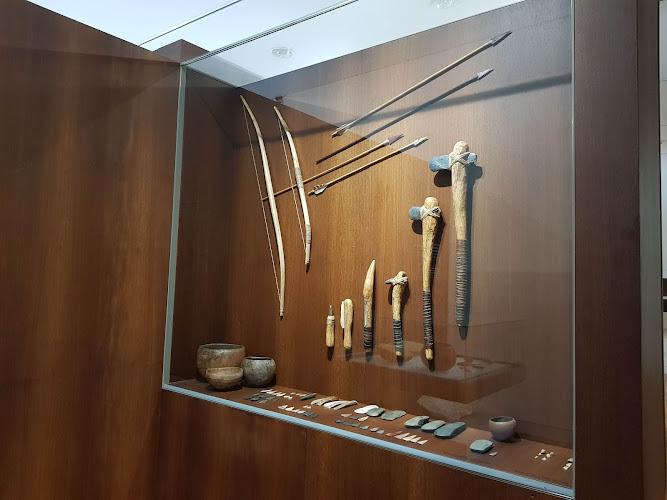
Museum of archeology D. Diogo de Sousa
About Museum of archeology D. Diogo de Sousa
Description
The Museum of Archaeology D. Diogo de Sousa offers a deep, layered look at human life in the Braga region, spanning from the Paleolithic era through the Middle Ages. Visitors will find a carefully curated sequence of artifacts that tells a surprisingly vivid story: stone tools, pottery sherds, Roman inscriptions and everyday objects that speak louder than most guidebooks. The museum organizes finds not merely by age but by how people lived, worked and worshipped, which makes the visits feel less like a lecture and more like stepping into several different lives across time.
The layout is pragmatic: exhibits lead the visitor chronologically and thematically, with explanatory labels and occasional reconstructions that help the eyes and the imagination follow along. There are moments of showmanship — a reconstructed Roman domestic scene, a dramatic display of ritual objects — but most of the charm is quiet. Small items get the attention they deserve; a simple brooch or a chipped stone can become the centerpiece of an entire vitrines’ worth of context.
This museum is not the kind of place that overwhelms with flashy touchscreens, though there are interactive features and on-site services to make the experience smoother. It favors tactile storytelling; sometimes text panels, sometimes objects speak up, and at other times the layout invites one to linger and puzzle things out. It’s a museum for people who enjoy connecting dots. Even those who think archaeology sounds dry are often surprised at how relatable the display of household items can be.
Accessibility and visitor comfort are taken seriously here. There is a wheelchair accessible entrance and restrooms, and onsite parking helps when carrying a stroller or when arriving from further afield. For families, kid discounts and family rates lower the barrier to entry, and the kid-friendly activities make it easier to keep little ones engaged. Add a café and free Wi-Fi into the mix, and it becomes a genuinely user-friendly destination rather than a dusty repository.
Visitors who like practical details should note that the museum regularly updates temporary exhibitions and sometimes hosts special events that reinterpret parts of the permanent collection. Those rotating shows are where one sees the museum’s curatorial creativity — bold pairings, thematic deep dives, and collaborations with local digs. A casual walk through the permanent halls gives a solid foundation, while the temporary displays reward repeat visits with fresh perspectives.
Key Features
- Extensive archaeological collections covering the Paleolithic through the Middle Ages
- Chronological and thematic exhibits that focus on everyday life and regional history
- Wheelchair accessible entrance, parking and restroom facilities
- On-site amenities: restaurant/café, restrooms, and Wi-Fi for visitors
- Kid-friendly programming, discounts for children and family ticket options
- On-site parking and paid street parking nearby for flexible arrival options
- Onsite services to assist with planning a visit and educational groups
- Regularly changing temporary exhibitions alongside a strong permanent collection
Best Time to Visit
The best time to visit the museum depends on what kind of experience the visitor wants. For fewer crowds and more quiet contemplation, weekday mornings are ideal: the museum tends to be calm, staff are readily available for questions, and the lighting is lovely for close study. If someone prefers a livelier atmosphere or wants to catch special events, late spring and early autumn weekends often feature guided talks or family activities. But keep in mind those weekend slots can be busier, especially during school holidays.
Weather in Braga is usually mild enough to combine indoor and outdoor sightseeing, so pairing the museum visit with a stroll through nearby historical districts is easy almost year-round. Visiting during off-peak travel months — October through March excluding major holidays — generally offers better parking availability and more relaxed galleries. Plan on 90 to 120 minutes to cover the main exhibits at a comfortable pace; those who read every label or linger with the special exhibitions might stay several hours.
How to Get There
The museum sits within easy reach of Braga’s central areas and is accessible by multiple modes of transport. Visitors arriving by train or long-distance bus will find local buses and short taxi rides convenient; the journey from the main transit hubs usually takes only minutes rather than hours. For those who prefer driving, there is on-site parking which simplifies the arrival and departure, and paid street parking is also available nearby for flexibility.
Public transport options are practical: regional buses connect Braga to neighboring towns and the city’s bus network has stops that serve the area around the museum. Taxis and ride-hailing services are plentiful in Braga, which makes door-to-door travel painless if someone is carrying luggage or traveling with small children. Cyclists will find that the city is relatively compact, though secure bike parking may be limited; consider locking up in well-trafficked areas.
When mapping the visit, visitors should allow time for parking and security checks during peak seasons. The museum’s layout and access points make it easy to transition from the car or bus into the galleries, which is especially helpful for those organizing school groups or family outings. Staff on-site can offer further guidance for special-needs visitors or for groups requiring tailored assistance.
Tips for Visiting
Plan ahead but remain open to surprises. Booking in advance can smooth out the logistics during busy periods, and calling ahead to check on temporary exhibitions or special programming can make the trip more rewarding. That said, some of the museum’s most memorable moments come from unexpected finds in the permanent collection — so leave room in the schedule for wandering.
Photography rules vary between permanent and special exhibitions; the safest approach is to ask at the desk or look for signage at each room entrance. Most visitors report that handheld photography without flash is usually okay in general areas, but flash and tripods are often restricted to protect delicate artifacts. Bring a small notebook or use a phone to jot down gallery numbers or names of items to look up later — the labels can be brief, and follow-up research often reveals fascinating backstories.
Families will appreciate starting with the kid-friendly activities or the introductory displays that orient younger visitors. If traveling with very young children, plan for breaks: the museum’s restaurant and restrooms make this manageable, and on-site seating areas provide respite between galleries. Parents should ask about any complimentary educational materials or scavenger hunt sheets; these little tools make the visit feel like a mission rather than a slog.
Accessibility features are robust, but it never hurts to call ahead if a visitor has very specific mobility needs. The wheelchair accessible entrance and restrooms are useful, and staff are generally helpful in facilitating comfortable access. Those with limited mobility should request assistance for exhibits located on different levels or for handling heavier information materials.
Combine the museum visit with nearby historical sites for a fuller day. Exploring the museum in the morning and visiting local archaeological landmarks or a nearby cathedral in the afternoon creates a satisfying narrative of the region’s past. For food, the on-site restaurant is a practical option; it’s particularly welcome when the weather turns or when groups want a short, convenient lunch without breaking the flow of the day.
Expect to leave with new questions as much as answers. Archaeology often raises more curiosities: why a particular settlement shifted, how trade routes evolved, who made and used an everyday object. Visitors who enjoy the detective aspect of archaeology will find plenty to ponder, and those who prefer a straightforward stroll through history will still leave with a clearer sense of how the present grew out of the past.
Finally, allow a little extra time for the gift shop. It’s not overly touristy, and the curated selection tends to reflect the museum’s strengths — books on regional archaeology, reproductions of artifacts, and thoughtful educational toys. Picking up a small memento helps support future digs and exhibitions, and it’s a nice way to tell friends that the region’s long, complicated story is now part of the traveler’s own story too.
Key Features
- Extensive archaeological collections covering the Paleolithic through the Middle Ages
- Chronological and thematic exhibits that focus on everyday life and regional history
- Wheelchair accessible entrance, parking and restroom facilities
- On-site amenities: restaurant/café, restrooms, and Wi-Fi for visitors
- Kid-friendly programming, discounts for children and family ticket options
- On-site parking and paid street parking nearby for flexible arrival options
- Onsite services to assist with planning a visit and educational groups
- Regularly changing temporary exhibitions alongside a strong permanent collection
More Details
Updated August 30, 2025
Table of Contents
- Description
- Key Features
- Best Time to Visit
- How to Get There
- Tips for Visiting
- Key Highlights
- Location
- Places to Stay Near Museum of archeology D. Diogo de Sousa
- Find and Book a Tour
- Explore More Travel Guides
- Nearby Places You Might Like
- Traveler Reviews for Museum of archeology D. Diogo de Sousa
- Share Your Experience
Description
The Museum of Archaeology D. Diogo de Sousa offers a deep, layered look at human life in the Braga region, spanning from the Paleolithic era through the Middle Ages. Visitors will find a carefully curated sequence of artifacts that tells a surprisingly vivid story: stone tools, pottery sherds, Roman inscriptions and everyday objects that speak louder than most guidebooks. The museum organizes finds not merely by age but by how people lived, worked and worshipped, which makes the visits feel less like a lecture and more like stepping into several different lives across time.
The layout is pragmatic: exhibits lead the visitor chronologically and thematically, with explanatory labels and occasional reconstructions that help the eyes and the imagination follow along. There are moments of showmanship — a reconstructed Roman domestic scene, a dramatic display of ritual objects — but most of the charm is quiet. Small items get the attention they deserve; a simple brooch or a chipped stone can become the centerpiece of an entire vitrines’ worth of context.
This museum is not the kind of place that overwhelms with flashy touchscreens, though there are interactive features and on-site services to make the experience smoother. It favors tactile storytelling; sometimes text panels, sometimes objects speak up, and at other times the layout invites one to linger and puzzle things out. It’s a museum for people who enjoy connecting dots. Even those who think archaeology sounds dry are often surprised at how relatable the display of household items can be.
Accessibility and visitor comfort are taken seriously here. There is a wheelchair accessible entrance and restrooms, and onsite parking helps when carrying a stroller or when arriving from further afield. For families, kid discounts and family rates lower the barrier to entry, and the kid-friendly activities make it easier to keep little ones engaged. Add a café and free Wi-Fi into the mix, and it becomes a genuinely user-friendly destination rather than a dusty repository.
Visitors who like practical details should note that the museum regularly updates temporary exhibitions and sometimes hosts special events that reinterpret parts of the permanent collection. Those rotating shows are where one sees the museum’s curatorial creativity — bold pairings, thematic deep dives, and collaborations with local digs. A casual walk through the permanent halls gives a solid foundation, while the temporary displays reward repeat visits with fresh perspectives.
Key Features
- Extensive archaeological collections covering the Paleolithic through the Middle Ages
- Chronological and thematic exhibits that focus on everyday life and regional history
- Wheelchair accessible entrance, parking and restroom facilities
- On-site amenities: restaurant/café, restrooms, and Wi-Fi for visitors
- Kid-friendly programming, discounts for children and family ticket options
- On-site parking and paid street parking nearby for flexible arrival options
- Onsite services to assist with planning a visit and educational groups
- Regularly changing temporary exhibitions alongside a strong permanent collection
Best Time to Visit
The best time to visit the museum depends on what kind of experience the visitor wants. For fewer crowds and more quiet contemplation, weekday mornings are ideal: the museum tends to be calm, staff are readily available for questions, and the lighting is lovely for close study. If someone prefers a livelier atmosphere or wants to catch special events, late spring and early autumn weekends often feature guided talks or family activities. But keep in mind those weekend slots can be busier, especially during school holidays.
Weather in Braga is usually mild enough to combine indoor and outdoor sightseeing, so pairing the museum visit with a stroll through nearby historical districts is easy almost year-round. Visiting during off-peak travel months — October through March excluding major holidays — generally offers better parking availability and more relaxed galleries. Plan on 90 to 120 minutes to cover the main exhibits at a comfortable pace; those who read every label or linger with the special exhibitions might stay several hours.
How to Get There
The museum sits within easy reach of Braga’s central areas and is accessible by multiple modes of transport. Visitors arriving by train or long-distance bus will find local buses and short taxi rides convenient; the journey from the main transit hubs usually takes only minutes rather than hours. For those who prefer driving, there is on-site parking which simplifies the arrival and departure, and paid street parking is also available nearby for flexibility.
Public transport options are practical: regional buses connect Braga to neighboring towns and the city’s bus network has stops that serve the area around the museum. Taxis and ride-hailing services are plentiful in Braga, which makes door-to-door travel painless if someone is carrying luggage or traveling with small children. Cyclists will find that the city is relatively compact, though secure bike parking may be limited; consider locking up in well-trafficked areas.
When mapping the visit, visitors should allow time for parking and security checks during peak seasons. The museum’s layout and access points make it easy to transition from the car or bus into the galleries, which is especially helpful for those organizing school groups or family outings. Staff on-site can offer further guidance for special-needs visitors or for groups requiring tailored assistance.
Tips for Visiting
Plan ahead but remain open to surprises. Booking in advance can smooth out the logistics during busy periods, and calling ahead to check on temporary exhibitions or special programming can make the trip more rewarding. That said, some of the museum’s most memorable moments come from unexpected finds in the permanent collection — so leave room in the schedule for wandering.
Photography rules vary between permanent and special exhibitions; the safest approach is to ask at the desk or look for signage at each room entrance. Most visitors report that handheld photography without flash is usually okay in general areas, but flash and tripods are often restricted to protect delicate artifacts. Bring a small notebook or use a phone to jot down gallery numbers or names of items to look up later — the labels can be brief, and follow-up research often reveals fascinating backstories.
Families will appreciate starting with the kid-friendly activities or the introductory displays that orient younger visitors. If traveling with very young children, plan for breaks: the museum’s restaurant and restrooms make this manageable, and on-site seating areas provide respite between galleries. Parents should ask about any complimentary educational materials or scavenger hunt sheets; these little tools make the visit feel like a mission rather than a slog.
Accessibility features are robust, but it never hurts to call ahead if a visitor has very specific mobility needs. The wheelchair accessible entrance and restrooms are useful, and staff are generally helpful in facilitating comfortable access. Those with limited mobility should request assistance for exhibits located on different levels or for handling heavier information materials.
Combine the museum visit with nearby historical sites for a fuller day. Exploring the museum in the morning and visiting local archaeological landmarks or a nearby cathedral in the afternoon creates a satisfying narrative of the region’s past. For food, the on-site restaurant is a practical option; it’s particularly welcome when the weather turns or when groups want a short, convenient lunch without breaking the flow of the day.
Expect to leave with new questions as much as answers. Archaeology often raises more curiosities: why a particular settlement shifted, how trade routes evolved, who made and used an everyday object. Visitors who enjoy the detective aspect of archaeology will find plenty to ponder, and those who prefer a straightforward stroll through history will still leave with a clearer sense of how the present grew out of the past.
Finally, allow a little extra time for the gift shop. It’s not overly touristy, and the curated selection tends to reflect the museum’s strengths — books on regional archaeology, reproductions of artifacts, and thoughtful educational toys. Picking up a small memento helps support future digs and exhibitions, and it’s a nice way to tell friends that the region’s long, complicated story is now part of the traveler’s own story too.
Key Highlights
- Extensive archaeological collections covering the Paleolithic through the Middle Ages
- Chronological and thematic exhibits that focus on everyday life and regional history
- Wheelchair accessible entrance, parking and restroom facilities
- On-site amenities: restaurant/café, restrooms, and Wi-Fi for visitors
- Kid-friendly programming, discounts for children and family ticket options
- On-site parking and paid street parking nearby for flexible arrival options
- Onsite services to assist with planning a visit and educational groups
- Regularly changing temporary exhibitions alongside a strong permanent collection
Location
Places to Stay Near Museum of archeology D. Diogo de Sousa
Find and Book a Tour
Explore More Travel Guides
No reviews found! Be the first to review!
Traveler Reviews for Museum of archeology D. Diogo de Sousa
There are no reviews yet. Be the first one to write one.
Have you visited Museum of archeology D. Diogo de Sousa? Help other travelers by sharing your review.
You Might Also Like
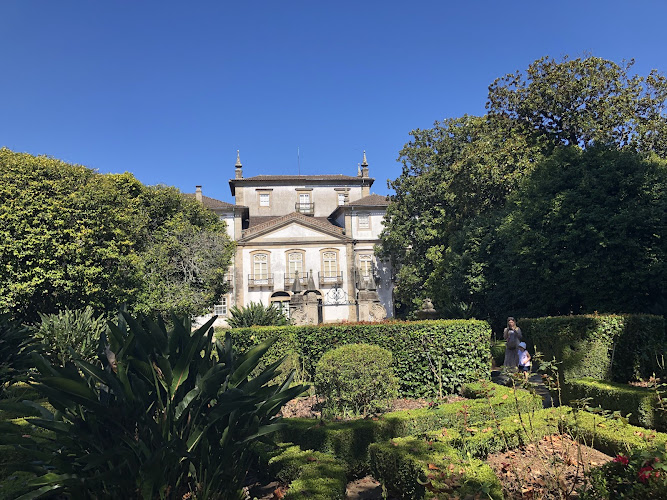
Biscaínhos Museum Garden
Lapa Church
Archbishops Court
Find Accommodations Nearby
Recommended Tours & Activities
Visitor Reviews
There are no reviews yet. Be the first one to write one.
Share Your Experience
Have you visited Museum of archeology D. Diogo de Sousa? Help other travelers by leaving a review.