
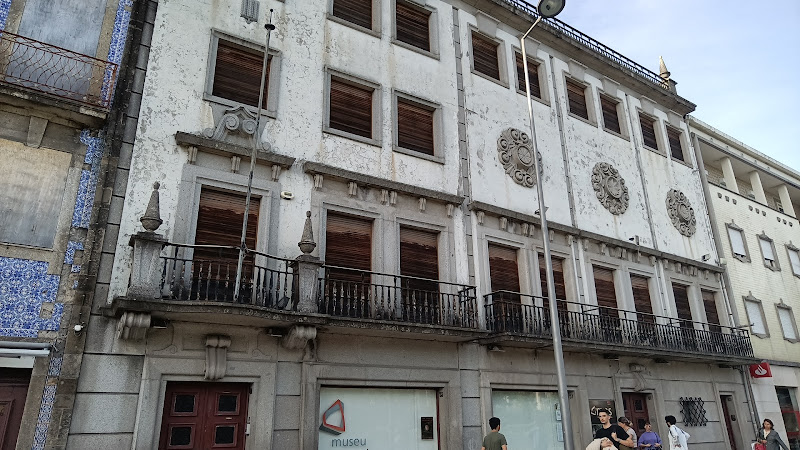
Museu Nogueira da Silva
About Museu Nogueira da Silva
The Museu Nogueira da Silva stands as a compact, quietly proud collection of European painting, sculpture and decorative arts paired with a small but carefully composed garden complete with statues and a fountain. The museum sits in Braga and focuses on artworks that reflect regional tastes and broader European currents from the 17th to the 19th centuries, with a handful of surprising earlier and later pieces slipped in like little gifts. It feels more like someone’s well-curated house than a vast public institution — rooms flow into one another, light plays on old frames, and there's an intimacy that encourages slow looking.
The experience is a bit different from the big-ticket museums; it rewards attention. Visitors who wander here get to see paintings where brushwork can be examined at arm’s length, sculptures where pedestals are at human height, and decorative arts — porcelain, silver, furniture — that tell stories about daily life, wealth, and craft. The garden, with its statues and a modest fountain, offers a quiet counterpoint: a place to sit, take notes, and breathe after a roomful of gilded frames. The overall mood is refined without being stiff, and the layout is friendly to exploration. People tend to linger, and that’s the point.
Accessibility is handled thoughtfully: the entrance, parking, and restrooms are wheelchair accessible, which makes this museum a practical choice for travelers with reduced mobility. Families with children will find the space manageable — not overwhelming — and educational in a way that can be adapted to short attention spans. There is no on-site restaurant, so plan ahead for a snack or a café stop before or after the visit. Restroom facilities are provided, and signage is clear enough for self-guided visits.
One writer remembers stepping into a small room and discovering a painting that stopped everything — the sort of piece that makes one forget to check the guidebook. Little moments like that happen here. And there’s an almost secret pleasure in the garden: the sound of water from the fountain, the bronze patina on statues, and a view across the manicured beds that frames a corner of Braga in a very particular light. That human-scale charm is the Museu Nogueira da Silva’s strongest suit.
Key Features
- European paintings spanning several centuries, with strong local relevance and some rare finds
- Carved and cast sculptures displayed at eye level for intimate viewing
- Decorative arts collection including porcelain, silver, and period furniture that illuminate daily life and taste
- Quiet garden with statues and a fountain — ideal for reflection and photography
- Wheelchair accessible entrance, parking and restroom facilities
- Family-friendly layout that suits shorter attention spans and curious kids
- Compact museum footprint — easy to cover in one relaxed visit without museum fatigue
- Informational labels and modest interpretive material that are useful for self-guided tours
Best Time to Visit
Timing a visit to the Museu Nogueira da Silva is part practical, part aesthetic. Mid-morning on weekdays is often the sweet spot: light is better for photographs, and crowds tend to be thin. Weekends bring more local families and groups, which makes for a livelier atmosphere but also some congestion in small rooms. Late afternoons can be magical — the garden’s fountain and statues catch angled sunlight and create photographs with long shadows and warm tones.
Seasonally, spring and early autumn are recommended. Springtime adds fresh greenery to the garden, bringing out the contrast between foliage and stone; autumn offers softer light and cooler temperatures that make a stroll through the garden pleasant. Summers can be warm, and because the museum lacks an on-site restaurant, a lunch plan is recommended. Winters are quieter and often better for a meditative visit, but visitors should check opening hours on holidays and off-season months as schedules can change.
Visitors who prefer guided explanations should check for scheduled talks or temporary exhibits; these tend to appear at certain times of year and can enhance the experience. For photographers, the best light will almost always be morning and late afternoon — the kind of light that flatters old oils and the patina of bronzes.
How to Get There
The Museu Nogueira da Silva is conveniently located within Braga’s urban fabric, making it accessible by foot from many central points. Travelers staying near the historic center can walk, which is often faster than public transport in this part of town. The walk offers an added bonus: a chance to enjoy Braga’s streetscapes and small shops before arriving.
For those coming from slightly farther away, local buses connect the museum area to the wider city and surrounding neighborhoods. Taxis and rideshare options are plentiful in Braga and drop-offs are straightforward. Drivers will appreciate that wheelchair accessible parking is available, but as always in older European towns, street parking can be limited during peak times; arriving early or using designated parking areas is a good plan.
International travelers will first arrive via Porto or other Portuguese hubs; from Porto, a regional train or bus to Braga followed by a short taxi or walk will do the trick. The museum’s compact size and accessible entrance make it a good stop for a half-day itinerary that includes other Braga highlights. And for people piecing together a walking tour, it fits neatly alongside churches, plazas, and gardens in the vicinity.
Tips for Visiting
Plan for about 60 to 90 minutes if the intent is to appreciate both galleries and the garden without rushing. This allows time to read labels, linger on favorite pieces, and sit in the garden to reflect. People who rush might miss the smaller, quieter treasures — a silver jug with delicate engraving, for example, or a small bronze tucked in a corner.
Bring a small notebook or use a phone for notes. The museum’s scale rewards note-taking: visitors often discover a theme or favorite artist halfway through and want to jot down details. Photography policies can vary; flash is usually discouraged to protect the works, but non-flash photography for personal use is commonly allowed — still, it’s courteous to check at the reception desk.
Because there’s no restaurant, pack a light snack or plan to eat nearby. A café afterwards is part of the experience — a place to compare notes, drink something good, and file the visit into memory. Families should know the museum is kid-friendly but not geared toward interactive exhibits; bringing a short scavenger-list for children can turn the visit into a game and keep little ones engaged.
Accessibility is a real plus here. The wheelchair accessible entrance and restrooms mean that people with varying mobility needs can enjoy most of the museum without major detours. However, anyone requiring additional assistance should contact the museum ahead of time to confirm specific arrangements, especially for group visits or special needs.
Watch for rotating displays and temporary exhibitions. The permanent collection is steady and quietly excellent, but the occasional special exhibit can reveal unexpected connections or new acquisitions. Those on a tight schedule might want to call ahead or check local listings for special events or temporary closures.
Finally, take time for the garden. It’s not a grand landscape, but it’s a designed space: statues placed to converse with each other, a fountain that sets a rhythm, and planting that frames the museum in an approachable way. Sit. Look. The museum’s charm grows when someone allows it a little of their time.
In short, the Museu Nogueira da Silva is a thoughtful stop for travelers who appreciate European painting, sculpture and decorative arts presented at a human scale, paired with a small, contemplative garden. It isn’t a blockbuster destination, and that’s exactly why it appeals to those who like to discover more subtle cultural pleasures while visiting Braga, Portugal.
Key Features
- European paintings spanning several centuries, with strong local relevance and some rare finds
- Carved and cast sculptures displayed at eye level for intimate viewing
- Decorative arts collection including porcelain, silver, and period furniture that illuminate daily life and taste
- Quiet garden with statues and a fountain — ideal for reflection and photography
- Wheelchair accessible entrance, parking and restroom facilities
- Family-friendly layout that suits shorter attention spans and curious kids
- Compact museum footprint — easy to cover in one relaxed visit without museum fatigue
- Informational labels and modest interpretive material that are useful for self-guided tours
You Might Also Like
Archbishops Court
Arco da Porta Nova
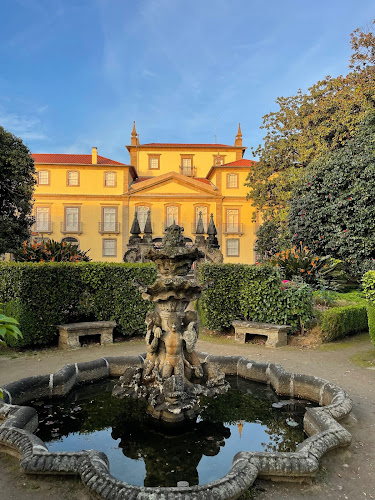
Biscainhos Museum
Tours & Activities
GetYourGuide provides this tour inventory. We may earn a commission if you book through it; verify current availability, prices, and terms with the provider.
Visitor Reviews
There are no reviews yet. Be the first one to write one.
Share Your Experience
Have you visited Museu Nogueira da Silva? Help other travelers by leaving a review.