
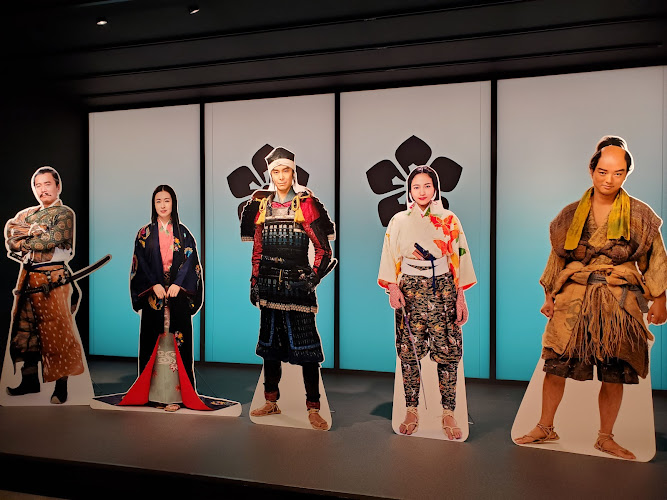
Gifu City Museum of History
About Gifu City Museum of History
Description
The Gifu City Museum of History is the kind of place that quietly grows on you. It doesn’t scream for attention or try to overwhelm visitors with flashy tech at every corner. Instead, it takes a more grounded approach, telling the story of Gifu in layers—slowly, thoughtfully, and sometimes with surprising warmth. The museum focuses on local history, traditional tools, and everyday life, which honestly makes it feel more relatable than the big national museums you might’ve already seen in Tokyo or Kyoto.
Set at the base of Mount Kinka, not far from Gifu Castle, the museum feels deeply tied to its surroundings. And that matters. Walking through the galleries, visitors get a sense that Gifu’s past wasn’t some abstract timeline but a lived-in experience shaped by rivers, trade routes, craftsmanship, and plain old hard work. There are exhibits on samurai-era governance, local industries, and even the mundane tools farmers and merchants relied on. And yes, mundane can be fascinating when it’s explained well.
The tone of the museum is refreshingly balanced. It doesn’t dumb things down, but it also doesn’t assume you’re a historian. Labels are clear, exhibits are interactive in a hands-on, sometimes charmingly low-tech way, and there’s space to linger without feeling rushed. The interactive sections—especially those focused on traditional crafts—are where travelers tend to perk up. Watching kids try their hand at old-school tools always brings a smile. And adults? They usually get just as into it, even if they pretend otherwise.
What stands out most is how human the history feels. Instead of focusing only on famous figures, the museum gives plenty of attention to ordinary people. Traders navigating the Nagara River, artisans perfecting their craft, families adapting to political shifts—it’s all there. And honestly, that’s what makes it stick. One visitor once mentioned, half-jokingly, that they came for an hour and stayed nearly three. That happens more than you’d think.
Key Features
- Interactive exhibits that allow visitors to handle replicas of traditional tools and learn how they were actually used
- Detailed displays on Gifu’s role in regional trade and craftsmanship, especially during the Edo period
- Family-friendly layout with activities that genuinely engage children without annoying adults
- Clear explanations in English alongside Japanese, making it accessible for international travelers
- Exhibits that connect everyday life to larger historical events, not just rulers and wars
- Wheelchair-accessible entrance, restrooms, and rental options, which is still rarer than it should be
- Quiet corners and seating areas for visitors who like to take their time reading and reflecting
Best Time to Visit
The museum works well year-round, but timing does change the experience. Spring and autumn are especially pleasant, not because of anything inside the museum, but because of what’s outside. The walk from nearby attractions, including Gifu Castle, feels easier when the air isn’t heavy with summer humidity or winter chill. And if you’re anything like me, a comfortable walk sets the tone for the whole visit.
Weekday mornings are ideal if you want a quieter atmosphere. The galleries feel more spacious, and you can take your time with interactive displays without waiting. Afternoons, especially on weekends, tend to bring in families and school groups. That can be lively in a good way, but if you prefer calm contemplation, mornings win.
Rainy days are oddly perfect for this museum. When the weather turns gloomy, the museum becomes a refuge, and visitors seem more inclined to slow down and actually read the panels. Plus, the lighting inside is gentle and consistent, so you won’t feel like you’re missing out by being indoors. And let’s be real, every trip needs at least one good rainy-day plan.
How to Get There
Getting to the Gifu City Museum of History is fairly straightforward, especially if you’re already exploring central Gifu. Most travelers arrive via public transportation and then walk the final stretch. The walk itself is part of the experience, gradually transitioning from modern city streets to an area that feels more connected to the past.
From Gifu Station, buses head toward the Mount Kinka area regularly. The signage is generally clear, and locals are surprisingly helpful if you look even slightly lost. And yes, pointing at a map and smiling still works. From the bus stop, it’s a short, mostly flat walk to the museum entrance.
For those who prefer taxis, the ride is quick and reasonably priced, especially if you’re traveling in a small group. Drivers are familiar with the museum, though pronunciation might take a second. Saying “history museum near Gifu Castle” usually does the trick. Walking or biking is also an option for more active travelers, and bike routes in the area are manageable even if you’re not a hardcore cyclist.
Tips for Visiting
Plan for at least 90 minutes, even if you think you’ll breeze through. The museum has a sneaky way of pulling you in. One minute you’re glancing at a display, and the next you’re deeply invested in the evolution of local farming tools. It happens.
Traveling with kids? Let them lead for a bit. The interactive areas are designed with younger visitors in mind, and watching them engage often makes adults notice details they might’ve skipped. And don’t worry, it never feels like a playground.
Photography policies can vary by exhibit, so pay attention to signs. Some sections allow photos, others don’t. When in doubt, just ask. Staff members are approachable and patient, even if your Japanese is limited. A polite gesture goes a long way.
If you’re combining this visit with Gifu Castle, do the museum first. The historical context makes the castle visit more meaningful, not the other way around. Climbing up to the castle after learning about the region’s past adds emotional weight. Plus, the museum gives your legs a rest before the uphill part.
And finally, don’t rush out. Take a moment to sit, think, and maybe talk about what surprised you most. For many visitors, it’s the realization that local history—when told well—can be just as compelling as grand national narratives. The Gifu City Museum of History doesn’t try to impress you. It just tells its story. And somehow, that works.
Key Features
- Interactive exhibits that allow visitors to handle replicas of traditional tools and learn how they were actually used
- Detailed displays on Gifu’s role in regional trade and craftsmanship, especially during the Edo period
- Family-friendly layout with activities that genuinely engage children without annoying adults
- Clear explanations in English alongside Japanese, making it accessible for international travelers
- Exhibits that connect everyday life to larger historical events, not just rulers and wars
- Wheelchair-accessible entrance, restrooms, and rental options, which is still rarer than it should be
- Quiet corners and seating areas for visitors who like to take their time reading and reflecting
More Details
Updated December 31, 2025
Table of Contents
Description
The Gifu City Museum of History is the kind of place that quietly grows on you. It doesn’t scream for attention or try to overwhelm visitors with flashy tech at every corner. Instead, it takes a more grounded approach, telling the story of Gifu in layers—slowly, thoughtfully, and sometimes with surprising warmth. The museum focuses on local history, traditional tools, and everyday life, which honestly makes it feel more relatable than the big national museums you might’ve already seen in Tokyo or Kyoto.
Set at the base of Mount Kinka, not far from Gifu Castle, the museum feels deeply tied to its surroundings. And that matters. Walking through the galleries, visitors get a sense that Gifu’s past wasn’t some abstract timeline but a lived-in experience shaped by rivers, trade routes, craftsmanship, and plain old hard work. There are exhibits on samurai-era governance, local industries, and even the mundane tools farmers and merchants relied on. And yes, mundane can be fascinating when it’s explained well.
The tone of the museum is refreshingly balanced. It doesn’t dumb things down, but it also doesn’t assume you’re a historian. Labels are clear, exhibits are interactive in a hands-on, sometimes charmingly low-tech way, and there’s space to linger without feeling rushed. The interactive sections—especially those focused on traditional crafts—are where travelers tend to perk up. Watching kids try their hand at old-school tools always brings a smile. And adults? They usually get just as into it, even if they pretend otherwise.
What stands out most is how human the history feels. Instead of focusing only on famous figures, the museum gives plenty of attention to ordinary people. Traders navigating the Nagara River, artisans perfecting their craft, families adapting to political shifts—it’s all there. And honestly, that’s what makes it stick. One visitor once mentioned, half-jokingly, that they came for an hour and stayed nearly three. That happens more than you’d think.
Key Features
- Interactive exhibits that allow visitors to handle replicas of traditional tools and learn how they were actually used
- Detailed displays on Gifu’s role in regional trade and craftsmanship, especially during the Edo period
- Family-friendly layout with activities that genuinely engage children without annoying adults
- Clear explanations in English alongside Japanese, making it accessible for international travelers
- Exhibits that connect everyday life to larger historical events, not just rulers and wars
- Wheelchair-accessible entrance, restrooms, and rental options, which is still rarer than it should be
- Quiet corners and seating areas for visitors who like to take their time reading and reflecting
Best Time to Visit
The museum works well year-round, but timing does change the experience. Spring and autumn are especially pleasant, not because of anything inside the museum, but because of what’s outside. The walk from nearby attractions, including Gifu Castle, feels easier when the air isn’t heavy with summer humidity or winter chill. And if you’re anything like me, a comfortable walk sets the tone for the whole visit.
Weekday mornings are ideal if you want a quieter atmosphere. The galleries feel more spacious, and you can take your time with interactive displays without waiting. Afternoons, especially on weekends, tend to bring in families and school groups. That can be lively in a good way, but if you prefer calm contemplation, mornings win.
Rainy days are oddly perfect for this museum. When the weather turns gloomy, the museum becomes a refuge, and visitors seem more inclined to slow down and actually read the panels. Plus, the lighting inside is gentle and consistent, so you won’t feel like you’re missing out by being indoors. And let’s be real, every trip needs at least one good rainy-day plan.
How to Get There
Getting to the Gifu City Museum of History is fairly straightforward, especially if you’re already exploring central Gifu. Most travelers arrive via public transportation and then walk the final stretch. The walk itself is part of the experience, gradually transitioning from modern city streets to an area that feels more connected to the past.
From Gifu Station, buses head toward the Mount Kinka area regularly. The signage is generally clear, and locals are surprisingly helpful if you look even slightly lost. And yes, pointing at a map and smiling still works. From the bus stop, it’s a short, mostly flat walk to the museum entrance.
For those who prefer taxis, the ride is quick and reasonably priced, especially if you’re traveling in a small group. Drivers are familiar with the museum, though pronunciation might take a second. Saying “history museum near Gifu Castle” usually does the trick. Walking or biking is also an option for more active travelers, and bike routes in the area are manageable even if you’re not a hardcore cyclist.
Tips for Visiting
Plan for at least 90 minutes, even if you think you’ll breeze through. The museum has a sneaky way of pulling you in. One minute you’re glancing at a display, and the next you’re deeply invested in the evolution of local farming tools. It happens.
Traveling with kids? Let them lead for a bit. The interactive areas are designed with younger visitors in mind, and watching them engage often makes adults notice details they might’ve skipped. And don’t worry, it never feels like a playground.
Photography policies can vary by exhibit, so pay attention to signs. Some sections allow photos, others don’t. When in doubt, just ask. Staff members are approachable and patient, even if your Japanese is limited. A polite gesture goes a long way.
If you’re combining this visit with Gifu Castle, do the museum first. The historical context makes the castle visit more meaningful, not the other way around. Climbing up to the castle after learning about the region’s past adds emotional weight. Plus, the museum gives your legs a rest before the uphill part.
And finally, don’t rush out. Take a moment to sit, think, and maybe talk about what surprised you most. For many visitors, it’s the realization that local history—when told well—can be just as compelling as grand national narratives. The Gifu City Museum of History doesn’t try to impress you. It just tells its story. And somehow, that works.
Key Highlights
- Interactive exhibits that allow visitors to handle replicas of traditional tools and learn how they were actually used
- Detailed displays on Gifu’s role in regional trade and craftsmanship, especially during the Edo period
- Family-friendly layout with activities that genuinely engage children without annoying adults
- Clear explanations in English alongside Japanese, making it accessible for international travelers
- Exhibits that connect everyday life to larger historical events, not just rulers and wars
- Wheelchair-accessible entrance, restrooms, and rental options, which is still rarer than it should be
- Quiet corners and seating areas for visitors who like to take their time reading and reflecting
Location
Places to Stay Near Gifu City Museum of History
Find and Book a Tour
Explore More Travel Guides
No reviews found! Be the first to review!
Traveler Reviews for Gifu City Museum of History
There are no reviews yet. Be the first one to write one.
Have you visited Gifu City Museum of History? Help other travelers by sharing your review.
You Might Also Like
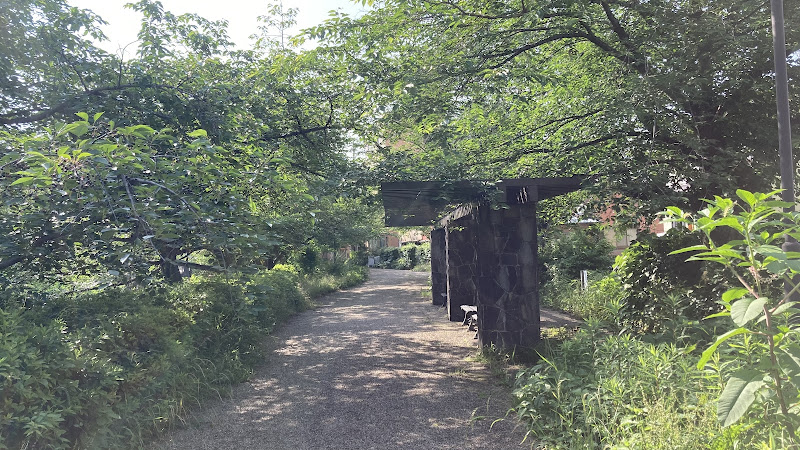
Kanotenjinmachi
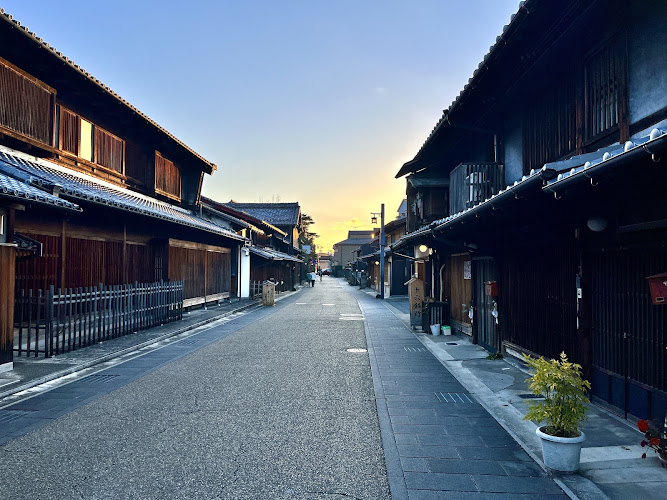
The old townscape of Kawaramachi
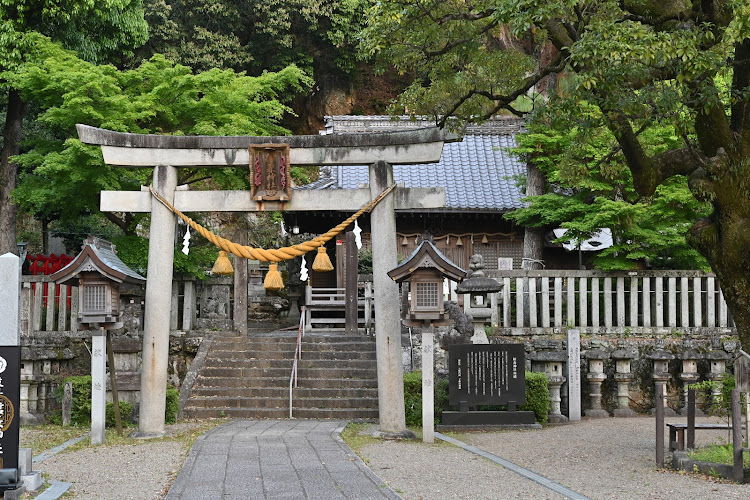
Kashimori Shrine
Find Accommodations Nearby
Recommended Tours & Activities
Visitor Reviews
There are no reviews yet. Be the first one to write one.
Share Your Experience
Have you visited Gifu City Museum of History? Help other travelers by leaving a review.