
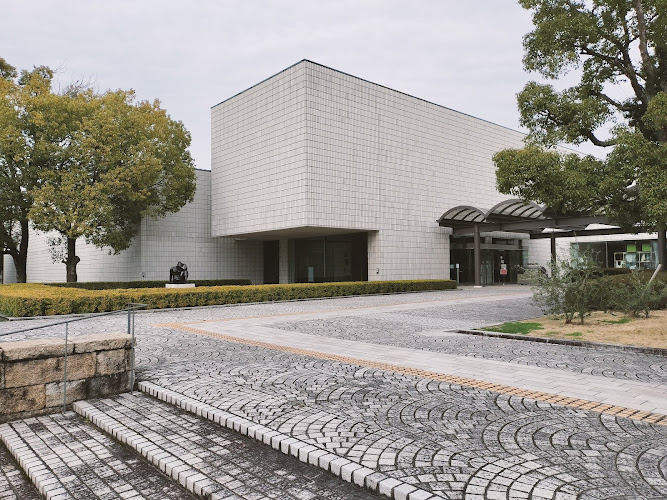
Gifu Prefectural Museum
About Gifu Prefectural Museum
Description
The Gifu Prefectural Museum is one of those places that sneaks up on you. You think you’re just ducking into a regional museum to fill a rainy afternoon, and then two hours later you’re still wandering around, mildly obsessed with a charcoal-eyed creature staring back at you from an Odilon Redon drawing. That happened to me, by the way. I went in thinking I’d skim and leave, and instead I forgot to check my phone for an embarrassingly long time.
This museum sits firmly in the art museum category, but it doesn’t behave like a stiff, academic space. It feels lived-in, thoughtful, and occasionally surprising. The core of its reputation comes from its strong collection of works by French symbolist Odilon Redon. If you know Redon, you already know what you’re in for: dreamlike imagery, strange botanicals, floating heads, and that unsettling calm that lingers after you leave the room. If you don’t know Redon, well, this museum is a very good place to meet him for the first time.
Beyond Redon, the Gifu Prefectural Museum does a solid job showcasing local artists and rotating exhibitions that change the vibe entirely depending on when you visit. One season it might lean toward modern Japanese painting, another time it dives into craft traditions or contemporary interpretations of nature. And yes, sometimes the exhibitions land harder than others. That’s just part of the deal with rotating shows, and honestly, I prefer that to a museum that never takes risks.
The space itself is clean, calm, and thoughtfully laid out. It’s not massive, which I appreciate as a traveler. You don’t need to block out a full day unless you really want to linger. The galleries are well-lit without being harsh, and the flow makes sense. Even if you’re not an art expert, you won’t feel lost or talked down to. The labels are informative but not overwhelming, which is harder to pull off than it sounds.
One thing worth mentioning, especially for families, is that the museum doesn’t feel hostile to kids. I’ve been in too many art museums where children are treated like tiny disasters waiting to happen. Here, the atmosphere is more relaxed. Kids are welcome, and the staff seems used to younger visitors asking loud, honest questions like why does this face look sad or is that a monster. And honestly, those are the best questions.
As a tourist attraction, the museum works well as a cultural counterbalance to Gifu’s outdoor and historical sights. If you’ve been hopping between castles, rivers, and old streets, this place offers a mental reset. It’s quiet without being boring, serious without being heavy. And yes, there are restrooms, seating, and all the practical stuff that matters when you’ve been on your feet all day.
Key Features
- A notable collection of works by French symbolist Odilon Redon, including drawings, prints, and paintings
- Rotating exhibitions that highlight local Gifu artists and broader Japanese art movements
- Wheelchair accessible entrance, parking, and restrooms, making it genuinely inclusive
- A manageable size that allows for a thorough visit without museum fatigue
- Family-friendly atmosphere that doesn’t make kids or parents feel unwelcome
- Clear, well-written exhibit explanations that don’t assume prior art knowledge
- Onsite amenities like restrooms and seating areas for breaks between galleries
Best Time to Visit
The best time to visit the Gifu Prefectural Museum depends a bit on what kind of traveler you are. If you enjoy quiet contemplation and having a gallery almost to yourself, weekday mornings are gold. I once visited on a Tuesday just after opening, and there were moments when I was the only person in the room with Redon’s eerie visions. It felt intimate, almost like snooping through someone’s sketchbook.
Weekends tend to be busier, especially when a popular rotating exhibition is on. That said, it rarely reaches the kind of crowding that makes art viewing stressful. You might wait a moment to stand in front of a particular piece, but it’s manageable. Families often show up late morning or early afternoon, so plan accordingly if you want quieter vibes.
Seasonally, spring and autumn are excellent. Gifu’s weather is more forgiving then, which makes combining the museum with other sightseeing easier. Summer can be hot and humid, and that’s actually when the museum shines as a cool, calm refuge. Winter is quieter overall, and while the light outside is gray, the galleries feel especially cozy.
And a small tip from experience: check what the current exhibition is before you go, if you can. The permanent collection anchors the museum, but the rotating shows can dramatically shape your experience. I’ve gone once when the theme didn’t quite click with me, and another time when I ended up recommending the museum to strangers on the train ride back. Timing matters.
How to Get There
Getting to the Gifu Prefectural Museum is fairly straightforward, though it does require a bit of planning if you’re relying on public transport. From central Gifu areas, trains and buses will get you most of the way, followed by a short walk. The signage is decent, and locals are generally helpful if you look mildly confused, which I often do.
If you’re driving, the museum is easier to access and has parking available, including spaces designed for accessibility. This makes it a good option if you’re exploring Gifu Prefecture more broadly and hopping between sights that aren’t all clustered together.
For travelers based in Nagoya, a day trip is very doable. The journey isn’t complicated, and pairing the museum with other Gifu attractions makes for a nicely balanced itinerary. Just don’t try to cram too much into one day. Art museums deserve breathing room.
Tips for Visiting
First tip: give yourself permission to slow down. This is not a rush-through, take-photos-and-go kind of place. Even if you’re not an art buff, lingering in front of a few pieces can change how you feel about the whole visit. I didn’t expect Redon’s work to stick with me, and then I caught myself thinking about it days later.
Second, don’t skip the rotating exhibition rooms. It’s tempting to focus only on the famous name, but some of the most interesting moments come from discovering local artists you’ve never heard of. I once saw a small, almost hidden piece by a Gifu artist that felt more emotionally direct than anything else that day. Those surprises are why you’re here.
If you’re visiting with kids, set expectations but keep it light. Explain that it’s a quiet place, but also let them react honestly. Their reactions might refresh your own perspective. And yes, the museum is genuinely good for kids, not just in a marketing sense.
Accessibility-wise, the museum does a commendable job. If you or someone in your group uses a wheelchair or needs accessible facilities, you won’t feel like an afterthought. That matters, and it’s worth acknowledging.
Finally, trust your instincts. If a room doesn’t grab you, move on. If a single drawing pulls you in, stay. The Gifu Prefectural Museum rewards curiosity more than expertise. You don’t need to understand symbolism or art history to get something out of it. You just need to be open, and maybe a little patient.
And one last personal aside: I’ve been to flashier museums with bigger names and bigger crowds, but this one stuck with me because it felt honest. Not perfect, not trying too hard. Just a solid, thoughtful place to spend a few hours with art and your own thoughts. For travelers who appreciate that kind of experience, it’s absolutely worth the stop.
Key Features
- A notable collection of works by French symbolist Odilon Redon, including drawings, prints, and paintings
- Rotating exhibitions that highlight local Gifu artists and broader Japanese art movements
- Wheelchair accessible entrance, parking, and restrooms, making it genuinely inclusive
- A manageable size that allows for a thorough visit without museum fatigue
- Family-friendly atmosphere that doesn’t make kids or parents feel unwelcome
- Clear, well-written exhibit explanations that don’t assume prior art knowledge
- Onsite amenities like restrooms and seating areas for breaks between galleries
More Details
Updated December 31, 2025
Table of Contents
Description
The Gifu Prefectural Museum is one of those places that sneaks up on you. You think you’re just ducking into a regional museum to fill a rainy afternoon, and then two hours later you’re still wandering around, mildly obsessed with a charcoal-eyed creature staring back at you from an Odilon Redon drawing. That happened to me, by the way. I went in thinking I’d skim and leave, and instead I forgot to check my phone for an embarrassingly long time.
This museum sits firmly in the art museum category, but it doesn’t behave like a stiff, academic space. It feels lived-in, thoughtful, and occasionally surprising. The core of its reputation comes from its strong collection of works by French symbolist Odilon Redon. If you know Redon, you already know what you’re in for: dreamlike imagery, strange botanicals, floating heads, and that unsettling calm that lingers after you leave the room. If you don’t know Redon, well, this museum is a very good place to meet him for the first time.
Beyond Redon, the Gifu Prefectural Museum does a solid job showcasing local artists and rotating exhibitions that change the vibe entirely depending on when you visit. One season it might lean toward modern Japanese painting, another time it dives into craft traditions or contemporary interpretations of nature. And yes, sometimes the exhibitions land harder than others. That’s just part of the deal with rotating shows, and honestly, I prefer that to a museum that never takes risks.
The space itself is clean, calm, and thoughtfully laid out. It’s not massive, which I appreciate as a traveler. You don’t need to block out a full day unless you really want to linger. The galleries are well-lit without being harsh, and the flow makes sense. Even if you’re not an art expert, you won’t feel lost or talked down to. The labels are informative but not overwhelming, which is harder to pull off than it sounds.
One thing worth mentioning, especially for families, is that the museum doesn’t feel hostile to kids. I’ve been in too many art museums where children are treated like tiny disasters waiting to happen. Here, the atmosphere is more relaxed. Kids are welcome, and the staff seems used to younger visitors asking loud, honest questions like why does this face look sad or is that a monster. And honestly, those are the best questions.
As a tourist attraction, the museum works well as a cultural counterbalance to Gifu’s outdoor and historical sights. If you’ve been hopping between castles, rivers, and old streets, this place offers a mental reset. It’s quiet without being boring, serious without being heavy. And yes, there are restrooms, seating, and all the practical stuff that matters when you’ve been on your feet all day.
Key Features
- A notable collection of works by French symbolist Odilon Redon, including drawings, prints, and paintings
- Rotating exhibitions that highlight local Gifu artists and broader Japanese art movements
- Wheelchair accessible entrance, parking, and restrooms, making it genuinely inclusive
- A manageable size that allows for a thorough visit without museum fatigue
- Family-friendly atmosphere that doesn’t make kids or parents feel unwelcome
- Clear, well-written exhibit explanations that don’t assume prior art knowledge
- Onsite amenities like restrooms and seating areas for breaks between galleries
Best Time to Visit
The best time to visit the Gifu Prefectural Museum depends a bit on what kind of traveler you are. If you enjoy quiet contemplation and having a gallery almost to yourself, weekday mornings are gold. I once visited on a Tuesday just after opening, and there were moments when I was the only person in the room with Redon’s eerie visions. It felt intimate, almost like snooping through someone’s sketchbook.
Weekends tend to be busier, especially when a popular rotating exhibition is on. That said, it rarely reaches the kind of crowding that makes art viewing stressful. You might wait a moment to stand in front of a particular piece, but it’s manageable. Families often show up late morning or early afternoon, so plan accordingly if you want quieter vibes.
Seasonally, spring and autumn are excellent. Gifu’s weather is more forgiving then, which makes combining the museum with other sightseeing easier. Summer can be hot and humid, and that’s actually when the museum shines as a cool, calm refuge. Winter is quieter overall, and while the light outside is gray, the galleries feel especially cozy.
And a small tip from experience: check what the current exhibition is before you go, if you can. The permanent collection anchors the museum, but the rotating shows can dramatically shape your experience. I’ve gone once when the theme didn’t quite click with me, and another time when I ended up recommending the museum to strangers on the train ride back. Timing matters.
How to Get There
Getting to the Gifu Prefectural Museum is fairly straightforward, though it does require a bit of planning if you’re relying on public transport. From central Gifu areas, trains and buses will get you most of the way, followed by a short walk. The signage is decent, and locals are generally helpful if you look mildly confused, which I often do.
If you’re driving, the museum is easier to access and has parking available, including spaces designed for accessibility. This makes it a good option if you’re exploring Gifu Prefecture more broadly and hopping between sights that aren’t all clustered together.
For travelers based in Nagoya, a day trip is very doable. The journey isn’t complicated, and pairing the museum with other Gifu attractions makes for a nicely balanced itinerary. Just don’t try to cram too much into one day. Art museums deserve breathing room.
Tips for Visiting
First tip: give yourself permission to slow down. This is not a rush-through, take-photos-and-go kind of place. Even if you’re not an art buff, lingering in front of a few pieces can change how you feel about the whole visit. I didn’t expect Redon’s work to stick with me, and then I caught myself thinking about it days later.
Second, don’t skip the rotating exhibition rooms. It’s tempting to focus only on the famous name, but some of the most interesting moments come from discovering local artists you’ve never heard of. I once saw a small, almost hidden piece by a Gifu artist that felt more emotionally direct than anything else that day. Those surprises are why you’re here.
If you’re visiting with kids, set expectations but keep it light. Explain that it’s a quiet place, but also let them react honestly. Their reactions might refresh your own perspective. And yes, the museum is genuinely good for kids, not just in a marketing sense.
Accessibility-wise, the museum does a commendable job. If you or someone in your group uses a wheelchair or needs accessible facilities, you won’t feel like an afterthought. That matters, and it’s worth acknowledging.
Finally, trust your instincts. If a room doesn’t grab you, move on. If a single drawing pulls you in, stay. The Gifu Prefectural Museum rewards curiosity more than expertise. You don’t need to understand symbolism or art history to get something out of it. You just need to be open, and maybe a little patient.
And one last personal aside: I’ve been to flashier museums with bigger names and bigger crowds, but this one stuck with me because it felt honest. Not perfect, not trying too hard. Just a solid, thoughtful place to spend a few hours with art and your own thoughts. For travelers who appreciate that kind of experience, it’s absolutely worth the stop.
Key Highlights
- A notable collection of works by French symbolist Odilon Redon, including drawings, prints, and paintings
- Rotating exhibitions that highlight local Gifu artists and broader Japanese art movements
- Wheelchair accessible entrance, parking, and restrooms, making it genuinely inclusive
- A manageable size that allows for a thorough visit without museum fatigue
- Family-friendly atmosphere that doesn’t make kids or parents feel unwelcome
- Clear, well-written exhibit explanations that don’t assume prior art knowledge
- Onsite amenities like restrooms and seating areas for breaks between galleries
Location
Places to Stay Near Gifu Prefectural Museum
Find and Book a Tour
Explore More Travel Guides
No reviews found! Be the first to review!
Traveler Reviews for Gifu Prefectural Museum
There are no reviews yet. Be the first one to write one.
Have you visited Gifu Prefectural Museum? Help other travelers by sharing your review.
You Might Also Like
Kanotenjinmachi

Entokuji

Gifu
Find Accommodations Nearby
Recommended Tours & Activities
Visitor Reviews
There are no reviews yet. Be the first one to write one.
Share Your Experience
Have you visited Gifu Prefectural Museum? Help other travelers by leaving a review.