

Gifu
About Gifu
Description
Gifu sits in central Japan doing its own quiet, confident thing. It’s a city that doesn’t shout for attention, and honestly, that’s part of the appeal. From almost anywhere downtown, Mount Kinka looms in the background, and perched up there is Gifu Castle, watching the city like it always has. The castle view alone explains why warlords once cared so much about this place. On a clear day, the panorama stretches farther than you expect, and you realize Gifu isn’t some small stopover, it’s a crossroads.
The Nagara River cuts through the city, wide and steady, and it shapes daily life more than guidebooks let on. In summer, the river hosts cormorant fishing, a tradition that goes back more than 1,300 years. It’s one of those experiences that sounds gimmicky until you see it in person. Firelight on the water, fishermen calling to the birds, boats gliding in rhythm. The first time this writer saw it, it felt less like a performance and more like time folding in on itself. And yes, the fireworks that follow in summer are loud, chaotic, and fun in that very Japanese way where order somehow survives the noise.
Down at the base of Mount Kinka, Gifu Park feels lived-in rather than polished. Locals walk dogs, kids chase pigeons, and travelers pause before hopping on the ropeway up to the castle. Inside the park sits the Nawa Insect Museum, which sounds niche, and it is, but it’s also strangely fascinating. Thousands of butterflies and beetles, some dazzling, some downright odd-looking. Even people who claim to hate bugs tend to linger longer than planned.
Kawaramachi Street offers a different pace. Wooden lattice storefronts, traditional crafts, and shopkeepers who still remember repeat customers. It’s not a museum street; people live and work here. And if you slow down and actually talk to someone, you’ll hear stories about how little the area has changed, and how much it has. Gifu rewards patience. Rush it, and you’ll miss the point.
Key Features
- Gifu Castle atop Mount Kinka, accessible by cable car or hiking trail
- Nagara River, famous for traditional cormorant fishing and summer fireworks
- Gifu Park with shaded paths, seasonal flowers, and historical monuments
- Nawa Insect Museum featuring thousands of insect specimens
- Kawaramachi Street with traditional wood-latticed craft shops
- Strong local food culture influenced by river fish and mountain produce
- Compact city layout that’s easy to explore on foot or by bicycle
Best Time to Visit
Spring and autumn usually win the popularity contest, and for good reason. Cherry blossoms around Gifu Park and along the river in late March and early April soften the city, while autumn brings crisp air and fiery leaves on Mount Kinka. Autumn might be the better pick if you ask this writer. Less humidity, fewer crowds, and the hike up the mountain feels earned rather than endured.
Summer is hot, no sugarcoating it. But summer is also when Gifu shows off its most iconic traditions. Cormorant fishing runs from May through October, with peak nights in summer. Pair that with fireworks, river breezes, and late dinners by the water, and suddenly the heat feels manageable. Just bring a towel. Locals always do.
Winter is quieter. Snow dusts the castle occasionally, which looks fantastic in photos, but some attractions shorten hours. If you like calm streets and don’t mind bundling up, winter has a certain honesty to it. And fewer tour groups. That alone can be worth it.
How to Get There
Gifu is surprisingly accessible. From Nagoya, it’s a short train ride, often under 30 minutes depending on the line. That makes it easy to visit as a day trip, though staying overnight lets you see the city after the crowds thin out. Trains arrive at Gifu Station, which connects smoothly to buses and taxis.
From Tokyo or Osaka, the Shinkansen to Nagoya followed by a local train is the most straightforward route. No complicated transfers, no guesswork. For travelers renting a car, highways connect Gifu to surrounding regions, but parking in the city center can be hit or miss. Public transport really is easier here.
Once in Gifu, buses head toward Mount Kinka and the river area regularly. Or walk. The city center is manageable, and wandering often leads to better discoveries than following a map too closely. That’s how this writer stumbled into a tiny riverside café one afternoon and ended up chatting with the owner for an hour about fishing seasons and city politics. You don’t plan those moments.
Tips for Visiting
Plan at least one night. Gifu changes after sunset, especially near the river. Evening lights, quieter streets, and a slower rhythm make the city feel more personal.
If you’re taking the ropeway to Gifu Castle, check the weather first. Clear days are worth timing, because the view is the whole point. Cloudy days? Maybe hike instead. The trail is well-maintained and gives you bragging rights.
Cormorant fishing tickets sell out, especially on weekends. Book ahead if this experience matters to you. And it should. It’s not just a show; it’s living history.
Don’t skip Kawaramachi Street just because it looks small on the map. Slow down, talk to shop owners, and look closely at the craftsmanship. Some techniques passed down here aren’t widely practiced anymore.
The insect museum surprises people. Go in with an open mind. Even skeptics often leave impressed. And air-conditioned, which in summer is no small thing.
Cash still matters in smaller shops. Gifu isn’t stuck in the past, but it hasn’t abandoned old habits either.
Lastly, be curious. Gifu doesn’t spoon-feed experiences. It asks you to meet it halfway. Ask questions, take side streets, sit by the river longer than planned. That’s when the city opens up. And when you leave, you’ll probably realize you enjoyed it more than you expected. That’s Gifu’s quiet trick.
Key Features
- Gifu Castle atop Mount Kinka, accessible by cable car or hiking trail
- Nagara River, famous for traditional cormorant fishing and summer fireworks
- Gifu Park with shaded paths, seasonal flowers, and historical monuments
- Nawa Insect Museum featuring thousands of insect specimens
- Kawaramachi Street with traditional wood-latticed craft shops
- Strong local food culture influenced by river fish and mountain produce
- Compact city layout that’s easy to explore on foot or by bicycle
More Details
Updated December 31, 2025
Table of Contents
Description
Gifu sits in central Japan doing its own quiet, confident thing. It’s a city that doesn’t shout for attention, and honestly, that’s part of the appeal. From almost anywhere downtown, Mount Kinka looms in the background, and perched up there is Gifu Castle, watching the city like it always has. The castle view alone explains why warlords once cared so much about this place. On a clear day, the panorama stretches farther than you expect, and you realize Gifu isn’t some small stopover, it’s a crossroads.
The Nagara River cuts through the city, wide and steady, and it shapes daily life more than guidebooks let on. In summer, the river hosts cormorant fishing, a tradition that goes back more than 1,300 years. It’s one of those experiences that sounds gimmicky until you see it in person. Firelight on the water, fishermen calling to the birds, boats gliding in rhythm. The first time this writer saw it, it felt less like a performance and more like time folding in on itself. And yes, the fireworks that follow in summer are loud, chaotic, and fun in that very Japanese way where order somehow survives the noise.
Down at the base of Mount Kinka, Gifu Park feels lived-in rather than polished. Locals walk dogs, kids chase pigeons, and travelers pause before hopping on the ropeway up to the castle. Inside the park sits the Nawa Insect Museum, which sounds niche, and it is, but it’s also strangely fascinating. Thousands of butterflies and beetles, some dazzling, some downright odd-looking. Even people who claim to hate bugs tend to linger longer than planned.
Kawaramachi Street offers a different pace. Wooden lattice storefronts, traditional crafts, and shopkeepers who still remember repeat customers. It’s not a museum street; people live and work here. And if you slow down and actually talk to someone, you’ll hear stories about how little the area has changed, and how much it has. Gifu rewards patience. Rush it, and you’ll miss the point.
Key Features
- Gifu Castle atop Mount Kinka, accessible by cable car or hiking trail
- Nagara River, famous for traditional cormorant fishing and summer fireworks
- Gifu Park with shaded paths, seasonal flowers, and historical monuments
- Nawa Insect Museum featuring thousands of insect specimens
- Kawaramachi Street with traditional wood-latticed craft shops
- Strong local food culture influenced by river fish and mountain produce
- Compact city layout that’s easy to explore on foot or by bicycle
Best Time to Visit
Spring and autumn usually win the popularity contest, and for good reason. Cherry blossoms around Gifu Park and along the river in late March and early April soften the city, while autumn brings crisp air and fiery leaves on Mount Kinka. Autumn might be the better pick if you ask this writer. Less humidity, fewer crowds, and the hike up the mountain feels earned rather than endured.
Summer is hot, no sugarcoating it. But summer is also when Gifu shows off its most iconic traditions. Cormorant fishing runs from May through October, with peak nights in summer. Pair that with fireworks, river breezes, and late dinners by the water, and suddenly the heat feels manageable. Just bring a towel. Locals always do.
Winter is quieter. Snow dusts the castle occasionally, which looks fantastic in photos, but some attractions shorten hours. If you like calm streets and don’t mind bundling up, winter has a certain honesty to it. And fewer tour groups. That alone can be worth it.
How to Get There
Gifu is surprisingly accessible. From Nagoya, it’s a short train ride, often under 30 minutes depending on the line. That makes it easy to visit as a day trip, though staying overnight lets you see the city after the crowds thin out. Trains arrive at Gifu Station, which connects smoothly to buses and taxis.
From Tokyo or Osaka, the Shinkansen to Nagoya followed by a local train is the most straightforward route. No complicated transfers, no guesswork. For travelers renting a car, highways connect Gifu to surrounding regions, but parking in the city center can be hit or miss. Public transport really is easier here.
Once in Gifu, buses head toward Mount Kinka and the river area regularly. Or walk. The city center is manageable, and wandering often leads to better discoveries than following a map too closely. That’s how this writer stumbled into a tiny riverside café one afternoon and ended up chatting with the owner for an hour about fishing seasons and city politics. You don’t plan those moments.
Tips for Visiting
Plan at least one night. Gifu changes after sunset, especially near the river. Evening lights, quieter streets, and a slower rhythm make the city feel more personal.
If you’re taking the ropeway to Gifu Castle, check the weather first. Clear days are worth timing, because the view is the whole point. Cloudy days? Maybe hike instead. The trail is well-maintained and gives you bragging rights.
Cormorant fishing tickets sell out, especially on weekends. Book ahead if this experience matters to you. And it should. It’s not just a show; it’s living history.
Don’t skip Kawaramachi Street just because it looks small on the map. Slow down, talk to shop owners, and look closely at the craftsmanship. Some techniques passed down here aren’t widely practiced anymore.
The insect museum surprises people. Go in with an open mind. Even skeptics often leave impressed. And air-conditioned, which in summer is no small thing.
Cash still matters in smaller shops. Gifu isn’t stuck in the past, but it hasn’t abandoned old habits either.
Lastly, be curious. Gifu doesn’t spoon-feed experiences. It asks you to meet it halfway. Ask questions, take side streets, sit by the river longer than planned. That’s when the city opens up. And when you leave, you’ll probably realize you enjoyed it more than you expected. That’s Gifu’s quiet trick.
Key Highlights
- Gifu Castle atop Mount Kinka, accessible by cable car or hiking trail
- Nagara River, famous for traditional cormorant fishing and summer fireworks
- Gifu Park with shaded paths, seasonal flowers, and historical monuments
- Nawa Insect Museum featuring thousands of insect specimens
- Kawaramachi Street with traditional wood-latticed craft shops
- Strong local food culture influenced by river fish and mountain produce
- Compact city layout that’s easy to explore on foot or by bicycle
Location
Places to Stay Near Gifu
Find and Book a Tour
Explore More Travel Guides
No reviews found! Be the first to review!
Traveler Reviews for Gifu
There are no reviews yet. Be the first one to write one.
Have you visited Gifu? Help other travelers by sharing your review.
You Might Also Like
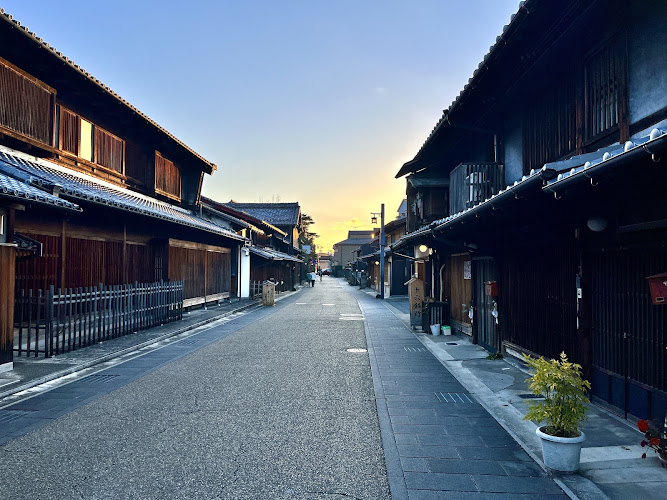
The old townscape of Kawaramachi
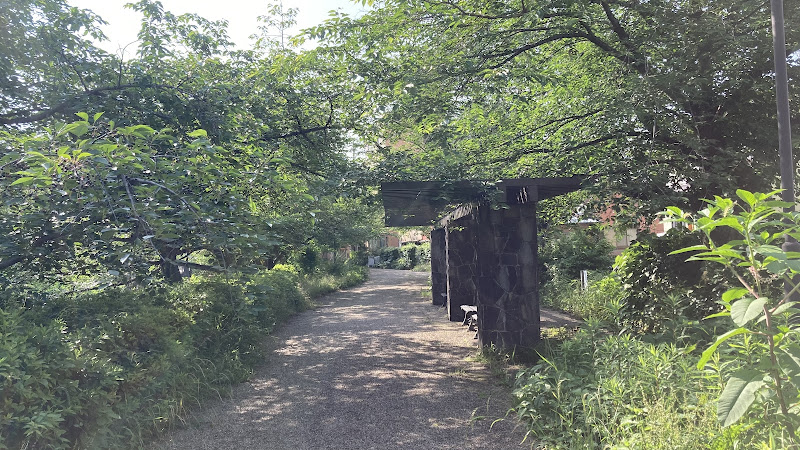
Kanotenjinmachi

Entokuji
Find Accommodations Nearby
Recommended Tours & Activities
Visitor Reviews
There are no reviews yet. Be the first one to write one.
Share Your Experience
Have you visited Gifu? Help other travelers by leaving a review.