Kanotenjinmachi
About Kanotenjinmachi
Description
Kanotenjinmachi is one of those places that doesn’t shout for your attention. It just sits there, quietly confident, waiting for travelers who like to wander without a checklist. Located in central Japan, this neighborhood has grown around a Tenjin shrine area, and you can feel that scholarly, slightly old-soul atmosphere the moment you arrive. Streets are narrow, buildings sit low, and there’s a sense that daily life still matters here more than tourism. And honestly, that’s why it works.
Walking through Kanotenjinmachi feels like flipping through a notebook filled with marginalia. The main story is history, sure, but the little side notes are what stick with you: a handwritten sign outside a family-run shop, the smell of grilled fish drifting out of a tiny eatery, an elderly man watering plants like he’s been doing the same route for decades. I remember stopping here on a weekday afternoon, thinking I’d stay fifteen minutes. I ended up lingering for nearly two hours, doing nothing particularly important, which is kind of the point.
The area takes its name from Tenjin, the deity of learning, and that influence shows up in subtle ways. You’ll notice students popping by to pray for exam success, small stationery shops selling charms, and plaques explaining local legends. It’s not flashy history. It’s lived-in history. Some travelers find it underwhelming at first glance, and I get that. But if you slow your pace, Kanotenjinmachi starts to open up, like someone who doesn’t talk much until you ask the right question.
What I appreciate most is the balance. It’s not frozen in time, yet it hasn’t been overly polished either. Modern apartments sit beside wooden homes. Convenience stores coexist with old confectionery shops that still wrap sweets in paper by hand. You won’t be dodging tour buses here. Instead, you’ll be sharing space with locals going about their routines. For travelers craving something real, not curated, this place quietly delivers.
Key Features
- Traditional streetscape centered around a historic Tenjin shrine area
- Local shops that focus on everyday goods rather than souvenirs
- A calm, residential feel that contrasts with busier city districts
- Seasonal festivals and small shrine events tied to academic success
- Walkable layout ideal for slow exploration and photography
- Food spots that prioritize comfort and familiarity over trends
One thing worth pointing out is how approachable everything feels. You don’t need a guide, an app, or a plan. Just walk. And maybe get a snack. I had a simple bowl of noodles here once that I still think about, mostly because the owner insisted I sit down even though I was planning to eat quickly. That kind of warmth doesn’t show up in guidebooks.
Best Time to Visit
Kanotenjinmachi doesn’t have a bad season, but it definitely has moods. Spring is gentle and probably the most forgiving for first-time visitors. Cherry blossoms appear around the shrine grounds and along nearby streets, and the whole area feels lighter somehow. You’ll see students visiting in groups, laughing nervously before exams, tying prayer slips with very serious expressions. It’s oddly touching.
Summer can be hot, no way around it. But early mornings and late afternoons are lovely, especially when cicadas kick up their relentless soundtrack. Local festivals tend to happen around this time, and while they’re not massive, they feel intimate. You might stumble upon food stalls or a small procession without any warning. That surprise factor is half the fun.
Autumn is my personal favorite. The air sharpens, leaves change, and the streets feel tailor-made for wandering. It’s also a great time for photography if you’re into textures and shadows. Winter is quiet, sometimes very quiet, and that’s not for everyone. But if you like reflective travel, fewer people, and seeing how a neighborhood breathes when nothing special is happening, winter has its own appeal.
How to Get There
Getting to Kanotenjinmachi is straightforward if you’re already in the region. Public transportation will get you close enough, and from there it’s a short walk. Trains and buses are reliable, as you’d expect in Japan, and signage is usually clear, though not always in English. Still, this is a manageable area even if you don’t speak the language. I’ve navigated it with nothing but a vague sense of direction and a lot of confidence, which is not always a winning combo, but it worked here.
If you’re driving, be aware that parking can be limited on smaller streets. It’s better to park slightly farther out and walk in. Honestly, walking is part of the experience anyway. You notice more. You hear more. You’re less likely to miss that tiny shop tucked between two houses.
Once you arrive, everything you want to see is close together. This isn’t a place where you’re hopping back on transport every ten minutes. It’s designed, intentionally or not, for feet not wheels.
Tips for Visiting
First tip: slow down. I know that sounds obvious, but Kanotenjinmachi punishes rushing. You’ll walk through it too fast and wonder what the fuss was about. Give it time. Sit on a bench. Watch people pass. That’s when it clicks.
Second, don’t be shy. If you step into a small shop or eatery, a smile goes a long way. Even with language barriers, interactions here tend to be warm. I’ve had more spontaneous conversations in places like this than in bigger tourist zones.
Third, manage expectations. This isn’t a highlight-reel destination. It’s subtle. Some visitors love it instantly; others shrug and move on. Both reactions are fair. If you’re the type who enjoys atmosphere over attractions, you’ll probably leave happy.
Also, check local calendars if you can. Small shrine events aren’t always advertised widely, but if you happen to be there during one, it adds a layer to the visit. And please be respectful around religious spaces. This is a living community, not a museum.
Finally, wear comfortable shoes. The streets invite wandering, detours, and the occasional wrong turn that turns out to be the best part of the day. I once got lost here and ended up at a tiny café that didn’t even have a menu. The owner just made whatever was ready. It was perfect.
Kanotenjinmachi isn’t trying to impress you. And maybe that’s exactly why it stays with you. For travelers who value quiet stories, everyday beauty, and places that feel honest, it’s well worth the time.
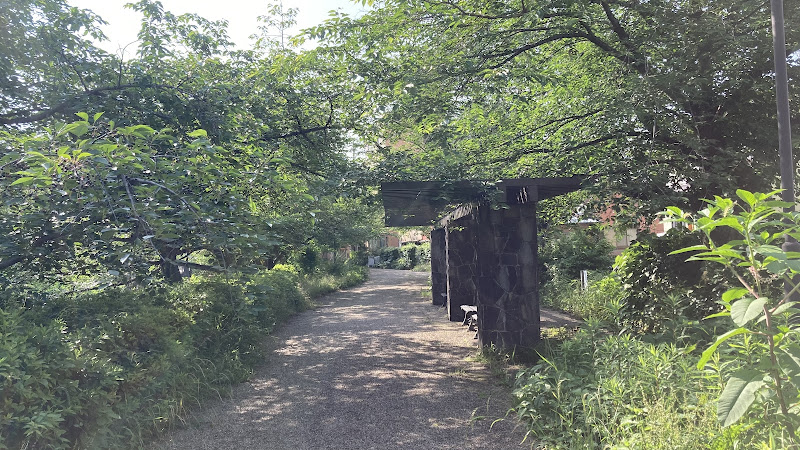
Key Features
- Traditional streetscape centered around a historic Tenjin shrine area
- Local shops that focus on everyday goods rather than souvenirs
- A calm, residential feel that contrasts with busier city districts
- Seasonal festivals and small shrine events tied to academic success
- Walkable layout ideal for slow exploration and photography
- Food spots that prioritize comfort and familiarity over trends
More Details
Updated December 31, 2025
Table of Contents
Description
Kanotenjinmachi is one of those places that doesn’t shout for your attention. It just sits there, quietly confident, waiting for travelers who like to wander without a checklist. Located in central Japan, this neighborhood has grown around a Tenjin shrine area, and you can feel that scholarly, slightly old-soul atmosphere the moment you arrive. Streets are narrow, buildings sit low, and there’s a sense that daily life still matters here more than tourism. And honestly, that’s why it works.
Walking through Kanotenjinmachi feels like flipping through a notebook filled with marginalia. The main story is history, sure, but the little side notes are what stick with you: a handwritten sign outside a family-run shop, the smell of grilled fish drifting out of a tiny eatery, an elderly man watering plants like he’s been doing the same route for decades. I remember stopping here on a weekday afternoon, thinking I’d stay fifteen minutes. I ended up lingering for nearly two hours, doing nothing particularly important, which is kind of the point.
The area takes its name from Tenjin, the deity of learning, and that influence shows up in subtle ways. You’ll notice students popping by to pray for exam success, small stationery shops selling charms, and plaques explaining local legends. It’s not flashy history. It’s lived-in history. Some travelers find it underwhelming at first glance, and I get that. But if you slow your pace, Kanotenjinmachi starts to open up, like someone who doesn’t talk much until you ask the right question.
What I appreciate most is the balance. It’s not frozen in time, yet it hasn’t been overly polished either. Modern apartments sit beside wooden homes. Convenience stores coexist with old confectionery shops that still wrap sweets in paper by hand. You won’t be dodging tour buses here. Instead, you’ll be sharing space with locals going about their routines. For travelers craving something real, not curated, this place quietly delivers.
Key Features
- Traditional streetscape centered around a historic Tenjin shrine area
- Local shops that focus on everyday goods rather than souvenirs
- A calm, residential feel that contrasts with busier city districts
- Seasonal festivals and small shrine events tied to academic success
- Walkable layout ideal for slow exploration and photography
- Food spots that prioritize comfort and familiarity over trends
One thing worth pointing out is how approachable everything feels. You don’t need a guide, an app, or a plan. Just walk. And maybe get a snack. I had a simple bowl of noodles here once that I still think about, mostly because the owner insisted I sit down even though I was planning to eat quickly. That kind of warmth doesn’t show up in guidebooks.
Best Time to Visit
Kanotenjinmachi doesn’t have a bad season, but it definitely has moods. Spring is gentle and probably the most forgiving for first-time visitors. Cherry blossoms appear around the shrine grounds and along nearby streets, and the whole area feels lighter somehow. You’ll see students visiting in groups, laughing nervously before exams, tying prayer slips with very serious expressions. It’s oddly touching.
Summer can be hot, no way around it. But early mornings and late afternoons are lovely, especially when cicadas kick up their relentless soundtrack. Local festivals tend to happen around this time, and while they’re not massive, they feel intimate. You might stumble upon food stalls or a small procession without any warning. That surprise factor is half the fun.
Autumn is my personal favorite. The air sharpens, leaves change, and the streets feel tailor-made for wandering. It’s also a great time for photography if you’re into textures and shadows. Winter is quiet, sometimes very quiet, and that’s not for everyone. But if you like reflective travel, fewer people, and seeing how a neighborhood breathes when nothing special is happening, winter has its own appeal.
How to Get There
Getting to Kanotenjinmachi is straightforward if you’re already in the region. Public transportation will get you close enough, and from there it’s a short walk. Trains and buses are reliable, as you’d expect in Japan, and signage is usually clear, though not always in English. Still, this is a manageable area even if you don’t speak the language. I’ve navigated it with nothing but a vague sense of direction and a lot of confidence, which is not always a winning combo, but it worked here.
If you’re driving, be aware that parking can be limited on smaller streets. It’s better to park slightly farther out and walk in. Honestly, walking is part of the experience anyway. You notice more. You hear more. You’re less likely to miss that tiny shop tucked between two houses.
Once you arrive, everything you want to see is close together. This isn’t a place where you’re hopping back on transport every ten minutes. It’s designed, intentionally or not, for feet not wheels.
Tips for Visiting
First tip: slow down. I know that sounds obvious, but Kanotenjinmachi punishes rushing. You’ll walk through it too fast and wonder what the fuss was about. Give it time. Sit on a bench. Watch people pass. That’s when it clicks.
Second, don’t be shy. If you step into a small shop or eatery, a smile goes a long way. Even with language barriers, interactions here tend to be warm. I’ve had more spontaneous conversations in places like this than in bigger tourist zones.
Third, manage expectations. This isn’t a highlight-reel destination. It’s subtle. Some visitors love it instantly; others shrug and move on. Both reactions are fair. If you’re the type who enjoys atmosphere over attractions, you’ll probably leave happy.
Also, check local calendars if you can. Small shrine events aren’t always advertised widely, but if you happen to be there during one, it adds a layer to the visit. And please be respectful around religious spaces. This is a living community, not a museum.
Finally, wear comfortable shoes. The streets invite wandering, detours, and the occasional wrong turn that turns out to be the best part of the day. I once got lost here and ended up at a tiny café that didn’t even have a menu. The owner just made whatever was ready. It was perfect.
Kanotenjinmachi isn’t trying to impress you. And maybe that’s exactly why it stays with you. For travelers who value quiet stories, everyday beauty, and places that feel honest, it’s well worth the time.

Key Highlights
- Traditional streetscape centered around a historic Tenjin shrine area
- Local shops that focus on everyday goods rather than souvenirs
- A calm, residential feel that contrasts with busier city districts
- Seasonal festivals and small shrine events tied to academic success
- Walkable layout ideal for slow exploration and photography
- Food spots that prioritize comfort and familiarity over trends
Location
Places to Stay Near Kanotenjinmachi
Find and Book a Tour
Explore More Travel Guides
No reviews found! Be the first to review!
Traveler Reviews for Kanotenjinmachi
There are no reviews yet. Be the first one to write one.
Have you visited Kanotenjinmachi? Help other travelers by sharing your review.
Find Accommodations Nearby
Recommended Tours & Activities
Visitor Reviews
There are no reviews yet. Be the first one to write one.
Share Your Experience
Have you visited Kanotenjinmachi? Help other travelers by leaving a review.