Kashimori Shrine
About Kashimori Shrine
Description
Kashimori Shrine is one of those places that doesn’t shout for attention, and honestly, that’s part of its charm. It sits quietly, doing its thing, while travelers like you wander in expecting maybe a quick look—and end up lingering longer than planned. This Shinto shrine is dedicated to deities associated with protection, well-being, and everyday luck. Not flashy luck, either. More like the kind you need to get through regular life: health, safety, and steady progress. And yeah, I know that sounds vague, but once you’re there, it oddly makes sense.
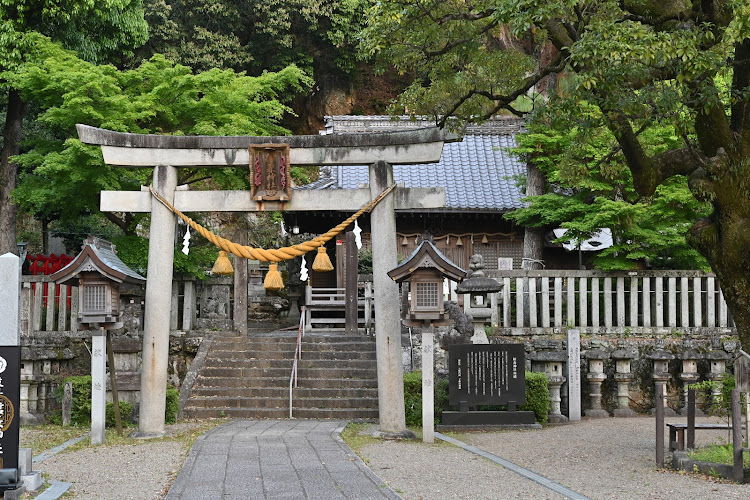
The grounds feel lived-in, not staged. You can tell locals come here often, probably before work or on weekends, to pray, think, or just breathe for a minute. When I visited, there was a man carefully sweeping fallen leaves near the torii gate, taking his time, no rush at all. That slow rhythm kind of sets the tone for the whole place. If you’re coming from a packed itinerary of temples and shrines, Kashimori Shrine feels like a pause button.
Architecturally, it follows traditional Shinto design, but without heavy ornamentation. The main hall is modest, the colors restrained, and the details reveal themselves slowly. I remember thinking, And that’s it? at first. But then I noticed the carvings, the rope at the offering box, the way the light hit the wooden beams. It’s subtle beauty. The kind you miss if you’re busy chasing Instagram shots.
It’s also worth mentioning that Kashimori Shrine doesn’t try to be overly tourist-friendly. Signage is minimal. English explanations are limited. But don’t let that scare you off. In a weird way, it makes the experience feel more genuine. You’re stepping into a place that exists primarily for worship, not for visitors. And if you’re respectful, you’re welcome to observe and participate quietly.
Emotionally, the shrine leans calm rather than awe-inspiring. People don’t come here to be blown away. They come to reset. You might hear the clack of wooden prayer plaques, a distant bell, or just the wind through trees. No loud tour groups when I was there, which felt like a small miracle. If you’re the kind of traveler who values atmosphere over spectacle, this spot hits the mark.
Key Features
- Traditional Shinto architecture with a simple, understated design that rewards close observation
- A peaceful atmosphere popular with locals rather than large tour groups
- Prayer areas dedicated to protection, health, and steady good fortune
- Availability of shuin for visitors who collect shrine stamps, done in a calm, unhurried manner
- Restroom facilities on-site, which honestly matters more than guidebooks admit
- Seasonal changes that subtly transform the mood of the grounds throughout the year
One thing I personally appreciated was how uncommercial the place feels. There are a few items you can purchase, like omamori charms, but it doesn’t feel like a shop disguised as a shrine. And that’s refreshing. Some places blur that line too much, in my opinion.
Best Time to Visit
The best time to visit Kashimori Shrine depends on what kind of experience you’re after. Early mornings are gold. I went once just after opening hours, and the air felt cleaner somehow. Fewer people, more birds, and that soft morning light that makes wooden structures glow. If you’re a photographer, morning is your friend, even if you’re not chasing dramatic shots.
Late afternoons are also pleasant, especially if you enjoy watching shadows stretch across the grounds. But weekends can get a bit busier, mostly with locals stopping by. It never feels overcrowded, but the energy shifts slightly. More conversations, more footsteps, more life. That’s not a bad thing, just different.
Season-wise, spring and autumn are standout periods. Spring brings new growth and a sense of renewal, which fits the shrine’s purpose nicely. Autumn adds color and a cooler breeze, making it easier to slow down and linger. Summer can be humid, and winter is quiet, sometimes almost stark. I kind of like winter there, though. It strips everything back to basics.
One thing to note: special festivals or ceremonial days can change the vibe completely. Drums, chants, and traditional attire add intensity and color. If you stumble upon one, consider yourself lucky. But if you prefer solitude, check the calendar or ask locally before going.
How to Get There
Getting to Kashimori Shrine is fairly straightforward if you’re comfortable using public transportation. Most travelers arrive by train and then walk the remaining distance. The walk itself is part of the experience, passing through ordinary streets that slowly give way to something more reflective. It’s not one of those shrines hidden deep in the mountains, so accessibility in general is decent—just not designed with wheelchairs in mind, unfortunately.
If you’re navigating with a map app, double-check the shrine’s name in Japanese to avoid confusion. I learned that the hard way once and ended up at a completely different place. Not a disaster, but mildly annoying when you’re hungry and your feet hurt.
Taxis are an option if you’re short on time or energy. Drivers usually know the shrine, or at least recognize the area. Just keep in mind that the final approach may involve a short walk regardless of how you arrive.
Tips for Visiting
First tip: slow down. Seriously. Kashimori Shrine isn’t meant to be rushed. Take a moment at the entrance, bow, and mentally switch gears. I didn’t do that on my first visit and felt oddly disconnected. The second time, I took a breath before entering, and the difference was noticeable.
Second, observe before acting. If you’re unsure how to pray or where to stand, watch what locals do. There’s no rush, and no one expects perfection from visitors. Respect matters more than accuracy.
Third, bring cash if you want to buy charms or make offerings. Not everywhere accepts cards, and this shrine keeps things traditional. I once had to awkwardly pat my pockets and walk away empty-handed. Learn from my mistake.
Fourth, dress comfortably and modestly. There’s no strict dress code, but showing respect through clothing goes a long way. And wear shoes you can walk in. You might think you’ll be there for ten minutes. You probably won’t.
Lastly, manage expectations. Kashimori Shrine won’t overwhelm you with size or spectacle. What it offers is quieter: a chance to feel grounded, to step briefly out of travel mode and into something more reflective. For some travelers, that’s exactly what they didn’t know they needed.
And one more thing, kind of an aside. If you’re collecting experiences rather than just photos, this shrine delivers. You leave with a feeling rather than an image. Those are rarer, and they tend to stick around longer than any snapshot ever could.
Key Features
- Traditional Shinto architecture with a simple, understated design that rewards close observation
- A peaceful atmosphere popular with locals rather than large tour groups
- Prayer areas dedicated to protection, health, and steady good fortune
- Availability of shuin for visitors who collect shrine stamps, done in a calm, unhurried manner
- Restroom facilities on-site, which honestly matters more than guidebooks admit
- Seasonal changes that subtly transform the mood of the grounds throughout the year
More Details
Updated December 31, 2025
Table of Contents
Description
Kashimori Shrine is one of those places that doesn’t shout for attention, and honestly, that’s part of its charm. It sits quietly, doing its thing, while travelers like you wander in expecting maybe a quick look—and end up lingering longer than planned. This Shinto shrine is dedicated to deities associated with protection, well-being, and everyday luck. Not flashy luck, either. More like the kind you need to get through regular life: health, safety, and steady progress. And yeah, I know that sounds vague, but once you’re there, it oddly makes sense.
The grounds feel lived-in, not staged. You can tell locals come here often, probably before work or on weekends, to pray, think, or just breathe for a minute. When I visited, there was a man carefully sweeping fallen leaves near the torii gate, taking his time, no rush at all. That slow rhythm kind of sets the tone for the whole place. If you’re coming from a packed itinerary of temples and shrines, Kashimori Shrine feels like a pause button.
Architecturally, it follows traditional Shinto design, but without heavy ornamentation. The main hall is modest, the colors restrained, and the details reveal themselves slowly. I remember thinking, And that’s it? at first. But then I noticed the carvings, the rope at the offering box, the way the light hit the wooden beams. It’s subtle beauty. The kind you miss if you’re busy chasing Instagram shots.
It’s also worth mentioning that Kashimori Shrine doesn’t try to be overly tourist-friendly. Signage is minimal. English explanations are limited. But don’t let that scare you off. In a weird way, it makes the experience feel more genuine. You’re stepping into a place that exists primarily for worship, not for visitors. And if you’re respectful, you’re welcome to observe and participate quietly.
Emotionally, the shrine leans calm rather than awe-inspiring. People don’t come here to be blown away. They come to reset. You might hear the clack of wooden prayer plaques, a distant bell, or just the wind through trees. No loud tour groups when I was there, which felt like a small miracle. If you’re the kind of traveler who values atmosphere over spectacle, this spot hits the mark.
Key Features
- Traditional Shinto architecture with a simple, understated design that rewards close observation
- A peaceful atmosphere popular with locals rather than large tour groups
- Prayer areas dedicated to protection, health, and steady good fortune
- Availability of shuin for visitors who collect shrine stamps, done in a calm, unhurried manner
- Restroom facilities on-site, which honestly matters more than guidebooks admit
- Seasonal changes that subtly transform the mood of the grounds throughout the year
One thing I personally appreciated was how uncommercial the place feels. There are a few items you can purchase, like omamori charms, but it doesn’t feel like a shop disguised as a shrine. And that’s refreshing. Some places blur that line too much, in my opinion.
Best Time to Visit
The best time to visit Kashimori Shrine depends on what kind of experience you’re after. Early mornings are gold. I went once just after opening hours, and the air felt cleaner somehow. Fewer people, more birds, and that soft morning light that makes wooden structures glow. If you’re a photographer, morning is your friend, even if you’re not chasing dramatic shots.
Late afternoons are also pleasant, especially if you enjoy watching shadows stretch across the grounds. But weekends can get a bit busier, mostly with locals stopping by. It never feels overcrowded, but the energy shifts slightly. More conversations, more footsteps, more life. That’s not a bad thing, just different.
Season-wise, spring and autumn are standout periods. Spring brings new growth and a sense of renewal, which fits the shrine’s purpose nicely. Autumn adds color and a cooler breeze, making it easier to slow down and linger. Summer can be humid, and winter is quiet, sometimes almost stark. I kind of like winter there, though. It strips everything back to basics.
One thing to note: special festivals or ceremonial days can change the vibe completely. Drums, chants, and traditional attire add intensity and color. If you stumble upon one, consider yourself lucky. But if you prefer solitude, check the calendar or ask locally before going.
How to Get There
Getting to Kashimori Shrine is fairly straightforward if you’re comfortable using public transportation. Most travelers arrive by train and then walk the remaining distance. The walk itself is part of the experience, passing through ordinary streets that slowly give way to something more reflective. It’s not one of those shrines hidden deep in the mountains, so accessibility in general is decent—just not designed with wheelchairs in mind, unfortunately.
If you’re navigating with a map app, double-check the shrine’s name in Japanese to avoid confusion. I learned that the hard way once and ended up at a completely different place. Not a disaster, but mildly annoying when you’re hungry and your feet hurt.
Taxis are an option if you’re short on time or energy. Drivers usually know the shrine, or at least recognize the area. Just keep in mind that the final approach may involve a short walk regardless of how you arrive.
Tips for Visiting
First tip: slow down. Seriously. Kashimori Shrine isn’t meant to be rushed. Take a moment at the entrance, bow, and mentally switch gears. I didn’t do that on my first visit and felt oddly disconnected. The second time, I took a breath before entering, and the difference was noticeable.
Second, observe before acting. If you’re unsure how to pray or where to stand, watch what locals do. There’s no rush, and no one expects perfection from visitors. Respect matters more than accuracy.
Third, bring cash if you want to buy charms or make offerings. Not everywhere accepts cards, and this shrine keeps things traditional. I once had to awkwardly pat my pockets and walk away empty-handed. Learn from my mistake.
Fourth, dress comfortably and modestly. There’s no strict dress code, but showing respect through clothing goes a long way. And wear shoes you can walk in. You might think you’ll be there for ten minutes. You probably won’t.
Lastly, manage expectations. Kashimori Shrine won’t overwhelm you with size or spectacle. What it offers is quieter: a chance to feel grounded, to step briefly out of travel mode and into something more reflective. For some travelers, that’s exactly what they didn’t know they needed.
And one more thing, kind of an aside. If you’re collecting experiences rather than just photos, this shrine delivers. You leave with a feeling rather than an image. Those are rarer, and they tend to stick around longer than any snapshot ever could.

Key Highlights
- Traditional Shinto architecture with a simple, understated design that rewards close observation
- A peaceful atmosphere popular with locals rather than large tour groups
- Prayer areas dedicated to protection, health, and steady good fortune
- Availability of shuin for visitors who collect shrine stamps, done in a calm, unhurried manner
- Restroom facilities on-site, which honestly matters more than guidebooks admit
- Seasonal changes that subtly transform the mood of the grounds throughout the year
Location
Places to Stay Near Kashimori Shrine
Find and Book a Tour
Explore More Travel Guides
No reviews found! Be the first to review!
Traveler Reviews for Kashimori Shrine
There are no reviews yet. Be the first one to write one.
Have you visited Kashimori Shrine? Help other travelers by sharing your review.
Find Accommodations Nearby
Recommended Tours & Activities
Visitor Reviews
There are no reviews yet. Be the first one to write one.
Share Your Experience
Have you visited Kashimori Shrine? Help other travelers by leaving a review.