
The old townscape of Kawaramachi
About The old townscape of Kawaramachi
Description
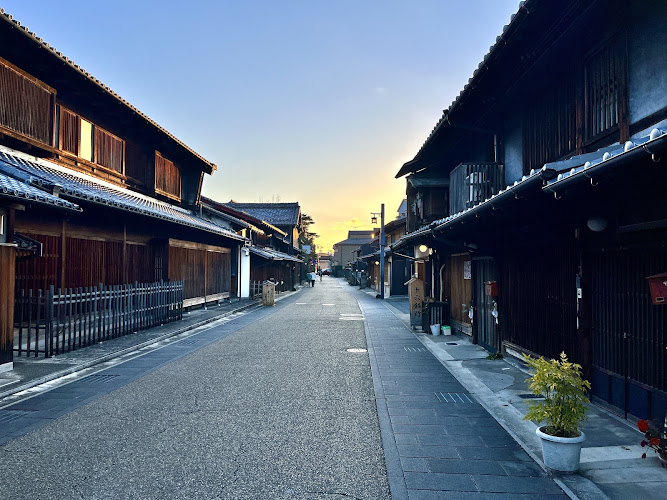
The old townscape of Kawaramachi is one of those places that quietly messes with your sense of time. One minute you’re checking your phone for directions, the next you’re walking past wooden townhouses that look like they’ve been standing there since before electricity was a good idea. This area is all about strolling. No rushing, no checklist tourism, just letting your feet decide where to go next. And honestly, that’s the only way it really works.
Kawaramachi’s old townscape isn’t polished to perfection, and that’s kind of the point. Some buildings lean a bit. Others show patched-up walls or faded shop signs that hint at businesses long gone. But that lived-in feel gives the area credibility. It doesn’t feel like a movie set. It feels like a place where people actually lived, worked, argued, raised kids, and probably complained about the weather just like we do now.
The streets are narrow enough that you naturally slow down. Cars pass through, sure, but they don’t dominate. Most visitors end up wandering, stopping for photos they didn’t plan to take, peeking into small shops, or watching locals go about their daily routines. And if you’re traveling with kids, it’s surprisingly manageable. The pace is gentle, there’s space to explore safely, and there’s always something curious to look at. My own memory of visiting a similar townscape involved a child pointing out every single wooden door like it was a treasure hunt, and Kawaramachi has that same energy.
Not everyone falls in love instantly, and that’s fair. Some travelers expect grand landmarks or dramatic sights and feel underwhelmed at first. But give it time. This is a place that rewards patience. The longer you stay, the more details reveal themselves: carved beams above doorways, old storehouses tucked behind modern cafes, the way sunlight hits the street in late afternoon. It grows on you, slowly but surely.
Key Features
- Traditional wooden townhouses that reflect everyday life from earlier eras, not just elite history.
- Walkable streets designed more for people than vehicles, ideal for unhurried exploring.
- A mix of old businesses and newer shops that respect the historic setting.
- Photogenic corners that change character depending on the time of day and weather.
- A family-friendly atmosphere where children can safely walk and observe.
- Quiet residential touches that make the area feel authentic, not staged.
One thing worth noting is how normal life blends into the scenery. Laundry hanging behind a historic facade. A bicycle leaning against a centuries-old wall. These aren’t flaws; they’re the soul of the place. And if you’re the type who likes destinations that feel real, not frozen in time, you’ll appreciate that mix.
Best Time to Visit
The old townscape of Kawaramachi changes with the seasons, and each has its own mood. Spring brings soft light and a gentle buzz, especially when people seem a little happier just being outside. Summer can be warm, sometimes sticky, but early mornings and late afternoons are magical. The streets are quieter then, and the shadows stretch in interesting ways. Autumn is probably the sweet spot if you ask me. Cooler air, richer colors, and that calm feeling that makes you want to walk slower for no real reason.
Winter strips things back. Fewer visitors, fewer distractions. If you don’t mind colder temperatures, it’s a wonderful time to see the townscape at its most honest. There’s something about wooden buildings against a pale winter sky that sticks with you.
As for time of day, late afternoon into early evening is hard to beat. Shops begin to close, lights flicker on, and the area feels more local than touristy. Midday is busier, especially during peak travel seasons, but even then it rarely feels overwhelming. And if you’re traveling with kids, mornings tend to be calmer and easier.
How to Get There
Reaching the old townscape of Kawaramachi is generally straightforward, especially if you’re already in a nearby city or town. Public transportation does most of the heavy lifting, and walking from the nearest stop is part of the experience rather than a chore. The approach matters here. Arriving on foot lets you ease into the atmosphere instead of being dropped right into the middle of it.
If you’re using local transit, expect a short walk through modern streets before the scenery starts to change. That contrast is actually nice. It makes the transition into the old townscape more noticeable, like stepping through an invisible doorway. For those driving, parking can be limited, so patience helps. But once you’re there, you won’t need any vehicle. This is a place best explored step by step.
And a small tip from personal trial and error: don’t rely solely on digital maps once you arrive. Let yourself get a little lost. The area isn’t huge, and wandering often leads to the best moments.
Tips for Visiting
First, wear comfortable shoes. It sounds obvious, but you’d be surprised how many people underestimate how much they’ll walk. The streets invite wandering, and you’ll want to say yes to that invitation.
Second, slow down. This isn’t a place to rush through in 30 minutes. Give it at least a couple of hours, more if you enjoy photography or quiet observation. Sit for a bit. Watch people pass. Listen to the sounds. It’s amazing what you notice when you stop trying to do everything.
If you’re visiting with children, turn the walk into a game. Spot different types of doors, count old signboards, look for tiny details carved into wood. It keeps them engaged and makes the experience more memorable for everyone.
Respect the fact that people live here. This sounds obvious, but it’s worth saying. Keep voices down, avoid blocking entrances for photos, and treat the area like someone else’s neighborhood, because it is. That respect goes a long way and keeps the atmosphere pleasant.
Lastly, manage expectations. The old townscape of Kawaramachi isn’t flashy. It won’t overwhelm you with scale or spectacle. But if you’re open to subtlety, to history that whispers instead of shouts, you’ll likely leave feeling quietly satisfied. And sometimes, those are the places that stick with you the longest. I still think about streets like this years later, usually when I’m stuck somewhere noisy and wishing I were walking slowly, nowhere in particular, with time to spare.
Key Features
- Traditional wooden townhouses that reflect everyday life from earlier eras, not just elite history.
- Walkable streets designed more for people than vehicles, ideal for unhurried exploring.
- A mix of old businesses and newer shops that respect the historic setting.
- Photogenic corners that change character depending on the time of day and weather.
- A family-friendly atmosphere where children can safely walk and observe.
- Quiet residential touches that make the area feel authentic, not staged.
More Details
Updated December 31, 2025
Table of Contents
Description
The old townscape of Kawaramachi is one of those places that quietly messes with your sense of time. One minute you’re checking your phone for directions, the next you’re walking past wooden townhouses that look like they’ve been standing there since before electricity was a good idea. This area is all about strolling. No rushing, no checklist tourism, just letting your feet decide where to go next. And honestly, that’s the only way it really works.
Kawaramachi’s old townscape isn’t polished to perfection, and that’s kind of the point. Some buildings lean a bit. Others show patched-up walls or faded shop signs that hint at businesses long gone. But that lived-in feel gives the area credibility. It doesn’t feel like a movie set. It feels like a place where people actually lived, worked, argued, raised kids, and probably complained about the weather just like we do now.
The streets are narrow enough that you naturally slow down. Cars pass through, sure, but they don’t dominate. Most visitors end up wandering, stopping for photos they didn’t plan to take, peeking into small shops, or watching locals go about their daily routines. And if you’re traveling with kids, it’s surprisingly manageable. The pace is gentle, there’s space to explore safely, and there’s always something curious to look at. My own memory of visiting a similar townscape involved a child pointing out every single wooden door like it was a treasure hunt, and Kawaramachi has that same energy.
Not everyone falls in love instantly, and that’s fair. Some travelers expect grand landmarks or dramatic sights and feel underwhelmed at first. But give it time. This is a place that rewards patience. The longer you stay, the more details reveal themselves: carved beams above doorways, old storehouses tucked behind modern cafes, the way sunlight hits the street in late afternoon. It grows on you, slowly but surely.
Key Features
- Traditional wooden townhouses that reflect everyday life from earlier eras, not just elite history.
- Walkable streets designed more for people than vehicles, ideal for unhurried exploring.
- A mix of old businesses and newer shops that respect the historic setting.
- Photogenic corners that change character depending on the time of day and weather.
- A family-friendly atmosphere where children can safely walk and observe.
- Quiet residential touches that make the area feel authentic, not staged.
One thing worth noting is how normal life blends into the scenery. Laundry hanging behind a historic facade. A bicycle leaning against a centuries-old wall. These aren’t flaws; they’re the soul of the place. And if you’re the type who likes destinations that feel real, not frozen in time, you’ll appreciate that mix.
Best Time to Visit
The old townscape of Kawaramachi changes with the seasons, and each has its own mood. Spring brings soft light and a gentle buzz, especially when people seem a little happier just being outside. Summer can be warm, sometimes sticky, but early mornings and late afternoons are magical. The streets are quieter then, and the shadows stretch in interesting ways. Autumn is probably the sweet spot if you ask me. Cooler air, richer colors, and that calm feeling that makes you want to walk slower for no real reason.
Winter strips things back. Fewer visitors, fewer distractions. If you don’t mind colder temperatures, it’s a wonderful time to see the townscape at its most honest. There’s something about wooden buildings against a pale winter sky that sticks with you.
As for time of day, late afternoon into early evening is hard to beat. Shops begin to close, lights flicker on, and the area feels more local than touristy. Midday is busier, especially during peak travel seasons, but even then it rarely feels overwhelming. And if you’re traveling with kids, mornings tend to be calmer and easier.
How to Get There
Reaching the old townscape of Kawaramachi is generally straightforward, especially if you’re already in a nearby city or town. Public transportation does most of the heavy lifting, and walking from the nearest stop is part of the experience rather than a chore. The approach matters here. Arriving on foot lets you ease into the atmosphere instead of being dropped right into the middle of it.
If you’re using local transit, expect a short walk through modern streets before the scenery starts to change. That contrast is actually nice. It makes the transition into the old townscape more noticeable, like stepping through an invisible doorway. For those driving, parking can be limited, so patience helps. But once you’re there, you won’t need any vehicle. This is a place best explored step by step.
And a small tip from personal trial and error: don’t rely solely on digital maps once you arrive. Let yourself get a little lost. The area isn’t huge, and wandering often leads to the best moments.
Tips for Visiting
First, wear comfortable shoes. It sounds obvious, but you’d be surprised how many people underestimate how much they’ll walk. The streets invite wandering, and you’ll want to say yes to that invitation.
Second, slow down. This isn’t a place to rush through in 30 minutes. Give it at least a couple of hours, more if you enjoy photography or quiet observation. Sit for a bit. Watch people pass. Listen to the sounds. It’s amazing what you notice when you stop trying to do everything.
If you’re visiting with children, turn the walk into a game. Spot different types of doors, count old signboards, look for tiny details carved into wood. It keeps them engaged and makes the experience more memorable for everyone.
Respect the fact that people live here. This sounds obvious, but it’s worth saying. Keep voices down, avoid blocking entrances for photos, and treat the area like someone else’s neighborhood, because it is. That respect goes a long way and keeps the atmosphere pleasant.
Lastly, manage expectations. The old townscape of Kawaramachi isn’t flashy. It won’t overwhelm you with scale or spectacle. But if you’re open to subtlety, to history that whispers instead of shouts, you’ll likely leave feeling quietly satisfied. And sometimes, those are the places that stick with you the longest. I still think about streets like this years later, usually when I’m stuck somewhere noisy and wishing I were walking slowly, nowhere in particular, with time to spare.
Key Highlights
- Traditional wooden townhouses that reflect everyday life from earlier eras, not just elite history.
- Walkable streets designed more for people than vehicles, ideal for unhurried exploring.
- A mix of old businesses and newer shops that respect the historic setting.
- Photogenic corners that change character depending on the time of day and weather.
- A family-friendly atmosphere where children can safely walk and observe.
- Quiet residential touches that make the area feel authentic, not staged.
Location
Places to Stay Near The old townscape of Kawaramachi
Find and Book a Tour
Explore More Travel Guides
No reviews found! Be the first to review!
Traveler Reviews for The old townscape of Kawaramachi
There are no reviews yet. Be the first one to write one.
Have you visited The old townscape of Kawaramachi? Help other travelers by sharing your review.
You Might Also Like

Gifu Park Three-Story Pagoda
Gifu Park

Gifu City Museum of History
Find Accommodations Nearby
Recommended Tours & Activities
Visitor Reviews
There are no reviews yet. Be the first one to write one.
Share Your Experience
Have you visited The old townscape of Kawaramachi? Help other travelers by leaving a review.