
Quai des Savoirs
About Quai des Savoirs
Description
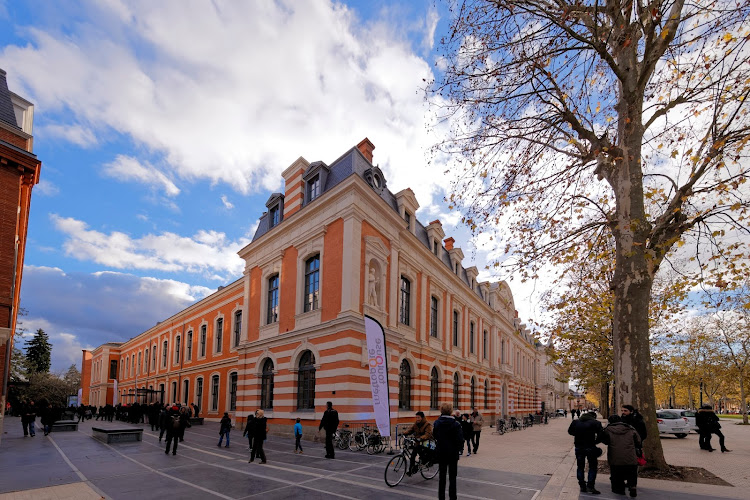
The Quai des Savoirs stands as one of Toulouse's most engaging destinations for travelers who appreciate hands-on learning experiences wrapped in historical architecture. This isn't your typical stuffy museum where you shuffle past glass cases and whisper to your companions. Instead, visitors discover an interactive science center housed within an impressive 1891 building that has witnessed over a century of French history. The contrast between the historic brick facade and the cutting-edge exhibitions inside creates this wonderful tension that somehow just works. What strikes most travelers upon arrival is how the space manages to feel both grand and approachable. The building itself tells stories through its architecture – you can almost imagine the original purpose of these halls before they transformed into a modern science hub. And honestly, there's something special about exploring quantum physics or biodiversity within walls that have stood since before automobiles became commonplace. The museum dedicates itself to making complex scientific concepts accessible to everyone, which is a tall order but one they handle remarkably well. You'll find families with young children puzzling over interactive displays right alongside university students and retired couples rediscovering their curiosity about the natural world. I've always believed that the best educational spaces are the ones where learning happens almost accidentally – where you're having so much fun that you forget you're actually absorbing information about climate change or the human brain.Key Features
The Quai des Savoirs packs an impressive array of experiences within its historic walls: • Rotating exhibitions that change throughout the year, ensuring repeat visitors always encounter something fresh and thought-provoking. These aren't superficial displays either – the museum tackles substantial topics from artificial intelligence to environmental sustainability with real depth. • Dedicated workshop spaces designed specifically for children, where young minds can participate in hands-on experiments and creative projects. These sessions often fill up quickly, particularly during school holidays when local families flock to the center. • A planetarium that transports visitors beyond Earth's atmosphere without leaving Toulouse. The shows blend education with entertainment in ways that captivate both astronomy enthusiasts and casual stargazers. • Interactive exhibits that encourage touching, experimenting, and playing – finally, a museum where "please touch" is the rule rather than the exception. You'll find yourself turning cranks, pressing buttons, and engaging with displays that respond to your actions. • Full accessibility features including wheelchair-accessible entrances, parking, and restrooms throughout the facility. The museum takes inclusivity seriously, ensuring all visitors can participate fully in the experience. • Comfortable rest areas and facilities that acknowledge a basic truth about museum visits – sometimes you need a moment to sit down and process everything you've just encountered. • Modern payment options accepting credit cards, debit cards, and mobile payments, making transactions smooth for international travelers who might not carry much cash.Best Time to Visit
Timing your visit to the Quai des Savoirs can significantly impact your experience, and I've learned through conversations with frequent visitors that certain periods offer distinct advantages. Weekday mornings, particularly Tuesday through Thursday, tend to be quieter as most school groups visit later in the day or on Wednesdays when French schools traditionally have reduced schedules. Summer months from June through August bring more tourists to Toulouse, which naturally means larger crowds at popular attractions like the Quai des Savoirs. But don't let that discourage you entirely – the museum handles crowds reasonably well, and summer often coincides with special exhibitions designed to capitalize on the tourist season. The trade-off between crowd size and exhibition quality becomes a personal calculation. Spring and autumn present what many consider the sweet spot for visiting. September through November and March through May offer moderate temperatures for exploring Toulouse, smaller crowds at the museum, and often innovative exhibitions that the center launches to attract locals back after holiday periods. The weather during these shoulder seasons also makes the walk to and from the museum more pleasant if you're approaching on foot. Weekend visits require different expectations. Saturdays particularly can get busy with families, though this energy sometimes adds to the atmosphere rather than detracting from it. There's something kind of wonderful about being surrounded by kids excitedly discussing what they're discovering – it's contagious enthusiasm that reminds you why science centers exist in the first place. Opening hours vary seasonally, so checking their schedule before you go saves disappointment. The museum occasionally closes for special events or exhibition changeovers. Getting tickets in advance is genuinely recommended rather than just suggested marketing speak – this helps you skip queues and guarantees entry during peak periods when capacity limits might be enforced.How to Get There
Reaching the Quai des Savoirs proves straightforward once you understand Toulouse's transportation network, though first-time visitors sometimes find French cities a bit confusing if they're coming from countries with different urban layouts. The Toulouse Metro system provides the most efficient route for many travelers. The museum sits accessible from several metro stations, and the walk from the nearest stops takes you through some genuinely interesting neighborhoods that offer their own glimpses into daily Toulouse life. The metro itself is clean, efficient, and frankly easier to navigate than those in larger French cities like Paris or Lyon. Bus routes also serve the area surrounding the museum with multiple lines passing nearby. If you're staying in central Toulouse, you might find a direct bus connection that drops you practically at the doorstep. The city's bus drivers are generally patient with tourists fumbling with ticket machines, though attempting a few words of French always helps smooth these interactions. For travelers who prefer active transportation, Toulouse has embraced bike-sharing programs that work quite well. The ride to the Quai des Savoirs from most central hotels takes fifteen to twenty minutes and lets you experience the city's bike-friendly infrastructure. Just watch for the cobblestones in older districts – they're charming but can rattle your teeth if you're not careful. Driving to the museum is possible with wheelchair-accessible parking available on-site, which matters significantly for visitors with mobility considerations. However, parking in Toulouse generally requires patience and sometimes a bit of creativity. If you're renting a car primarily for touring the broader Occitanie region, you might consider taking public transport for your museum visit and saving the vehicle for day trips to places like Albi or Carcassonne. Walking to the Quai des Savoirs from central Toulouse takes about thirty minutes depending on your starting point and pace. The route along the Garonne River is particularly pleasant, offering views of the brick architecture that gives Toulouse its "Pink City" nickname. I always advocate for walking when possible in European cities – you stumble upon bakeries, bookshops, and street art that you'd miss entirely from a bus window.Tips for Visiting
Maximizing your Quai des Savoirs experience involves some strategic planning mixed with flexibility to follow your curiosity wherever it leads. Arriving right when the museum opens gives you first crack at popular exhibits before they get crowded, plus morning light in some gallery spaces creates this lovely atmosphere that changes as the day progresses. Budget at least three hours for your visit, though science enthusiasts could easily spend an entire day exploring the exhibitions and participating in workshops. Rushing through defeats the purpose – these interactive displays reward time and attention rather than quick snapshots and hurried progression to the next room. Comfortable footwear matters more than you'd think. The museum involves considerable walking and standing, particularly if you're engaging deeply with exhibits rather than just skimming surfaces. Those stylish but uncomfortable shoes you packed will make you miserable by hour two, trust me on this. The museum's workshop schedule deserves attention when planning your visit, especially if you're traveling with children or have particular interests. These sessions often require advance registration and fill quickly. Check what's available during your travel dates and book early if something catches your eye. Some workshops are conducted in French, so language considerations might influence your choices unless your French is solid. Bring a water bottle since staying hydrated helps maintain the energy and focus needed to appreciate complex exhibitions. The museum has facilities where you can refill, and reducing plastic waste always feels like the right choice. Small snacks for children (or yourself, no judgment) can prevent energy crashes during longer visits. Photography is generally permitted in most areas, but some temporary exhibitions may have restrictions. Those "no flash" signs exist for good reason – flash photography can damage sensitive artifacts and annoys everyone around you. Your phone camera likely performs better in low light than you realize anyway. Download any available museum apps before arriving since the on-site WiFi can be temperamental when everyone's trying to connect simultaneously. These apps often provide additional context, translations, and interactive elements that enhance exhibits beyond what physical displays alone can offer. If you're visiting with mixed age groups, the Quai des Savoirs accommodates different interests through its varied exhibition spaces. Families can split up with older children exploring one area while parents accompany younger kids elsewhere, then reconvene to share discoveries. The layout supports this flexibility without people getting genuinely lost. Consider visiting the museum shop even if you typically skip museum retail spaces. The Quai des Savoirs stocks genuinely interesting science-related books, toys, and educational materials – many in English alongside French options. These make meaningful souvenirs that won't just gather dust on a shelf back home. Finally, engage with the staff when you have questions or need guidance. They're knowledgeable and generally enthusiastic about helping visitors get the most from their experience. The French reputation for curtness with tourists is often exaggerated – approach with basic politeness and you'll typically receive genuine helpfulness in return.Key Features
- Interactive, hands-on exhibitions designed for all ages
- Temporary thematic shows linking science, technology and society
- Workshops, demonstrations and activities for families and schools
- Public talks, debates and scientist meetings
- Proximity to Jardin des Plantes and Muséum de Toulouse for easy combined visits
More Details
Updated March 30, 2026
Table of Contents
Description
The Quai des Savoirs stands as one of Toulouse’s most engaging destinations for travelers who appreciate hands-on learning experiences wrapped in historical architecture. This isn’t your typical stuffy museum where you shuffle past glass cases and whisper to your companions. Instead, visitors discover an interactive science center housed within an impressive 1891 building that has witnessed over a century of French history. The contrast between the historic brick facade and the cutting-edge exhibitions inside creates this wonderful tension that somehow just works.
What strikes most travelers upon arrival is how the space manages to feel both grand and approachable. The building itself tells stories through its architecture – you can almost imagine the original purpose of these halls before they transformed into a modern science hub. And honestly, there’s something special about exploring quantum physics or biodiversity within walls that have stood since before automobiles became commonplace.
The museum dedicates itself to making complex scientific concepts accessible to everyone, which is a tall order but one they handle remarkably well. You’ll find families with young children puzzling over interactive displays right alongside university students and retired couples rediscovering their curiosity about the natural world. I’ve always believed that the best educational spaces are the ones where learning happens almost accidentally – where you’re having so much fun that you forget you’re actually absorbing information about climate change or the human brain.
Key Features
The Quai des Savoirs packs an impressive array of experiences within its historic walls:
• Rotating exhibitions that change throughout the year, ensuring repeat visitors always encounter something fresh and thought-provoking. These aren’t superficial displays either – the museum tackles substantial topics from artificial intelligence to environmental sustainability with real depth.
• Dedicated workshop spaces designed specifically for children, where young minds can participate in hands-on experiments and creative projects. These sessions often fill up quickly, particularly during school holidays when local families flock to the center.
• A planetarium that transports visitors beyond Earth’s atmosphere without leaving Toulouse. The shows blend education with entertainment in ways that captivate both astronomy enthusiasts and casual stargazers.
• Interactive exhibits that encourage touching, experimenting, and playing – finally, a museum where “please touch” is the rule rather than the exception. You’ll find yourself turning cranks, pressing buttons, and engaging with displays that respond to your actions.
• Full accessibility features including wheelchair-accessible entrances, parking, and restrooms throughout the facility. The museum takes inclusivity seriously, ensuring all visitors can participate fully in the experience.
• Comfortable rest areas and facilities that acknowledge a basic truth about museum visits – sometimes you need a moment to sit down and process everything you’ve just encountered.
• Modern payment options accepting credit cards, debit cards, and mobile payments, making transactions smooth for international travelers who might not carry much cash.
Best Time to Visit
Timing your visit to the Quai des Savoirs can significantly impact your experience, and I’ve learned through conversations with frequent visitors that certain periods offer distinct advantages. Weekday mornings, particularly Tuesday through Thursday, tend to be quieter as most school groups visit later in the day or on Wednesdays when French schools traditionally have reduced schedules.
Summer months from June through August bring more tourists to Toulouse, which naturally means larger crowds at popular attractions like the Quai des Savoirs. But don’t let that discourage you entirely – the museum handles crowds reasonably well, and summer often coincides with special exhibitions designed to capitalize on the tourist season. The trade-off between crowd size and exhibition quality becomes a personal calculation.
Spring and autumn present what many consider the sweet spot for visiting. September through November and March through May offer moderate temperatures for exploring Toulouse, smaller crowds at the museum, and often innovative exhibitions that the center launches to attract locals back after holiday periods. The weather during these shoulder seasons also makes the walk to and from the museum more pleasant if you’re approaching on foot.
Weekend visits require different expectations. Saturdays particularly can get busy with families, though this energy sometimes adds to the atmosphere rather than detracting from it. There’s something kind of wonderful about being surrounded by kids excitedly discussing what they’re discovering – it’s contagious enthusiasm that reminds you why science centers exist in the first place.
Opening hours vary seasonally, so checking their schedule before you go saves disappointment. The museum occasionally closes for special events or exhibition changeovers. Getting tickets in advance is genuinely recommended rather than just suggested marketing speak – this helps you skip queues and guarantees entry during peak periods when capacity limits might be enforced.
How to Get There
Reaching the Quai des Savoirs proves straightforward once you understand Toulouse’s transportation network, though first-time visitors sometimes find French cities a bit confusing if they’re coming from countries with different urban layouts.
The Toulouse Metro system provides the most efficient route for many travelers. The museum sits accessible from several metro stations, and the walk from the nearest stops takes you through some genuinely interesting neighborhoods that offer their own glimpses into daily Toulouse life. The metro itself is clean, efficient, and frankly easier to navigate than those in larger French cities like Paris or Lyon.
Bus routes also serve the area surrounding the museum with multiple lines passing nearby. If you’re staying in central Toulouse, you might find a direct bus connection that drops you practically at the doorstep. The city’s bus drivers are generally patient with tourists fumbling with ticket machines, though attempting a few words of French always helps smooth these interactions.
For travelers who prefer active transportation, Toulouse has embraced bike-sharing programs that work quite well. The ride to the Quai des Savoirs from most central hotels takes fifteen to twenty minutes and lets you experience the city’s bike-friendly infrastructure. Just watch for the cobblestones in older districts – they’re charming but can rattle your teeth if you’re not careful.
Driving to the museum is possible with wheelchair-accessible parking available on-site, which matters significantly for visitors with mobility considerations. However, parking in Toulouse generally requires patience and sometimes a bit of creativity. If you’re renting a car primarily for touring the broader Occitanie region, you might consider taking public transport for your museum visit and saving the vehicle for day trips to places like Albi or Carcassonne.
Walking to the Quai des Savoirs from central Toulouse takes about thirty minutes depending on your starting point and pace. The route along the Garonne River is particularly pleasant, offering views of the brick architecture that gives Toulouse its “Pink City” nickname. I always advocate for walking when possible in European cities – you stumble upon bakeries, bookshops, and street art that you’d miss entirely from a bus window.
Tips for Visiting
Maximizing your Quai des Savoirs experience involves some strategic planning mixed with flexibility to follow your curiosity wherever it leads. Arriving right when the museum opens gives you first crack at popular exhibits before they get crowded, plus morning light in some gallery spaces creates this lovely atmosphere that changes as the day progresses.
Budget at least three hours for your visit, though science enthusiasts could easily spend an entire day exploring the exhibitions and participating in workshops. Rushing through defeats the purpose – these interactive displays reward time and attention rather than quick snapshots and hurried progression to the next room.
Comfortable footwear matters more than you’d think. The museum involves considerable walking and standing, particularly if you’re engaging deeply with exhibits rather than just skimming surfaces. Those stylish but uncomfortable shoes you packed will make you miserable by hour two, trust me on this.
The museum’s workshop schedule deserves attention when planning your visit, especially if you’re traveling with children or have particular interests. These sessions often require advance registration and fill quickly. Check what’s available during your travel dates and book early if something catches your eye. Some workshops are conducted in French, so language considerations might influence your choices unless your French is solid.
Bring a water bottle since staying hydrated helps maintain the energy and focus needed to appreciate complex exhibitions. The museum has facilities where you can refill, and reducing plastic waste always feels like the right choice. Small snacks for children (or yourself, no judgment) can prevent energy crashes during longer visits.
Photography is generally permitted in most areas, but some temporary exhibitions may have restrictions. Those “no flash” signs exist for good reason – flash photography can damage sensitive artifacts and annoys everyone around you. Your phone camera likely performs better in low light than you realize anyway.
Download any available museum apps before arriving since the on-site WiFi can be temperamental when everyone’s trying to connect simultaneously. These apps often provide additional context, translations, and interactive elements that enhance exhibits beyond what physical displays alone can offer.
If you’re visiting with mixed age groups, the Quai des Savoirs accommodates different interests through its varied exhibition spaces. Families can split up with older children exploring one area while parents accompany younger kids elsewhere, then reconvene to share discoveries. The layout supports this flexibility without people getting genuinely lost.
Consider visiting the museum shop even if you typically skip museum retail spaces. The Quai des Savoirs stocks genuinely interesting science-related books, toys, and educational materials – many in English alongside French options. These make meaningful souvenirs that won’t just gather dust on a shelf back home.
Finally, engage with the staff when you have questions or need guidance. They’re knowledgeable and generally enthusiastic about helping visitors get the most from their experience. The French reputation for curtness with tourists is often exaggerated – approach with basic politeness and you’ll typically receive genuine helpfulness in return.
Key Highlights
- Interactive, hands-on exhibitions designed for all ages
- Temporary thematic shows linking science, technology and society
- Workshops, demonstrations and activities for families and schools
- Public talks, debates and scientist meetings
- Proximity to Jardin des Plantes and Muséum de Toulouse for easy combined visits
Location
Places to Stay Near Quai des Savoirs
Find and Book a Tour
Explore More Travel Guides
No reviews found! Be the first to review!
Quai des Savoirs is a prominent attractions located in Toulouse.
Visit us at: 39 All. Jules Guesde, 31000 Toulouse, France.
Traveler Reviews for Quai des Savoirs
There are no reviews yet. Be the first one to write one.
Have you visited Quai des Savoirs? Help other travelers by sharing your review.
Nearby Attractions
You Might Also Like
Musée départemental de la Résistance & de la Déportation

The Gardens Of The Line
Prairie des Filtres
Find Accommodations Nearby
Recommended Tours & Activities
Visitor Reviews
There are no reviews yet. Be the first one to write one.
Share Your Experience
Have you visited Quai des Savoirs? Help other travelers by leaving a review.