
Xizhouzhen
About Xizhouzhen
Description
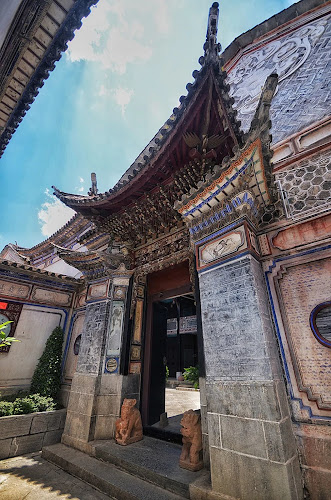
Xizhouzhen, often called simply Xizhou, sits about 20 kilometers north of Dali Old Town in Yunnan Province. It’s not some polished theme park version of history—you’ll find real people living their daily lives here, from farmers heading out to the fields at dawn to shopkeepers selling fresh-baked Xizhou Baba (a kind of savory bread that, honestly, I still dream about). The town is made up of 13 smaller villages and home to around 55,000 people, most of them Bai, with a sprinkling of Hui and Han residents. That mix gives the place a layered personality: traditional Bai courtyards with whitewashed walls and black-tiled roofs sit beside mosques and Han-style shops. It feels lived-in, not staged, which is exactly what makes it so worth the detour.
What struck me most when I first wandered through Xizhou wasn’t just the architecture but the rhythm of life. Old men gather under the shade of giant camphor trees to play cards, while women in colorful headscarves haggle over vegetables in the market. There’s history here—dating back to the Tang Dynasty—but it’s not frozen in time. Instead, it’s woven into daily routines, which makes walking through the town feel like stepping into a living museum.
Key Features
- Yan Family Compound: A grand Bai mansion turned museum that shows off intricate wood carvings, courtyards, and the wealth of old merchant families.
- Sifang Street: The lively town square where locals gather, vendors fry snacks, and you can try the famous Xizhou Baba hot off the griddle.
- Zhoucheng Village: Just nearby, this village is known for its traditional tie-dye workshops—you can even try your hand at making your own piece.
- Grand Green Tree: A centuries-old tree that’s become a sort of community hub (and a nesting ground for egrets, which is pretty magical at sunset).
- Markets & Morning Bazaar: If you arrive early, you’ll catch the local market in full swing with everything from handmade tools to fresh goat cheese.
- Lakeside Proximity: Only about a kilometer from Erhai Lake, so you can easily combine a stroll through town with a bike ride along the water.
Best Time to Visit
If you ask me, spring and autumn are the sweet spots for visiting Xizhou. From March to May, the weather is mild, flowers bloom everywhere, and the fields around the villages glow with rapeseed blossoms. September to November brings crisp air and clear skies, perfect for cycling around Erhai Lake or wandering the narrow alleys without breaking a sweat. Summer can be hot and rainy, though the downpours often pass quickly, and winter is chilly but quiet—ideal if you like fewer crowds and don’t mind bundling up. Personally, I loved visiting in late October. The air was cool, the rice fields were golden, and the sunsets over the lake were unreal.
How to Get There
Reaching Xizhou is surprisingly straightforward. From Dali Old Town, it’s about a 30-minute drive by car or taxi. If you’re on a budget, local buses run frequently between Dali and Xizhou, and they’re cheap, though a bit slower. Cycling is another option if you’re feeling adventurous—the road is relatively flat, and the ride takes about an hour, giving you plenty of chances to stop for photos along Erhai Lake. I once biked it with a friend, and we ended up turning a 60-minute ride into a half-day adventure because we kept stopping to snack, chat with farmers, and take too many photos. If you’re coming from further afield, Dali Airport is the nearest hub, and from there you can hire a car or hop on public transport.
Tips for Visiting
Here are a few things I wish I’d known before my first trip to Xizhou:
- Go early in the morning: The local market is at its liveliest before 9 a.m., and you’ll get the freshest food and best people-watching.
- Try the street food: Don’t leave without tasting Xizhou Baba. It’s cheap, filling, and comes in both sweet and savory versions. I liked the one stuffed with minced pork and green onions best.
- Bring cash: While some places take mobile payments, many small vendors still prefer cash.
- Stay overnight if you can: Day trips are fine, but spending a night in a Bai-style guesthouse gives you a deeper sense of the town’s pace.
- Respect local customs: The Bai people are proud of their traditions. If you visit a family compound or temple, dress modestly and ask before taking photos.
- Combine it with Erhai Lake: Since the lake is so close, plan a bike ride or boat trip to round out your visit.
One last thing: don’t rush. Xizhou isn’t about checking off landmarks; it’s about soaking up the atmosphere. Sit under the big tree in the square, sip a cup of local tea, and just watch life unfold. That’s when the magic of this town really sinks in.
Key Features
- Key Features
- Best Time to Visit
- How to Get There
- Tips for Visiting
More Details
Updated September 23, 2025
Table of Contents
Description
Xizhouzhen, often called simply Xizhou, sits about 20 kilometers north of Dali Old Town in Yunnan Province. It’s not some polished theme park version of history—you’ll find real people living their daily lives here, from farmers heading out to the fields at dawn to shopkeepers selling fresh-baked Xizhou Baba (a kind of savory bread that, honestly, I still dream about). The town is made up of 13 smaller villages and home to around 55,000 people, most of them Bai, with a sprinkling of Hui and Han residents. That mix gives the place a layered personality: traditional Bai courtyards with whitewashed walls and black-tiled roofs sit beside mosques and Han-style shops. It feels lived-in, not staged, which is exactly what makes it so worth the detour.
What struck me most when I first wandered through Xizhou wasn’t just the architecture but the rhythm of life. Old men gather under the shade of giant camphor trees to play cards, while women in colorful headscarves haggle over vegetables in the market. There’s history here—dating back to the Tang Dynasty—but it’s not frozen in time. Instead, it’s woven into daily routines, which makes walking through the town feel like stepping into a living museum.
Key Features
- Yan Family Compound: A grand Bai mansion turned museum that shows off intricate wood carvings, courtyards, and the wealth of old merchant families.
- Sifang Street: The lively town square where locals gather, vendors fry snacks, and you can try the famous Xizhou Baba hot off the griddle.
- Zhoucheng Village: Just nearby, this village is known for its traditional tie-dye workshops—you can even try your hand at making your own piece.
- Grand Green Tree: A centuries-old tree that’s become a sort of community hub (and a nesting ground for egrets, which is pretty magical at sunset).
- Markets & Morning Bazaar: If you arrive early, you’ll catch the local market in full swing with everything from handmade tools to fresh goat cheese.
- Lakeside Proximity: Only about a kilometer from Erhai Lake, so you can easily combine a stroll through town with a bike ride along the water.
Best Time to Visit
If you ask me, spring and autumn are the sweet spots for visiting Xizhou. From March to May, the weather is mild, flowers bloom everywhere, and the fields around the villages glow with rapeseed blossoms. September to November brings crisp air and clear skies, perfect for cycling around Erhai Lake or wandering the narrow alleys without breaking a sweat. Summer can be hot and rainy, though the downpours often pass quickly, and winter is chilly but quiet—ideal if you like fewer crowds and don’t mind bundling up. Personally, I loved visiting in late October. The air was cool, the rice fields were golden, and the sunsets over the lake were unreal.
How to Get There
Reaching Xizhou is surprisingly straightforward. From Dali Old Town, it’s about a 30-minute drive by car or taxi. If you’re on a budget, local buses run frequently between Dali and Xizhou, and they’re cheap, though a bit slower. Cycling is another option if you’re feeling adventurous—the road is relatively flat, and the ride takes about an hour, giving you plenty of chances to stop for photos along Erhai Lake. I once biked it with a friend, and we ended up turning a 60-minute ride into a half-day adventure because we kept stopping to snack, chat with farmers, and take too many photos. If you’re coming from further afield, Dali Airport is the nearest hub, and from there you can hire a car or hop on public transport.
Tips for Visiting
Here are a few things I wish I’d known before my first trip to Xizhou:
- Go early in the morning: The local market is at its liveliest before 9 a.m., and you’ll get the freshest food and best people-watching.
- Try the street food: Don’t leave without tasting Xizhou Baba. It’s cheap, filling, and comes in both sweet and savory versions. I liked the one stuffed with minced pork and green onions best.
- Bring cash: While some places take mobile payments, many small vendors still prefer cash.
- Stay overnight if you can: Day trips are fine, but spending a night in a Bai-style guesthouse gives you a deeper sense of the town’s pace.
- Respect local customs: The Bai people are proud of their traditions. If you visit a family compound or temple, dress modestly and ask before taking photos.
- Combine it with Erhai Lake: Since the lake is so close, plan a bike ride or boat trip to round out your visit.
One last thing: don’t rush. Xizhou isn’t about checking off landmarks; it’s about soaking up the atmosphere. Sit under the big tree in the square, sip a cup of local tea, and just watch life unfold. That’s when the magic of this town really sinks in.
Key Highlights
- Key Features
- Best Time to Visit
- How to Get There
- Tips for Visiting
Location
Places to Stay Near Xizhouzhen
Find and Book a Tour
Explore More Travel Guides
No reviews found! Be the first to review!
Traveler Reviews for Xizhouzhen
There are no reviews yet. Be the first one to write one.
Have you visited Xizhouzhen? Help other travelers by sharing your review.
You Might Also Like
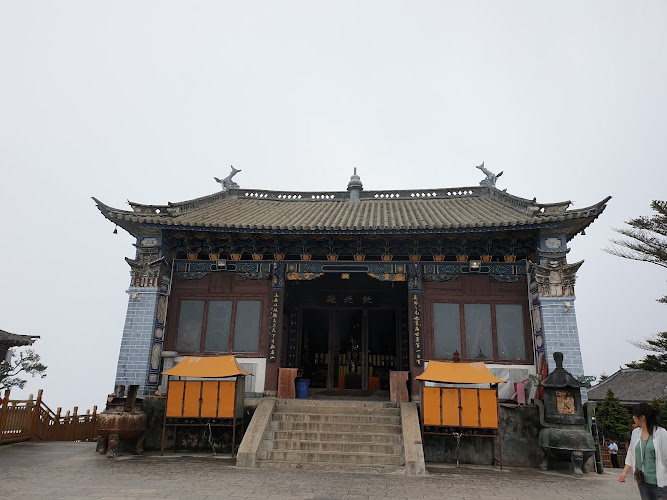
Jizu Mountain
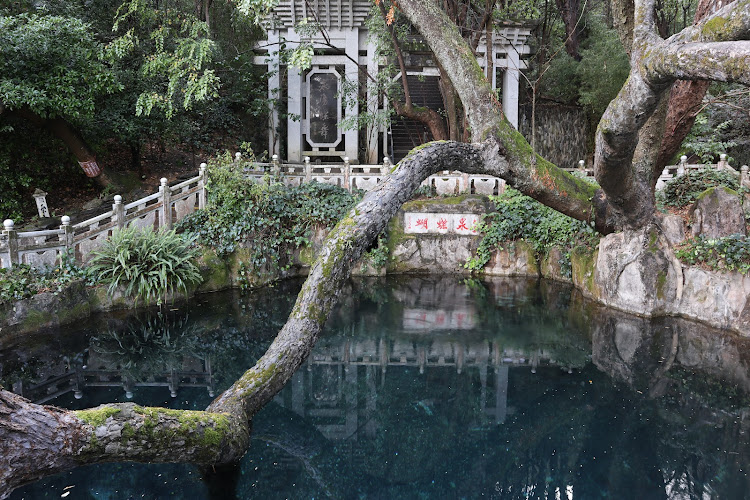
Dali Butterfly Spring Park
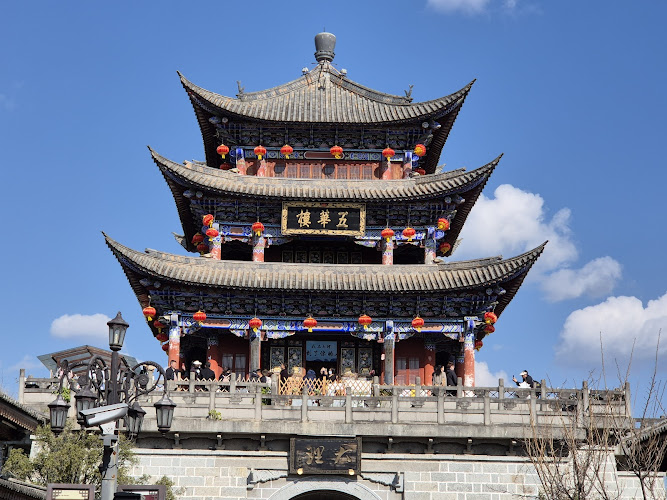
Dali Culture Park
Find Accommodations Nearby
Recommended Tours & Activities
Visitor Reviews
There are no reviews yet. Be the first one to write one.
Share Your Experience
Have you visited Xizhouzhen? Help other travelers by leaving a review.