
671000
About 671000
Description
The postal code 671000 belongs to Dali, a city in Yunnan Province that has long been a magnet for travelers who want more than just a quick snapshot of China. It’s a place where old-world traditions and modern-day wanderlust collide in the best way possible. Walking through the streets, you’ll notice a rhythm that’s slower than the big cities—people linger over tea, shopkeepers chat with neighbors, and the mountains loom in the background like silent guardians. It’s not perfect, of course. Some areas feel a bit commercialized, and you might bump into crowds during peak seasons. But even with those quirks, the charm of 671000 is hard to deny. I remember the first time I strolled along the cobblestone paths of the old town, I got lost on purpose just to see what I’d stumble upon—tiny courtyards, a family drying chili peppers in the sun, or the occasional stray dog napping in the shade. It’s the kind of place that rewards curiosity.
Key Features
- Historic Old Town with traditional Bai architecture that feels like stepping back in time
- Views of the Cangshan Mountains that change with the light, sometimes misty and mysterious, sometimes sharp against a blue sky
- Proximity to Erhai Lake, perfect for cycling, boating, or just sitting by the water with a snack in hand
- Local markets filled with handmade crafts, fresh produce, and more varieties of tea than you thought existed
- A mix of quiet alleys and lively squares where you can choose between solitude or joining the buzz of street performers
- Rich cultural blend of Bai traditions, Buddhist temples, and traces of the Silk Road influence
Best Time to Visit
If you ask me, spring and autumn are the sweet spots for exploring 671000. The weather is mild, the skies are often clear, and the crowds haven’t yet reached their summer intensity. I once visited in July, and while the festivals were colorful, the heat and humidity made me retreat into tea houses more often than I’d planned. Winter has its own quiet charm—fewer visitors, crisp air, and snow-dusted mountain peaks—but it can get chilly, especially at night. Travelers who don’t mind bundling up might actually enjoy that slower, calmer side of Dali. And if you’re into photography, the light in late afternoon during October is just magical—it makes the old tiled roofs glow like they’re telling stories from centuries ago.
How to Get There
Reaching 671000 isn’t complicated, but it does take a bit of planning. Most visitors fly into Kunming, the provincial capital, and then catch a short domestic flight or a scenic train ride to Dali. Personally, I prefer the train—it’s slower, sure, but you get to watch the landscape unfold in front of you: rice terraces, rolling hills, and glimpses of village life. Once you’re in Dali, buses and taxis are easy to find, though I found renting a bike to be the most rewarding way to explore locally. Just be prepared for the occasional uphill stretch that’ll test your legs. If you’re the adventurous type, there are also long-distance buses from nearby cities, though they can be a bit unpredictable with timing.
Tips for Visiting
First, don’t rush. Dali isn’t the kind of place you check off a list—it’s better when you let yourself wander. Spend an afternoon sipping local Pu’er tea, or chat with artisans who still carve wood by hand. Second, pack layers. The weather can shift quickly, especially near the lake or in the mountains. I learned that the hard way when a sunny morning turned into a chilly, windy afternoon and I was stuck buying an extra scarf from a street vendor (not that I regret it—it’s still one of my favorite souvenirs). Third, be mindful of the cultural traditions. The Bai people are welcoming, but showing respect goes a long way—whether it’s learning a few local phrases or dressing modestly when visiting temples. And finally, leave room in your schedule for surprises. Some of my favorite memories here weren’t planned at all, like stumbling upon a small festival in a village square or being invited into a family courtyard to share a meal. That’s the kind of magic 671000 quietly offers if you’re open to it.
Key Features
- Historic Old Town with traditional Bai architecture that feels like stepping back in time
- Views of the Cangshan Mountains that change with the light, sometimes misty and mysterious, sometimes sharp against a blue sky
- Proximity to Erhai Lake, perfect for cycling, boating, or just sitting by the water with a snack in hand
- Local markets filled with handmade crafts, fresh produce, and more varieties of tea than you thought existed
- A mix of quiet alleys and lively squares where you can choose between solitude or joining the buzz of street performers
- Rich cultural blend of Bai traditions, Buddhist temples, and traces of the Silk Road influence
More Details
Updated September 23, 2025
Table of Contents
Description
The postal code 671000 belongs to Dali, a city in Yunnan Province that has long been a magnet for travelers who want more than just a quick snapshot of China. It’s a place where old-world traditions and modern-day wanderlust collide in the best way possible. Walking through the streets, you’ll notice a rhythm that’s slower than the big cities—people linger over tea, shopkeepers chat with neighbors, and the mountains loom in the background like silent guardians. It’s not perfect, of course. Some areas feel a bit commercialized, and you might bump into crowds during peak seasons. But even with those quirks, the charm of 671000 is hard to deny. I remember the first time I strolled along the cobblestone paths of the old town, I got lost on purpose just to see what I’d stumble upon—tiny courtyards, a family drying chili peppers in the sun, or the occasional stray dog napping in the shade. It’s the kind of place that rewards curiosity.
Key Features
- Historic Old Town with traditional Bai architecture that feels like stepping back in time
- Views of the Cangshan Mountains that change with the light, sometimes misty and mysterious, sometimes sharp against a blue sky
- Proximity to Erhai Lake, perfect for cycling, boating, or just sitting by the water with a snack in hand
- Local markets filled with handmade crafts, fresh produce, and more varieties of tea than you thought existed
- A mix of quiet alleys and lively squares where you can choose between solitude or joining the buzz of street performers
- Rich cultural blend of Bai traditions, Buddhist temples, and traces of the Silk Road influence
Best Time to Visit
If you ask me, spring and autumn are the sweet spots for exploring 671000. The weather is mild, the skies are often clear, and the crowds haven’t yet reached their summer intensity. I once visited in July, and while the festivals were colorful, the heat and humidity made me retreat into tea houses more often than I’d planned. Winter has its own quiet charm—fewer visitors, crisp air, and snow-dusted mountain peaks—but it can get chilly, especially at night. Travelers who don’t mind bundling up might actually enjoy that slower, calmer side of Dali. And if you’re into photography, the light in late afternoon during October is just magical—it makes the old tiled roofs glow like they’re telling stories from centuries ago.
How to Get There
Reaching 671000 isn’t complicated, but it does take a bit of planning. Most visitors fly into Kunming, the provincial capital, and then catch a short domestic flight or a scenic train ride to Dali. Personally, I prefer the train—it’s slower, sure, but you get to watch the landscape unfold in front of you: rice terraces, rolling hills, and glimpses of village life. Once you’re in Dali, buses and taxis are easy to find, though I found renting a bike to be the most rewarding way to explore locally. Just be prepared for the occasional uphill stretch that’ll test your legs. If you’re the adventurous type, there are also long-distance buses from nearby cities, though they can be a bit unpredictable with timing.
Tips for Visiting
First, don’t rush. Dali isn’t the kind of place you check off a list—it’s better when you let yourself wander. Spend an afternoon sipping local Pu’er tea, or chat with artisans who still carve wood by hand. Second, pack layers. The weather can shift quickly, especially near the lake or in the mountains. I learned that the hard way when a sunny morning turned into a chilly, windy afternoon and I was stuck buying an extra scarf from a street vendor (not that I regret it—it’s still one of my favorite souvenirs). Third, be mindful of the cultural traditions. The Bai people are welcoming, but showing respect goes a long way—whether it’s learning a few local phrases or dressing modestly when visiting temples. And finally, leave room in your schedule for surprises. Some of my favorite memories here weren’t planned at all, like stumbling upon a small festival in a village square or being invited into a family courtyard to share a meal. That’s the kind of magic 671000 quietly offers if you’re open to it.
Key Highlights
- Historic Old Town with traditional Bai architecture that feels like stepping back in time
- Views of the Cangshan Mountains that change with the light, sometimes misty and mysterious, sometimes sharp against a blue sky
- Proximity to Erhai Lake, perfect for cycling, boating, or just sitting by the water with a snack in hand
- Local markets filled with handmade crafts, fresh produce, and more varieties of tea than you thought existed
- A mix of quiet alleys and lively squares where you can choose between solitude or joining the buzz of street performers
- Rich cultural blend of Bai traditions, Buddhist temples, and traces of the Silk Road influence
Location
Places to Stay Near 大理风景名胜区
Find and Book a Tour
Explore More Travel Guides
No reviews found! Be the first to review!
Traveler Reviews for 671000
There are no reviews yet. Be the first one to write one.
Have you visited 671000? Help other travelers by sharing your review.
You Might Also Like
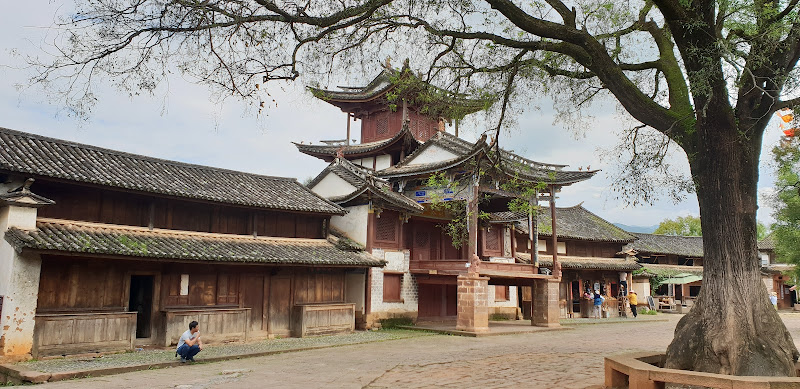
Shaxizhen
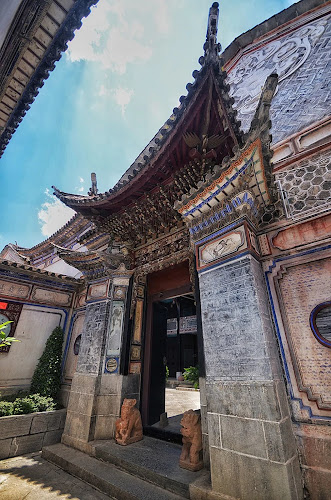
Xizhouzhen

Erhai
Find Accommodations Nearby
Recommended Tours & Activities
Visitor Reviews
There are no reviews yet. Be the first one to write one.
Share Your Experience
Have you visited 671000? Help other travelers by leaving a review.