
Diancang Shan
About Diancang Shan
Description
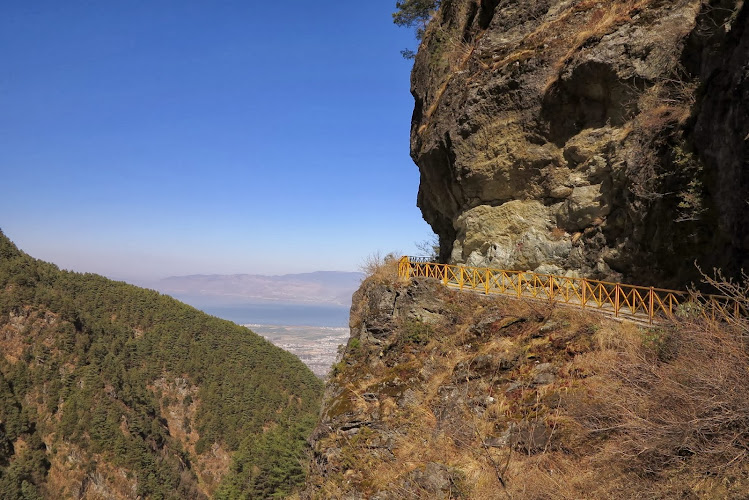
Diancang Shan, also known as Cangshan Mountain, rises dramatically above the old town of Dali in Yunnan. It’s not just a backdrop for photos—it’s the kind of place that feels alive, with clouds that seem to roll in and out like they’re performing just for you. The mountain range stretches north to south, with 19 peaks and 18 rushing streams that carve their way down to Erhai Lake. The highest summit, Malong Peak, climbs to over 4,100 meters, which is no small feat if you’re thinking about hiking. What makes it stand out, though, isn’t just the altitude but the mix of natural beauty, cultural history, and those tiny unexpected moments you only get when you’re actually there. One minute you’re walking through alpine meadows, the next you’re stumbling across old temples tucked into the slopes.
Travelers often say the air feels different here—crisper, lighter, like it’s been filtered through centuries of pine forests. And honestly, that’s not far off. The mountain is part of the Hengduan range, which is technically a southern extension of the Himalayas, so you can imagine the kind of rugged, jaw-dropping views you’ll be dealing with. It’s not perfect—sometimes the weather turns on a dime, or the cable cars get crowded—but overall, the balance tips heavily toward awe-inspiring. If you’re the type who likes a mix of challenge and reward, Diancang Shan is the kind of place that sticks with you long after you’ve left.
Key Features
- 19 towering peaks, with Malong Peak reaching 4,122 meters
- 18 mountain streams flowing into Erhai Lake, creating waterfalls and lush valleys
- Three main cable cars: Xiamtan, Gantong, and Zhonghe, offering different perspectives
- Scenic hiking trails ranging from easy walks to strenuous climbs
- Rich biodiversity with alpine flora, azaleas, and rare bird species
- Historic temples and cultural relics scattered across the slopes
- Panoramic views of Dali Ancient City and Erhai Lake
Best Time to Visit
Spring is hands-down my favorite season here. Between March and May, the azaleas burst into bloom, painting the slopes in colors you didn’t even know existed in nature. The temperatures are mild, which makes hiking feel more like an adventure and less like punishment. Summer has its perks too—the streams are fuller, and everything feels lush and green—but you’ll need to be ready for sudden rain showers. Autumn, from September to November, is another sweet spot. Clear skies mean you’ll get those postcard-worthy views of Erhai Lake, and the air feels sharp in the best way. Winter is quieter, and while the snow-dusted peaks look magical, some trails can be slippery, so it’s more for the prepared traveler than the casual stroller.
How to Get There
Getting to Diancang Shan is straightforward once you’re in Dali. Most travelers start from Dali Ancient City—it’s practically at the mountain’s doorstep. From there, you can hop in a taxi or take a local bus to one of the cable car stations. The Zhonghe cable car is probably the most popular, taking you up to the Cloud Traveler’s Path, a scenic trail that winds along the mountainside. If you’re more old-school and prefer to hike from the bottom, there are trails starting right from the city, though they do require stamina and a bit of stubbornness. Personally, I like mixing it up: take a cable car up, hike along the ridge, and then maybe walk down if my knees aren’t complaining too much that day.
Tips for Visiting
First and foremost, dress in layers. The weather flips fast up here. One minute you’re basking in the sun, the next you’re wrapped in mist and wishing you’d brought that extra jacket. Comfortable shoes are non-negotiable, especially if you plan on tackling the trails. Bring water and snacks too—yes, there are vendors near the cable stations, but once you’re out on the paths, it’s just you, the mountain, and whatever you packed.
If you’re into photography, mornings are golden. The light hits Erhai Lake in a way that makes it shimmer like glass, and the mountain shadows stretch dramatically across the valley. And here’s a small but important tip: don’t rush. The charm of Diancang Shan isn’t just in reaching the top; it’s in those quiet pauses where you hear nothing but the wind through the trees or stumble upon a shrine that looks like it’s been forgotten by time. Give yourself a full day if you can, because squeezing it into a quick half-day trip just doesn’t do it justice.
One last thing—altitude can sneak up on you. While most visitors don’t feel it too strongly, it’s smart to pace yourself, especially if you’re hiking higher up. Take breaks, breathe deeply, and don’t be shy about turning back if you’re not feeling great. The mountain isn’t going anywhere, and it’s better to enjoy the parts you do see than push too hard and miss the beauty altogether.
All in all, Diancang Shan is one of those places that rewards curiosity. Whether you’re chasing big views, quiet trails, or just a chance to escape into nature, it delivers. And if you’re anything like me, you’ll find yourself replaying the experience long after you’ve left, wishing you had just one more day up there among the clouds.
Key Features
- 19 towering peaks, with Malong Peak reaching 4,122 meters
- 18 mountain streams flowing into Erhai Lake, creating waterfalls and lush valleys
- Three main cable cars: Xiamtan, Gantong, and Zhonghe, offering different perspectives
- Scenic hiking trails ranging from easy walks to strenuous climbs
- Rich biodiversity with alpine flora, azaleas, and rare bird species
- Historic temples and cultural relics scattered across the slopes
- Panoramic views of Dali Ancient City and Erhai Lake
More Details
Updated September 23, 2025
Table of Contents
Description
Diancang Shan, also known as Cangshan Mountain, rises dramatically above the old town of Dali in Yunnan. It’s not just a backdrop for photos—it’s the kind of place that feels alive, with clouds that seem to roll in and out like they’re performing just for you. The mountain range stretches north to south, with 19 peaks and 18 rushing streams that carve their way down to Erhai Lake. The highest summit, Malong Peak, climbs to over 4,100 meters, which is no small feat if you’re thinking about hiking. What makes it stand out, though, isn’t just the altitude but the mix of natural beauty, cultural history, and those tiny unexpected moments you only get when you’re actually there. One minute you’re walking through alpine meadows, the next you’re stumbling across old temples tucked into the slopes.
Travelers often say the air feels different here—crisper, lighter, like it’s been filtered through centuries of pine forests. And honestly, that’s not far off. The mountain is part of the Hengduan range, which is technically a southern extension of the Himalayas, so you can imagine the kind of rugged, jaw-dropping views you’ll be dealing with. It’s not perfect—sometimes the weather turns on a dime, or the cable cars get crowded—but overall, the balance tips heavily toward awe-inspiring. If you’re the type who likes a mix of challenge and reward, Diancang Shan is the kind of place that sticks with you long after you’ve left.
Key Features
- 19 towering peaks, with Malong Peak reaching 4,122 meters
- 18 mountain streams flowing into Erhai Lake, creating waterfalls and lush valleys
- Three main cable cars: Xiamtan, Gantong, and Zhonghe, offering different perspectives
- Scenic hiking trails ranging from easy walks to strenuous climbs
- Rich biodiversity with alpine flora, azaleas, and rare bird species
- Historic temples and cultural relics scattered across the slopes
- Panoramic views of Dali Ancient City and Erhai Lake
Best Time to Visit
Spring is hands-down my favorite season here. Between March and May, the azaleas burst into bloom, painting the slopes in colors you didn’t even know existed in nature. The temperatures are mild, which makes hiking feel more like an adventure and less like punishment. Summer has its perks too—the streams are fuller, and everything feels lush and green—but you’ll need to be ready for sudden rain showers. Autumn, from September to November, is another sweet spot. Clear skies mean you’ll get those postcard-worthy views of Erhai Lake, and the air feels sharp in the best way. Winter is quieter, and while the snow-dusted peaks look magical, some trails can be slippery, so it’s more for the prepared traveler than the casual stroller.
How to Get There
Getting to Diancang Shan is straightforward once you’re in Dali. Most travelers start from Dali Ancient City—it’s practically at the mountain’s doorstep. From there, you can hop in a taxi or take a local bus to one of the cable car stations. The Zhonghe cable car is probably the most popular, taking you up to the Cloud Traveler’s Path, a scenic trail that winds along the mountainside. If you’re more old-school and prefer to hike from the bottom, there are trails starting right from the city, though they do require stamina and a bit of stubbornness. Personally, I like mixing it up: take a cable car up, hike along the ridge, and then maybe walk down if my knees aren’t complaining too much that day.
Tips for Visiting
First and foremost, dress in layers. The weather flips fast up here. One minute you’re basking in the sun, the next you’re wrapped in mist and wishing you’d brought that extra jacket. Comfortable shoes are non-negotiable, especially if you plan on tackling the trails. Bring water and snacks too—yes, there are vendors near the cable stations, but once you’re out on the paths, it’s just you, the mountain, and whatever you packed.
If you’re into photography, mornings are golden. The light hits Erhai Lake in a way that makes it shimmer like glass, and the mountain shadows stretch dramatically across the valley. And here’s a small but important tip: don’t rush. The charm of Diancang Shan isn’t just in reaching the top; it’s in those quiet pauses where you hear nothing but the wind through the trees or stumble upon a shrine that looks like it’s been forgotten by time. Give yourself a full day if you can, because squeezing it into a quick half-day trip just doesn’t do it justice.
One last thing—altitude can sneak up on you. While most visitors don’t feel it too strongly, it’s smart to pace yourself, especially if you’re hiking higher up. Take breaks, breathe deeply, and don’t be shy about turning back if you’re not feeling great. The mountain isn’t going anywhere, and it’s better to enjoy the parts you do see than push too hard and miss the beauty altogether.
All in all, Diancang Shan is one of those places that rewards curiosity. Whether you’re chasing big views, quiet trails, or just a chance to escape into nature, it delivers. And if you’re anything like me, you’ll find yourself replaying the experience long after you’ve left, wishing you had just one more day up there among the clouds.
Key Highlights
- 19 towering peaks, with Malong Peak reaching 4,122 meters
- 18 mountain streams flowing into Erhai Lake, creating waterfalls and lush valleys
- Three main cable cars: Xiamtan, Gantong, and Zhonghe, offering different perspectives
- Scenic hiking trails ranging from easy walks to strenuous climbs
- Rich biodiversity with alpine flora, azaleas, and rare bird species
- Historic temples and cultural relics scattered across the slopes
- Panoramic views of Dali Ancient City and Erhai Lake
Location
Places to Stay Near Diancang Shan
Find and Book a Tour
Explore More Travel Guides
No reviews found! Be the first to review!
Traveler Reviews for Diancang Shan
There are no reviews yet. Be the first one to write one.
Have you visited Diancang Shan? Help other travelers by sharing your review.
You Might Also Like
Cangshan Scenic Area
-Dali.jpg)
Erhai Park (South Gate)
Xizhouzhen
Find Accommodations Nearby
Recommended Tours & Activities
Visitor Reviews
There are no reviews yet. Be the first one to write one.
Share Your Experience
Have you visited Diancang Shan? Help other travelers by leaving a review.