About Dali State Museum

Description

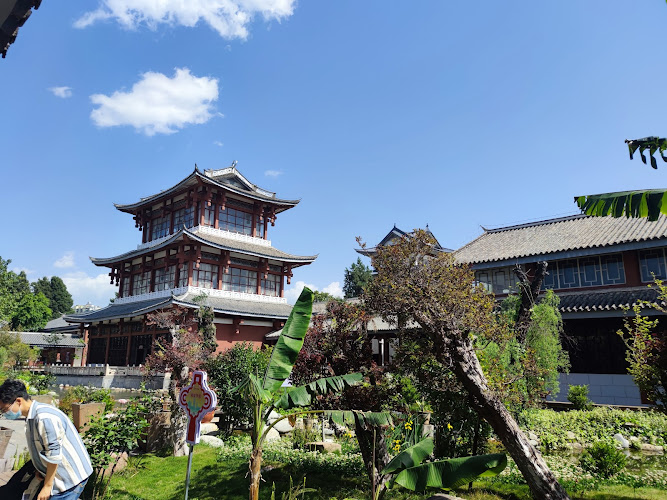
The Dali State Museum is one of those places that feels like a quiet surprise, tucked into the cultural heart of Yunnan. It’s not a massive, overwhelming museum where you get lost in endless corridors, but rather a thoughtful space that reflects the history, traditions, and artistry of the Dali region. What struck me most when I first walked in was how approachable it felt—there’s a certain warmth about it, almost like you’re being invited into someone’s home to hear stories passed down through generations.

The museum showcases artifacts, traditional crafts, and cultural relics that highlight the Bai ethnic group and other local communities. It’s not polished to the point of sterility, and personally, I think that’s part of its charm. You’ll find displays that feel personal, sometimes even a little rough around the edges, but that honesty makes the experience more genuine. And if you’re traveling with kids, you’ll be glad to know it’s manageable in size, with restrooms available and enough variety to keep younger visitors interested without overwhelming them.

Of course, not every corner will blow you away. Some exhibits feel a bit dated, and you might find yourself wanting a little more storytelling in the signage. But overall, the museum succeeds in giving you a sense of place—a deeper understanding of Dali beyond the postcard landscapes and tourist markets. It’s the kind of stop that adds layers to your trip, letting you connect with the people and traditions behind the scenery.

Key Features

  • Collections highlighting the culture and traditions of the Bai ethnic group
  • Artifacts and relics that showcase regional history
  • Family-friendly environment with restrooms and manageable exhibit spaces
  • Displays of traditional crafts and local artistry
  • A quieter, less crowded atmosphere compared to larger museums

Best Time to Visit

If you ask me, the best time to visit is during the cooler months—spring and autumn are ideal. The weather in Dali can be unpredictable, with sudden rain showers in summer and a chill that sneaks up on you in winter. Visiting in spring means you can pair your museum trip with blooming flowers around the city, while autumn offers crisp air and fewer crowds. I once went in July and ended up darting between exhibits because of a sudden downpour, which wasn’t the worst thing in the world, but it did cut my visit short. So, if you can, aim for those shoulder seasons when the pace is more relaxed and the weather is kinder.

How to Get There

Reaching the museum isn’t complicated, but it does depend on where you’re staying. If you’re already in Dali Old Town, it’s a short ride by taxi or a local bus. I’ve done both, and while the bus is cheaper, the taxi saves time if you’re on a tight schedule. For travelers coming from further out, like Xiaguan, you’ll want to allow extra time since traffic can get a little unpredictable. Don’t stress too much, though—part of the fun in Dali is just rolling with the flow. And if you’re the type who enjoys walking, pairing a stroll through the town with a stop at the museum can be a pleasant way to spend a morning.

Tips for Visiting

A few things I’ve learned from my own visits might help you make the most of your time here. First, don’t rush. Even though the museum isn’t huge, give yourself at least an hour or two to wander and actually read the displays. Bring a bottle of water, because while the museum itself is comfortable, you’ll likely be walking around the area before or after your visit. If you’re traveling with kids, plan a short break in between exhibits—it keeps the experience enjoyable for everyone.

Photography is usually allowed, but I’d recommend being respectful and not snapping photos of everything just for the sake of it. Take a moment to really look at the craftsmanship on display. And here’s a little personal tip: go in the morning when it’s quieter. I once went in the late afternoon and, while it wasn’t crowded, I did feel a bit rushed as closing time approached. Mornings give you that unhurried pace to soak it all in.

Lastly, remember that this isn’t the Louvre—it’s a regional museum with its own quirks and limitations. Embrace that, and you’ll leave with a richer sense of Dali’s cultural heartbeat. Sometimes the smaller, less polished places end up being the ones that stick with you the most.

Key Features

  • Collections highlighting the culture and traditions of the Bai ethnic group
  • Artifacts and relics that showcase regional history
  • Family-friendly environment with restrooms and manageable exhibit spaces
  • Displays of traditional crafts and local artistry
  • A quieter, less crowded atmosphere compared to larger museums

More Details

Updated September 23, 2025


Description

The Dali State Museum is one of those places that feels like a quiet surprise, tucked into the cultural heart of Yunnan. It’s not a massive, overwhelming museum where you get lost in endless corridors, but rather a thoughtful space that reflects the history, traditions, and artistry of the Dali region. What struck me most when I first walked in was how approachable it felt—there’s a certain warmth about it, almost like you’re being invited into someone’s home to hear stories passed down through generations.

The museum showcases artifacts, traditional crafts, and cultural relics that highlight the Bai ethnic group and other local communities. It’s not polished to the point of sterility, and personally, I think that’s part of its charm. You’ll find displays that feel personal, sometimes even a little rough around the edges, but that honesty makes the experience more genuine. And if you’re traveling with kids, you’ll be glad to know it’s manageable in size, with restrooms available and enough variety to keep younger visitors interested without overwhelming them.

Of course, not every corner will blow you away. Some exhibits feel a bit dated, and you might find yourself wanting a little more storytelling in the signage. But overall, the museum succeeds in giving you a sense of place—a deeper understanding of Dali beyond the postcard landscapes and tourist markets. It’s the kind of stop that adds layers to your trip, letting you connect with the people and traditions behind the scenery.

Key Features

  • Collections highlighting the culture and traditions of the Bai ethnic group
  • Artifacts and relics that showcase regional history
  • Family-friendly environment with restrooms and manageable exhibit spaces
  • Displays of traditional crafts and local artistry
  • A quieter, less crowded atmosphere compared to larger museums

Best Time to Visit

If you ask me, the best time to visit is during the cooler months—spring and autumn are ideal. The weather in Dali can be unpredictable, with sudden rain showers in summer and a chill that sneaks up on you in winter. Visiting in spring means you can pair your museum trip with blooming flowers around the city, while autumn offers crisp air and fewer crowds. I once went in July and ended up darting between exhibits because of a sudden downpour, which wasn’t the worst thing in the world, but it did cut my visit short. So, if you can, aim for those shoulder seasons when the pace is more relaxed and the weather is kinder.

How to Get There

Reaching the museum isn’t complicated, but it does depend on where you’re staying. If you’re already in Dali Old Town, it’s a short ride by taxi or a local bus. I’ve done both, and while the bus is cheaper, the taxi saves time if you’re on a tight schedule. For travelers coming from further out, like Xiaguan, you’ll want to allow extra time since traffic can get a little unpredictable. Don’t stress too much, though—part of the fun in Dali is just rolling with the flow. And if you’re the type who enjoys walking, pairing a stroll through the town with a stop at the museum can be a pleasant way to spend a morning.

Tips for Visiting

A few things I’ve learned from my own visits might help you make the most of your time here. First, don’t rush. Even though the museum isn’t huge, give yourself at least an hour or two to wander and actually read the displays. Bring a bottle of water, because while the museum itself is comfortable, you’ll likely be walking around the area before or after your visit. If you’re traveling with kids, plan a short break in between exhibits—it keeps the experience enjoyable for everyone.

Photography is usually allowed, but I’d recommend being respectful and not snapping photos of everything just for the sake of it. Take a moment to really look at the craftsmanship on display. And here’s a little personal tip: go in the morning when it’s quieter. I once went in the late afternoon and, while it wasn’t crowded, I did feel a bit rushed as closing time approached. Mornings give you that unhurried pace to soak it all in.

Lastly, remember that this isn’t the Louvre—it’s a regional museum with its own quirks and limitations. Embrace that, and you’ll leave with a richer sense of Dali’s cultural heartbeat. Sometimes the smaller, less polished places end up being the ones that stick with you the most.

Key Highlights

  • Collections highlighting the culture and traditions of the Bai ethnic group
  • Artifacts and relics that showcase regional history
  • Family-friendly environment with restrooms and manageable exhibit spaces
  • Displays of traditional crafts and local artistry
  • A quieter, less crowded atmosphere compared to larger museums

Location

Places to Stay Near Dali State Museum

Find and Book a Tour

Explore More Travel Guides

No reviews found! Be the first to review!

Traveler Reviews for Dali State Museum

There are no reviews yet. Be the first one to write one.

Share Your Experience

Have you visited Dali State Museum? Help other travelers by sharing your review.

Find Accommodations Nearby

Recommended Tours & Activities

Visitor Reviews

There are no reviews yet. Be the first one to write one.

Share Your Experience

Have you visited Dali State Museum? Help other travelers by leaving a review.