
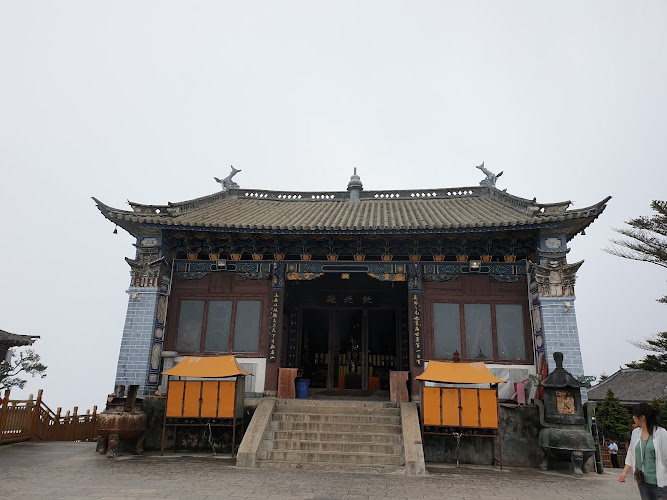
Jizu Mountain
About Jizu Mountain
Description
If you’re craving a mountain experience that’s a little off the beaten path, Jizu Mountain might just be your next favorite spot. Located in the southwest of China, this mountain isn’t just a pile of rocks poking into the sky—it’s a place steeped in history, spirituality, and some seriously breathtaking views. Now, I won’t sugarcoat it: Jizu Mountain isn’t as famous as some of China’s other peaks, but that’s part of its charm. You get a quieter, more authentic vibe, like stepping into a secret that locals have been keeping for a while.
What makes Jizu Mountain stand out is its blend of natural beauty and cultural richness. The mountain is famous for its Buddhist temples scattered along the slopes, some dating back centuries. Walking through these ancient sites, you can almost hear the whispers of monks chanting and the rustle of prayer flags in the wind. It’s a spiritual experience that’s both humbling and invigorating, especially if you’re someone who enjoys mixing a little soul-searching with your hiking.
But don’t think it’s all quiet contemplation and temple visits. The terrain offers some decent hiking trails that vary from easy strolls to more challenging climbs, so whether you’re a casual walker or a seasoned trekker, there’s something here to push your limits a bit. And the views? Oh man, the panoramic vistas of rolling hills and misty valleys at sunrise or sunset will make you want to pull out your camera (or just stare in awe, phone forgotten).
One thing that might surprise you is how the local culture blends with the natural environment. The mountain is surrounded by small villages where traditional lifestyles still thrive. If you’re lucky, you might catch a local festival or market day, which adds a splash of color and life to your visit. I remember stumbling upon a small tea ceremony in a village near the base—it felt like a genuine window into the daily lives of the people who call this place home.
Now, I’m not saying it’s perfect. Some parts of Jizu Mountain can feel a bit underdeveloped for tourists, which means you won’t find swanky resorts or fancy restaurants. But if you’re the kind of traveler who enjoys discovery and doesn’t mind roughing it a little, this place rewards you with authenticity and a sense of peace that’s hard to find in more commercialized spots.
In short, Jizu Mountain is a quiet gem for those who want to escape the crowds and dive into a mix of nature, history, and culture. It’s not flashy, but it’s real—and sometimes, that’s exactly what you need.
Key Features
- Ancient Buddhist temples with rich spiritual significance
- Varied hiking trails suitable for different skill levels
- Stunning panoramic views, especially at sunrise and sunset
- Traditional villages offering authentic cultural experiences
- Peaceful atmosphere away from tourist crowds
- Opportunities to witness local festivals and ceremonies
- Flora and fauna unique to the region’s mountainous terrain
- Relatively untouched natural landscapes perfect for photography
Best Time to Visit
Picking the right time to visit Jizu Mountain can make or break your trip. From my own experience and chatting with locals, the best windows are spring (April to June) and autumn (September to November). During these months, the weather is generally mild, and the mountain is draped in lush greenery or vibrant autumn hues, making your hikes much more enjoyable. Plus, you avoid the scorching summer heat and the chill of winter, which can be pretty harsh up there.
Springtime brings blooming wildflowers and fresh air that smells like, well, nature. It’s also less crowded compared to the national holidays, so you get to soak in the tranquility. Autumn, on the other hand, paints the landscape in fiery reds and golds, which is a feast for the eyes. Just a heads up though: October can get a bit busy during the Golden Week holiday, so plan accordingly if you want to dodge the crowds.
Winter visits aren’t impossible, but expect colder temperatures and some trails might be slippery or closed. Summer can be humid and buggy, and the occasional rain showers might slow you down, but if you don’t mind a bit of wet weather, it’s still doable.
How to Get There
Getting to Jizu Mountain requires a bit of planning, but don’t let that scare you off. The nearest major city with an airport is Kunming, the capital of Yunnan Province. From Kunming, you can take a bus or hire a car to reach the mountain area. The drive takes about 3 to 4 hours, depending on traffic and your exact starting point.
If you’re more of a train person, there are rail connections to towns closer to Jizu Mountain, but you’ll likely need to hop on a local bus or taxi from there. Public transportation options exist, but they’re not always the most straightforward, so if you’re like me and prefer convenience, renting a car or arranging a private transfer might be worth the extra cost.
Once you arrive near the mountain, getting around involves a mix of walking and local transport. The villages and temples are spread out, so be prepared to lace up your hiking boots or grab a local ride. Honestly, the journey itself is part of the adventure, with scenic roads winding through countryside that feels miles away from the city hustle.
Tips for Visiting
Alright, here’s where I share a few nuggets of wisdom I wish I’d known before heading to Jizu Mountain. First off, bring good hiking shoes. Some trails can be slippery or rocky, and you don’t want your feet complaining halfway through your adventure.
Also, don’t rely heavily on English signage or guides. This is a less touristy spot, so brushing up on some basic Mandarin phrases or having a translation app handy will save you a lot of headaches. Locals are friendly but not always fluent in English, so a little effort goes a long way.
Pack layers. The weather can shift quickly, especially if you’re planning to catch sunrise or sunset at the peak. I once got caught in a chilly wind just as the sun was going down, and having a warm jacket saved me from turning into a human popsicle.
Respect the local culture and customs, especially around temples. Keep noise down, dress modestly, and don’t wander off designated paths. These places are sacred to many, and showing respect enhances your experience (plus, it’s just the right thing to do).
Food options near the mountain are basic but tasty. Don’t expect gourmet meals, but do try local specialties—they’re often fresh and full of flavor. And if you’re picky, bring some snacks; those hiking calories add up fast!
Finally, give yourself enough time to explore without rushing. Jizu Mountain isn’t about ticking boxes; it’s about soaking in the atmosphere, discovering hidden corners, and maybe even finding a bit of yourself along the way. Trust me, those moments linger long after you’ve left the mountain behind.
Key Features
- Ancient Buddhist temples with rich spiritual significance
- Varied hiking trails suitable for different skill levels
- Stunning panoramic views, especially at sunrise and sunset
- Traditional villages offering authentic cultural experiences
- Peaceful atmosphere away from tourist crowds
- Opportunities to witness local festivals and ceremonies
- Flora and fauna unique to the region’s mountainous terrain
- Relatively untouched natural landscapes perfect for photography
More Details
Updated July 21, 2025
Table of Contents
Description
If you’re craving a mountain experience that’s a little off the beaten path, Jizu Mountain might just be your next favorite spot. Located in the southwest of China, this mountain isn’t just a pile of rocks poking into the sky—it’s a place steeped in history, spirituality, and some seriously breathtaking views. Now, I won’t sugarcoat it: Jizu Mountain isn’t as famous as some of China’s other peaks, but that’s part of its charm. You get a quieter, more authentic vibe, like stepping into a secret that locals have been keeping for a while.
What makes Jizu Mountain stand out is its blend of natural beauty and cultural richness. The mountain is famous for its Buddhist temples scattered along the slopes, some dating back centuries. Walking through these ancient sites, you can almost hear the whispers of monks chanting and the rustle of prayer flags in the wind. It’s a spiritual experience that’s both humbling and invigorating, especially if you’re someone who enjoys mixing a little soul-searching with your hiking.
But don’t think it’s all quiet contemplation and temple visits. The terrain offers some decent hiking trails that vary from easy strolls to more challenging climbs, so whether you’re a casual walker or a seasoned trekker, there’s something here to push your limits a bit. And the views? Oh man, the panoramic vistas of rolling hills and misty valleys at sunrise or sunset will make you want to pull out your camera (or just stare in awe, phone forgotten).
One thing that might surprise you is how the local culture blends with the natural environment. The mountain is surrounded by small villages where traditional lifestyles still thrive. If you’re lucky, you might catch a local festival or market day, which adds a splash of color and life to your visit. I remember stumbling upon a small tea ceremony in a village near the base—it felt like a genuine window into the daily lives of the people who call this place home.
Now, I’m not saying it’s perfect. Some parts of Jizu Mountain can feel a bit underdeveloped for tourists, which means you won’t find swanky resorts or fancy restaurants. But if you’re the kind of traveler who enjoys discovery and doesn’t mind roughing it a little, this place rewards you with authenticity and a sense of peace that’s hard to find in more commercialized spots.
In short, Jizu Mountain is a quiet gem for those who want to escape the crowds and dive into a mix of nature, history, and culture. It’s not flashy, but it’s real—and sometimes, that’s exactly what you need.
Key Features
- Ancient Buddhist temples with rich spiritual significance
- Varied hiking trails suitable for different skill levels
- Stunning panoramic views, especially at sunrise and sunset
- Traditional villages offering authentic cultural experiences
- Peaceful atmosphere away from tourist crowds
- Opportunities to witness local festivals and ceremonies
- Flora and fauna unique to the region’s mountainous terrain
- Relatively untouched natural landscapes perfect for photography
Best Time to Visit
Picking the right time to visit Jizu Mountain can make or break your trip. From my own experience and chatting with locals, the best windows are spring (April to June) and autumn (September to November). During these months, the weather is generally mild, and the mountain is draped in lush greenery or vibrant autumn hues, making your hikes much more enjoyable. Plus, you avoid the scorching summer heat and the chill of winter, which can be pretty harsh up there.
Springtime brings blooming wildflowers and fresh air that smells like, well, nature. It’s also less crowded compared to the national holidays, so you get to soak in the tranquility. Autumn, on the other hand, paints the landscape in fiery reds and golds, which is a feast for the eyes. Just a heads up though: October can get a bit busy during the Golden Week holiday, so plan accordingly if you want to dodge the crowds.
Winter visits aren’t impossible, but expect colder temperatures and some trails might be slippery or closed. Summer can be humid and buggy, and the occasional rain showers might slow you down, but if you don’t mind a bit of wet weather, it’s still doable.
How to Get There
Getting to Jizu Mountain requires a bit of planning, but don’t let that scare you off. The nearest major city with an airport is Kunming, the capital of Yunnan Province. From Kunming, you can take a bus or hire a car to reach the mountain area. The drive takes about 3 to 4 hours, depending on traffic and your exact starting point.
If you’re more of a train person, there are rail connections to towns closer to Jizu Mountain, but you’ll likely need to hop on a local bus or taxi from there. Public transportation options exist, but they’re not always the most straightforward, so if you’re like me and prefer convenience, renting a car or arranging a private transfer might be worth the extra cost.
Once you arrive near the mountain, getting around involves a mix of walking and local transport. The villages and temples are spread out, so be prepared to lace up your hiking boots or grab a local ride. Honestly, the journey itself is part of the adventure, with scenic roads winding through countryside that feels miles away from the city hustle.
Tips for Visiting
Alright, here’s where I share a few nuggets of wisdom I wish I’d known before heading to Jizu Mountain. First off, bring good hiking shoes. Some trails can be slippery or rocky, and you don’t want your feet complaining halfway through your adventure.
Also, don’t rely heavily on English signage or guides. This is a less touristy spot, so brushing up on some basic Mandarin phrases or having a translation app handy will save you a lot of headaches. Locals are friendly but not always fluent in English, so a little effort goes a long way.
Pack layers. The weather can shift quickly, especially if you’re planning to catch sunrise or sunset at the peak. I once got caught in a chilly wind just as the sun was going down, and having a warm jacket saved me from turning into a human popsicle.
Respect the local culture and customs, especially around temples. Keep noise down, dress modestly, and don’t wander off designated paths. These places are sacred to many, and showing respect enhances your experience (plus, it’s just the right thing to do).
Food options near the mountain are basic but tasty. Don’t expect gourmet meals, but do try local specialties—they’re often fresh and full of flavor. And if you’re picky, bring some snacks; those hiking calories add up fast!
Finally, give yourself enough time to explore without rushing. Jizu Mountain isn’t about ticking boxes; it’s about soaking in the atmosphere, discovering hidden corners, and maybe even finding a bit of yourself along the way. Trust me, those moments linger long after you’ve left the mountain behind.
Key Highlights
- Ancient Buddhist temples with rich spiritual significance
- Varied hiking trails suitable for different skill levels
- Stunning panoramic views, especially at sunrise and sunset
- Traditional villages offering authentic cultural experiences
- Peaceful atmosphere away from tourist crowds
- Opportunities to witness local festivals and ceremonies
- Flora and fauna unique to the region’s mountainous terrain
- Relatively untouched natural landscapes perfect for photography
Location
Places to Stay Near Jizu Mountain
Find and Book a Tour
Explore More Travel Guides
No reviews found! Be the first to review!
Traveler Reviews for Jizu Mountain
There are no reviews yet. Be the first one to write one.
Have you visited Jizu Mountain? Help other travelers by sharing your review.
You Might Also Like
Dali University
Dali Zhangjia Garden
Xizhouzhen
Find Accommodations Nearby
Recommended Tours & Activities
Visitor Reviews
There are no reviews yet. Be the first one to write one.
Share Your Experience
Have you visited Jizu Mountain? Help other travelers by leaving a review.