About Dali Bai Autonomous Prefecture Museum

Description

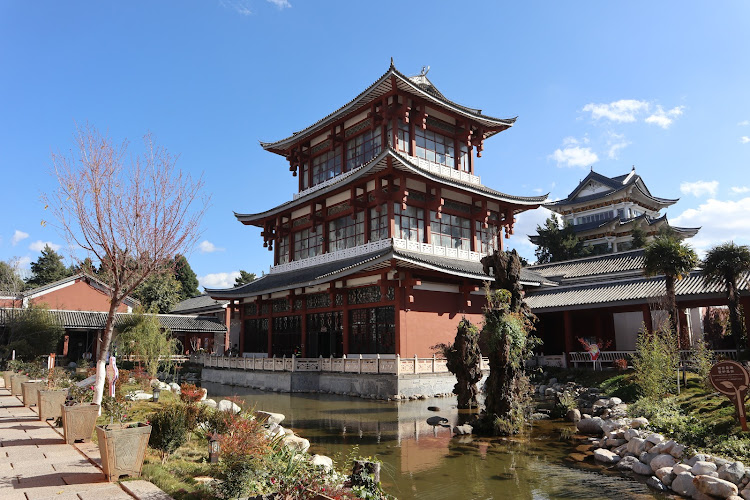
The Dali Bai Autonomous Prefecture Museum is one of those places that feels like a quiet treasure chest—you don’t stumble upon it by accident, but once you’re inside, you realize how much history and artistry is packed into its walls. Located in Dali City, this museum is dedicated to preserving and showcasing the heritage of the Bai people, one of Yunnan’s most distinctive ethnic groups. It’s not the kind of museum that overwhelms you with endless halls and exhausting exhibits. Instead, it offers a carefully curated collection of more than 15,000 artifacts, ranging from bronze drums and Buddhist sculptures to traditional Bai clothing and marble art unique to the region.

Walking through the museum, you’ll notice it balances cultural education with a sense of intimacy. The exhibits are detailed enough to keep history buffs hooked, but also visually striking, which makes them engaging even if you’re just casually exploring. Personally, I found the marble art section fascinating—Dali is famous for its marble, and seeing how it’s been used not just in architecture but also in delicate artistic pieces was a real eye-opener. The museum isn’t overly crowded most of the time, which makes it an easy place to slow down, read the captions, and actually absorb the stories behind the objects.

It’s also a family-friendly spot. Kids can wander without feeling too restricted, and the displays are colorful and varied enough to capture their curiosity. Accessibility is thoughtfully considered too, with wheelchair-accessible restrooms and clear pathways, which is something not every regional museum in China can boast about. While some visitors may feel that the museum could expand its interactive elements or modernize its displays a bit further, most people walk away with a sense of appreciation for the Bai culture and the role Dali has played in Yunnan’s broader history.

Key Features

  • Over 15,000 artifacts on display, including bronze drums, Buddhist art, and marble works
  • Special focus on the traditions, clothing, and tools of the Bai ethnic group
  • Permanent exhibits covering bronze culture, ceramic art, and regional history
  • Family-friendly environment with engaging and colorful displays
  • Wheelchair-accessible restrooms and visitor-friendly amenities
  • Less crowded compared to larger museums, allowing for a relaxed visit

Best Time to Visit

If you’re already heading to Dali, chances are you’ll be spending a lot of time outdoors—wandering around Erhai Lake, climbing up into the Cangshan Mountains, or poking through the Old Town. The museum makes for a great stop during the late morning or early afternoon, especially if you need a break from the sun or a sudden rain shower (Yunnan weather can flip on you in a heartbeat). Spring and autumn are the most comfortable seasons to visit Dali overall, and that applies to the museum too. In summer, the air-conditioning inside is a real blessing after walking around in the heat, while in winter, it’s a cozy indoor option when the mountain breeze gets chilly.

And here’s a small tip from personal experience: weekdays are noticeably quieter. If you want to avoid school groups or weekend crowds, plan your visit midweek. It gives you the space to linger in front of the exhibits without feeling rushed.

How to Get There

Reaching the Dali Bai Autonomous Prefecture Museum is pretty straightforward if you’re already in Dali City. Most travelers either stay in Xiaguan (the modern part of Dali) or in the Old Town. From Xiaguan, it’s just a short taxi ride or even a local bus away. If you’re staying in the Old Town, expect about a 30–40 minute drive depending on traffic. Taxis and ride-hailing apps are reliable and inexpensive, and drivers are usually familiar with the museum since it’s a known landmark.

For those who enjoy a bit of local flavor, hopping on a public bus can be an adventure in itself. Signs are in Chinese, but locals are generally helpful if you ask. My advice: screenshot the name of the museum in Chinese characters before you go, just in case you need to show it to someone.

Tips for Visiting

First off, don’t rush it. While the museum isn’t massive, it deserves at least a couple of hours if you want to appreciate the details. Bring a bottle of water with you—though there are restrooms and basic amenities, you won’t always find a café or vending machine nearby.

Photography is usually allowed in most areas, but always double-check the signs because some of the artifacts are sensitive to flash. If you’re traveling with kids, point them toward the clothing and tools sections; they tend to be more tactile and visually engaging, which helps keep younger visitors interested.

One thing I personally recommend is brushing up a little on Bai culture before you go. Even a quick read about their architecture, festivals, or language adds a whole new layer of meaning when you’re standing in front of their traditional artifacts. And if you’re someone who loves souvenirs, while the museum itself doesn’t have a big gift shop, the surrounding area in Dali has plenty of markets where you can pick up Bai-inspired crafts and textiles.

Lastly, pace yourself. The museum is best enjoyed as part of a wider Dali itinerary—it’s not the headline act like Erhai Lake or the Three Pagodas, but it’s an enriching stop that ties the whole story of the region together. Think of it as the place that gives context to everything else you’ll see and experience in Dali. And honestly, isn’t that what makes travel feel more meaningful? When you connect the dots between landscapes, people, and history, suddenly the trip feels more like a story you’re living through rather than just a checklist of sights.

Key Features

  • Over 15,000 artifacts on display, including bronze drums, Buddhist art, and marble works
  • Special focus on the traditions, clothing, and tools of the Bai ethnic group
  • Permanent exhibits covering bronze culture, ceramic art, and regional history
  • Family-friendly environment with engaging and colorful displays
  • Wheelchair-accessible restrooms and visitor-friendly amenities
  • Less crowded compared to larger museums, allowing for a relaxed visit

More Details

Updated September 23, 2025


Description

The Dali Bai Autonomous Prefecture Museum is one of those places that feels like a quiet treasure chest—you don’t stumble upon it by accident, but once you’re inside, you realize how much history and artistry is packed into its walls. Located in Dali City, this museum is dedicated to preserving and showcasing the heritage of the Bai people, one of Yunnan’s most distinctive ethnic groups. It’s not the kind of museum that overwhelms you with endless halls and exhausting exhibits. Instead, it offers a carefully curated collection of more than 15,000 artifacts, ranging from bronze drums and Buddhist sculptures to traditional Bai clothing and marble art unique to the region.

Walking through the museum, you’ll notice it balances cultural education with a sense of intimacy. The exhibits are detailed enough to keep history buffs hooked, but also visually striking, which makes them engaging even if you’re just casually exploring. Personally, I found the marble art section fascinating—Dali is famous for its marble, and seeing how it’s been used not just in architecture but also in delicate artistic pieces was a real eye-opener. The museum isn’t overly crowded most of the time, which makes it an easy place to slow down, read the captions, and actually absorb the stories behind the objects.

It’s also a family-friendly spot. Kids can wander without feeling too restricted, and the displays are colorful and varied enough to capture their curiosity. Accessibility is thoughtfully considered too, with wheelchair-accessible restrooms and clear pathways, which is something not every regional museum in China can boast about. While some visitors may feel that the museum could expand its interactive elements or modernize its displays a bit further, most people walk away with a sense of appreciation for the Bai culture and the role Dali has played in Yunnan’s broader history.

Key Features

  • Over 15,000 artifacts on display, including bronze drums, Buddhist art, and marble works
  • Special focus on the traditions, clothing, and tools of the Bai ethnic group
  • Permanent exhibits covering bronze culture, ceramic art, and regional history
  • Family-friendly environment with engaging and colorful displays
  • Wheelchair-accessible restrooms and visitor-friendly amenities
  • Less crowded compared to larger museums, allowing for a relaxed visit

Best Time to Visit

If you’re already heading to Dali, chances are you’ll be spending a lot of time outdoors—wandering around Erhai Lake, climbing up into the Cangshan Mountains, or poking through the Old Town. The museum makes for a great stop during the late morning or early afternoon, especially if you need a break from the sun or a sudden rain shower (Yunnan weather can flip on you in a heartbeat). Spring and autumn are the most comfortable seasons to visit Dali overall, and that applies to the museum too. In summer, the air-conditioning inside is a real blessing after walking around in the heat, while in winter, it’s a cozy indoor option when the mountain breeze gets chilly.

And here’s a small tip from personal experience: weekdays are noticeably quieter. If you want to avoid school groups or weekend crowds, plan your visit midweek. It gives you the space to linger in front of the exhibits without feeling rushed.

How to Get There

Reaching the Dali Bai Autonomous Prefecture Museum is pretty straightforward if you’re already in Dali City. Most travelers either stay in Xiaguan (the modern part of Dali) or in the Old Town. From Xiaguan, it’s just a short taxi ride or even a local bus away. If you’re staying in the Old Town, expect about a 30–40 minute drive depending on traffic. Taxis and ride-hailing apps are reliable and inexpensive, and drivers are usually familiar with the museum since it’s a known landmark.

For those who enjoy a bit of local flavor, hopping on a public bus can be an adventure in itself. Signs are in Chinese, but locals are generally helpful if you ask. My advice: screenshot the name of the museum in Chinese characters before you go, just in case you need to show it to someone.

Tips for Visiting

First off, don’t rush it. While the museum isn’t massive, it deserves at least a couple of hours if you want to appreciate the details. Bring a bottle of water with you—though there are restrooms and basic amenities, you won’t always find a café or vending machine nearby.

Photography is usually allowed in most areas, but always double-check the signs because some of the artifacts are sensitive to flash. If you’re traveling with kids, point them toward the clothing and tools sections; they tend to be more tactile and visually engaging, which helps keep younger visitors interested.

One thing I personally recommend is brushing up a little on Bai culture before you go. Even a quick read about their architecture, festivals, or language adds a whole new layer of meaning when you’re standing in front of their traditional artifacts. And if you’re someone who loves souvenirs, while the museum itself doesn’t have a big gift shop, the surrounding area in Dali has plenty of markets where you can pick up Bai-inspired crafts and textiles.

Lastly, pace yourself. The museum is best enjoyed as part of a wider Dali itinerary—it’s not the headline act like Erhai Lake or the Three Pagodas, but it’s an enriching stop that ties the whole story of the region together. Think of it as the place that gives context to everything else you’ll see and experience in Dali. And honestly, isn’t that what makes travel feel more meaningful? When you connect the dots between landscapes, people, and history, suddenly the trip feels more like a story you’re living through rather than just a checklist of sights.

Key Highlights

  • Over 15,000 artifacts on display, including bronze drums, Buddhist art, and marble works
  • Special focus on the traditions, clothing, and tools of the Bai ethnic group
  • Permanent exhibits covering bronze culture, ceramic art, and regional history
  • Family-friendly environment with engaging and colorful displays
  • Wheelchair-accessible restrooms and visitor-friendly amenities
  • Less crowded compared to larger museums, allowing for a relaxed visit

Location

Places to Stay Near Dali Bai Autonomous Prefecture Museum

Find and Book a Tour

Explore More Travel Guides

No reviews found! Be the first to review!

Traveler Reviews for Dali Bai Autonomous Prefecture Museum

There are no reviews yet. Be the first one to write one.

Share Your Experience

Have you visited Dali Bai Autonomous Prefecture Museum? Help other travelers by sharing your review.

Find Accommodations Nearby

Recommended Tours & Activities

Visitor Reviews

There are no reviews yet. Be the first one to write one.

Share Your Experience

Have you visited Dali Bai Autonomous Prefecture Museum? Help other travelers by leaving a review.