
Osservatorio Vulcanologico Vesuviano – INGV
About Osservatorio Vulcanologico Vesuviano – INGV
Description
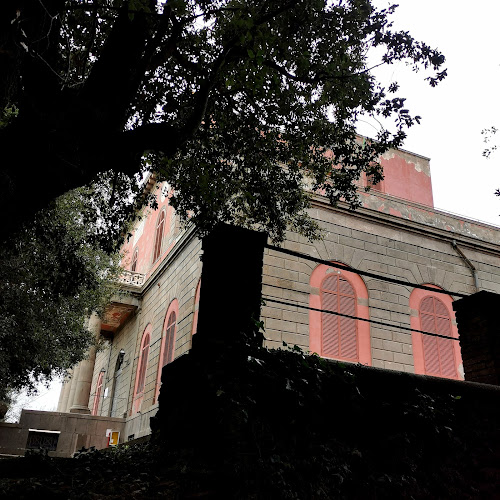
Standing as Italy's oldest volcanological observatory, the Osservatorio Vulcanologico Vesuviano isn't just another tourist stop - it's a living piece of scientific history that continues to keep watch over Mount Vesuvius. I absolutely love how this place combines cutting-edge volcanic monitoring with fascinating historical exhibits. The moment you step inside this stunning 19th-century building, you're transported into the world of volcanology.
The observatory's museum showcases an impressive collection of vintage scientific instruments, detailed volcanic models, and interactive displays that help make sense of the complex world of volcanoes. Y'know what's really cool? You can actually see some of the original seismographs that scientists used to study Vesuvius back in the day. And trust me, the views of the Bay of Naples from up here are absolutely breathtaking!
Key Features
- Historic seismological instruments and monitoring equipment
- Interactive exhibits explaining volcanic activity
- Panoramic observation deck overlooking Vesuvius and Naples
- Original architectural features from 1841
- Modern volcanic monitoring center
- Educational displays about the history of volcanology
- Research library containing historical documents
- Geological specimens and rock collections
Best Time to Visit
From my experience, the best time to check out the observatory is during spring (April-May) or fall (September-October). The weather's just perfect then - not too hot like those brutal Naples summers, and you'll get crystal-clear views of Vesuvius. I'd recommend planning your visit for a weekday morning when there are fewer visitors around. That way, you can take your time exploring the exhibits without feeling rushed.
How to Get There
Getting to the observatory takes a bit of planning, but it's totally worth it! You can catch the Circumvesuviana train from Naples to Ercolano, then hop on one of the local buses that head up the mountain. If you're driving (which honestly makes things easier), follow the signs for Ercolano, then take the winding road up toward Vesuvius. Just keep in mind that parking can be tricky during peak tourist season.
Tips for Visiting
Here's the inside scoop on making the most of your visit: First off, give yourself at least 2 hours to properly explore everything - there's way more to see than you might think! I learned this the hard way when I rushed through my first visit. Make sure to bring your camera - the views are incredible, especially on clear days.
It's super helpful to book your visit in advance, especially if you're interested in joining one of their guided tours. The guides really know their stuff and can explain the complex scientific equipment in ways that actually make sense. Oh, and don't forget to wear comfortable shoes - you'll be doing quite a bit of walking.
Some parts of the exhibits are only in Italian, so downloading a translation app beforehand might come in handy. And while they do have wheelchair-accessible parking, some areas of the historic building can be a bit challenging to navigate. Pro tip: try to time your visit with one of their special demonstrations of the monitoring equipment - it's fascinating to see how they track volcanic activity in real-time!
Lastly, bring a light jacket even in summer - it can get surprisingly breezy up there. And definitely pack some water and snacks, as the cafeteria options are pretty limited. Trust me on this one - you'll want to stay longer than you initially planned!
Key Features
- Historic seismological instruments and monitoring equipment
- Interactive exhibits explaining volcanic activity
- Panoramic observation deck overlooking Vesuvius and Naples
- Original architectural features from 1841
- Modern volcanic monitoring center
- Educational displays about the history of volcanology
- Research library containing historical documents
- Geological specimens and rock collections
More Details
Updated May 16, 2025
Table of Contents
- Description
- Key Features
- Best Time to Visit
- How to Get There
- Tips for Visiting
- Key Highlights
- Location
- Places to Stay Near Osservatorio Vulcanologico Vesuviano - INGV
- Find and Book a Tour
- Explore More Travel Guides
- Nearby Places You Might Like
- Traveler Reviews for Osservatorio Vulcanologico Vesuviano – INGV
- Share Your Experience
Description
Standing as Italy’s oldest volcanological observatory, the Osservatorio Vulcanologico Vesuviano isn’t just another tourist stop – it’s a living piece of scientific history that continues to keep watch over Mount Vesuvius. I absolutely love how this place combines cutting-edge volcanic monitoring with fascinating historical exhibits. The moment you step inside this stunning 19th-century building, you’re transported into the world of volcanology.
The observatory’s museum showcases an impressive collection of vintage scientific instruments, detailed volcanic models, and interactive displays that help make sense of the complex world of volcanoes. Y’know what’s really cool? You can actually see some of the original seismographs that scientists used to study Vesuvius back in the day. And trust me, the views of the Bay of Naples from up here are absolutely breathtaking!
Key Features
- Historic seismological instruments and monitoring equipment
- Interactive exhibits explaining volcanic activity
- Panoramic observation deck overlooking Vesuvius and Naples
- Original architectural features from 1841
- Modern volcanic monitoring center
- Educational displays about the history of volcanology
- Research library containing historical documents
- Geological specimens and rock collections
Best Time to Visit
From my experience, the best time to check out the observatory is during spring (April-May) or fall (September-October). The weather’s just perfect then – not too hot like those brutal Naples summers, and you’ll get crystal-clear views of Vesuvius. I’d recommend planning your visit for a weekday morning when there are fewer visitors around. That way, you can take your time exploring the exhibits without feeling rushed.
How to Get There
Getting to the observatory takes a bit of planning, but it’s totally worth it! You can catch the Circumvesuviana train from Naples to Ercolano, then hop on one of the local buses that head up the mountain. If you’re driving (which honestly makes things easier), follow the signs for Ercolano, then take the winding road up toward Vesuvius. Just keep in mind that parking can be tricky during peak tourist season.
Tips for Visiting
Here’s the inside scoop on making the most of your visit: First off, give yourself at least 2 hours to properly explore everything – there’s way more to see than you might think! I learned this the hard way when I rushed through my first visit. Make sure to bring your camera – the views are incredible, especially on clear days.
It’s super helpful to book your visit in advance, especially if you’re interested in joining one of their guided tours. The guides really know their stuff and can explain the complex scientific equipment in ways that actually make sense. Oh, and don’t forget to wear comfortable shoes – you’ll be doing quite a bit of walking.
Some parts of the exhibits are only in Italian, so downloading a translation app beforehand might come in handy. And while they do have wheelchair-accessible parking, some areas of the historic building can be a bit challenging to navigate. Pro tip: try to time your visit with one of their special demonstrations of the monitoring equipment – it’s fascinating to see how they track volcanic activity in real-time!
Lastly, bring a light jacket even in summer – it can get surprisingly breezy up there. And definitely pack some water and snacks, as the cafeteria options are pretty limited. Trust me on this one – you’ll want to stay longer than you initially planned!
Key Highlights
- Historic seismological instruments and monitoring equipment
- Interactive exhibits explaining volcanic activity
- Panoramic observation deck overlooking Vesuvius and Naples
- Original architectural features from 1841
- Modern volcanic monitoring center
- Educational displays about the history of volcanology
- Research library containing historical documents
- Geological specimens and rock collections
Location
Places to Stay Near Osservatorio Vulcanologico Vesuviano - INGV
Find and Book a Tour
Explore More Travel Guides
No reviews found! Be the first to review!
Traveler Reviews for Osservatorio Vulcanologico Vesuviano – INGV
There are no reviews yet. Be the first one to write one.
Have you visited Osservatorio Vulcanologico Vesuviano – INGV? Help other travelers by sharing your review.
You Might Also Like

Villa Campolieto
House of the Wooden Sacellum
Terme Maschili
Find Accommodations Nearby
Recommended Tours & Activities
Visitor Reviews
There are no reviews yet. Be the first one to write one.
Share Your Experience
Have you visited Osservatorio Vulcanologico Vesuviano – INGV? Help other travelers by leaving a review.