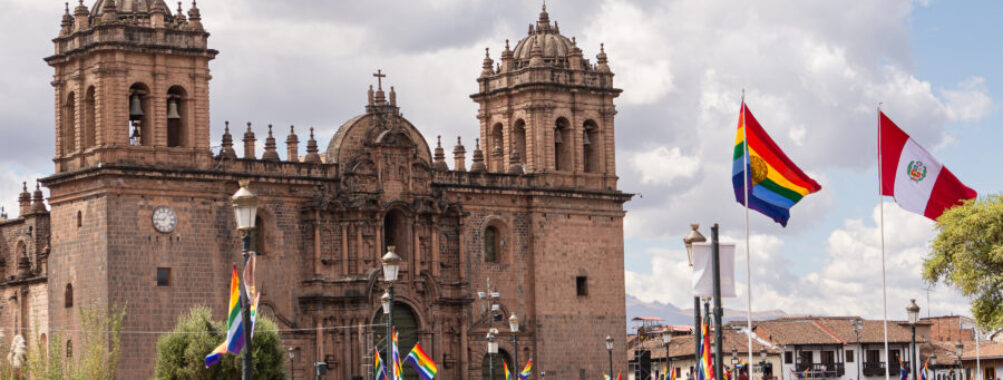
Where to Stay in Cusco: 5 Best Areas & Hotels for Every Budget
Updated January 9, 2026
Deciding where to stay in Cusco can be tricky. Each neighborhood has its own pace—some keep you steps from ancient ruins and lively plazas, others offer quiet mornings with mountain views. Your best area depends on what you want out of Cusco: culture-packed streets, laid-back corners, or proximity to the main sights.
I’ve spent plenty of time wandering these neighborhoods—from the steep lanes in San Blas to the bustling markets near San Pedro—trying out a mix of hotels and hostels so you don’t have to. This guide breaks down the top areas, who they suit, and my favorite places to stay. No endless scrolling needed. You’ll get direct, real tips for every budget and travel style.
Key Takeaways
- Figure out which Cusco neighborhoods fit your style and budget.
- See trusted hotel and hostel picks near the main landmarks.
- Skip hours of research with a clear, firsthand overview.
Table of Contents
- Choosing the Best Neighborhood for Your Stay
- Match Your Travel Style to the Right Cusco Area
- Budget, Experience, and Group Size
- 1. Staying in the Historic Center and Plaza de Armas
- Why Stay in the Heart of Cusco
- Top Hotels Near Plaza de Armas
- Iconic Landmarks and Sights
- 2. San Blas: The Bohemian Artisan Quarter
- Art and Culture in San Blas
- Best Boutique Hotels and Guesthouses
- Navigating the Hills and Views
- 3. San Cristóbal and Santa Ana: History and Panoramas
- Quiet Spots with City Views
- Boutique and Mid-Range Hotels
- 4. San Pedro: Local Life and Market Vibes
- Why Stay Near San Pedro Market
- Best Hostels and Social Stays
- 5. Lucrepata: Tranquil Stays for Families and Groups
- Family-Friendly Hotels and Apartments
- Comfort and Convenience in a Local Neighborhood
- Types of Accommodation in Cusco
- Luxury Hotels and Oxygen-Enriched Suites
- Best Boutique and Mid-Range Hotel Picks
- Budget Hotels, Hostels, and Private Stays
- Proximity to Top Attractions and Day Trips
- Access to Machu Picchu, Sacred Valley, and Inca Trail
- Transportation Tips: Getting Around from Your Hotel
- Frequently Asked Questions
- What are the most recommended hotels in Cusco for an authentic local experience?
- Can you suggest unique lodging options that offer an immersive stay in Cusco?
- What neighborhoods in Cusco provide the safest accommodations for tourists?
- Where should I consider staying in Cusco to have convenient access to Machu Picchu?
- Which areas in Cusco are ideal for travelers embarking on the Inca Trail adventure?
- Could you identify the top 5-star hotels in Cusco known for exceptional service and amenities?
- Book Your Dream Experience
- More Travel Guides
Choosing the Best Neighborhood for Your Stay
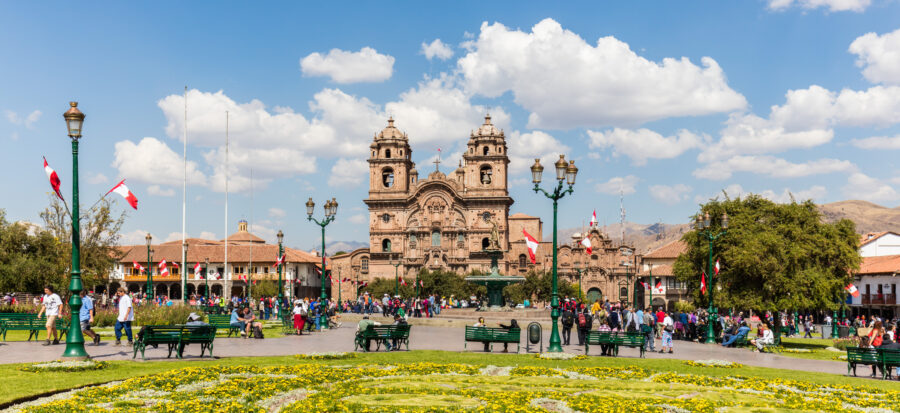
Cusco isn’t massive, but every district feels different. Some buzz late, others stay calm and cobbled. Where you stay shapes your trip—think about how you want to spend your days, and how much you want to balance comfort, cost, and location.
Match Your Travel Style to the Right Cusco Area
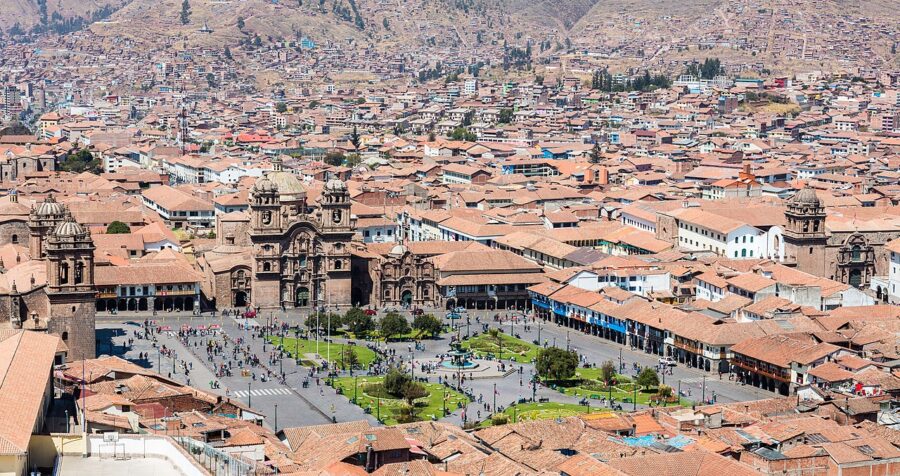
If you want history and instant access to landmarks, Plaza de Armas or the Historic Center is the move. You’ll step outside and see Spanish churches and Inca stonework within minutes. It’s busy, but that’s part of the charm.
For a slower, artsier vibe, San Blas feels like an artist’s nook. Steep alleys, little cafés, and workshops spill along the hills. The city views make the climb worthwhile. I like to stay here when I want a quiet morning—locals still say hello as they pass.
Looking for budget digs? Head north to San Cristobal. You’ll find cheaper rooms and hostels with rooftops. For quick airport runs or overnight stops, Wanchaq is practical—nothing fancy, but it’s close to the airport and easy for heavy bags.
Budget, Experience, and Group Size
Cusco’s prices range from affordable to sky-high. Luxury hotels like Palacio del Inka even offer oxygen-enriched rooms—helpful at 11,000 feet. Plenty of mid-range options give you comfort without draining your wallet.
Traveling with friends? Try apartments or guesthouses in San Blas—shared spaces feel homey and cooking together is easy. Solo? Smaller hostels near the Historic Center are social and safe.
| Factor | Best Fit Area | Why It Works |
|---|---|---|
| Tight Budget | San Cristobal / Wanchaq | Hostels, short taxi rides |
| Cultural Focus | Historic Center | Walk to museums and ruins |
| Peaceful Stay | San Blas | Artsy, local cafés |
| Short Visit | Near Airport | Fast arrivals and departures |
Altitude is real here—drink water, take it slow, and pick a spot where you’ll feel good waking up.
1. Staying in the Historic Center and Plaza de Armas

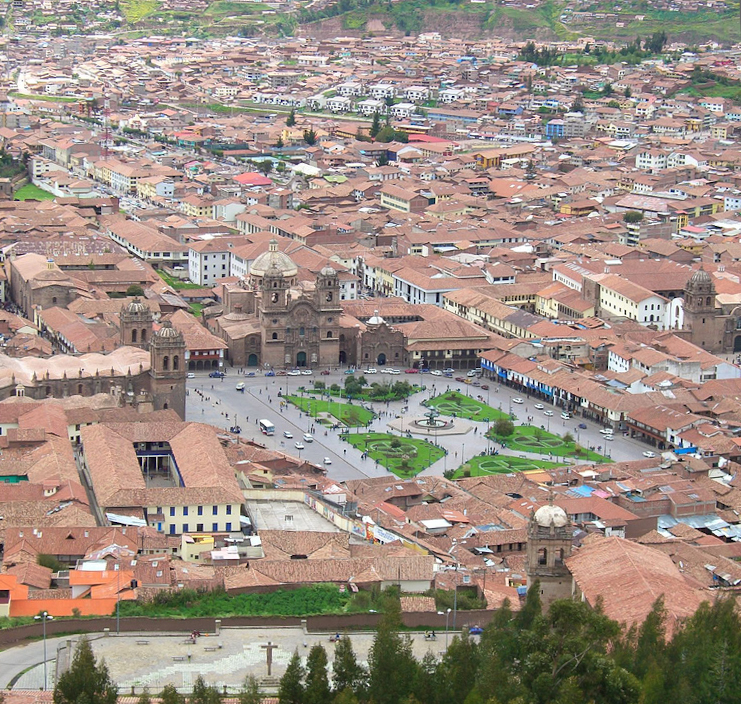
Staying in Cusco’s historic center puts you right in the middle of Inca stonework, colonial facades, and lively plazas. This area’s mix of walkability, history, and architecture makes it a top pick for anyone who wants the essentials close by.
Why Stay in the Heart of Cusco
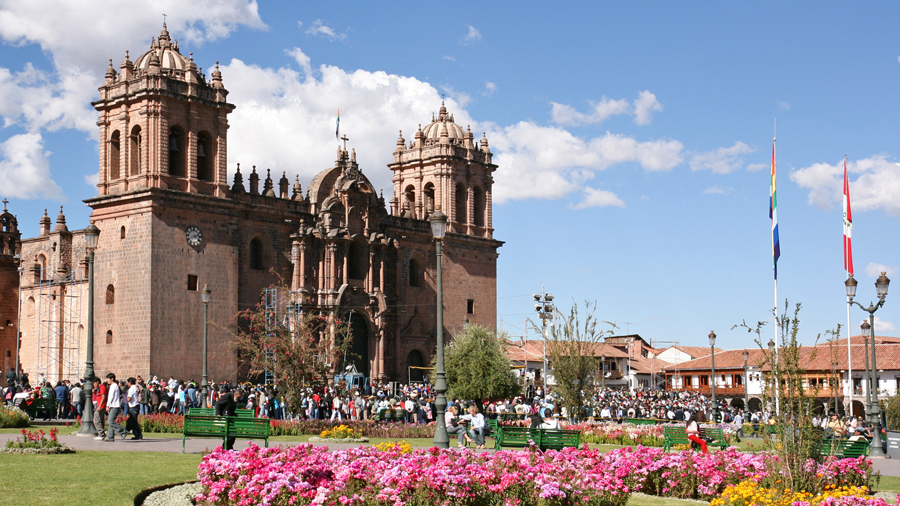
The historic center feels like a living museum. You can walk from your hotel to Qoricancha, the Cusco Cathedral, or the San Pedro Market in just a few minutes. Staying here means you skip taxis and spend more time actually seeing things.
You’ll spot the old Inca walls forming the base for colonial buildings. There’s something about touching those ancient stones and realizing just how much history is layered here. I still remember my first dusk walk through Plaza de Armas—streetlights bouncing off the stone, locals chatting over coffee. The old and new just mesh together.
It gets crowded, sure, especially during festivals, but safety and access are excellent. If you want to walk outside and instantly be in the thick of it, this is your spot.
Top Hotels Near Plaza de Armas
Here’s a quick look at some top hotels right by the plaza:
| Hotel | Type | Notable Feature |
|---|---|---|
| Belmond Hotel Monasterio | Luxury | 16th-century monastery, oxygen-enriched suites |
| Belmond Palacio Nazarenas | Luxury | Inca stone meets colonial style |
| JW Marriott El Convento Cusco | Luxury | Built on Inca foundations |
| Casa Andina Premium Cusco | Upper Mid-Range | Modern rooms near the square, good value |
These places keep original architecture but add the comforts you want. The Belmonds especially have standout service—staff who remember you, rooms with heated floors for chilly nights.
Nearby, boutique and mid-range hotels offer charm, often in renovated homes with quiet inner courtyards. You can easily find solid three-star picks with breakfast and walk-everywhere convenience.
Iconic Landmarks and Sights

From the Plaza de Armas, everything’s a short walk. Start at the Cusco Cathedral, built right over an Inca palace—gold altars, colonial art, the works. Just past it, narrow streets lead to Calle Hatunrumiyoc and the famous 12-angled stone—a classic Inca detail.
Five minutes away, you’ll hit San Pedro Market. Even if you’re not shopping, it’s worth a look. It’s loud, smells like fresh bread and fruit, and gives you a real taste of local life. Try coca tea, grab chocolate, or chat with a vendor.
Don’t skip the smaller churches and courtyards. Some hide peaceful corners where you can catch your breath between museums. From cathedral sunrise mass to street performers at sunset, the Plaza de Armas always has something going on.
2. San Blas: The Bohemian Artisan Quarter
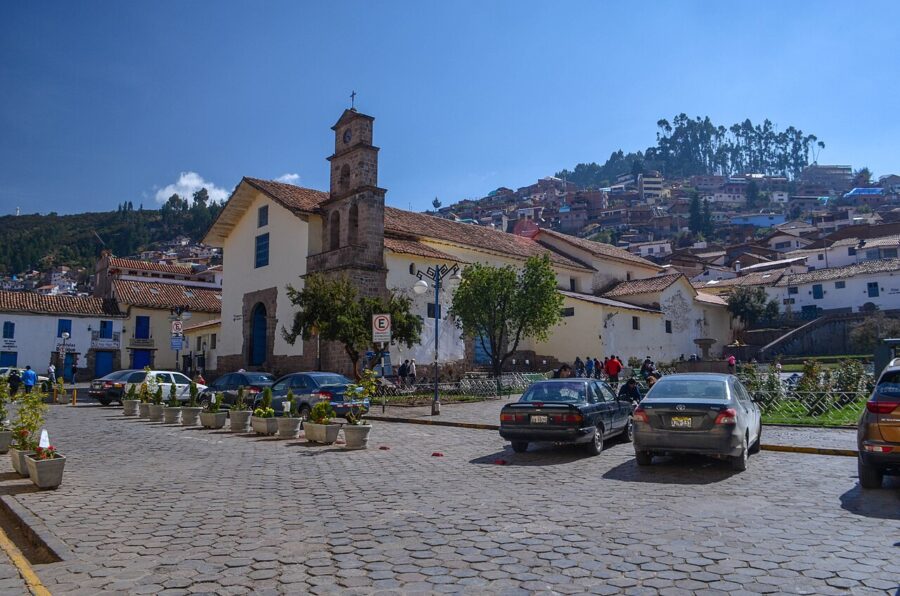
San Blas brings together old Cusco and a creative energy that still feels genuine. Tight cobblestone streets, whitewashed houses, and the constant buzz of workshops give it a unique pull. You’re close to the Plaza de Armas but with a more personal, laid-back feel.
Art and Culture in San Blas
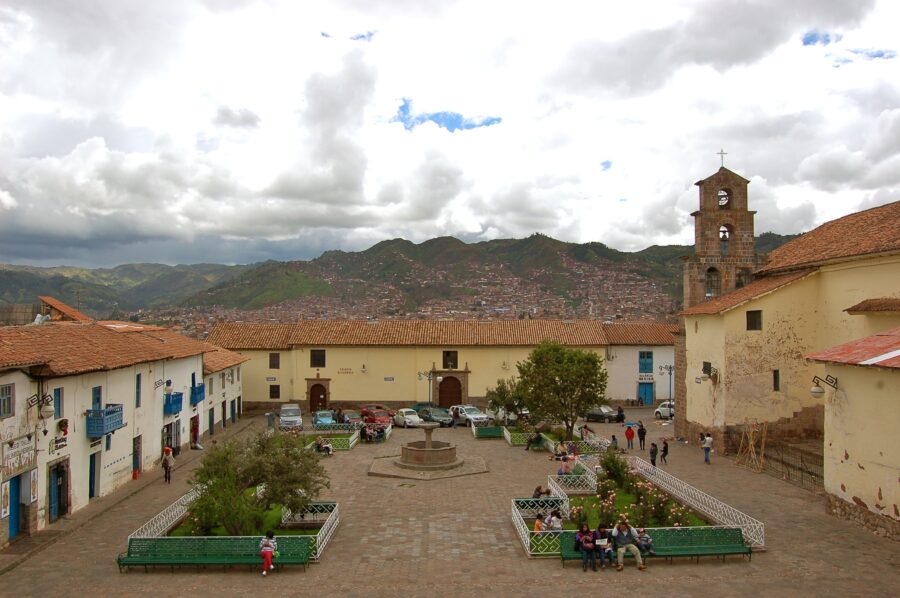
Head uphill from the main square to Plaza San Blas and you’ll see why artists have made this hillside home for ages. The street names might blur together, but peek behind those blue doors—inside, families work with clay, silver, and textiles, often in the same rooms their grandparents used.
The artisanal markets here are all about handmade goods. Pottery with Incan designs, carved wood, and woven textiles fill tables along Calle Hatunrumiyoc. Stop and talk to the artisans—most are happy to explain their work or show you how it’s done. On weekends, musicians play in the plaza, adding to the layered sounds and colors that make this area so memorable.
Best Boutique Hotels and Guesthouses
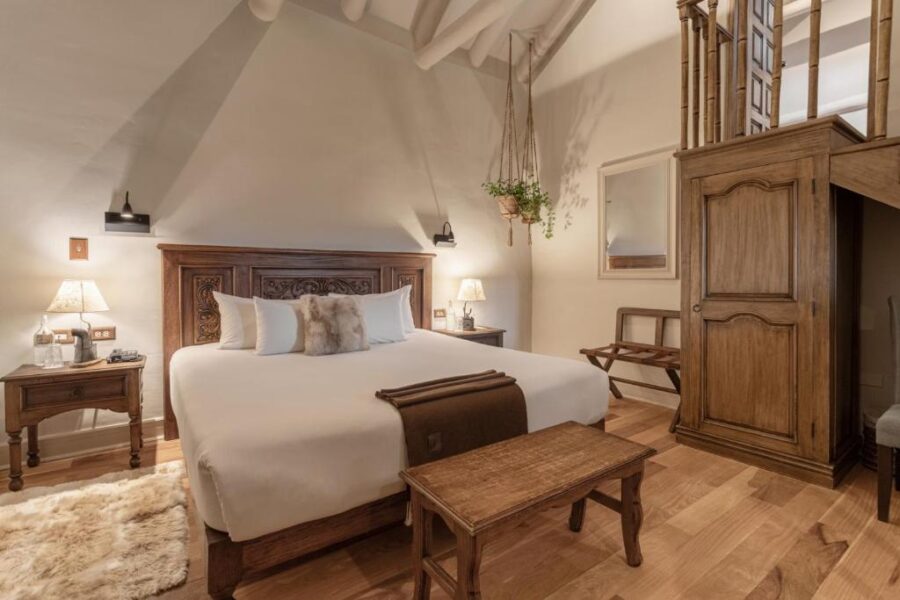
San Blas hotels feel more like homes than commercial stays, often in restored colonial buildings. Antigua Casona San Blas is a standout—rustic stone walls, modern comforts, and a courtyard that’s perfect for a quiet tea when it rains.
For something smaller, Quinta San Blas by Ananay Hotels offers classic style and a homey vibe. Inkaterra La Casona is all about understated luxury in a 16th‑century mansion. Even Casa Andina San Blas gives you reliable comfort just steps from cafés, galleries, and bakeries with fresh empanadas.
| Hotel | Style | Distance to Plaza de Armas |
|---|---|---|
| Antigua Casona San Blas | Boutique charm | 10 min walk |
| Quinta San Blas by Ananay Hotels | Classic colonial | 8 min walk |
| Inkaterra La Casona | Luxury heritage | 5 min walk |
| Casa Andina San Blas | Modern comfort | 12 min walk |
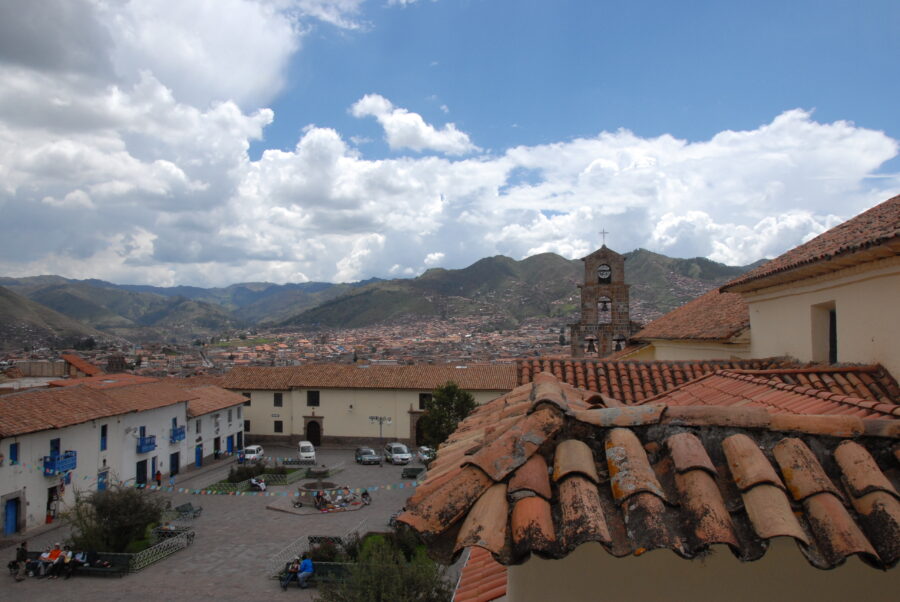
Getting around San Blas means climbing—those narrow streets are steep, so wear good shoes and take your time. But the views pay off. From Cuesta San Blas, you can see over the city’s rooftops and across the whole valley.
Cars rarely make it up the alleys, so walking is the way to go. You’ll pass murals, tiny churches, and endless stone steps, but there’s usually something interesting at the top. When you finally reach a café or terrace, the city view below feels earned. It’s the kind of place where you just sit and think, yeah, this is Cusco.
3. San Cristóbal and Santa Ana: History and Panoramas
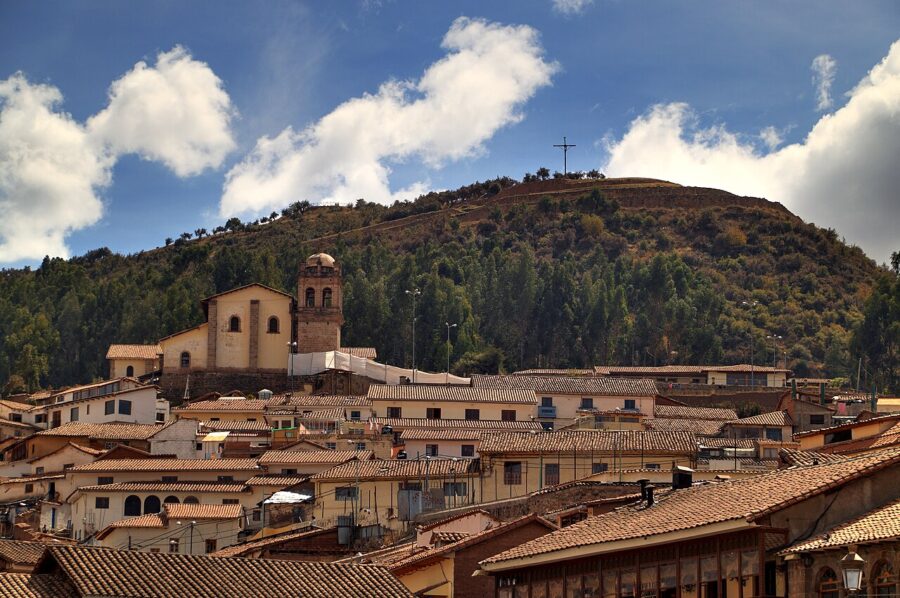
These two hillsides rise above Cusco’s center, offering sweeping views of the city and its rooftops. They’re old neighborhoods where Inca stone meets colonial facades, and quiet corners still feel tucked away from the city below.
Quiet Spots with City Views
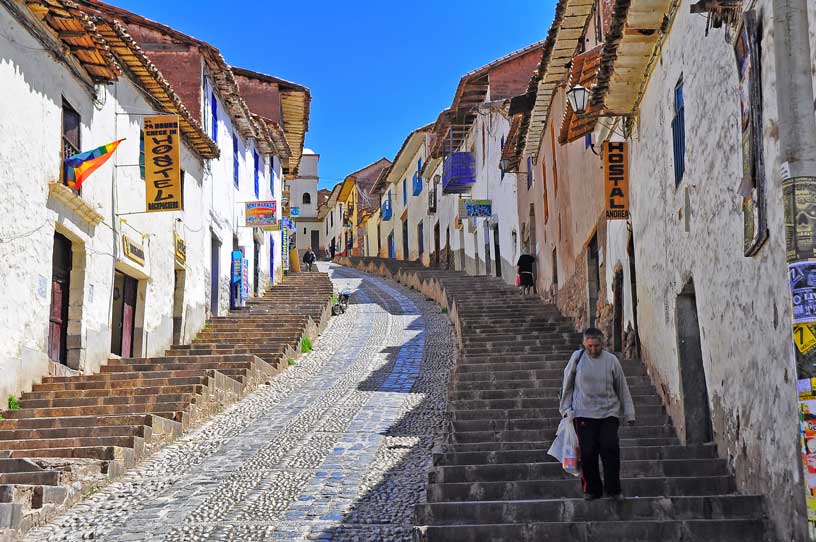
San Cristóbal sits just north of the Plaza de Armas, near the San Cristóbal church and not far from Sacsayhuamán. From the church viewpoint, you see all of Cusco—the Spanish grid, red roofs, and the mountains wrapping around it. It’s especially nice late in the day when the sun hits the stone walls.
Santa Ana climbs the other side, up the Cuesta de Santa Ana. It’s one of the oldest barrios and still feels lived-in. The Santa Ana Viewpoint gives you a different angle—higher, quieter. Walk its narrow lanes and you’ll spot adobe homes, Inca foundations, and a small colonial church over the main square. At night, the city lights look like scattered lanterns. You’ll hear dogs and maybe a pan flute in the distance—that’s Cusco’s after-dark soundtrack.
Boutique and Mid-Range Hotels
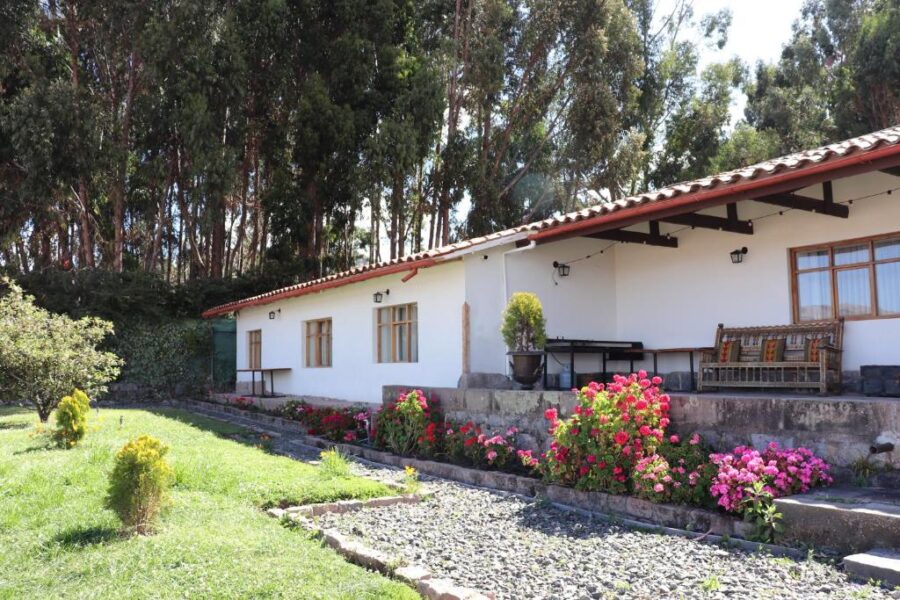
Both areas have smaller hotels tucked into restored colonial houses. In San Cristóbal, Palacio Manco Capac by Ananay Hotels stands out. Once a noble’s residence, now a boutique stay, rooms open onto gardens or terraces with wide views of Cusco. Sunrise here is something else.
Santa Ana has simpler, family-run inns and guesthouses with personal touches—think breakfast on a terrace, homemade jam, and the city stretching out below. Some use original Inca walls in their design, mixing past and present. It’s not flashy, but the warmth of the hosts and the scenery often beat a five-star lobby downtown.
See Related: The Most Undiscovered Places in the World: Exploring Hidden Gems Off the Beaten Path
4. San Pedro: Local Life and Market Vibes

Staying near San Pedro drops you into Cusco’s everyday rhythm. The market, train tracks, and the hum along Avenida El Sol put you right in the middle of Andean life—roasted corn smells, Quechua chatter, and a vibe that’s more real than polished.
Why Stay Near San Pedro Market
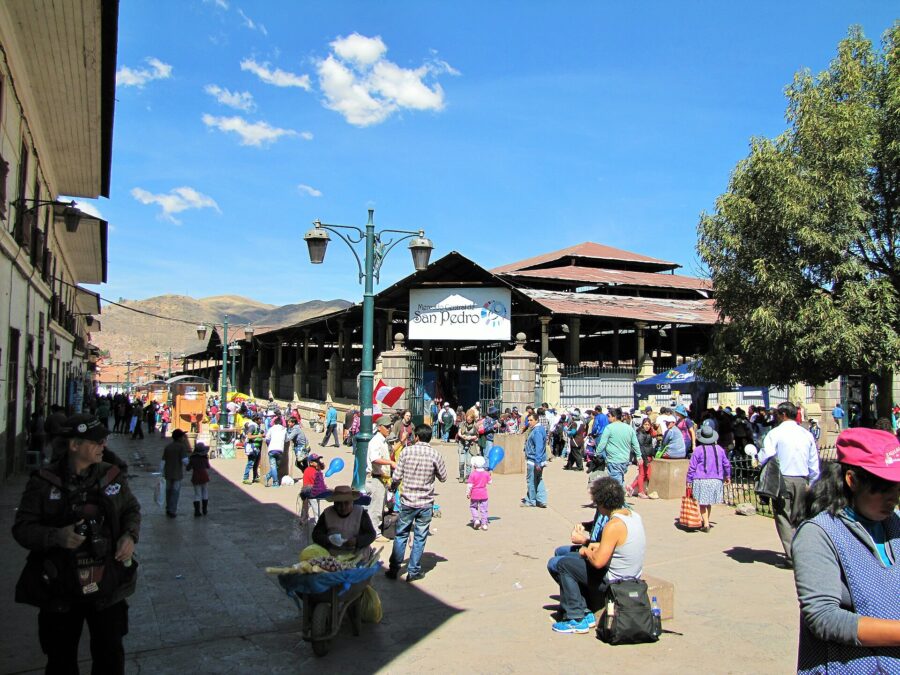
San Pedro Market sits just a short walk west of the Plaza de Armas, so you’re still close to Cusco’s main sights. But the mood shifts as soon as you cross over—fewer touristy cafés, more street vendors hustling fresh juice and cheese bread before sunrise. It’s a part of town that never really sleeps.
This area wakes up early. You can grab breakfast from a stall inside the market before catching a tour bus to the Sacred Valley. At night, the narrow streets quiet down, giving you a break from the downtown buzz.
Here’s what makes San Pedro stand out:
| Feature | What Makes It Appealing |
|---|---|
| Location | 10–12 minute walk to the Plaza de Armas |
| Atmosphere | Local, lively, more grounded than San Blas |
| Food | Cheap menus, Andean soups, juices made fresh |
| Budget | Lower prices than the Historic Center |
You’ll spot travelers mixing with shopkeepers and schoolkids. That’s the draw—getting a slice of real daily life, not just passing through as a visitor.
Best Hostels and Social Stays

San Pedro offers a steady mix of budget hostels, guesthouses, and small family-run hotels along Calle Nueva and Santa Clara. They’re simple but welcoming, with courtyards for drying laundry and common rooms where backpackers swap Machu Picchu tips.
For a more social vibe, look for spots with shared kitchens, breakfast terraces, or walking tours that kick off right at the door. If you’re heading to Ollantaytambo early, check your distance to the San Pedro train station—it’ll make your morning a lot smoother.
A few options that get good word-of-mouth:
- Hostels with rooftop views of Cusco’s hills.
- Family-run guesthouses: basic rooms, strong Wi-Fi, warm blankets.
- Boutique-style hostels: dorm prices, hotel perks.
You won’t see luxury chains here, but you will find genuine warmth—a shared breakfast table, coca tea, and advice on catching the cheapest colectivo. That’s often more useful than a minibar, honestly.
5. Lucrepata: Tranquil Stays for Families and Groups
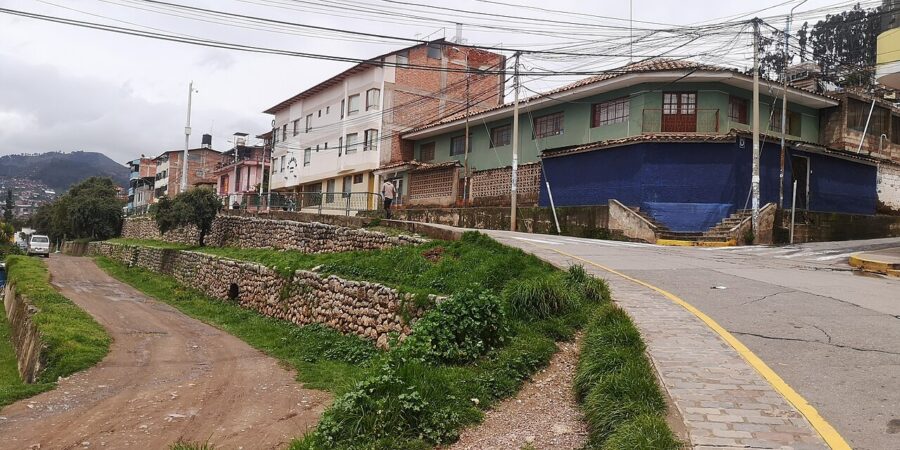
Lucrepata sits just above San Blas and a short walk from Cusco’s Plaza de Armas, but it’s quieter and feels more local. Streets are calm, the city view stretches over red-tiled roofs, and it works especially well for families or small groups who want some peace without missing out on the center.
Family-Friendly Hotels and Apartments
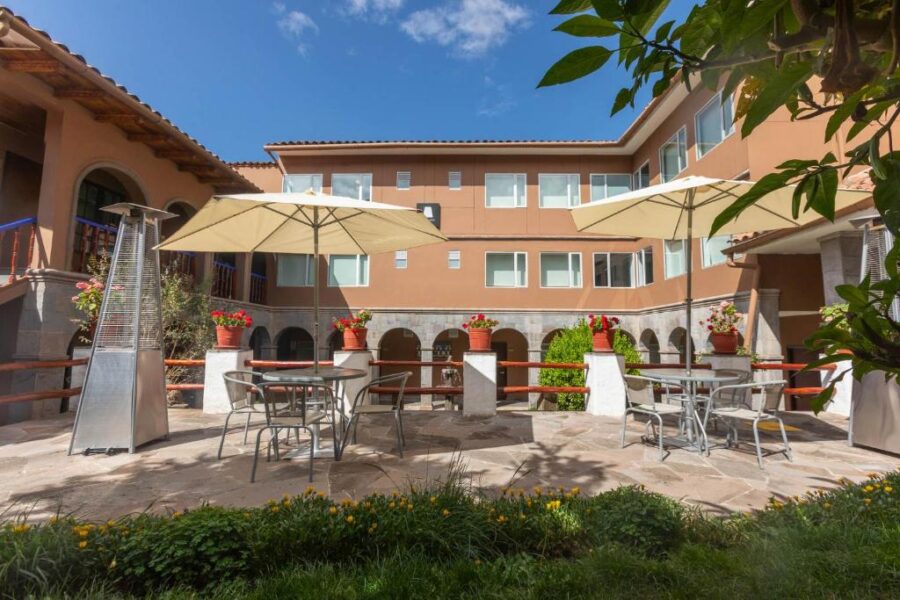
Lucrepata’s relaxed pace suits families who want space and privacy. You’ll find small guesthouses and apartments where you can cook, unwind, and adjust to the altitude at your own speed. Many rentals—like Departamento Familiar Lucrepata or homestays with patios—offer kitchens, washing machines, and terraces with panoramic views.
Some mid-range hotels—usually tidy, nothing flashy—have family rooms and hosts who are used to helping travelers plan trips to the Sacred Valley. They’ll set up early breakfasts for tours or even arrange babysitting. Here’s a glance:
| Type | Example | Key Benefit |
|---|---|---|
| Small hotel | Casa Andina Standard Cusco San Blas | Reliable service, central access |
| Apartment rental | Lucrepata Family Apartment | Self-catering, affordable for groups |
| Homestay | Host Patricia’s House | Local experience, home-cooked meals |
If you’re with kids or friends, this area balances convenience with quiet—you’re close to town but away from Cusco’s late-night scene.
Comfort and Convenience in a Local Neighborhood
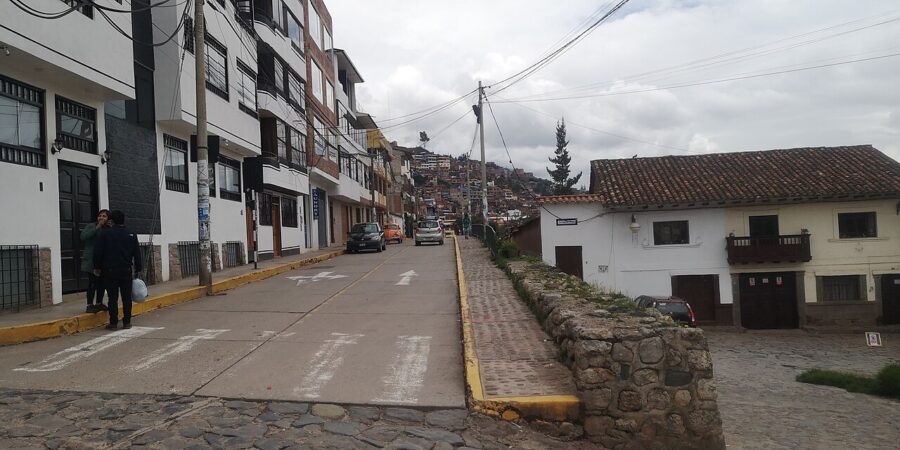
Lucrepata feels less touristy than the Historic Centre. You can walk to San Blas cafés for breakfast or pick up fruit at a local stand. The walk to Plaza de Armas is about ten minutes downhill, but heading back up will remind you of Cusco’s altitude—don’t say I didn’t warn you.
The neighborhood keeps a lived-in vibe—courtyards, small bakeries, stray dogs napping in the sun. You’ll hear church bells more than cars. Roads are narrow but safe, and taxis or rideshares have no trouble finding you.
Most places offer solid Wi‑Fi, hot showers, and airport shuttles if you ask. Some can even set up Sacred Valley tours, saving you a trip downtown. If you want a calm base with a local rhythm and practical comfort, Lucrepata is a smart pick.
Types of Accommodation in Cusco
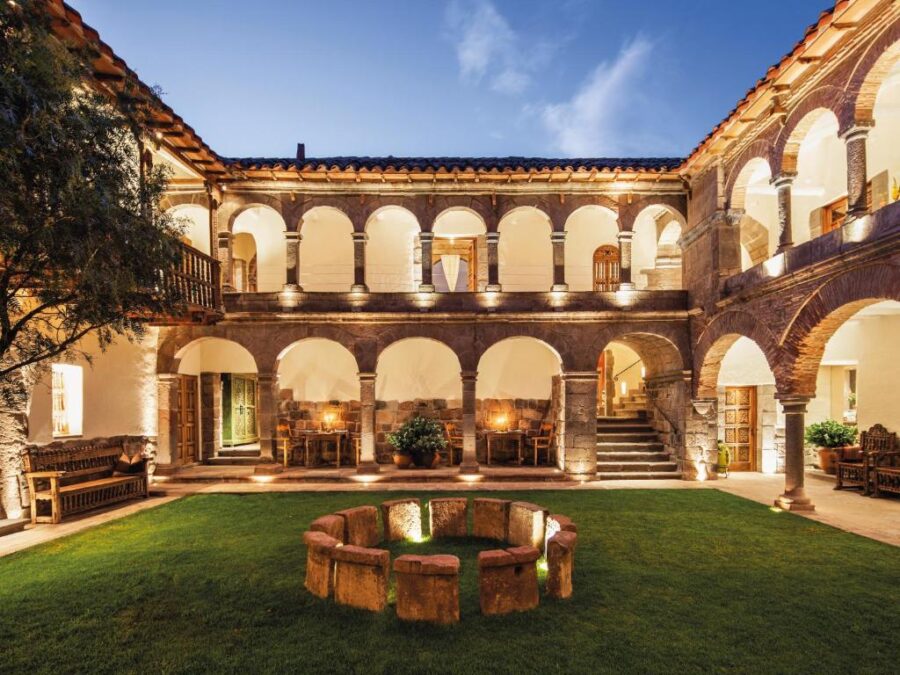
Cusco’s range of stays is surprisingly broad—everything from former monasteries turned luxury hotels to hostels and family-run guesthouses. Prices swing with the season, so comparing neighborhoods is key for both comfort and budget.
Luxury Hotels and Oxygen-Enriched Suites
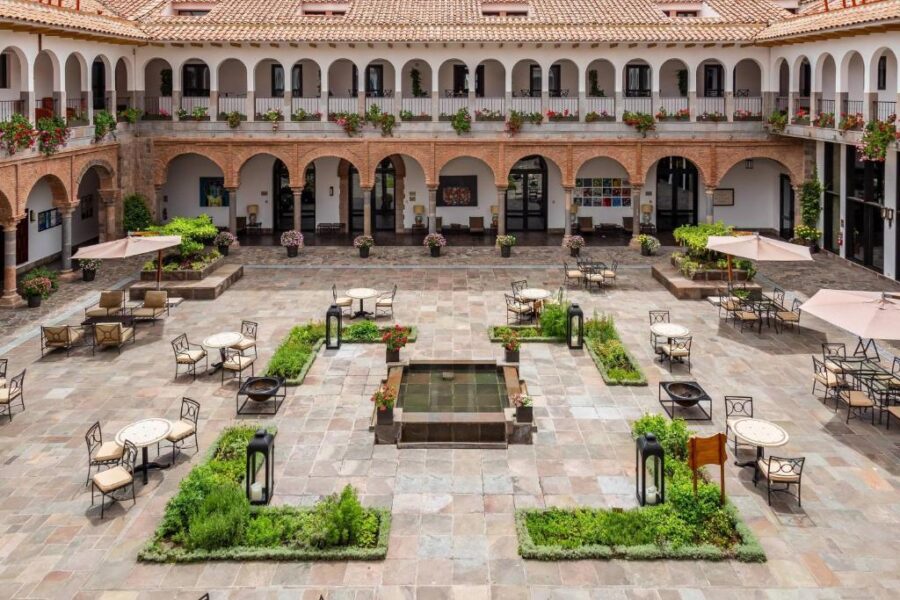
If you’re after comfort, Cusco’s luxury hotels blend colonial architecture with modern perks to help you handle the altitude. JW Marriott El Convento Cusco sits inside a restored convent and offers oxygen-enriched rooms—a real help with altitude sickness. After a day at Machu Picchu or Sacsayhuamán, you can relax in the stone courtyard with a pisco sour.
Inkaterra La Casona, part of Relais & Châteaux, has just 11 suites with fireplaces and heated floors—those touches matter on chilly Andean nights. Service is discreet but personal, the kind where they remember how you take your tea.
Belmond’s hotels anchor the high end, with careful restoration and Spanish-era details intact. Expect top amenities and high prices. For deals, check KAYAK or Booking.com to see which suite lines up with your plans.
Best Boutique and Mid-Range Hotel Picks
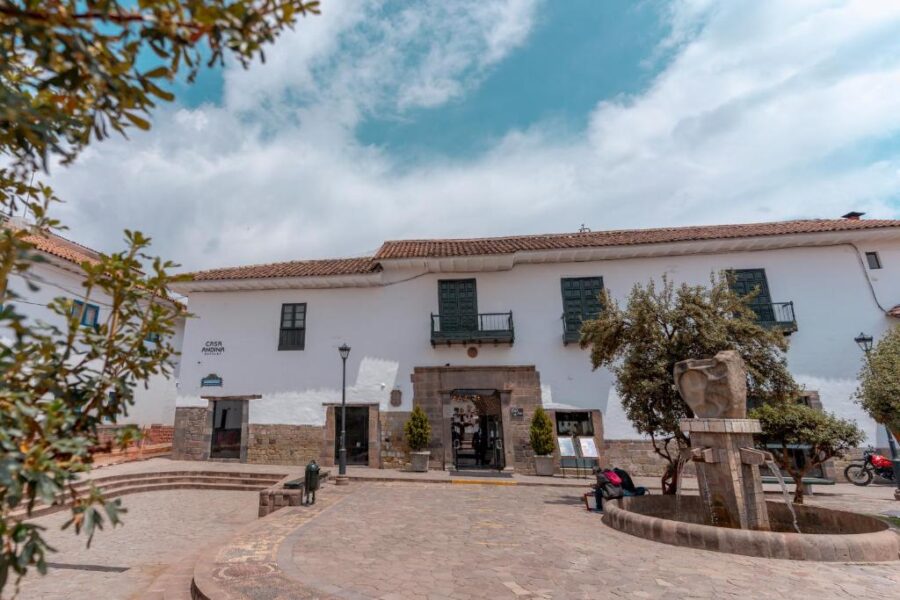
Cusco’s boutique hotels often strike a nice balance between character and price. Casa Andina Premium Cusco and San Agustín El Dorado are reliable mid-range picks, both near the Plaza de Armas. Expect wood interiors, strong Wi-Fi, and breakfast buffets with local fruit and quinoa pancakes (worth trying).
Smaller independent hotels cluster around San Blas, the hillside artisan area. I once stayed in a colonial home there—stone floors, mismatched furniture, a rooftop view that made the climb worthwhile. The staff shared altitude tips and even walked me to a taxi for an early tour.
Most boutique stays now mix old and new—historic buildings with modern baths, heaters that actually work, and Andean textiles instead of bland prints. You can check reviews or book directly through Booking.com to avoid overpaying during busy times.
Budget Hotels, Hostels, and Private Stays
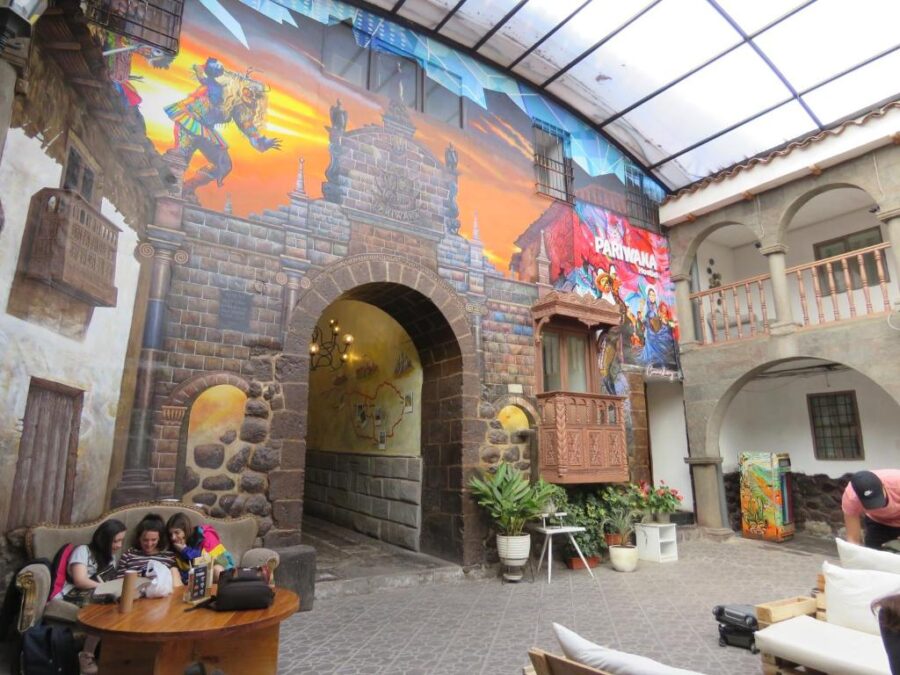
If you’re watching your wallet, you’ll still find clean, affordable hotels in Cusco for $25–50 per night. Many cluster near San Pedro Market, where you get the most local flavor—fresh juice, handmade souvenirs, and plenty of noise. The prices make up for it.
Hostels pop up everywhere, often in colonial homes with courtyards. You’ll meet travelers coming from or heading to the Inca Trail. Shared kitchens and laundry make these spots handy for longer stays. Some hostels throw in breakfast and coca tea to help you acclimate.
Private stays or small guesthouses feel homier. Owners might greet you with a map, safety tips, or a glass of hot muña tea. For last-minute rooms or to compare deals, try Expedia. It’s a fast way to scroll through Cusco’s budget options without bouncing between booking sites.
See Related: The Most Surreal Places in the World: Where Reality Feels Like a Dream
Proximity to Top Attractions and Day Trips

Staying near Cusco’s main routes saves time and makes it easier to explore Inca sites at your own pace. The right location can really streamline day trips.
Access to Machu Picchu, Sacred Valley, and Inca Trail

Almost every trip from Cusco starts with a transfer toward the Sacred Valley. The train to Machu Picchu leaves from Poroy or Ollantaytambo stations, with early departures that fill up fast—book ahead. Most people stay near the historic center or San Blas for short, cheap rides to those stations.
The Sacred Valley—Pisac, Urubamba, Ollantaytambo—offers smaller ruins, markets, and villages. It’s less crowded than Cusco and sits at a lower elevation, so it’s a relief if you’re still adjusting. I tend to suggest staying in Cusco for a few nights before heading down to the valley for a deeper dive.
If you’re hiking the Inca Trail, operators arrange early pick-ups from central hotels. Staying close to main avenues makes those early shuttles easier. You can book attractions and tours ahead of time to secure permits, especially in high season.
Transportation Tips: Getting Around from Your Hotel

Cusco’s compact layout means most places are a 10–15 minute walk from the Plaza de Armas. The steep streets are no joke, especially at 11,000 feet. For longer trips—like to Alejandro Velasco Astete International Airport or the bus terminal—taxis are cheap and easy.
For day trips outside the city, look for stays near main pickup spots like Avenida El Sol. That street goes straight to the Sacred Valley and mountain routes, making things simpler. You can book day trips and activities in advance if you want to skip last-minute haggling.
A quick tip: keep small bills for taxis; drivers rarely have change. And if you’re coming back late, confirm ride prices before you hop in. Cusco nights get quiet quickly, but planning ahead keeps things smooth.
See Related: The Top Vacation Spot in the World: Discover the Ultimate Destination
Frequently Asked Questions

Picking where to stay in Cusco is a bit of a puzzle—each neighborhood brings its own mix, from quiet residential streets to lively markets and music. Some hotels lean into history and atmosphere, others focus on comfort and easy access to Machu Picchu or the Inca Trail.
What are the most recommended hotels in Cusco for an authentic local experience?
For a real sense of Cusco’s culture, go for small, locally owned hotels or guesthouses. The best ones are tucked in San Blas or near San Pedro Market, where you’ll wake up to fresh bread and neighbors chatting over coffee.
Some owners might invite you into their kitchen for coca tea. That kind of personal connection tells you more about Cusco than any museum. Look for hotels that support local artisans and use traditional décor—they’re more memorable and meaningful.
Can you suggest unique lodging options that offer an immersive stay in Cusco?
Cusco’s got some genuinely memorable places to sleep. Think restored colonial-era homes with creaky floors and courtyards, or boutique inns built right into Inca stonework—sometimes you’ll spot centuries-old walls in your room. On the city’s edge, a handful of eco-lodges blend sustainable design with local materials, so you get those mountain views without straying far from the action.
For something a bit different, check out the historic monasteries that now operate as luxury hotels. Wandering their old hallways feels surreal, and they somehow manage to be both peaceful and fully equipped—hot showers, fast Wi-Fi, the works. It’s history you can touch, but you’re not roughing it.
What neighborhoods in Cusco provide the safest accommodations for tourists?
You’ll want to look at the Centro Histórico near the Plaza de Armas or the San Blas district. Both areas are well-lit, and hotels usually have staff on hand 24/7. It’s easy to walk back after dinner without much hassle—something I wish more cities could promise.
I’d skip staying far from the center, especially near the bus terminals at night. Those zones just feel less organized and can be tricky to navigate if you’re new in town. Stick with places that have plenty of reviews and visible security.
Where should I consider staying in Cusco to have convenient access to Machu Picchu?
If Machu Picchu tops your list, aim for a spot close to San Pedro Station or the city center. Trains to Aguas Calientes (that’s your launch point for Machu Picchu) depart from Poroy Station—a quick ride out of town—or from San Pedro, right in Cusco. Being nearby makes catching those early trains a lot less stressful.
Plenty of hotels offer luggage storage while you’re off exploring Machu Picchu for a night or two. It’s a small detail but makes your trip so much easier.
Which areas in Cusco are ideal for travelers embarking on the Inca Trail adventure?
If you’re heading out early for the Inca Trail, the Centro Histórico is your best bet. Most trekking companies pick up guests from hotels close to the Plaza de Armas, so you won’t be scrambling around in the pre-dawn dark.
Some folks prefer San Blas for its quieter vibe, and it’s still within easy reach of trekking offices and base camps. You’ll get a better night’s sleep before the altitude kicks in, which, trust me, makes a difference.
Could you identify the top 5-star hotels in Cusco known for exceptional service and amenities?
If you’re aiming for luxury, Cusco doesn’t disappoint. Belmond Hotel Monasterio feels like a blend of art gallery and peaceful retreat, with its cloistered courtyards and centuries-old details. Palacio del Inka, a Luxury Collection Hotel, puts you right by Qorikancha and offers a spa that’s genuinely worth your time.
Another standout: JW Marriott El Convento Cusco. This restored convent somehow stays calm and quiet, even though you’re just steps from the city’s main square. Staff at these hotels know how to make you comfortable—think oxygen-enriched rooms and herbal teas whenever you need them.