
Last modified August 17, 2026
Trying to choose between Monemvasia and Lindos? Yeah, it’s tough. It really depends on the kind of getaway you’re after. If you’re drawn to a quieter, fortress-like town with cobbled alleys and medieval walls, Monemvasia’s probably calling your name. But if you want a lively island village, whitewashed houses, and that famous acropolis view, Lindos is the clear winner.
Both places ooze history and charm, but the flavors are wildly different.
Monemvasia hides itself on a giant rock off the Peloponnese. You don’t even see it until you cross the narrow causeway. Honestly, it feels like you’ve slipped into another century. You can wander for ages and hardly see another soul.
Lindos, perched on Rhodes, greets you with lively squares, rooftop tavernas, and that climb to the acropolis—trust me, it’s worth every step.
I’ve spent time in both. The atmospheres couldn’t be more different. Monemvasia is secretive, fortress-like, almost introverted. Lindos is open, social, buzzing with energy.
Which one fits you better? That’s all about whether you want solitude or a vibrant island vibe.
Key Takeaways
- Monemvasia is your spot for a hidden medieval fortress feel
- Lindos serves up a lively island village with those iconic views
- It all comes down to whether you crave quiet charm or vibrant energy
Monemvasia vs Lindos: At a Glance
Monemvasia and Lindos both have a strong sense of place, shaped by their wild geography, unique culture, and centuries of history.
Monemvasia nestles into the rugged Peloponnese coast. Lindos sits sun-soaked on Rhodes. The way you get there, the feeling of the streets, and the stories behind every stone—these set each place apart.
Location and Accessibility

Monemvasia rests on a small island, connected to the Peloponnese by a skinny causeway. It’s part of Laconia, and honestly, it feels pretty remote compared to Greece’s tourist hotspots.
Most folks drive from Athens—about four hours—or take a bus if you’re not in a hurry.
Lindos, meanwhile, sits on Rhodes in the Dodecanese. You’ll almost always fly into Rhodes International Airport, then drive or hop on a bus for another 90 minutes down the coast. If you’re already island-hopping, ferries connect Rhodes with Crete, Kos, and Santorini.
To keep it simple: Monemvasia works if you’re road-tripping the mainland. Lindos fits perfectly if you’re jumping from island to island. Both require a bit of effort, but hey, that’s half the fun.
Atmosphere and Ambience
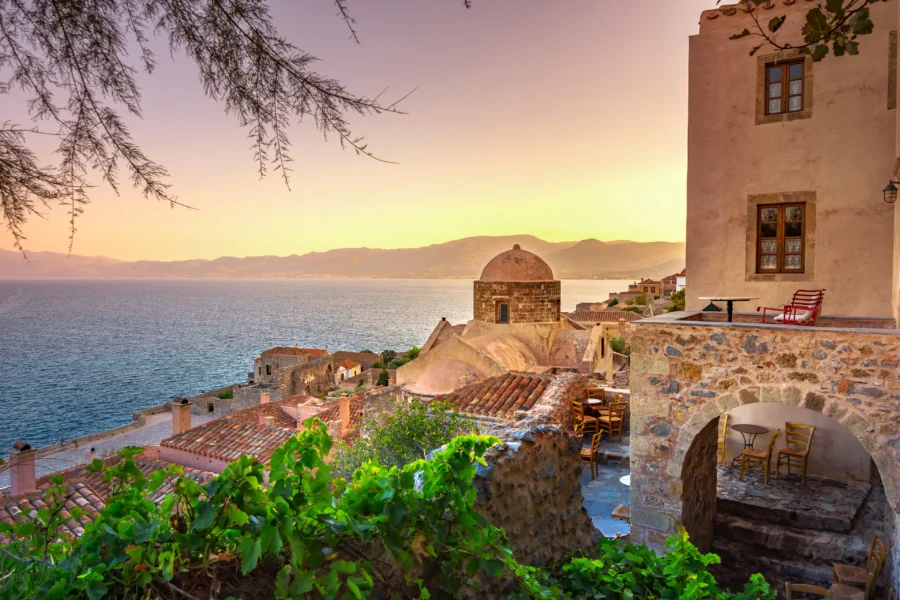
Stepping into Monemvasia feels like entering a lost fortress town. Stone houses, winding lanes, and hushed courtyards set the medieval mood. It’s calm, barely any crowds, and at night, you mostly hear the sea. If you want peace, this is the spot.
Lindos brings the buzz. Whitewashed houses tumble down the hillside, and the streets are alive with shops, tavernas, and rooftop bars. Beaches like Lindos Beach and St. Paul’s Bay sit just a stroll away. There’s nightlife, a bit of bustle, and that dreamy Greek island vibe.
So, Monemvasia feels contemplative. Lindos? It’s social. Would you rather sip wine in a quiet courtyard or join the crowd on a terrace? Only you know.
Historical Significance
Monemvasia’s story is all about defense—a medieval stronghold clinging to a massive sea rock. Byzantine churches, old walls, and crumbling mansions line the cobbled paths. You feel its strategic importance as soon as you step through the gate.
Lindos takes you even further back. The acropolis dates to the 4th century BCE, with temples for Athena Lindia, Hellenistic ruins, and traces of ancient theaters. The site soars above the town, offering both killer views and a real sense of ancient Greece.
Monemvasia whispers of medieval resilience. Lindos connects you to classical antiquity. Both are layered with history, just from totally different eras.
Monemvasia: The Hidden Fortress Town
Tucked away on a giant sea rock off Laconia, Monemvasia feels almost untouched by time. Inside the walled medieval town, you’ll stumble on Byzantine churches and winding alleys that lead to sea views and family-run tavernas.
It’s part living museum, part peaceful retreat, and it still clings to its old-world soul.
Upper and Lower Towns

Monemvasia splits into two: Upper Town and Lower Town. You’ll probably spend most of your time in the Lower Town, wandering stone-paved streets, peeking into shops, and relaxing in small squares.
The Lower Town feels alive, with locals running cafés and visitors soaking up the preserved medieval vibes.
The Upper Town sits high on the plateau, and it’s a completely different world. Mostly ruins now, but you’ll see the remains of walls, cisterns, and the dramatic Church of Agia Sophia perched at the cliff’s edge.
Climbing up is steep, but the views over the Myrtoan Sea are wild. You’ll want to stop and just stare.
The contrast is what gets you. One level is lived-in, the other an open-air archaeological site. Together, they show how people balanced daily life with defense.
Byzantine Heritage
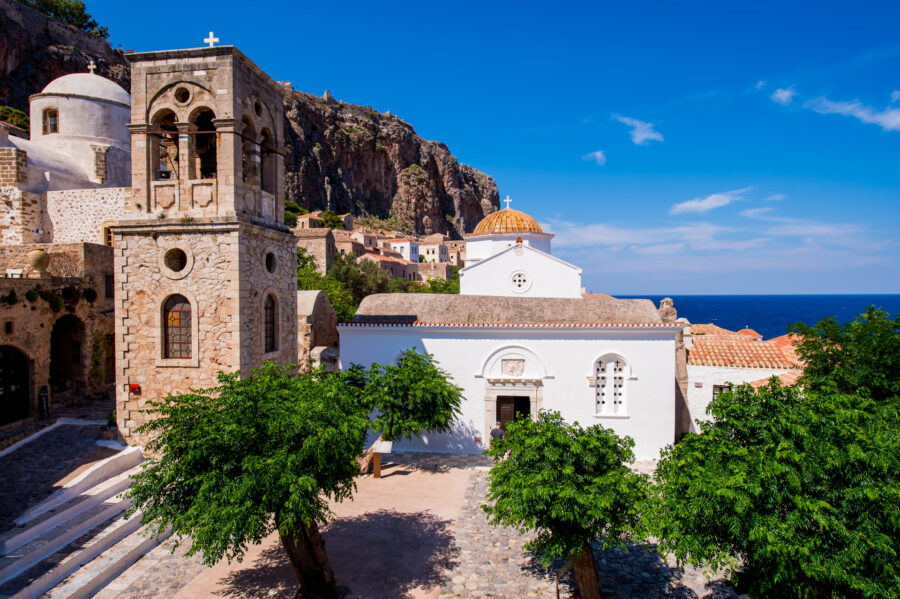
The Byzantines shaped Monemvasia, founding it in the 6th century as a hideout from invaders. “Monemvasia” actually means “single entrance,” which makes total sense once you see how the town hides behind the rock, only reachable by that narrow causeway.
Wandering the Lower Town, you’ll spot Byzantine churches tucked between houses. Some, like the Church of Elkomenos Christos, still keep their original frescoes and icons. They’re not huge, but they carry a certain weight.
What struck me most? These churches just blend into everyday life. No ropes, no fuss—you’ll find one while searching for a bakery or a shady bench. That mix of sacred and ordinary gives Monemvasia a real, lived-in feel.
Unique Accommodation Options

Monemvasia isn’t overrun by big hotels. Instead, guesthouses and boutique stays fill restored stone mansions. Some rooms keep arched ceilings or old wooden beams, so you really feel like you’re sleeping in a piece of history.
I stayed in a tiny pension tucked behind the main street. The owner brought out homemade jam for breakfast. That kind of personal touch is everywhere here.
Just a heads up: uneven steps, thick stone walls, and patchy Wi-Fi come with the territory. But honestly, that’s part of the charm.
Local Gastronomy
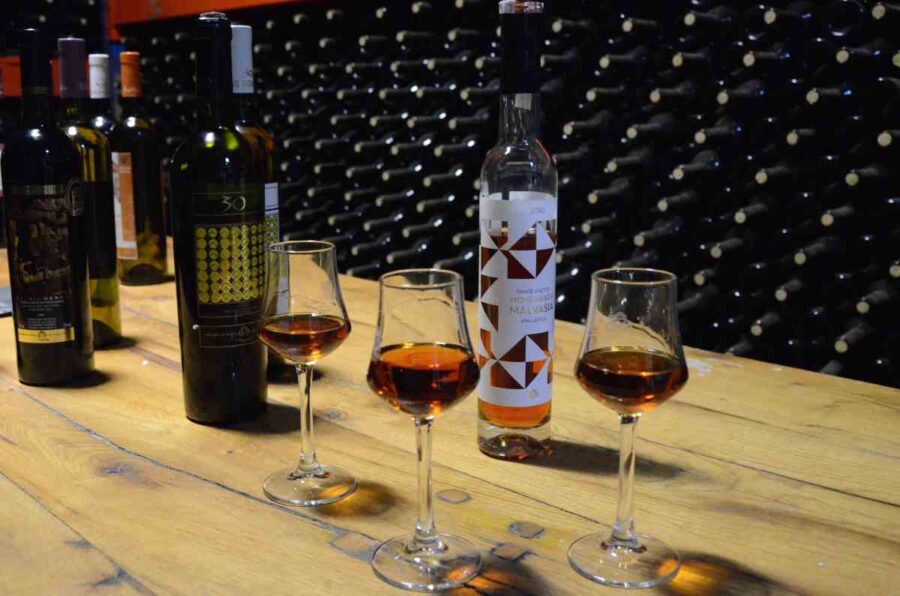
The food in Monemvasia? Simple, hearty, and straight from the land. Expect lots of fresh fish, Laconian olive oil, and local wines. The town’s famous for Malvasia wine, a sweet variety that once made waves across Europe.
Tavernas in the Lower Town serve classics like lahanodolmades (stuffed cabbage leaves) and grilled octopus. But I really loved the meze plates—ordering a bunch to share is the way to go.
One night, I ended up in a family-run spot where the owner insisted I try his wife’s eggplant baked with cheese and herbs. Not on the menu—just what the family ate that day. Those are the meals you remember.
Shops sell local goodies like honey, herbs, and bottles of that famous wine. It’s an easy way to bring a bit of Monemvasia home.
Lindos: The Jewel of Rhodes
Lindos mixes history, beauty, and coastal living with a style that’s hard to beat. You’ll find ancient ruins perched high above the sea, a whitewashed maze below, and beaches tucked into coves that feel almost secret.
Acropolis and Ancient Sites
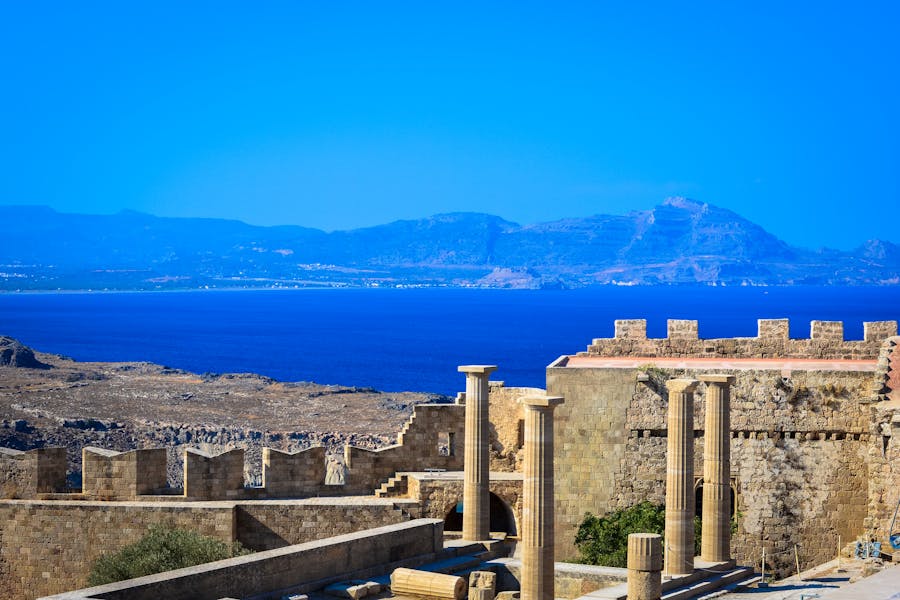
The Acropolis of Lindos steals the show. Sitting atop a steep rock, it serves up sweeping Aegean views. You climb through narrow paths—sometimes packed, sometimes peaceful—but the payoff is always big.
At the top, you’ll wander through the ruins of the Temple of Athena Lindia, dating to around 300 BC. There’s the Propylaea, a grand old gateway, and a Hellenistic stoa that once buzzed with shops and public offices.
These ruins aren’t just old stones—they’re a window into Lindos as a bustling religious and trading hub.
Standing up there, I couldn’t help but wonder if the sea looked exactly the same to ancient sailors. It’s one of those rare places where history feels alive under your feet. If you love archaeology or just a killer view, you’ll leave happy.
Whitewashed Village Charm

Down below, Lindos village is pure postcard. Whitewashed houses with blue doors, and streets so narrow that cars just can’t squeeze in.
You’ll probably get lost in the cobblestone maze, but honestly, that’s half the fun.
Shops sell handmade ceramics and jewelry, and you’ll spot lots of rooftop restaurants. Eating grilled fish while gazing up at the lit-up Acropolis at night? That’s a travel memory that sticks.
Lindos doesn’t feel as commercial as Rhodes Town. The pace is slower. Donkeys still haul loads up the hill, and locals chat in doorways. Sure, it’s touristy, but it hasn’t lost its soul.
Beaches and Coastal Appeal

What really makes Lindos special is how close the beaches are. From the main square, you can walk to Pallas Beach in five minutes. The water is shallow, calm, and clear—perfect for families or anyone who just wants an easy swim.
Head the other way and you’ll find St. Paul’s Bay, a tiny cove with a chapel overlooking the sea. It’s quieter than Pallas, especially in the morning, and feels tucked away.
If you’re feeling adventurous, boat trips leave from the harbor and cruise along the coast to hidden coves. I once hopped on one and ended up swimming where the water was so clear it looked unreal. Those little side adventures make Lindos more than just another day trip.
For lots of travelers, the mix of history, village charm, and easy-access beaches is what seals the deal. No car needed, no rush—just wander, swim, and soak it all in.
Cultural and Historical Experiences
Monemvasia and Lindos both let you walk through layers of history. Monemvasia grew out of Byzantine and Venetian power in the Peloponnese. Lindos comes from ancient Greek sanctuaries and medieval knights on Rhodes.
Each one offers a completely different way to step into Greece’s past.
Byzantine and Medieval Influences

Monemvasia—just saying the name feels like stepping into a legend. The Byzantines first carved out this fortified island town in Laconia back in the 6th century CE. It quickly became a bustling trade hub, especially for Malmsey wine, which somehow found its way to royal tables across Europe.
Later, the Venetians rolled in, beefed up the walls, and left behind those stone mansions you still see crowding the narrow lanes. If you’re a history buff (or just curious), I recommend diving into this account of Monemvasia’s Byzantine and Venetian heritage.
Lindos, way over on Rhodes, spins a different tale. Its Acropolis was sacred to Athena long before knights and crusaders got involved. When the Knights of St. John arrived, they built their strongholds right over ancient temples, so you get this wild mashup of pagan and Christian layers.
Climb the hill and you’ll spot Hellenistic ruins rubbing elbows with medieval battlements. It’s a little surreal, honestly.
What really gets me is how both towns feel like palimpsests—every empire left a mark, but nobody wiped the slate clean. You’re not just wandering through ruins; you’re literally walking on centuries of tangled power and faith.
Architectural Highlights

Monemvasia’s architecture is pure defense meets adaptation. When the Venetians showed up, they added those tall, stone houses with their balconies, mixing fortress grit with a hint of Renaissance flair.
The Upper Town used to be packed—over 500 buildings! Now, wildflowers poke through the ruins, but you can still spot churches and mansions that whisper of old wealth.
Lindos is all about drama. The Acropolis shoots up above the sea, whitewashed houses huddled below. The Temple of Athena Lindia steals the show, but you’ll also stumble across Byzantine chapels and Crusader fortress walls. This guide to the Acropolis of Lindos lays it all out if you want the details.
Monemvasia feels hidden and protective, almost secretive. Lindos, though? It’s bold and open, like a stage set above the Aegean.
Local Legends and Traditions
Legends hang in the air in both places. In Monemvasia, locals still talk about its name—“single entrance”—which hints at how tough it was for invaders to break in. Stories about the wine trade pop up too, especially since Malmsey even got a shoutout from Shakespeare.
Lindos has its own set of myths. Supposedly, Danaus’s daughters founded the town, and the temple to Athena was a top sanctuary in ancient Greece. Later, the Knights of Rhodes brought tales of sieges and battles, layering on more drama.
What sticks with you isn’t just the stones or ruins. It’s how people keep these old stories alive—whether you’re sipping local wine in Monemvasia or hearing a guide in Lindos spin tales of gods and knights, history feels alive and kicking.
Nearby Destinations and Day Trips
Greece is all about what’s just around the corner. Near Monemvasia and Lindos, you’ll run into ancient ruins, castle towns, sleepy villages, and beaches that are worth a detour. Each spot shows off a different slice of Greek history and culture, from crumbling strongholds to lively fishing ports.
Exploring Peloponnese: Olympia, Mystras, and Kalamata
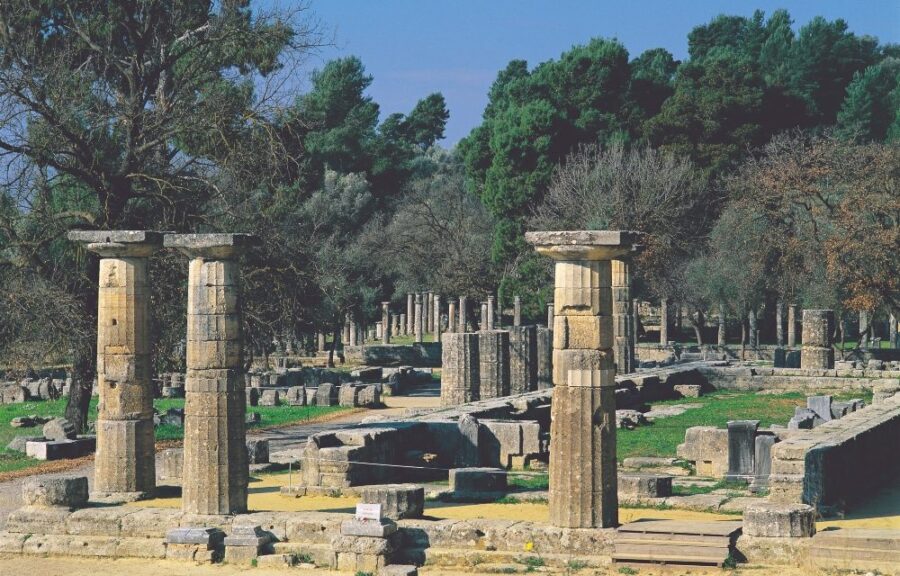
If you’re based in Monemvasia, the Peloponnese is your playground. Ancient Olympia—yep, the birthplace of the Olympic Games—is about four hours away, but if you’re into old stadiums and temples, it’s a pilgrimage worth making.
Strolling around the gymnasium and ancient track, you can almost hear the echoes of cheering crowds.
A bit closer, Mystras is a must. This UNESCO site was once a Byzantine capital, packed with palaces, churches, and frescoes. I remember sweating my way up to the fortress on a blazing afternoon, but wow—the view over the Evrotas Valley is something else.
Then there’s Kalamata. Sure, it’s famous for olives, but I found the vibe super chill. There’s a long beach, an old town that’s easy to get lost in, and tavernas everywhere. If you want to mix ancient ruins with lazy afternoons, this is your spot. You can book day tours that make hitting all these places a breeze.
Ancient Messene and Gytheio

Ancient Messene is a bit under the radar, but honestly, it blew me away. The site is huge and well-preserved, with a theater, stadium, and city walls stretching across the hills.
You can wander for hours without bumping into big crowds—always a win.
South of Monemvasia, Gytheio is a port town that’s got a real charm. Neoclassical houses, seafood tavernas along the water, and it’s the jumping-off point for the Mani Peninsula, which is one of the wildest regions in Greece.
I once stopped in Gytheio just for lunch and ended up staying the night. It pulls you in like that.
Both Messene and Gytheio are easy drives from Monemvasia, so if you’re up early, you could hit both in a day. If you don’t want to deal with maps or parking, guided excursions make it all simple.
Excursions from Lindos
Lindos is gorgeous, but don’t just stay put. A favorite day trip is to Rhodes Town, where you can roam the medieval Old Town and the Palace of the Grand Master. It’s about an hour’s drive, but it feels like you’ve time-traveled.
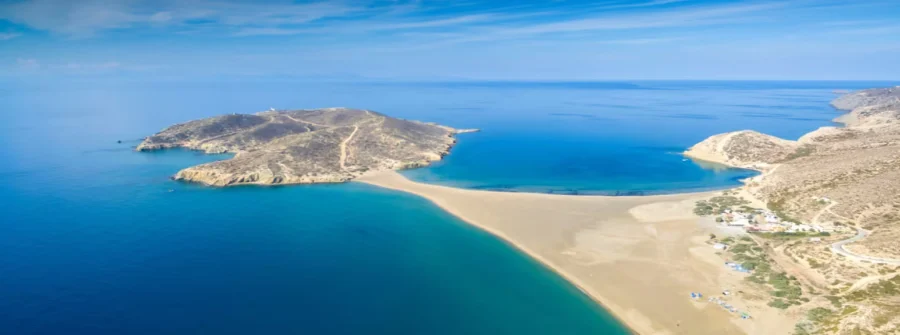
If beaches call your name, head south to Prasonisi, where the Aegean and Mediterranean literally meet. Windsurfers love it, but it’s also just cool to stand where the seas collide and watch the sandbar shift with the tides.
Boat trips from Lindos are a blast too. I joined a group cruise that stopped at Anthony Quinn Bay for snorkeling. Nothing fancy, just pure Greek summer magic. Whether you drive or set sail, Lindos is a perfect base for quick adventures.
Travel Tips: Planning Your Visit
Both Monemvasia and Lindos reward a little planning—timing, logistics, and knowing a few local tricks make all the difference. The right season, how you get there, and your approach to exploring will shape your trip more than you’d think.
Best Times to Visit

Monemvasia in July and August? It’s hot and crowded. Spring and early autumn are way better—mild weather, fewer people, and you can actually stroll the cobbled lanes without playing bumper cars.
Lindos follows a similar pattern, but its beaches shine in late spring and early fall. The sea’s warm, but the sun won’t roast you. I once visited in late May—acropolis walk in the morning, swim in St. Paul’s Bay by afternoon. Bliss.
If you can swing it, September is magic for both towns. The sea’s still warm, places to stay are easier to find on Booking.com, and the pace is just more relaxed. Winter is super quiet—some tavernas close—but if you’re into slow travel, it has its perks.
Transportation Options
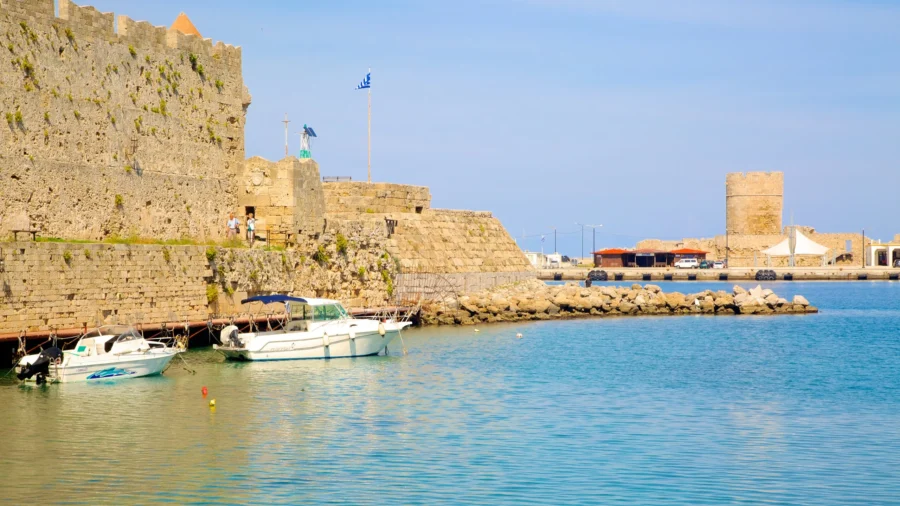
Getting to Monemvasia means a drive across the Peloponnese. Buses run from Athens, but I always recommend renting a car so you can stop at random villages and take your time. Parking’s outside the old town, so be ready to walk the causeway with your bags.
Lindos is easier if you’re already on Rhodes. Buses connect it with Rhodes Town, but they get packed in summer. A rental car gives you freedom to beach-hop or explore at your own pace.
Flights into Rhodes are frequent—just check KAYAK. For Monemvasia, Kalamata is the nearest airport, but most people fly into Athens and drive. Travel times can be longer than you expect, especially with ferries or buses, so don’t cut it too close.
Insider Advice for an Authentic Experience
Monemvasia is pure magic in the mornings. Wander the narrow alleys before the day-trippers show up, and you’ll feel like you’ve got the whole medieval town to yourself. Bring water and wear good shoes—the cobbles and steep climbs aren’t flip-flop friendly. I always toss a collapsible bottle and a lightweight daypack in my bag (here’s my travel gear list).
In Lindos, evenings steal the show. The acropolis glows at sunset, and the crowds thin out. Skip the main square and duck into a backstreet taverna—you’ll probably find better food and friendlier faces.
Curiosity pays off in both towns. Ask locals about hidden chapels or secret paths, and take your time. The slower you move, the more you’ll notice—the scent of jasmine, the clang of church bells, the way the sea changes color every hour. Those little moments? That’s what you’ll remember.
Frequently Asked Questions
Monemvasia and Lindos both offer a mix of history, scenery, and local charm, but they couldn’t feel more different. One’s a fortress town tucked into a rock, the other’s a whitewashed village beneath an ancient acropolis.
What unique experiences do Monemvasia and Lindos offer to first-time visitors in Greece?
In Monemvasia, you’ll walk through stone archways and winding alleys that seem frozen in time. The whole place hides behind a giant rock, so entering feels like stumbling onto a secret.u003cbru003eu003cbru003eLindos greets you with its acropolis perched on a cliff and beaches right below. Climb to the u003ca href=u0022https://lindos-rhodes.gr/lindos-acropolis/u0022 target=u0022_blanku0022 rel=u0022noreferrer noopeneru0022u003eAcropolis of Lindosu003c/au003e for epic views, then cool off in St. Paul’s Bay.
Which destination is recommended for couples seeking a romantic getaway, Monemvasia or Lindos?
If you’re craving quiet romance, Monemvasia is perfect. Stone guesthouses, candlelit tavernas, and those endless sea views—it’s made for couples. I can still picture sipping wine on a balcony, just listening to the waves.u003cbru003eu003cbru003eLindos is livelier, but it’s got its own romance. Rooftop dinners with acropolis views and sunset strolls on u003ca href=u0022https://takemetogreece.com/things-to-do-in-lindos/u0022 target=u0022_blanku0022 rel=u0022noreferrer noopeneru0022u003ePallas Beachu003c/au003e are hard to beat.
How do Monemvasia and Lindos compare in terms of historical significance and cultural heritage?
Monemvasia started as a Byzantine fortress and saw battles between Venetians and Ottomans. You’ll spot 12th-century churches and walls that practically tell war stories.u003cbru003eu003cbru003eLindos goes even further back. It was a major city in ancient Greece, home to the Temple of Athena Lindia, and later fortified by crusader knights. Its layers run from myth to medieval in one tiny place.
Can you suggest family-friendly activities in both Monemvasia and Lindos?
In Monemvasia, kids love scrambling up fortress paths and exploring old tunnels and arches. The nearby beaches are calm, so you can have a chill day by the water.u003cbru003eu003cbru003eLindos is great for families, especially with its shallow sandy beaches. u003ca href=u0022https://takemetogreece.com/things-to-do-in-lindos/u0022 target=u0022_blanku0022 rel=u0022noreferrer noopeneru0022u003eLindos Beachu003c/au003e is perfect for swimming, and the donkey rides up to the acropolis are a quirky, unforgettable treat for kids.
In Monemvasia, just wander past the main square—trust me, that’s where the magic starts. You’ll spot these tiny chapels tucked right into the corners of the rock, almost as if they’re hiding from the crowds.u003cbru003eu003cbru003eThere’s this terrace I stumbled on, totally quiet, with a view of the sea that honestly made me stop in my tracks. Hardly anyone seems to go there, which is wild to me.u003cbru003eu003cbru003eNow, Lindos is its own little adventure. If you veer off the main alleys (and you really should), you’ll find small Byzantine churches that are bursting with incredible frescoes.u003cbru003eu003cbru003eThe Chapel of Saint George Pachymachiotis? Most people walk right past it, but it’s absolutely worth the detour.
For travelers looking to explore small villages in Greece, how do Monemvasia and Lindos fit the bill?
Monemvasia honestly feels like a medieval village frozen in time rather than some overdone tourist hotspot. You can wander those narrow cobblestone streets, flanked by ancient stone houses, and you’ll spot locals actually living their lives—not just putting on a show for visitors.u003cbru003eu003cbru003eLindos? It’s definitely busier, but there’s still something real about it, especially if you duck into the maze of whitewashed lanes. Early in the morning, before the tour crowds descend, you might catch neighbors chatting outside their doors and glimpse the quieter heartbeat of village life.