 Real Journey Travels
Last modified July 10, 2025
Rick Steves has spent decades perfecting the art of European travel. His practical wisdom can turn a stressful trip into something surprisingly smooth.
The travel guru’s favorite strategies? They revolve around smart planning, authentic experiences, and saving cash without missing out.
Whether you’re wrestling with Rome’s buses or trying to sniff out real local spots, Steves wants you to prep just enough but never over-plan. He swears by diving into European culture and leaving space for the unexpected.
His tips range from packing hacks to picking the right place to crash. Some of them are honestly a bit quirky—like his house-swapping trick or the poolside hack his guides use to dry swimsuits fast.
7. Read guidebooks focused on Europe for detailed planning
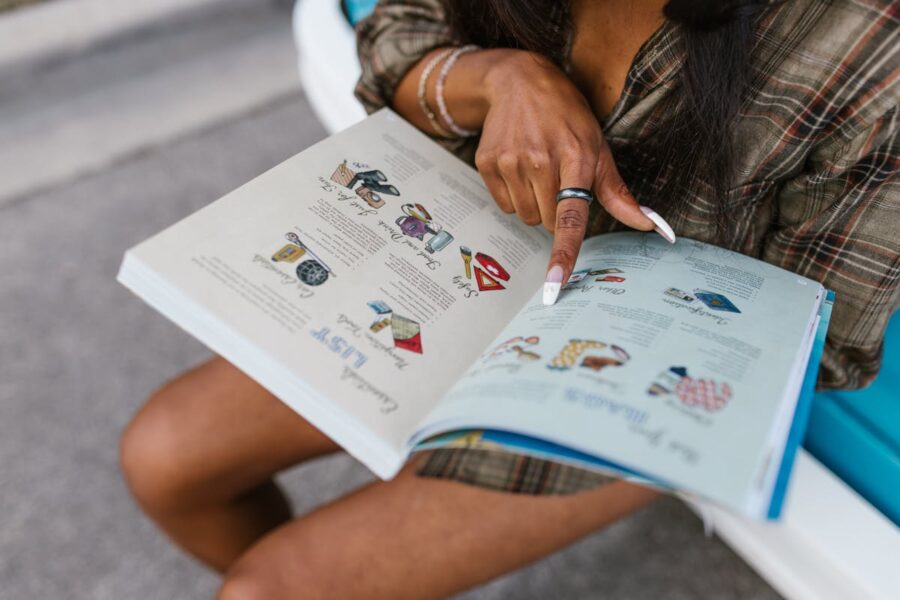
When you’re planning your trip, nothing beats a solid European guidebook. Rick Steves’ own guides are packed with details you just don’t get online.
They dig into neighborhoods, customs, and hidden gems most travelers miss. You’ll actually figure out which museums to skip and which tiny towns deserve your time.
Honestly, those big generic travel guides? They just don’t cut it for Europe. You want advice from folks who’ve worn out their shoes on those cobbles.
Europe-specific tips help you tackle trains, tipping, and finding real food. They’ll steer you away from the tourist traps every single time.
6. Study local public transportation routes for efficient travel
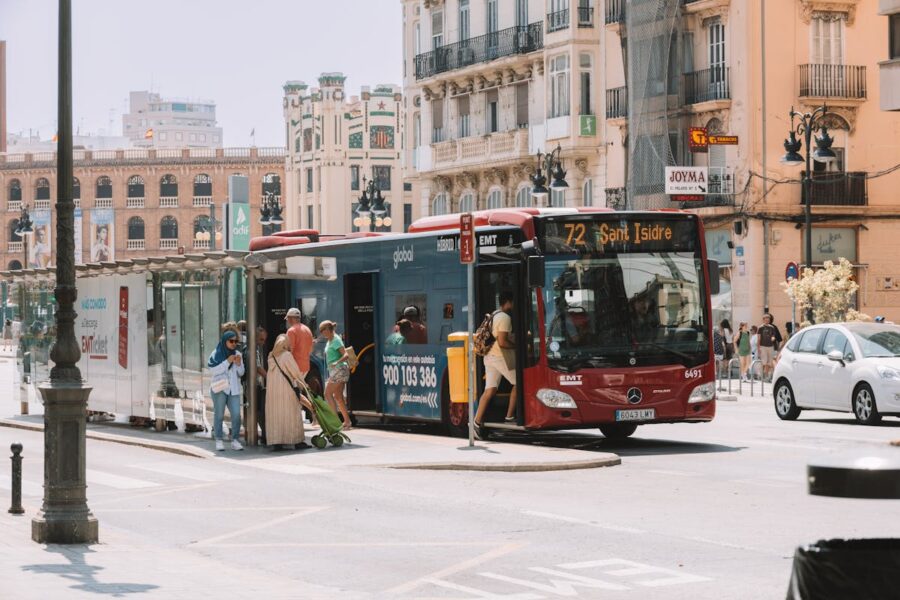
Your phone’s GPS helps, but I always study the local transit system before I land. I’ll pull up subway maps and bus routes while still at home.
Most cities have transit apps with real-time info—download them before you go. You’ll save a ton over taxis or rideshares.
Here’s a pro move: ask locals about shortcuts and routes. The friendly hotel clerk or café owner often knows tricks the apps miss.
Day passes usually pay for themselves fast—after just a handful of rides.
5. Learn to distinguish between tourist traps and authentic local experiences

Rick Steves says you can spot a tourist trap by the multi-language menus near big attractions. They’ll charge double for food you’ll forget.
Walk a few blocks away from the crowds. That’s where locals actually eat and shop.
Ask your hotel staff where they grab dinner. I don’t mean the concierge—try chatting with the front desk or housekeeping folks when it’s quiet.
Handwritten menus or chalkboards? That’s your cue for fresh, local food. The menu changes with the market, not with what tourists expect.
4. Carry a small travel first-aid kit including medication for jet lag

Pack a compact first-aid kit with bandages, painkillers, and your regular meds. You’ll be glad you did.
But don’t forget jet lag medication. I once lost two days to jet lag in Rome—never again.
Melatonin tabs help reset your sleep. They’re tiny, cheap, and honestly, they work. I also stash a couple caffeine pills for those brutal travel days.
Throw in some digestive aids. Your stomach will thank you when the time zones start messing with your system.
3. Use Rick Steves’ budget-friendly house-swapping method for longer stays

Rick cracked the code on long stays: house swapping. If you’re staying more than a week, this beats hotels every time.
You connect with someone abroad who wants to visit your city, then swap homes for a while. No fancy rental fees—just regular people trading places, maybe splitting utilities.
It’s not just about saving money. You get a kitchen, laundry, and probably better wifi than half the hotels in town.
Start with verified swap sites. But don’t be shy about asking around—sometimes a friend of a friend has the perfect place.
2. Pack light and choose versatile, wrinkle-resistant clothing fabrics

Dragging a giant suitcase over cobblestones is a rookie mistake. Trust me, pack light and your back will thank you.
Pick fabrics like merino wool or synthetics. They don’t wrinkle and dry fast if you need to wash them in a sink.
Keep your colors simple—two or three max. Everything should mix and match without you even thinking about it.
And here’s a secret: those synthetic hiking pants? They work just as well in Paris as they do on a trail. They pack tiny and look surprisingly sharp.
1. Stay in a centrally located hotel to save both time and transportation costs

Staying central is hands-down the smartest move. I learned the hard way—my first Rome trip, I picked a “budget” hotel 45 minutes out. Never again.
Pick a spot within walking distance of the main sights. You’ll save a fortune on taxis and subways, and all those little rides add up fast.
Central hotels let you pop back for a nap or to drop off shopping bags. You’ll get more out of every day, even if you pay a bit more upfront.
Honestly, once you factor in all the avoided transit costs, you might break even—or even come out ahead.
Why Rick Steves’ Travel Philosophy Resonates

Rick Steves’ style just hits differently. He’s all about real cultural connections instead of falling into the tourist trap routine.
The Value of Authentic Experiences
Notice how Rick never recommends five-star hotels or glitzy restaurants? He’ll send you to the corner taverna where the locals crowd in after work.
I changed my own travel habits after reading his stuff. First trip to Italy, I ditched the touristy spots and found a tiny osteria in Trastevere. The owner’s grandmother made the pasta—no joke.
Rick’s authentic experience priorities:
- Local transportation over tour buses
- Family-run accommodations
- Neighborhood restaurants without English menus
- Walking tours led by residents
Your wallet will thank you. A cappuccino at a Roman bar? Maybe €1.20. Near the Pantheon, it’s €4.50—just for the view.
Look for signs of local life—businesspeople grabbing lunch, handwritten menus, no English in sight. If you spot menus with photos and dollar prices, keep moving.
Embracing Flexibility On the Road
Rick’s “go with the flow” advice has saved me more than once. Train delayed? That’s your cue to wander somewhere new.
In Prague, my plans blew up when the castle closed. Instead, I stumbled into a beer hall and met three musicians who showed me the city’s underground jazz scene. Not what I planned, but way better.
Benefits of flexible travel:
- Lower stress levels
- Unexpected discoveries
- Better deals on last-minute bookings
- Real conversations with locals
Rigid schedules just don’t work in Europe. Museums close randomly, restaurants take long breaks, and the weather loves to mess with you.
Rick usually books just his first two nights. After that, he adjusts on the fly. Maybe you’ll want to linger in a small village or leave a big city early if it’s not your vibe.
Practical Ways to Enhance Your European Adventure

Honestly, the best trips come down to preparation and a bit of cultural savvy. Here’s what I wish someone told me before my first trip.
Overcoming Common Travel Hurdles
Book train tickets in advance for busy routes—like Paris to Barcelona or Amsterdam to Berlin. I learned the hard way, standing for four hours to Rome after waiting too long.
Most cities use contactless payment systems, but they’re not all the same. London’s Tube takes Apple Pay, but that tiny German bakery? Cash only.
Download offline maps before you lose signal in a medieval maze. Google Maps is great, but I always keep Maps.me as backup.
Your phone charger’s useless without the right adapter. Buy a universal European plug adapter before you fly—airport ones cost triple.
Bring a reusable water bottle. Rome’s got 2,500 free water spouts (“nasoni”), and Switzerland’s fountains are usually safe unless marked otherwise.
Learn a bit about bathroom etiquette for each country. In France, expect to pay 50 cents. In Germany, tip the attendant. And always, always carry tissues—public restrooms aren’t always stocked.
Cultural Nuances Every Traveler Should Know
Greet shopkeepers when you enter stores in France, Germany, and Austria. Just walking in without saying “Bonjour” or “Guten Tag” marks you as rude.
I always make eye contact and smile too. It’s a tiny gesture, but honestly, it changes everything—shopkeepers tend to warm up immediately.
Sunday shopping doesn’t exist in most of Europe. German stores close completely.
Even in Italy, only tourist areas stay open. Stock up on Saturday or you’ll be eating vending machine snacks (and trust me, those get old fast).
Tipping works differently than in America. In Spain, round up to the nearest euro.
In France, service is included but leaving small change shows appreciation. Germans tip about 10% but only for good service—don’t feel pressured if the experience was mediocre.
Dinner happens later than you expect. Spaniards eat around 10 PM.
Italians start at 8 PM earliest. If you show up at 6 PM, you’ll be eating alone while staff sets up around you (awkward, but hey, you’ll get the best table).
Personal space varies dramatically. Italians stand closer during conversations.
Germans prefer more distance. And don’t try to hug a British person you just met – a handshake will do perfectly fine.


