

Last modified August 17, 2026
Choosing where to stay in Costa Brava can feel overwhelming—every town claims the best beaches, the most charm, unbeatable views. Locals break the coast into zones, from the buzz of Lloret de Mar to the hush of Calella de Palafrugell or the artistic corners of Cadaqués. The best area to stay in Costa Brava really comes down to what you want—relaxation, nightlife, culture, or maybe a bit of everything.
Let’s keep it straightforward. Here’s a quick guide to the main towns, who they suit best, and solid hotel picks for each budget. After years of comparing stays along this coast, I’ve boiled it down so you can pick your base without endless scrolling.
Key Takeaways
- Quick breakdown of Costa Brava’s main areas and what makes each tick
- Which towns fit your travel style and budget
- Practical tips and hotel picks for easy planning
Understanding the Costa Brava Region
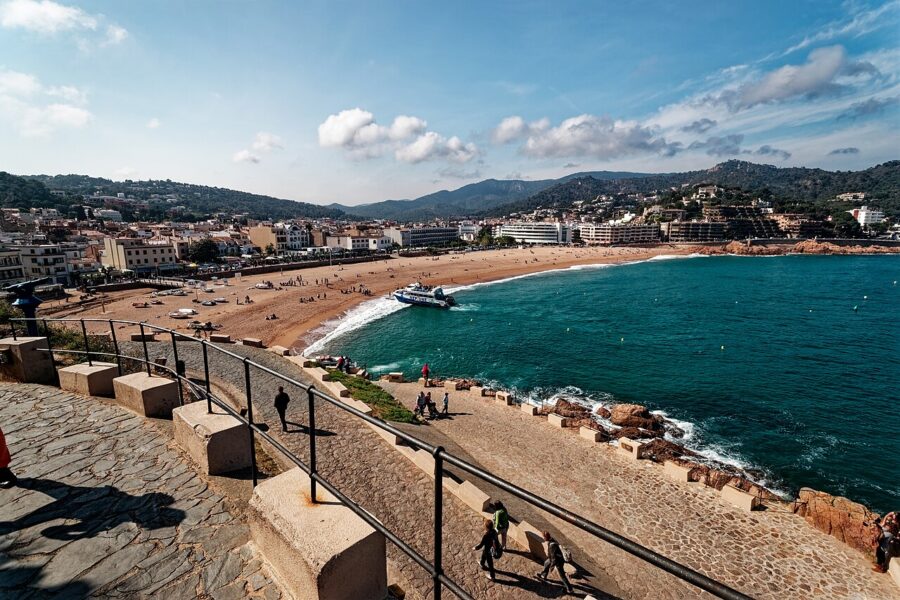
Costa Brava runs up Spain’s northeastern Catalan coast, stretching from Blanes to the French border. It’s a patchwork of wild cliffs, hidden coves, medieval towns, and modern beach resorts. Exploring means hopping between fishing villages, dramatic beaches, and old cities that still pulse with local life.
Geography and Main Towns
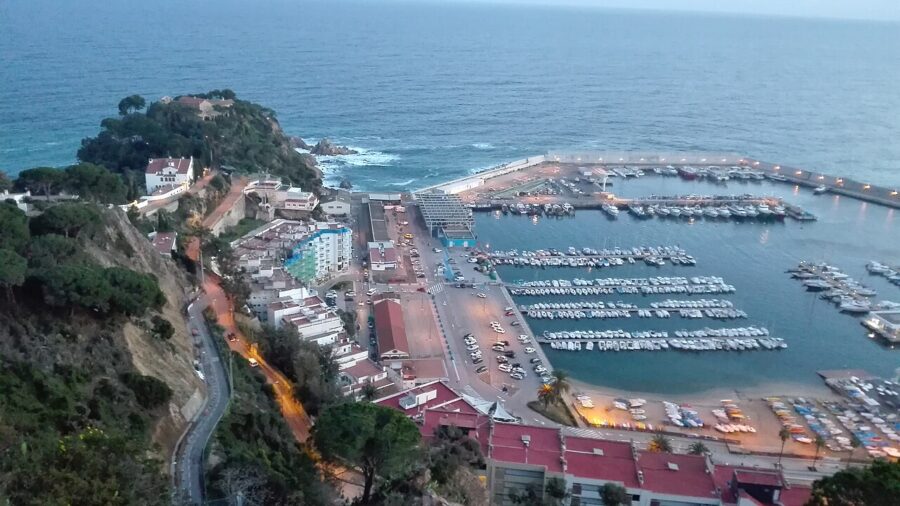
Costa Brava covers about 200 kilometers along the Mediterranean. It starts in Blanes, a lively resort town, and ends near Portbou at the French edge. In between, you’ll find pine forests dropping to the sea, rocky capes, secret bays, and farmland rolling inland.
Each main town brings something different. Tossa de Mar has its castle and family beaches; Begur and Pals keep medieval charm and quiet streets.
Up north, Cadaqués has that artsy, dreamy vibe—white houses, slow mornings. Inland, Girona is all about history and makes a smart base for day trips. If you’re driving, the roads here are a treat—hairpin turns, sudden sea views, and tiny spots you’d never notice on a map.
What Makes Costa Brava Unique
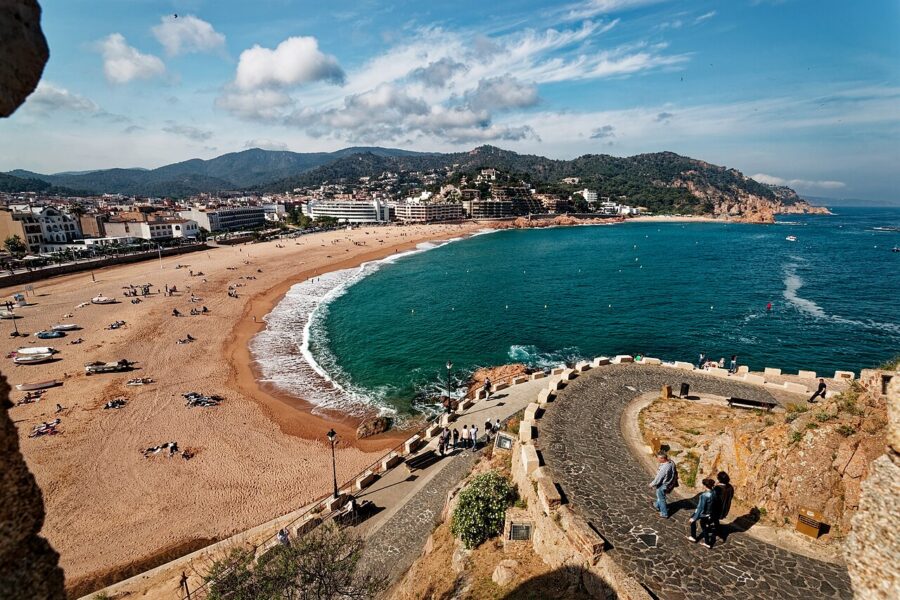
Unlike other Spanish coasts that went full resort decades ago, Costa Brava still has a wild edge. There are coves hidden under cliffs, stone villages that feel untouched, and beach towns that actually keep Catalan traditions alive.
It’s not just about the beaches. Old coastal paths—like the Camí de Ronda—still trace the cliffs, originally built to spot smugglers.
Walking these trails? Easily one of the best ways to see the landscape. And the food: fresh seafood, olive oil, local wines—every menu leans into it. If you’re into slow, local travel, you’ll get why people love this place.
Best Time to Visit
Costa Brava has typical Mediterranean weather, but each season feels a bit different. Summer (June–August) means warm water and busy beaches, plus crowds.
Spring and early fall are quieter, with weather still good for swimming or hiking. Personally, I prefer these shoulder months—less rush, more room to breathe.
Winter gets cool and calm. Some small hotels close, but towns like Girona and Cadaqués stay interesting. Prices dip, locals have more time, and you see a different side of the region. If you don’t mind skipping the sunbathing, it’s a solid time to visit.
How to Choose Where to Stay in Costa Brava
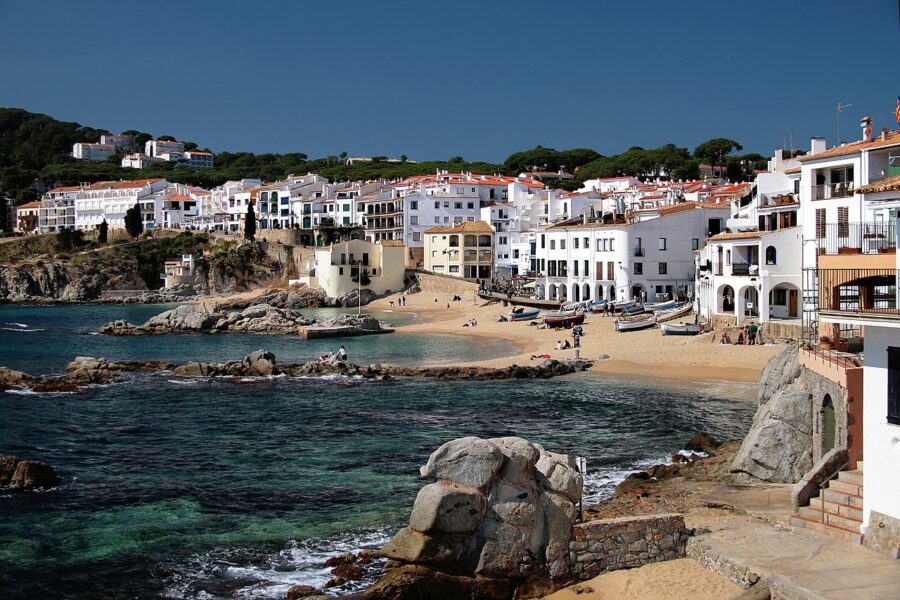
Your choice depends on the vibe you want. Some towns are built for beach days, others for quiet walks or easy car trips.
Matching Your Interests to Towns
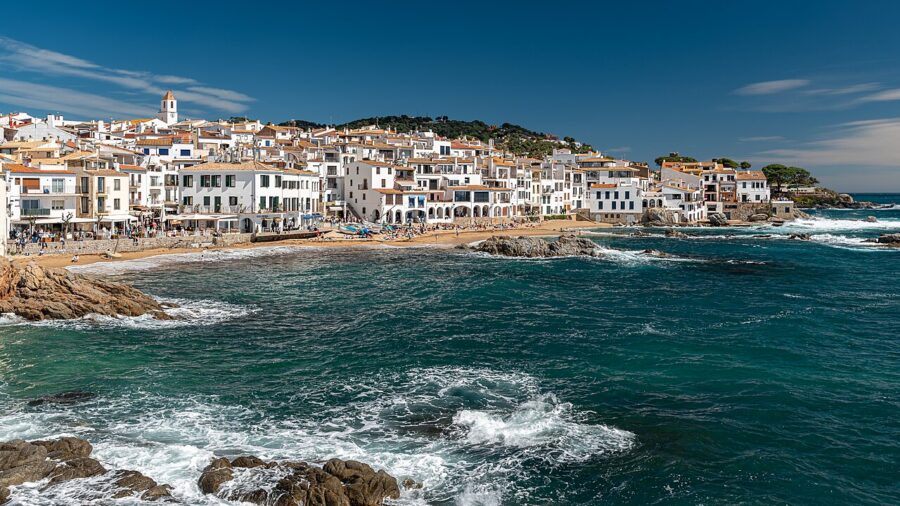
Every coastal town sets its own pace. Tossa de Mar has a medieval old town and a big, safe beach. Begur is great for hillside views and little coves like Sa Tuna. For a more refined scene, Calella de Palafrugell and Llafranc offer elegant beaches and standout restaurants.
Craving art and solitude? Cadaqués at the far tip is worth the winding drive—Dalí’s house is here, and even in summer, it feels remote. Lloret de Mar is all about energy: big resorts, nightlife, and plenty of choices. You could also split your time—maybe a farmhouse near Pals for a night, then down to the coast the next. That way, you get countryside and sea, no rush.
Transport and Accessibility
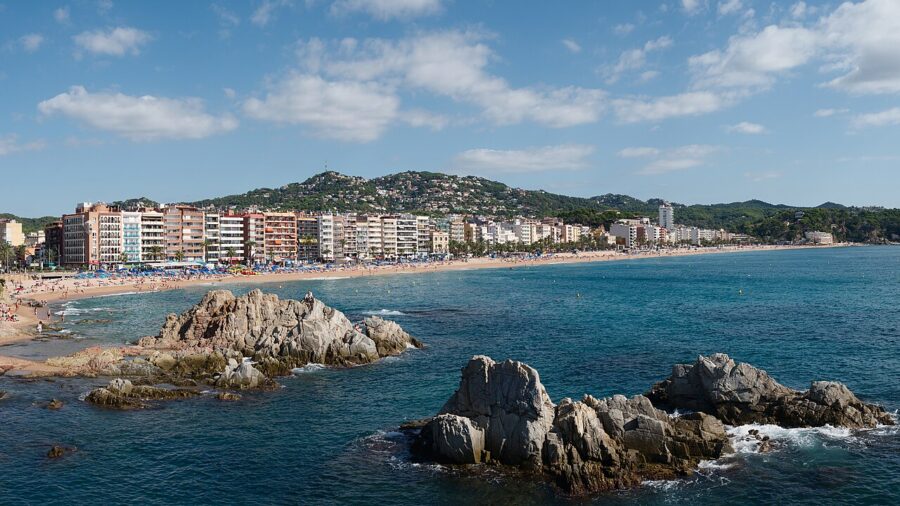
Getting around takes some planning. Buses run, but not always directly between towns. If you want to reach quiet beaches or villages, renting a car makes life much easier.
Cadaqués, for example, is only accessible by a narrow, curvy road. Tossa de Mar has direct buses to Barcelona and Girona. In high season, parking gets tight, so check if your hotel offers private parking.
Flying in? Cheap flight tickets to Barcelona or Girona are your best bet. Both airports have car rentals and shuttles to the coast.
Accommodation Types Overview
There’s a wide range here—family hotels, boutique stays in old buildings, seaside apartments, luxury resorts. Prices spike in July and August, so book early if you’re coming then.
Here’s a quick breakdown:
| Type | Best For | Price Range |
|---|---|---|
| Boutique Hotels | Couples, short stays | $–$$ |
| Beachfront Resorts | Families, amenities | $$ |
| Rural B&Bs | Quiet retreats | $ |
| Apartments/Villas | Groups, longer visits | $–$$ |
If you’re bouncing between towns, pack light. Use luggage storage near transit hubs so you’re not lugging bags everywhere. Many travelers pick one main base and do day trips by car or on the Camí de Ronda.
Best Areas and Towns to Stay in Costa Brava
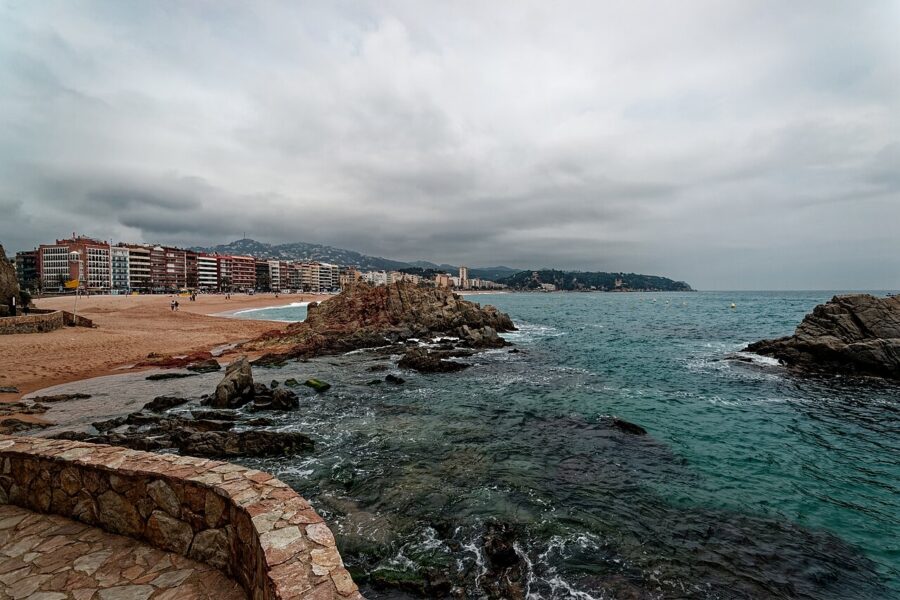
Costa Brava’s towns cover the whole spectrum—quiet and traditional, lively and modern, family-friendly, or just right for couples. It all comes down to how you want to spend your days along the Mediterranean.
1. Blanes: Gateway Town to the Costa Brava
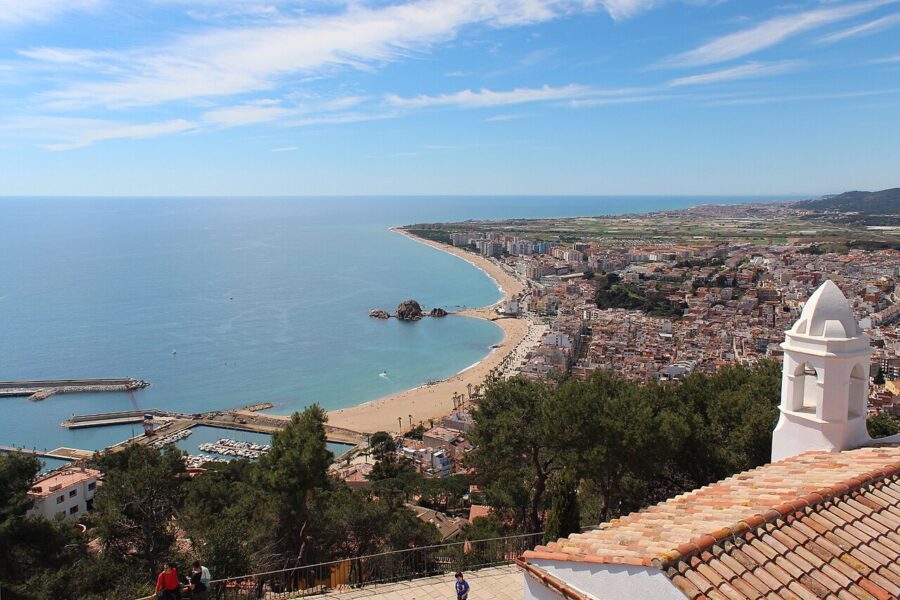
Blanes starts off the Costa Brava at its southern tip. It’s a breeze to reach from Barcelona by train, so you don’t have to drive if you don’t want to. The main beaches—Platja de Blanes and S’Abanell—are long, sandy, and lined with cafés and wallet-friendly hotels.
Blanes keeps a local, lived-in feel. The botanical gardens of Marimurtra sit high on the cliffs, with views that go on forever. I once lost track of time there just watching the waves—easy to do in a spot like this.
Food here leans Catalan: grilled sardines, squid-ink rice, hearty and unfussy. Prices are lower than up the coast, and you’re still within an hour of Girona or Barcelona.
Good for:
- Train access
- Budget stays
- Families
2. Tossa de Mar: History and Family-Friendly Beaches
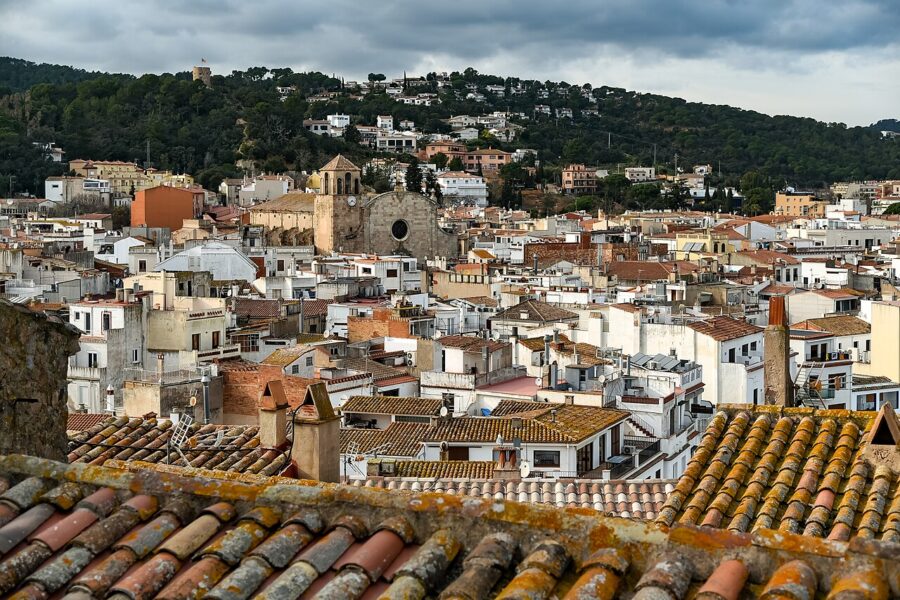
Tossa de Mar sits about halfway up the coast. It’s got a rare combo: a medieval walled old town (Vila Vella) and several safe beaches, including Platja Gran and Mar Menuda. Walking the fortress walls at sunset, you’ll see the coast stretch out for miles.
The Municipal Museum of Tossa de Mar has Roman artifacts from a nearby villa—worth a stop if you need a break from the sun. Tossa feels especially good for families; the center is lively but never overwhelming.
Most hotels are family-run, and the bus network makes day trips to Lloret or Blanes easy. Evenings usually mean a stroll along the promenade, maybe gelato or grilled octopus by the water—simple pleasures.
Good for:
- Families
- History fans
- Day trips
3. Lloret de Mar: Nightlife and Resort Atmosphere
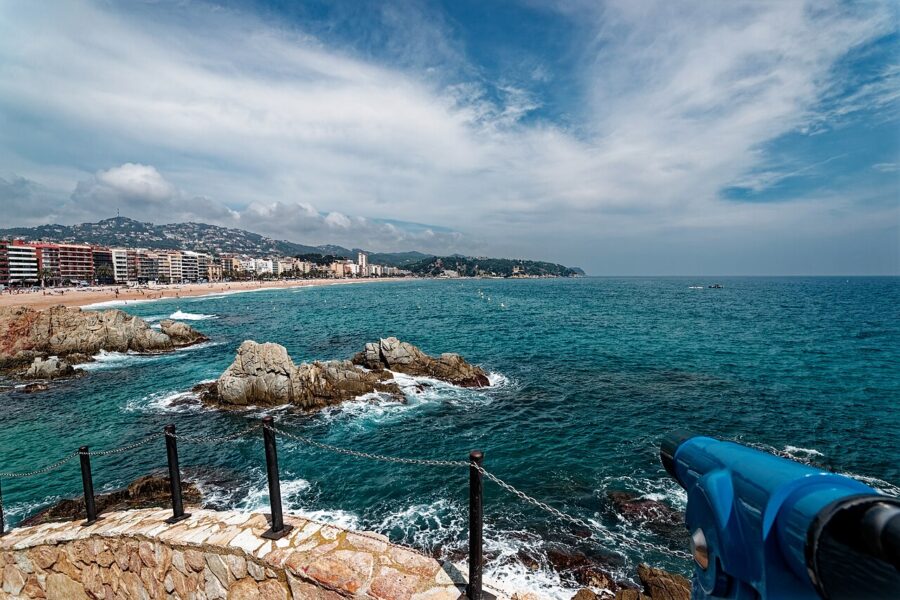
Lloret de Mar has a reputation as the Costa Brava’s party hub, and yeah, the nightlife is big here. But during the day, beaches like Fenals and Canyelles are actually pretty chill—good for swimming or grabbing a kayak.
Transport is a breeze, with frequent buses to Barcelona and Girona. If you want both nightlife and easy day trips, Lloret makes sense.
Good for:
- Nightlife
- Groups
- Easy transport
4. Calella de Palafrugell: Classic Fishing Village Charm
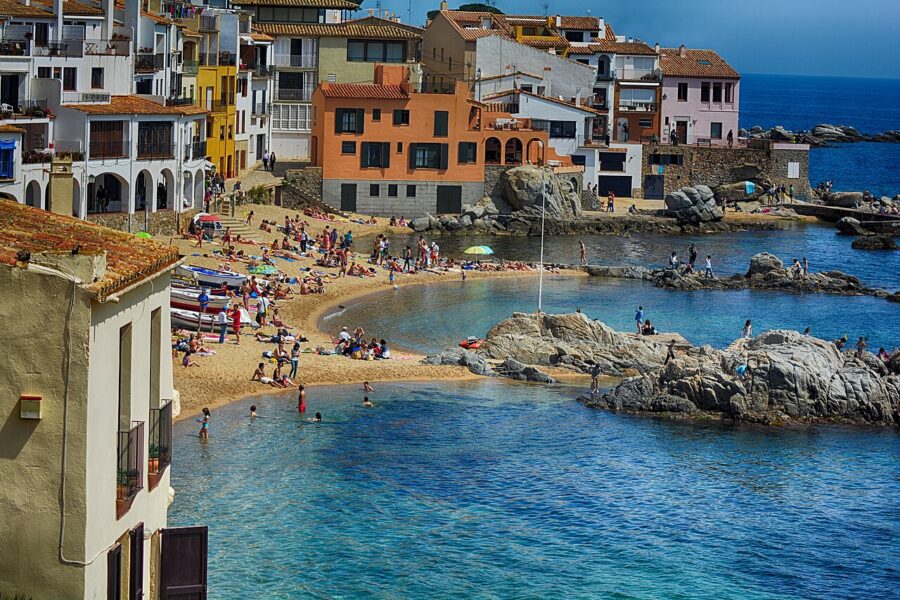
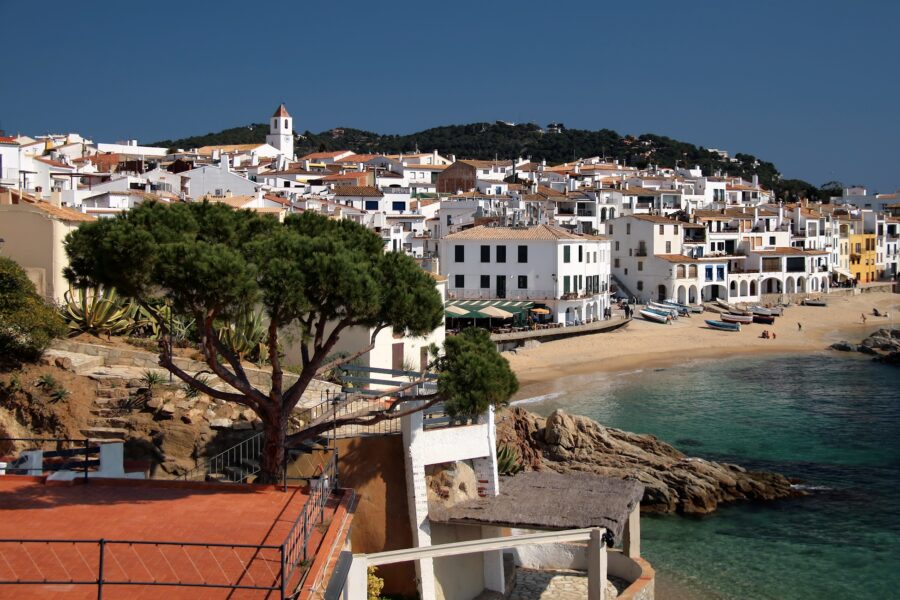
Calella de Palafrugell feels like a step back in time. It’s one of the few Costa Brava towns where fishing boats still dot the sand and seafood restaurants line Port Bo Beach—it’s the real deal, not a set piece.
For quiet mornings, I always end up here. The Camí de Ronda path to Llafranc or El Golfet Beach is perfect for a slow walk and sea views. If the water looks tempting, just stop and swim—no schedule needed.
You won’t find big resorts. Instead, it’s boutique hotels, old inns, and—if you book early—a balcony over the bay. Summer brings outdoor concerts in the Cap Roig Gardens: lively, but never too crowded.
Good for:
- Couples
- Walks and coves
- Authentic coastal feel
Charming Villages and Hidden Gems
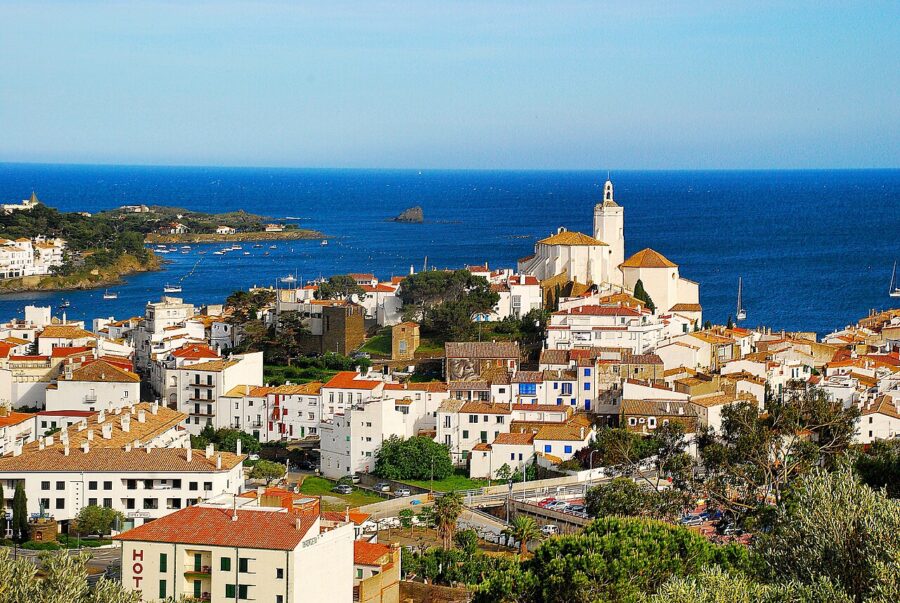
Beyond the main resorts, Costa Brava hides villages full of character. Medieval streets, sea-view castles, and quiet coves give you a peek at traditional Catalan life—without feeling cut off.
5. Begur: Idyllic Hilltop Retreat
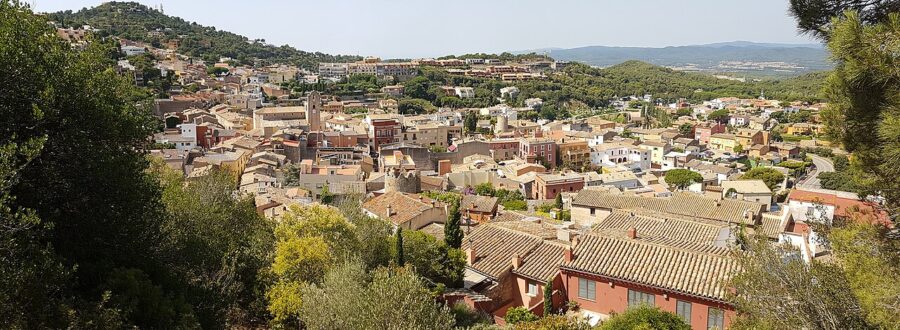
Begur sits on a hill, looking out over the Mediterranean. Even before you explore, the views set the mood. The old town shows off its medieval roots with honey-colored stone houses and a small castle ruin at the top—worth the climb for the view alone.
It’s compact and walkable. Boutiques and wine bars hide in old buildings, and locals gather in Plaça de la Vila at dusk. Down winding roads below, you’ll find beaches like Sa Tuna, Aiguablava, and Fornells—all with a secret-cove vibe. Parking gets tricky in summer, so aim for early mornings.
Here’s a simple plan: coffee in town, beach midday, seafood dinner back in Begur with a sea breeze. That’s the rhythm that makes this spot stand out.
6. Pals: Medieval Village and Coastal Proximity
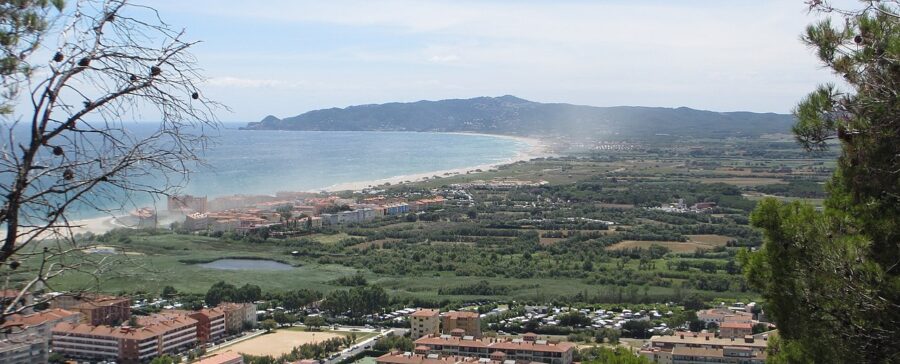
Pals takes you straight back to the 14th century. Perched on a small hill just 10 minutes from Platja de Pals, it feels peaceful and yet the coast is right there when you want it. The old quarter is all golden stone—narrow cobblestone lanes wind past towers, arches, and walls tangled with ivy.
It’s a compact place, but every corner has a detail worth noticing. There are iron balconies, hand-painted tiles, and doors that seem unchanged for centuries. From the church viewpoint, you get a sweep of rice fields running toward the sea, and honestly, you can catch a hint of salt in the air even from here.
Late afternoon is the best time—shadows cool the alleys and the daytime crowds thin out. Grab a local rice dish at a family-run spot, then head to the beach for an evening walk.
7. Cadaqués & Port Lligat: Art, History, and Seaside Beauty
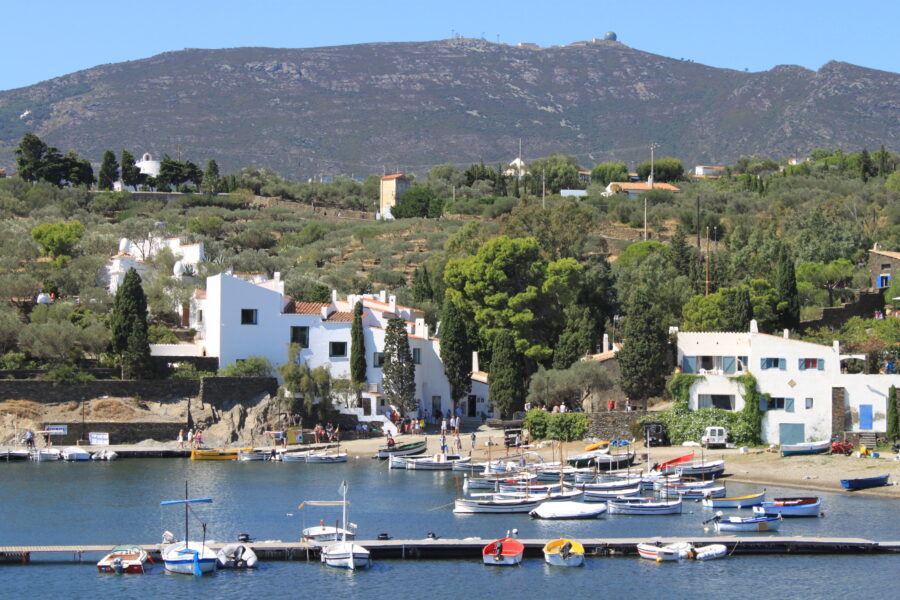
Cadaqués sits at the far edge of the Costa Brava, and getting there is half the experience—the winding road keeps it feeling remote. The landscape is rocky and dramatic, with white houses and blue shutters popping against the hills. Life here moves at a slower pace, and you’ll feel it right away.
Artists have always gravitated to this town, especially Salvador Dalí. His house in Port Lligat is open for visits—a maze of odd little rooms, quirky mirrors, and unexpected details that make it feel alive. Every visit seems to reveal something new: a mirror perfectly angled to catch the sea, a bizarre chair bolted to a wall.
Cadaqués itself has pebble beaches, stone lanes, and cafés where you could spend the better part of a day. Bring good shoes—the streets are steep and uneven—but the views of Cap de Creus make it worthwhile. This is a place where moving slowly pays off.
Best Hotels and Unique Stays by Area
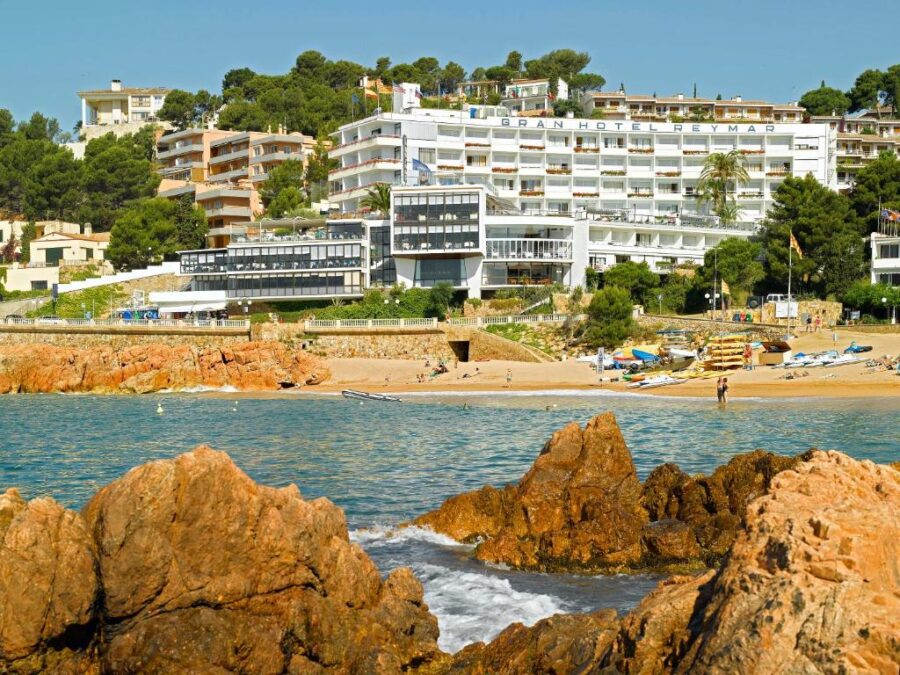
Costa Brava’s towns each have a different feel. Some offer luxury sea-view resorts, others lean into old farmhouses and boutique stays that feel personal and relaxed. Your pick depends on whether you want beachside energy, quiet cobbled lanes, or something in the middle.
Top Hotels in Blanes and Lloret de Mar
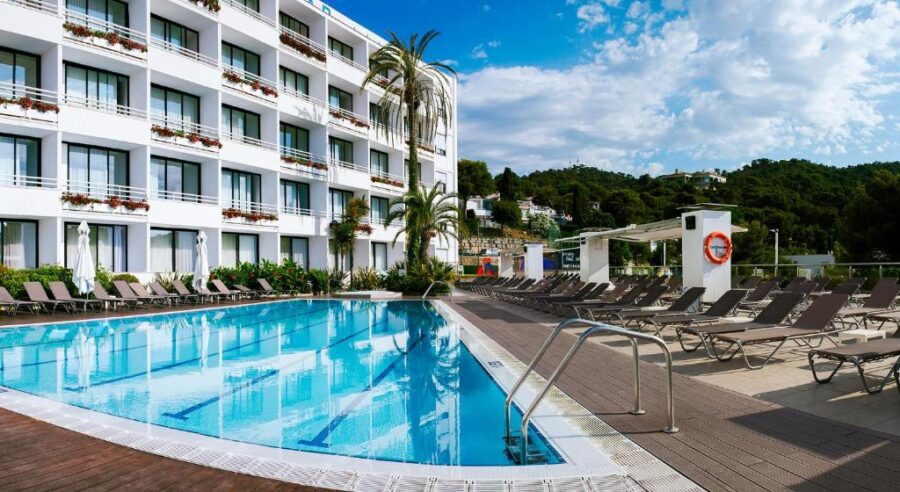
Down south, Blanes and Lloret de Mar are easy entry points to the region. Lloret de Mar is all about the lively beach scene, while Blanes is a bit calmer but still close to nightlife and plenty of places to eat.
For sweeping views over the coast, Gran Hotel Reymar stands out. The sea-facing rooms overlook Tossa’s bay, and the hotel checks all the boxes: pool, spa, good food, and you’re steps from the sand.
Blanes has smaller, family-run hotels just off the promenade. They’re usually more affordable, but often surprise you with friendly staff and terraces made for long evenings over cava and seafood. Prices swing a lot by season, so it’s smart to compare rates through hotel search sites.
Boutique Hotels in Tossa de Mar
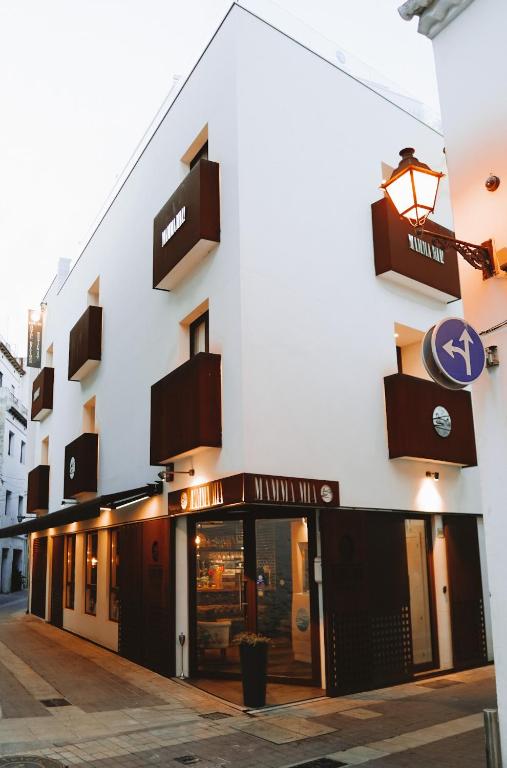
Tossa de Mar mixes medieval history with a hotel scene that’s more refined than you might expect. Walk up to the old walled quarter at night and you’ll hear the sea echoing off the stones. Boutique hotels here often fill renovated townhouses or old mansions, giving you more character than a standard resort.
Some of the best stays keep things simple: tiled courtyards, terracotta floors, patios for lazy breakfasts. Tossa’s historic buildings usually hide modern updates—airy rooms, sleek bathrooms, maybe a small pool with a sea peek.
It’s a sweet spot if you want a quieter vibe but still want the beach handy. Lloret and Blanes are close by, but rooms in Tossa go quickly in summer, so check Expedia deals early to snag a good rate.
Unique Stays in Pals and Begur
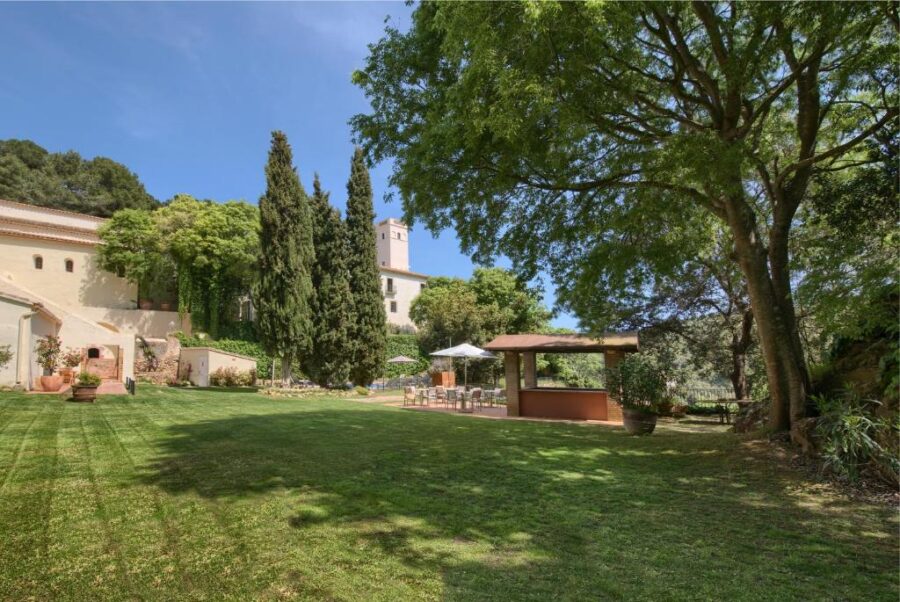
Head inland and Pals and Begur show off a different side of the Costa Brava. The roads twist through pine hills into quiet villages where old stone farmhouses now serve as rural hotels. These places aren’t flashy—they’re all about calm, design, and local food.
You might land in a 16th-century farmhouse like Hotel Es Portal or unwind at El Convent de Begur, once home to monks. Many of these small hotels serve Catalan dishes from their own gardens, perfect for a slow day of wine tasting, walking trails, or just lounging by the pool.
Begur also has stylish picks like Hotel Aiguaclara and Galena Mas Comangau—small enough to feel personal, but with enough style that you’ll want to linger. Don’t skip breakfast on the terrace; the view is half the experience.
Noteworthy Hotels in Cadaqués and Calella de Palafrugell
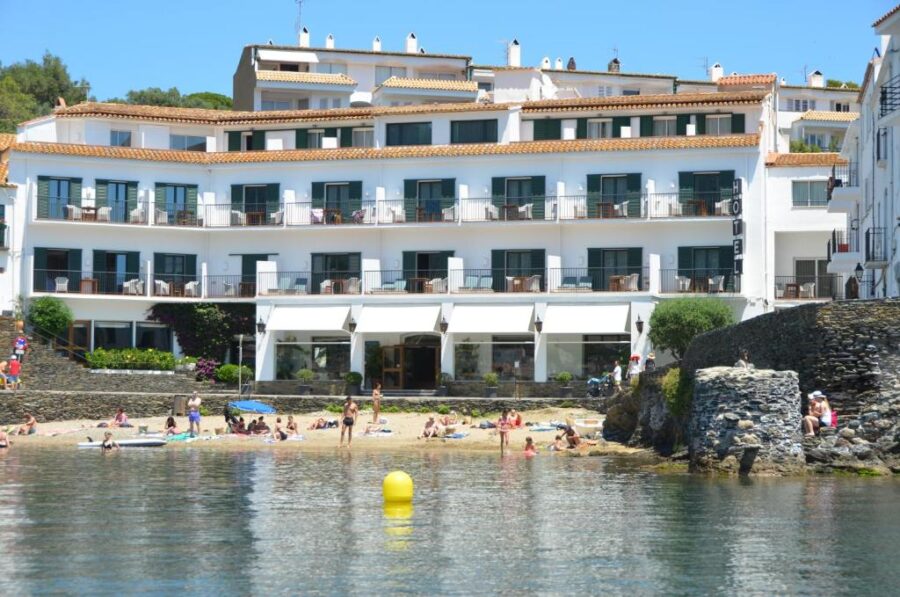
Up north, Cadaqués has a creative streak that’s hard to miss. Hotels here are modern, clean, and always connected to the sea and light. Hotel Playa Sol is a standout—whitewashed, right on the bay, with rooms opening to peaceful views and easy swimming.
You’ll also find chic small hotels like Tramuntana or Rec de Palau, where gardens and sea breezes make it feel like you’re staying at a friend’s villa. Prices jump in summer but drop in late spring, which is honestly the best time to explore the Cap de Creus cliffs anyway.
Calella de Palafrugell is more traditional—a fishing village with low-rise hotels tucked into winding streets. Stays like Casamar are modest and family-run, with a terrace restaurant that’s a local favorite. Checking KAYAK search can help you find those under-the-radar spots, especially if you’re after quieter beaches and real local flavor.
Tips for Exploring Costa Brava
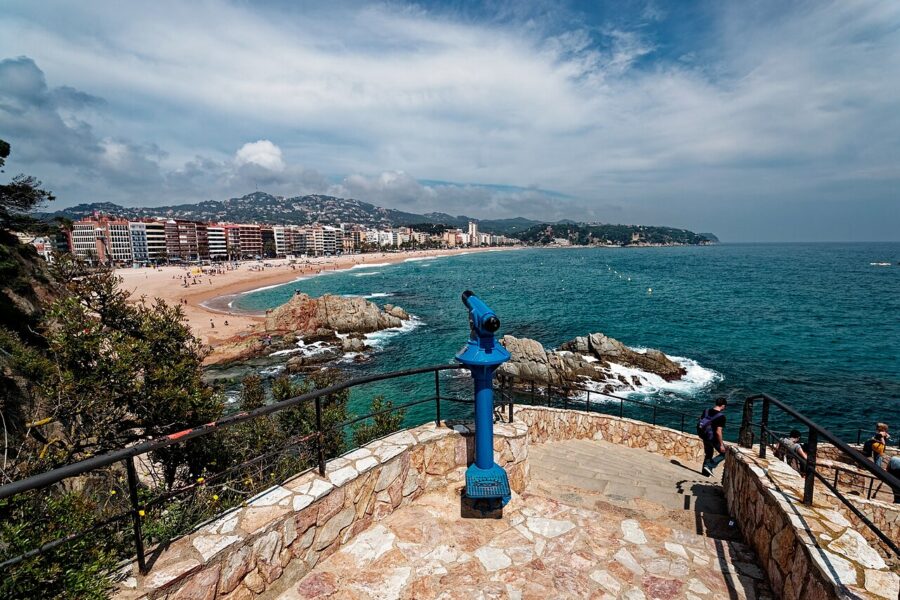
Costa Brava is best when you take it slow. Ancient stone villages, rugged trails, and tiny coves give the coastline a wild, personal feel. Bring good shoes, an appetite for seafood, and a willingness to get a little lost.
Must-See Beaches and Calas
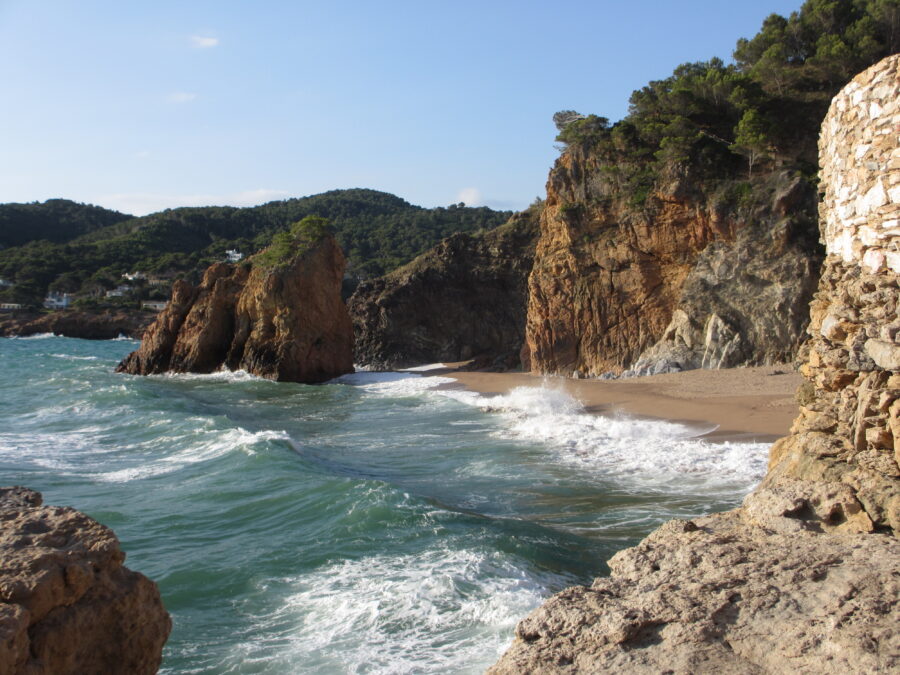
Beaches here range from wide open sands to tiny rocky inlets. Platja de Pals is easy to reach—long, open, and good for swimming. It’s ideal if you want a no-fuss beach day without steep hikes.
Further north, Cala Sa Tuna near Begur and Cala Pola close to Tossa de Mar are smaller, with turquoise water and pine hills all around. Early mornings are the quietest; afternoons get busier.
For easy beach-hopping, local day tours on GetYourGuide are handy if you don’t have a car. I honestly prefer renting a scooter—it’s quick, cheap on gas, and lets you stop at those unnamed calas you won’t find on most maps.
The Camí de Ronda Coastal Path
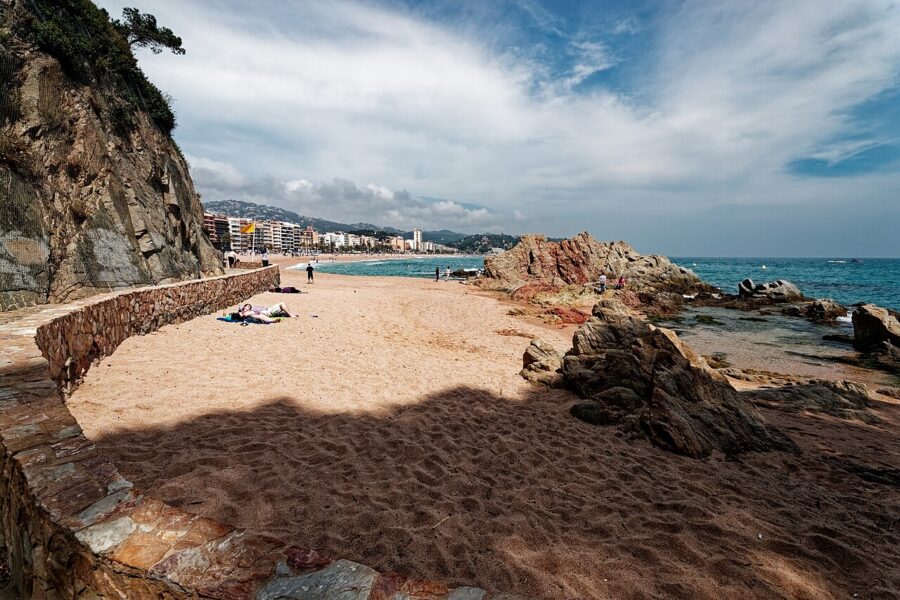
If hiking is your thing, the Camí de Ronda is a must. This old fisherman’s trail hugs the coast almost all the way. Some bits are steep and rocky, others wander easily between beaches and villages.
I’m partial to the stretch from Llafranc to Calella de Palafrugell. It’s short—half an hour or so—but gives you cliffside views, sea breezes, and quick detours to coves. The section between S’Agaró and Platja d’Aro is easier if you want a gentler walk.
Don’t forget water and sunscreen, even in spring—shade is rare and cafés aren’t always close. If you’d rather not plan the route yourself, guided walks from Viator include transfers and local tips.
Cultural Sights and Local Experiences
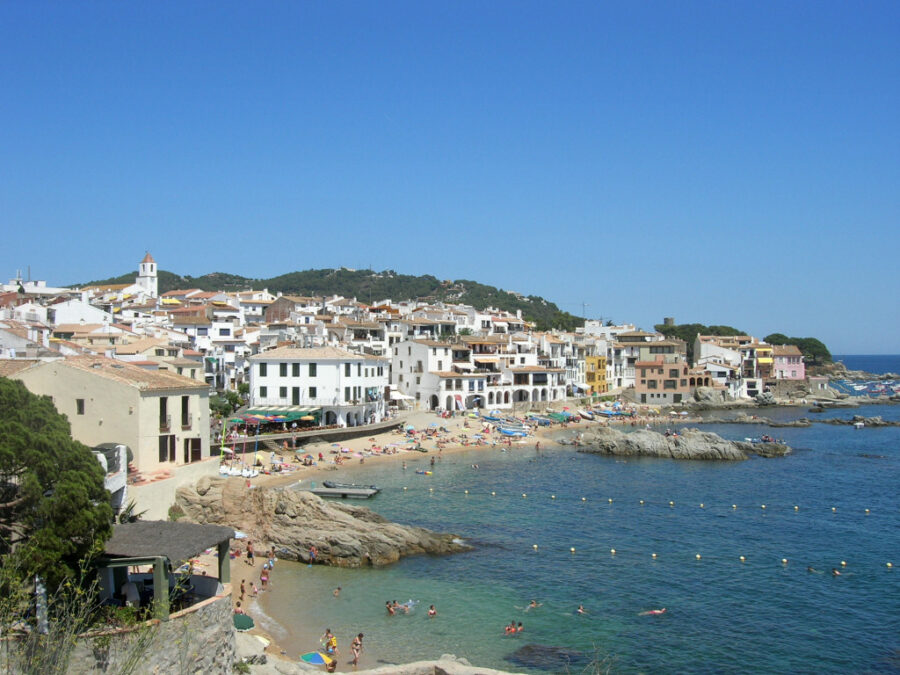
Beyond the beaches, Costa Brava’s medieval towns are where you start to get the region’s real story. Pals, Peratallada, and Begur all have stone alleys that feel untouched by time. Climbing the old bell tower in Pals gives you a wide view of farmland rolling toward the sea.
Markets are worth a morning—Palafrugell on Sundays, Cadaqués on Mondays. Fresh anchovies, olive oil, local cheese—easy picnic sorted. Chatting with vendors, you’ll get a feel for how much pride goes into the food.
Art lovers should make time for Dalí sites like Portlligat or Figueres. But honestly, just slowing down, having a long lunch, and picking up a few Catalan phrases is part of the fun.
Frequently Asked Questions
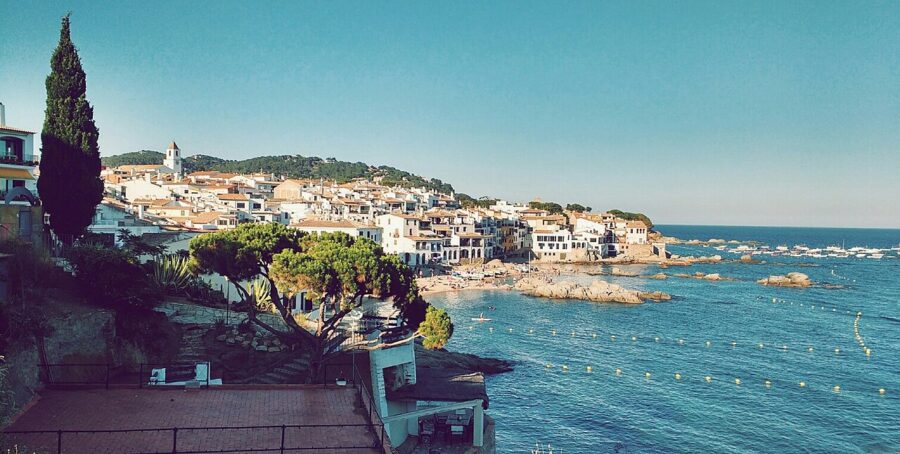
Costa Brava mixes scenic beach towns, medieval villages, and lively hubs—there’s something for every traveler. Some places are easier to explore without a car, others work well for families, and a few still feel like hidden escapes if you’re after quiet coves and fewer people.
What are the top accommodations in Costa Brava for travelers without personal vehicles?
If you’re not driving, u003cstrongu003eGironau003c/strongu003e is your best bet. The city links easily to coastal towns like Blanes or Tossa de Mar by bus and train. It’s walkable, with plenty of hotels in the Old Quarter—no taxis needed.u003cbru003eIn smaller towns, Cadaqués can work without a car, but stay near the seafront since streets get steep fast. Also, keep an eye out for u003cstrongu003eu003ca href=u0022https://going.sjv.io/nXVnVxu0022u003eflight dealsu003c/au003eu003c/strongu003e to Girona or Barcelona to make the trip smoother.
Which areas of Costa Brava are best suited for a family vacation?
Families usually go for u003cstrongu003eTossa de Maru003c/strongu003e and u003cstrongu003ePlatja d’Arou003c/strongu003e—calm beaches, lifeguards, and lots of kid-friendly hotels. Tossa stands out for its soft sand, relaxed boardwalk, and easy trips to nearby coves.u003cbru003eFor something quieter, u003cstrongu003eL’Estartitu003c/strongu003e has shallow beaches and access to the Medes Islands for gentle snorkeling. Most family hotels there include breakfast or simple kitchens, which makes life easier with kids.
For peaceful sand, skip the main resorts and head to u003cstrongu003eCala Futaderau003c/strongu003e or u003cstrongu003ePlatja Fondau003c/strongu003e. They’re small, a bit remote, and surrounded by cliffs and pines. The walk down is steep, but the water is worth it.u003cbru003eNear Begur, u003cstrongu003eAiguablavau003c/strongu003e is tiny and beautiful, especially early in the morning. Pick up some food from a local bakery and you’ll have a perfect picnic spot, with almost no one around in the shoulder seasons.
What are the must-visit picturesque towns in Costa Brava for a memorable stay?
If you love old stone streets and snapping photos, u003cstrongu003ePalsu003c/strongu003e is the spot—medieval, compact, and full of golden buildings. u003cstrongu003eCadaquésu003c/strongu003e is completely different: whitewashed, coastal, creative, with sea views and winding lanes down to the harbor.u003cbru003eu003cstrongu003eBeguru003c/strongu003e is another favorite for its hilltop views and quiet feel. I spent a couple of days there once and barely saw a tour bus, which made exploring the castle ruins feel like a real discovery.
How long should you stay in Costa Brava to really get a feel for the place?
A long weekend? You’ll barely get started. Block off u003cstrongu003eat least five daysu003c/strongu003e if you want a proper mix of city energy, medieval villages, and some beach time. This way, you can set up in Girona as your home base and take day trips out to Pals, Begur, and Cadaqués.u003cbru003eGot a whole week? Even better. With seven days, you can slow your pace, hike stretches of the Cami de Ronda, and still have those long, lazy afternoons by the water. Costa Brava’s best when you don’t try to cram it all in—give yourself room to wander.
For adults looking to explore Costa Brava, what unique activities should not be missed?
Walk a stretch of the u003cstrongu003eCami de Rondau003c/strongu003e trail—it winds along the cliffs, linking coastal villages and dropping down to hidden coves where you might snag a quiet swim, even in peak season. The path between Calella de Palafrugell and Llafranc stands out for its scenery and easy access.u003cbru003eIf you’re into wine, head inland to the u003cstrongu003eEmpordà regionu003c/strongu003e. Here, you can try small-batch reds and local olive oils right at the source—no fuss, just honest flavors. And honestly, if you’re planning to roam off-grid or tack on extra travel, it’s worth checking u003cstrongu003eu003ca href=u0022https://visitorscoverageinc.pxf.io/BnkKk9u0022u003etravel coverage optionsu003c/au003eu003c/strongu003e for peace of mind while you’re out on those remote trails and beaches.